
Founding Team Capacity Mechanics Under Escalated Systemic Load
Systemic overload forces founding teams into metabolic exhaustion unless unyielding structural terms replace individual willpower as operational limits.
Seat
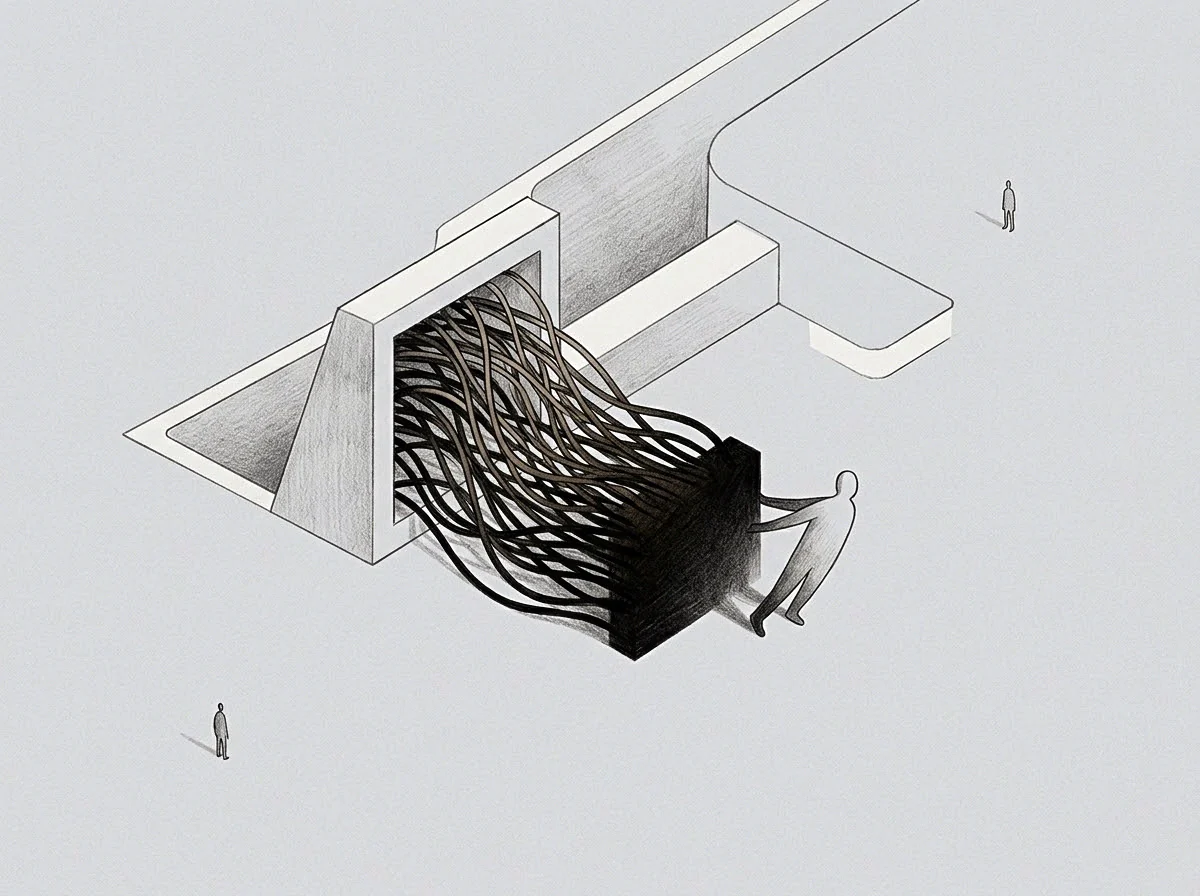
A sudden surge in commercial obligations compresses the executive layer. When external demands outpace operational infrastructure, individual nervous systems absorb the shock for the firm. Incoming pressures, whether technical failures, capital constraints, or counterparty demands, flow to whichever person offers the lowest immediate resistance.
Routine task execution gives way to constant fire-fighting, turning external friction into personal metabolic expenditure.
Early on, a founding team compensates through informal mutual support. When one partner faces heavy operational drag, another picks up the slack to keep the company moving. This works during brief surges, as the physical toll of holding things together drops when shared with a reliable partner.
Proximity and clear accountability distribute the cost of handling crises, keeping individual exertion manageable.
Co-regulation lowers the individual metabolic expenditure of threat detection during brief operational surges.
Prolonged stress breaks this dynamic. As months pass under pressure, informal balance turns into continuous asymmetric support. One partner quietly absorbs the extra workload of an overloaded peer, masking organizational gaps while burning through personal stamina.
Because external deadlines are still met, the underlying capacity deficit stays hidden from both outside observers and the leadership cohort itself.
- Primary load displacement occurs when unresolved operational inquiries bypass functional leads and land directly on an executive desk.
- Secondary buffering latency develops when the recipient delays rest to keep outside parties from noticing execution strain.
- Tertiary structural distortion emerges when the organization normalizes this constant availability as standard operating procedure.
This posture drains mental capacity before deliberate strategy even starts. Attention shifts to reactive triage, where the arrival rate of incoming signals dictates daily resource allocation. Continuous noise erodes the ability to separate high-leverage architectural decisions from routine administrative fires.
A partner who absorbs operational friction without explicit terms becomes an unmetered resource, exhausted by default.

Leak
Cognitive capacity drops predictably when incoming signals outstrip processing ability. Working memory can only hold a few complex variables at once. When systemic load forces an executive to track dozens of unresolved operational threads, deep analytical capacity gives way to rapid, superficial pattern recognition.
Decisions become defensive, designed to clear active queues rather than build long-term enterprise value.

Where Does Latent Friction Accumulate First?
Unassigned operational friction drifts naturally toward whichever person demonstrates the highest tolerance for ambiguity. In early-stage hierarchies lacking rigid functional boundaries, ambiguous liabilities fall into the spaces between defined roles. A vendor contract dispute, an unassigned software bug, or an anxious investor communication generates unresolved operational loops.
Each loop acts like a background process, consuming energy and attention even during quiet moments.
Ambient operational loops consume metabolic resources during periods of apparent physical stillness.
Continuous background processing alters the transfer function of the executive nervous system. Objective capacity splits sharply from current mood. Mood acts as internal weather with little diagnostic value, whereas physical state dictates the return on any applied effort.
An executive operating in a depleted state makes impaired decisions regardless of emotional enthusiasm or willpower.
Trying to push through depletion through sheer determination triggers stress responses. Elevated cortisol and catecholamines maintain vigilance at the direct expense of perspective and interpersonal patience. The executive becomes reactive, irritable over trivial inputs, and incapable of managing open-ended work that requires sustained synthesis.
Persisting in this posture converts acute operational strain into permanent systemic fragility, eventually stalling execution velocity across the entire leadership layer.

Stop
Structural limits function as hard boundaries rather than personal preferences. When an overloaded system encounters an individual attempting to regulate load through personal willpower alone, the system pushes continuously until that individual collapses. Clear, firm operating terms create a physical boundary that forces incoming load to re-route or dissipate elsewhere in the organization.
| Operating Posture | Unassigned Incoming Load | Signaling Modality | Execution Pacing |
|---|---|---|---|
| Implicit Baseline Absorption | Absorbed through personal overtime | Emotional friction and delayed replies | Reactive sprints followed by exhaustion |
| Explicit Term Partitioning | Re-routed to functional owners | Fixed schedules and stated limits | Predictable cadence with preserved capacity |
Setting operational boundaries changes how partner availability is defined. A stated limit eliminates the ambiguity that fuels relational friction within the leadership group. When an executive explicitly defines working hours, response latency floors, and non-negotiable zones of functional ownership, counterparties no longer interpret delayed communication as personal abandonment or operational neglect.
Explicit operational constraints eliminate the relational ambiguity that fuels executive anxiety.
Moving from implicit accommodation to explicit terms requires specific operational mechanics. These measures turn open-ended availability into metered, predictable commitments:
- Asynchronous communication gates restrict real-time messaging channels to verified operational emergencies, routing strategic inquiries to weekly alignment documents.
- Capacity ceilings cap the absolute number of concurrent high-stakes initiatives assigned to any single executive at two.
- Mandatory triage latency imposes a mandatory four-hour buffer on incoming requests before leadership reviews them, eliminating false urgencies.
A formal clause establishing that operational inquiries received outside defined operating windows wait until the subsequent business cycle forces the broader organization to resolve tactical roadblocks locally.
Draft
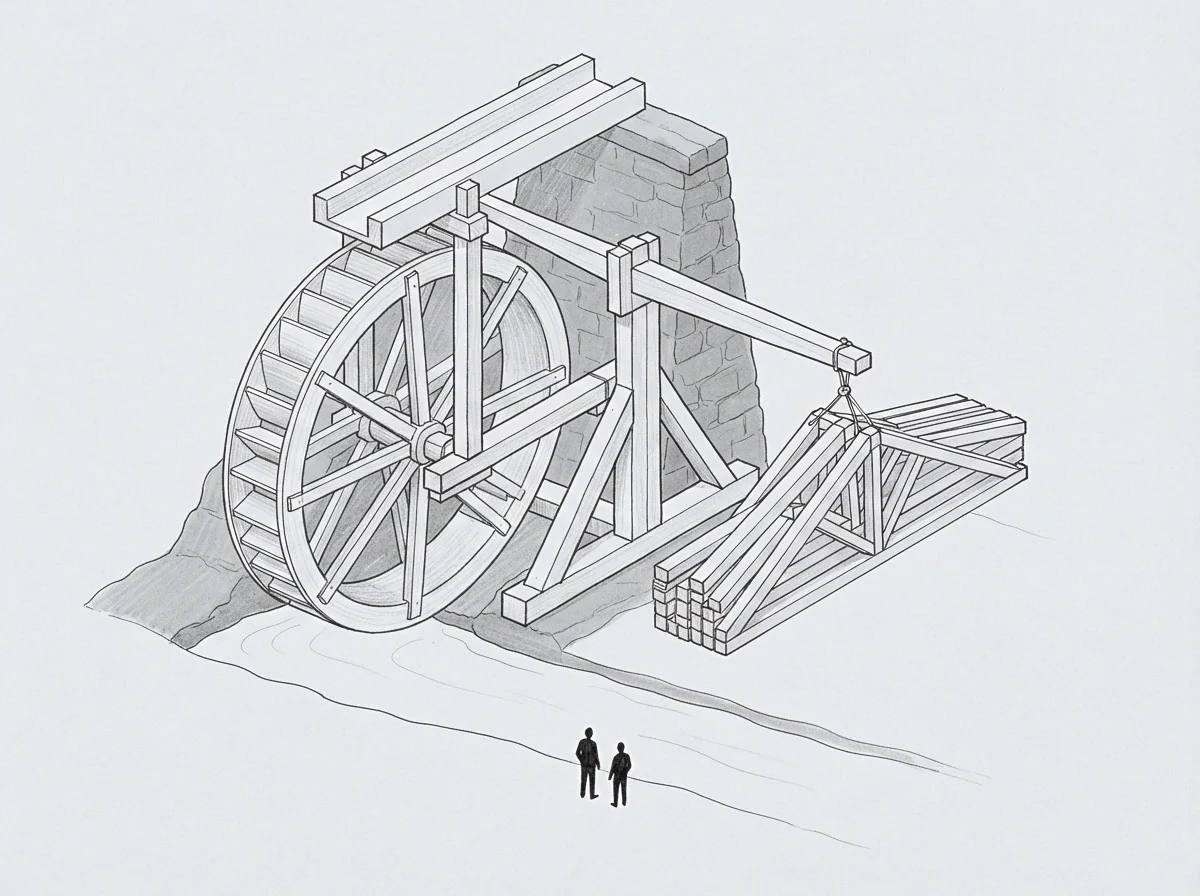
Restructuring an enterprise during maximum velocity demands cold mechanical discipline. The leadership group must execute structural triage, categorizing ongoing initiatives by their existential necessity. Activities that do not directly defend core solvency or deliver contracted value are paused or dismantled immediately, liberating cognitive capacity across the executive core.
Signal analysis reveals the true priority structure of the firm. An operational channel that remains silent during a crisis indicates areas of self-sustaining stability, while channels generating continuous pings expose acute structural weaknesses. Tracking message frequency across systems pinpoints where operational load concentrates, enabling targeted infrastructure reinforcement rather than indiscriminate personal sacrifice.
A silent communication channel identifies self-sustaining functional stability.
State-gated execution recognizes that certain high-order executive tasks demand specific physiological conditions. Architectural design, capital allocation, and structural conflict resolution fail when attempted during severe exhaustion. Routine decision-gated tasks proceed regardless of state, but creative and strategic interventions must align with restored capacity windows.
Under what precise environmental conditions can a founding team maintain strategic coherence once all redundant metabolic reserves have been fully committed to enterprise survival?