
Deriving System Availability Through Latency Signals and Network Silence
Operational availability is derived from response intervals and channel silence, revealing processing limits and priorities without formal declarations.

Seat
An operator sits before three active messaging windows while incoming inquiries accumulate without an immediate reply. A collaborator submits a specification revision at dawn. Four hours pass before a single acknowledgement registers, followed by twenty hours of total inactivity across the shared transmission line.
The collaborator refrains from asking whether the operator is working, because the prolonged delay answers the operational question directly. Response interval acts as a transmission gauge. The time elapsed between an incoming inquiry and a recorded answer communicates processing overhead, queue congestion, and functional availability faster than formal status declarations.
System observers deduce operational capacity from response cadence. When transmission delays lengthen systematically, counter-parties assume the receiving node has reached maximum concurrency. An unacknowledged query exposes the structural boundary where additional incoming volume exceeds processing bandwidth.
Formal announcements regarding personal devotion or structural reliability fail to alter this inference. The channel measures duration, and duration defines priority.
The elapsed duration between inquiry and transmission reveals true operating priority long before administrative calendars admit exhaustion.
Load-bearing participants frequently hide their saturation to preserve commercial standing. They promise immediate turnarounds while their physiological baseline degrades under sustained allostatic friction. The operational channel betrays the claim.
A message received at nine in the morning and answered at midnight communicates a twenty-fold increase in processing friction compared to identical transactions executed two quarters earlier. Observers do not need access to the operator’s calendar to recognize operational triage. The silence on the wire documents the functional ceiling of the seat.
The counterpart adjusts their operational pacing to match the received tempo, deriving the exact degree of engagement permitted by the operator’s delay.

Hinge

Decoupling Processing Friction from Deliberate Abandonment
Extended transmission lulls generate interpretive volatility. One participant interprets prolonged quiet as deliberate disregard, whereas the quiet actually signals system throttling under excessive structural load. A biological organism under prolonged high-concurrency demand engages in defensive shedding.
Cognitive bandwidth contracts. Lower-priority inputs face progressive queuing while the core processor preserves basic operational continuity. When an operator delays an answer for seventy-two hours, the pause reflects an involuntary protective stall.
Research across occupational physiology demonstrates that prolonged high-demand regimes trigger systematic communicative withdrawal. When physiological reserves reach depletion, response production demands severe energy expenditure. The actor defers non-emergency transmissions to maintain metabolic stability.
The recipient, lacking visibility into internal metabolic reserves, categorizes the extended silence as tactical evasion or relational rupture. Structural throttling appears identical to indifference when observed strictly through transmission timestamps.
A participant operating at metabolic capacity curtails outgoing messages to survive structural overload rather than express relational dissatisfaction.
The distinction between defensive throttling and relational exit resides in the consistency of the delay pattern. Throttle behavior exhibits variable latency tied to immediate demand surges, accompanied by terse, mechanically complete responses once processing resumes. Relational abandonment presents a permanent decay in transmission density, characterized by missing data fields, skipped operational items, and indefinite deferral of scheduled deliverables.
| Observation Metric | Structural Throttling | Relational Exit |
|---|---|---|
| Queue Latency Variance | Spikes sharply during operational surges and normalizes during demand troughs. | Lengthens monotonically without regard to external workload cycles. |
| Payload Density | Condensed to operational minimums while resolving all core specifications. | Omits necessary technical context and leaves assigned questions unresolved. |
| Acknowledge Timestamps | Irregular intervals maintaining eventual closure of pending transactions. | Permanent cessation of terminal acknowledgements across critical pathways. |
Treating structural exhaustion as intentional malice compounds operational friction, compelling the saturated operator to expend scarce metabolic capital on defensive relational diplomacy rather than core execution.

Floor
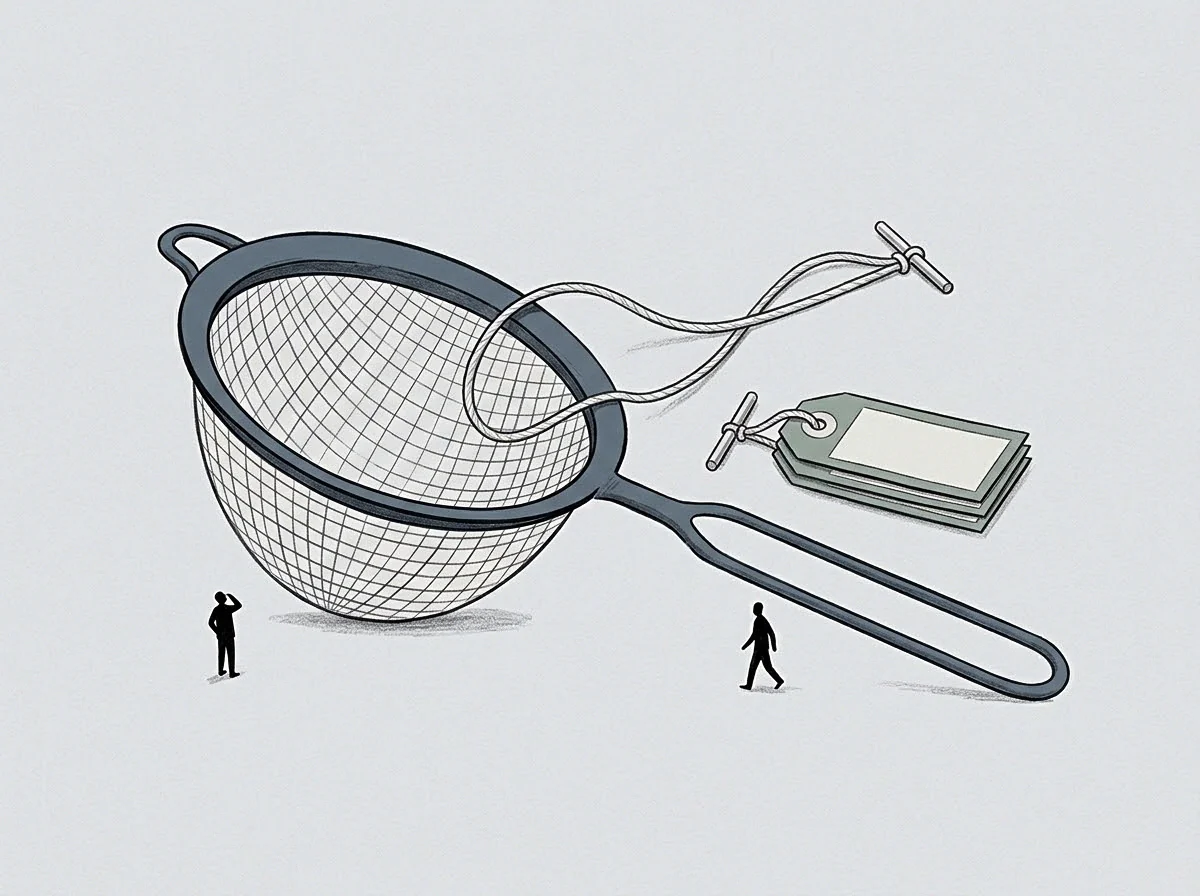
Derivation Dynamics Under Sustained Operational Quiet
When an operating channel enters total dormancy, external observers construct predictive models based on silence. The absence of outgoing data forces the counter-party to estimate systemic survival without fresh telemetry. In distributed human systems, unannounced quiet forces rapid behavioral recalculation.
Partners stop routing urgent issues toward the dormant node, reallocating critical responsibilities to secondary participants whose latency profiles offer predictable processing rhythms.
Extended pauses generate structural reconfiguration across operational units:
- Derived Availability Quotas define how much speculative volume a counterpart routes through a dormant participant before diverting dependencies to parallel operators.
- Latency Baseline Drift records the permanent recalibration of expected turnaround times following recurring periods of unannounced operational blackout.
- Preemptive Load Shedding takes place when adjacent collaborators abandon pending queries entirely to avoid schedule exposure caused by unpredictable queue intervals.
Consider two operators managing an industrial integration project. One operator processes incoming administrative requests within thirty minutes during morning cycles, then vanishes entirely for three consecutive business days without publishing an operational term. The second operator establishes a fixed seventy-two-hour batching interval, answering queries strictly on scheduled cycle rotations.
The first operator creates volatility. The second operator establishes an explicit wall. The counter-party accommodates predictable delay with ease, whereas stochastic latency produces operational panic and defensive relationship posturing.
Unscheduled silence destabilizes operational arrangements far more aggressively than an announced three-day processing lag.
Does the participant possess sufficient structural headroom to distinguish a necessary protective silence from an unstated termination of the working compact?
Slab

Replacing Interpretive Silence with Stated Operational Terms
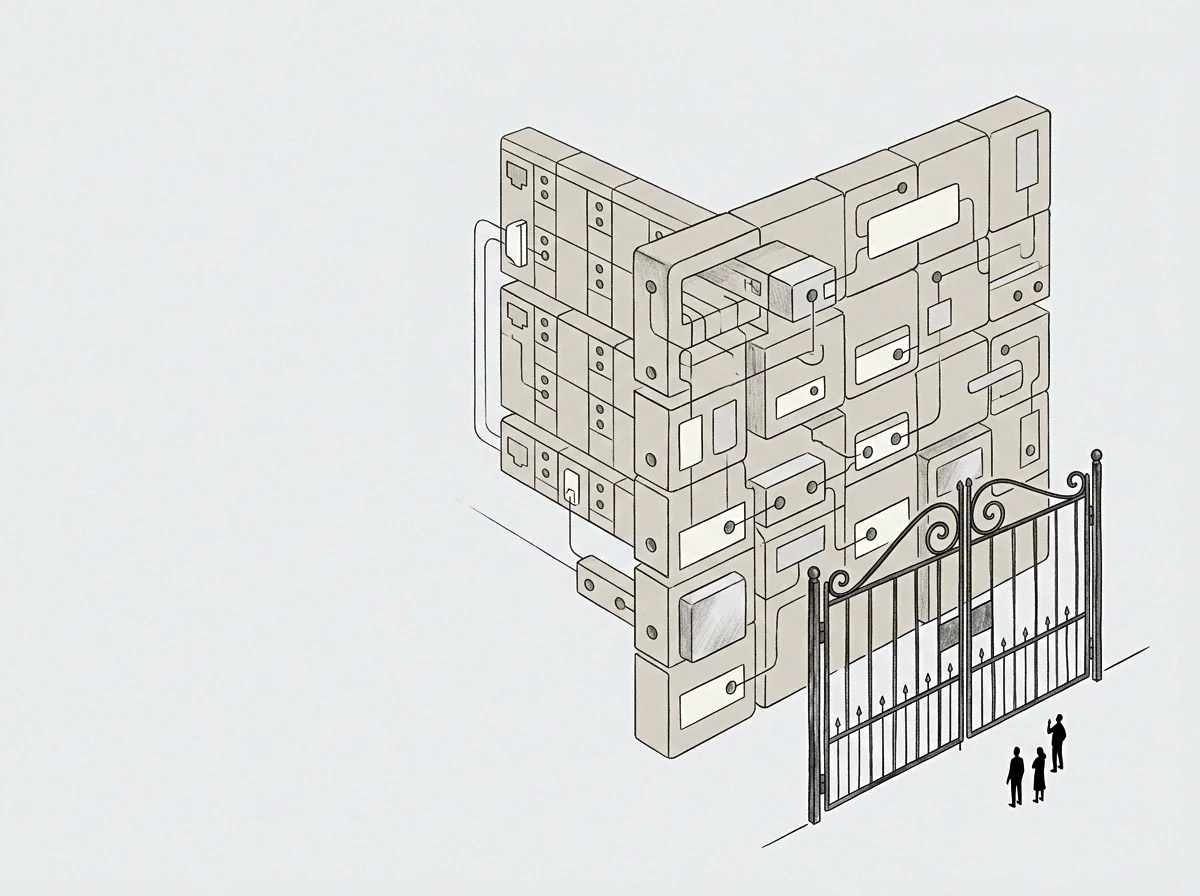
The alternative to derived availability is the declared operational boundary. An operator protects personal processing headroom by publishing rigid latency terms before the queue accumulates critical mass. Stating a turnaround window converts arbitrary silence into a deliberate operational parameter.
The counter-party encounters a stated term rather than a decaying conversational thread.
A stated term functions as a hard physical surface against incoming volume. When an operator announces that responses process strictly during a two-hour afternoon window, the statement eliminates speculative inference. The counter-party ceases guessing whether an unacknowledged query implies hostility, sickness, or incompetence.
The processing cadence becomes a structural property of the seat itself, detaching the operator’s personal character from the transactional speed of the shared pipeline.
Enforcing declared turnaround intervals demands absolute consistency during operational surges. When external pressure intensifies, undisciplined actors abandon stated latency windows, rushing to clear incoming backlogs at direct expense to biological recovery. This collapse immediately reintroduces latency derivation.
The counter-party discovers that sufficient pressure breaches the published boundary, prompting larger volumes of urgent transmissions designed to force rapid compliance. Preserving operational integrity requires letting non-critical items sit unanswered until the designated processing window opens.
A published turnaround schedule maintained without compromise preserves personal bandwidth while shielding commercial partnerships from the destructive volatility of unmanaged channel quiet.