Meaning
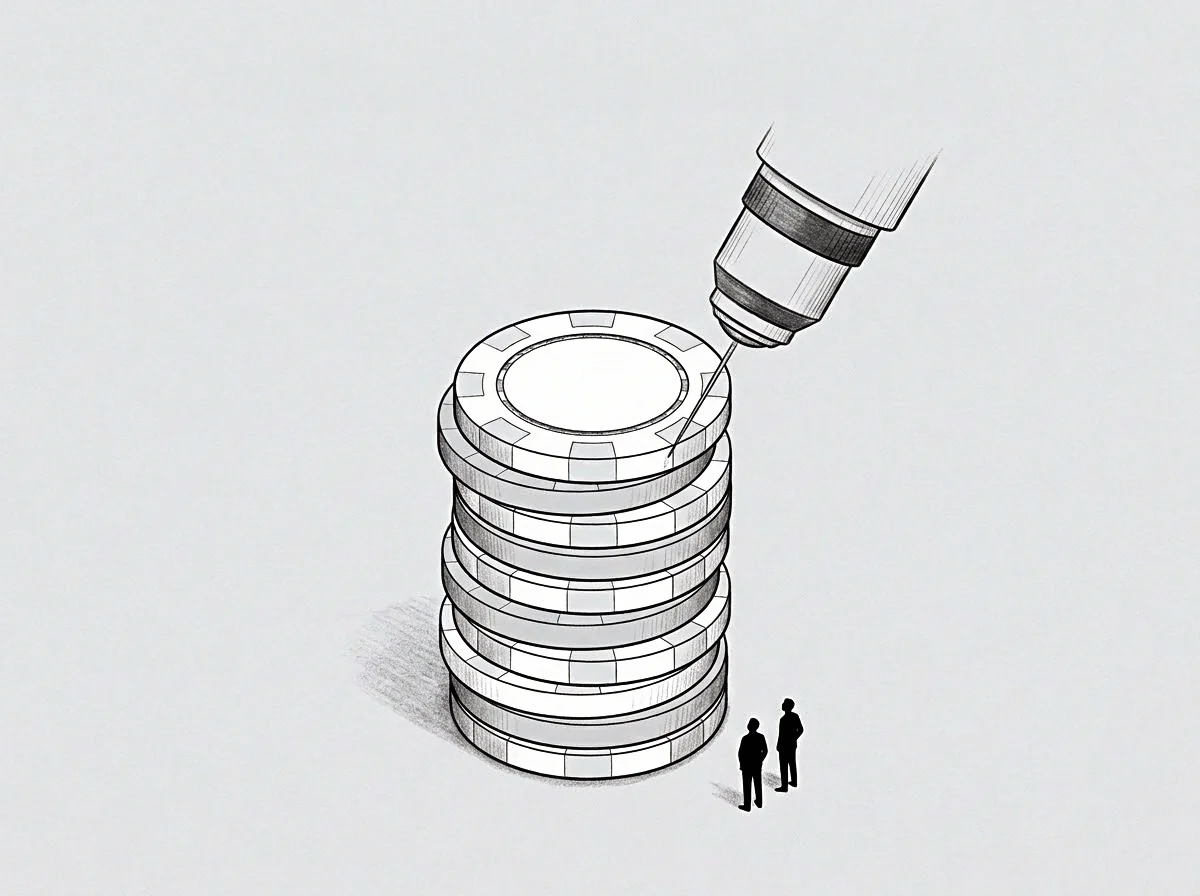
Organizational capacity limits define the maximum output an entity produces before internal feedback loops induce a system slowdown. Structural throttling functions as an automatic brake on growth when high demand outpaces the infrastructure built to manage it. This self-correcting response prevents total collapse by restricting the flow of tasks to a sustainable volume.
It operates as a neutral buffer between the ambition of a team and the physical constraints of the existing network.
Operational Bottleneck
Delays occur when the volume of inputs exceeds the processing capability of a node. Data packets or management decisions queue behind the limit until the system clears space. A delay of this kind forces the entity to shift focus toward maintenance instead of production.
This transition drains hours from development and reallocates them to clearing the backlog. Performance degradation remains a constant threat as long as the ceiling stays fixed below the active demand.
Capacity Variance
Resource allocation changes require adjustments to the throttle setting to maintain efficiency. Static limits fail to account for seasonal spikes in operational needs or sudden shifts in market environment. Flexible protocols allow the system to expand or contract the threshold based on available bandwidth.
Effective management demands the alignment of hardware potential with the actual requirements of the current output model. Periodic calibration prevents the system from wasting energy on tasks the infrastructure cannot sustain.
Systemic Integrity
The durability of the entire structure rests upon the precision of these internal limits. Sudden removal of the throttle often leads to technical failure or administrative burnout because the components cannot process the sudden surge. Rigid adherence to these boundaries protects the long term stability of the operation against volatile fluctuations.
A predictable ceiling provides a clear signal about when the entity requires more capital investment to reach the next stage of scale. Structural throttling acts as a final safeguard against the exhaustion of human attention and computational energy.