
Designing Hard Mechanical Floors to Resist Lateral Operational Load Transfer
Hard mechanical floors resist lateral operational load transfer through structural isolation, mechanical shear keying, and anchor pin strain distribution.
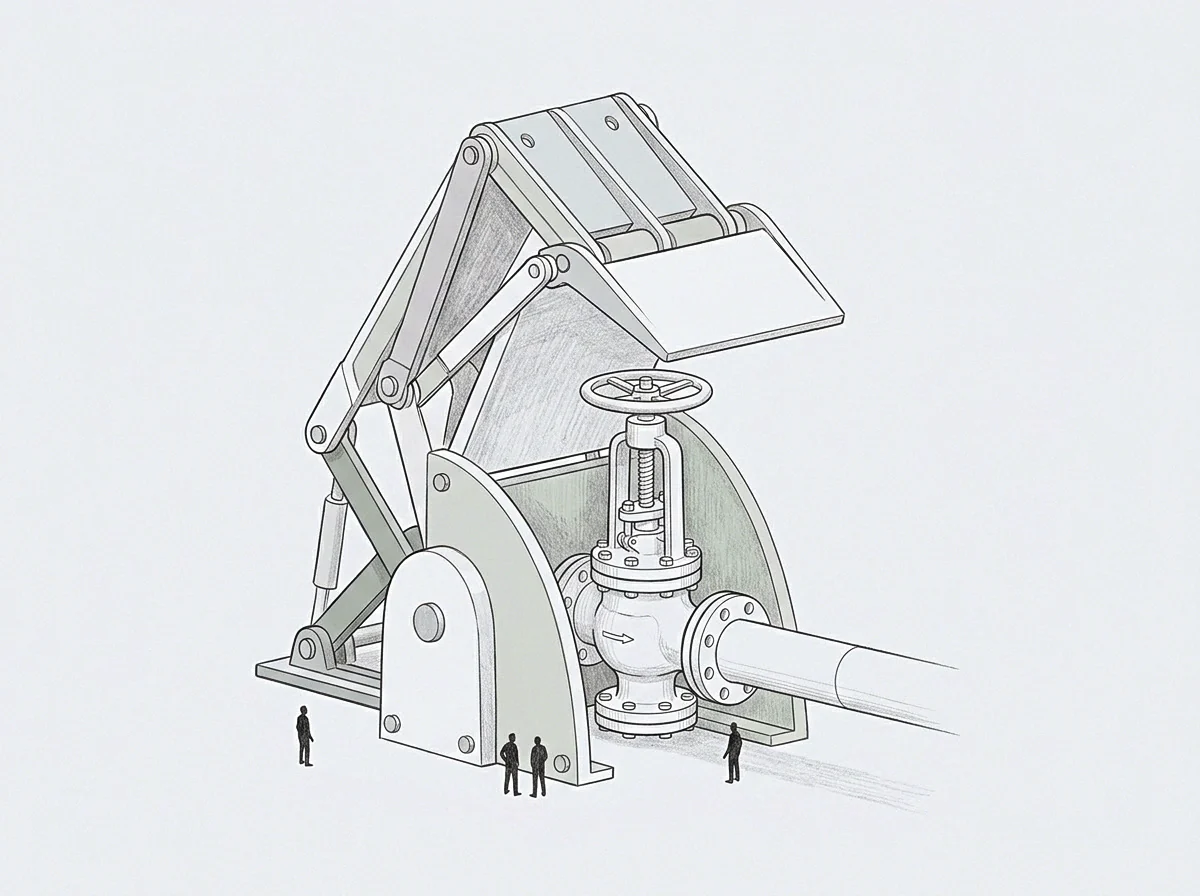
Slab
Heavy industrial machinery exerts repeated horizontal forces that travel downward and sideways into foundation concrete. Operational equipment generating reciprocating motion, fluid surge, or rapid acceleration creates lateral vectors that push equipment bases across floor surfaces. Without deliberate structural resistance built into foundation slabs, these lateral forces cause physical displacement, alignment loss, and severe fatigue on connected process lines.
A hard mechanical floor functions as a unyielding wall against lateral load migration, absorbing horizontal thrust through structural mass, embedded mechanical interlocks, and subgrade soil friction.
Subgrade friction alone rarely provides adequate long-term restraint against continuous lateral operational forces. Concrete slabs resting on standard aggregate bases exhibit a static coefficient of friction between zero point four and zero point six. When lateral operational loads exceed this frictional threshold, the interface breaks down.
Static friction drops under impulse forces. The foundation transitions into kinetic sliding, shifting equipment position by millimeters or centimeters over repeated operating cycles.
A mechanical slab holds lateral alignment only while horizontal operational forces remain below the static friction limit of the subgrade interface.
Consider a plant room housing two six-hundred-horsepower gas compressors mounted on a un-keyed eight-inch concrete slab. Each compressor unit generates twenty-five kilonewtons of cyclic lateral thrust during peak compression strokes. Over ninety days of continuous duty, cumulative lateral pulses micro-fracture the concrete base contact patch.
The mechanical floor takes the load. The slab shifts zero point three millimeters per thousand operating hours until process piping flanges bind and fail. Calculating foundation mass ratios requires treating the combined slab weight and anchor resistance as a continuous restraint wall rather than relying on surface friction alone.
When concrete masses lack adequate structural resistance to lateral operational forces, micro-fretting along subgrade interfaces degrades foundation alignment and causes early failure of attached piping networks.
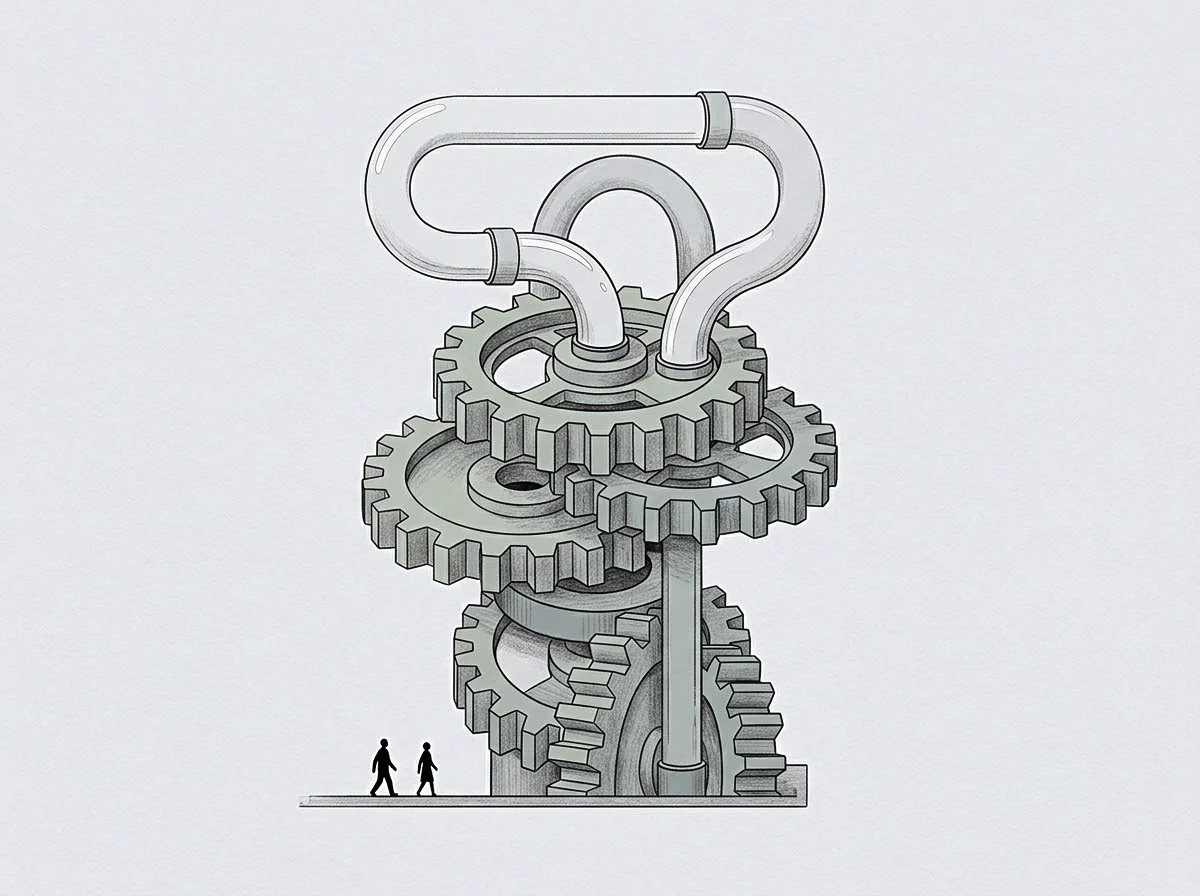
Shear
Interlocking steel keys cast directly into structural concrete stop horizontal motion before displacement begins. Mechanical floor designs transfer lateral thrust out of baseplates directly into structural steel keyways or heavy embedded dowels. Anchoring systems that rely exclusively on bolt tension to create friction between baseplates and concrete floors experience tension relaxation over time.
Vibrational loads reduce bolt pre-load, lowering clamping force and enabling micro-movement along the floor plane.
Embedded shear keyways bypass clamping force dependencies by converting lateral sliding forces into direct compressive stress against surrounding concrete. Steel key blocks welded to equipment skids fit snugly into recessed keyways cast within the slab foundation. High-strength non-shrink grout pours fill all tolerances, creating an unyielding physical interface.
Mechanical shear pins transfer horizontal thrust. The physical steel surface transfers the lateral load straight into the rigid foundation slab without relying on surface friction or bolt bending strength.
- Primary anchor bolt pretension clamps base plates to foundation concrete.
- Interlocking steel shear keys engage milled keyways in the slab embedment.
- Deep reinforced dowels distribute lateral forces across subgrade concrete volume.
Subgrade deflection alters the primary load path. Installing embedded dowel grids across construction joints ensures that adjacent floor panels share lateral load burdens equally. Structural dowels installed along slab edges prevent joint differential elevation while offering high resistance against horizontal shear forces.
The structural anchor holds the skid. Concrete cracks under excessive diagonal tension.
Installing direct mechanical dowels transfers horizontal loads into shear steel and eliminates reliance on bolt clamping friction.
Specifying an embedment depth ratio of two-to-one between anchor dowels and base plates changes lateral resistance from surface friction dependency to total mechanical steel engagement.
Margin
Operating machinery frequently delivers transient peak horizontal impulses that exceed steady-state calculations by two hundred percent. Emergency valve closures, machine jams, and resonance conditions create sudden operational load surges that test structural limits. Structural designers calculate lateral floor margins by applying dynamic amplification factors to baseline operational forces.
A foundation engineered solely for average operating conditions inevitably suffers structural cracking or anchor bolt fatigue when peak lateral forces hit the slab surface.
Where Does Lateral Skid Load Convert to Bending Moment?
Lateral forces applied at the top surface of an equipment skid generate overturning moments that try to tip the baseplate around its edge. This moment creates vertical tension on rear anchor bolts while exerting extreme compressive loads on the front slab edge. The mechanical floor converts lateral skid thrust into combined shear and tensile stress within embedded anchor arrays.
High equipment pedestals compound this effect by extending the moment arm between the lateral force vector and the foundation floor surface.
Design floor anchor systems for dynamic thrust peaks rather than nominal operating averages.
The choice of foundation anchoring methodology dictates how effectively a floor structure absorbs lateral thrust over multi-year operating horizons.
| Anchoring Method | Lateral Shear Capacity | Displaced Strain Behavior | Maintenance Requirement | Primary Failure Mode |
|---|---|---|---|---|
| Friction Clamped Base Plate | Low to Moderate | Sudden slip upon exceeding static friction coefficient | Frequent re-torquing of anchor studs | Lateral displacement and bolt shear bending |
| Recessed Mechanical Keyway | High | Elastic concrete compression prior to mechanical yield | Periodic inspection of grout key interface | Concrete edge spalling under impact spikes |
| Through-Bolted Steel Dowel Array | Very High | Gradual ductile steel bending across full embedment | Minimal post-installation maintenance | Dowel yield under extreme over-thrust events |
Friction interfaces fail without warning. Shear keyways lock structural slabs. Mechanical floors constructed with dedicated keyway channels maintain alignment even when anchor bolts lose tension during prolonged operational cycles.
Ground structural limits on physical anchor capacity rather than assumed surface friction.
Joint
Isolating high-vibration equipment foundations prevents destructive horizontal waves from traveling into neighboring building columns. Lateral operational load transfer across continuous concrete floors can damage perimeter walls, rack structural building frames, and disturb sensitive measurement instruments in adjacent bays. Dedicated perimeter isolation joints physically separate machine foundations from general facility slabs, isolating high-energy horizontal vectors inside the heavy equipment pad.
Isolation joint filler materials must withstand repeated compression without permanent degradation or hardening. Elastomeric joint liners accept lateral slab movements during peak load events, dampening kinetic energy before it reaches facility boundary walls. Operational loads push unyielding perimeter boundaries.
Anchor bolt pre-tension prevents pad sliding. Isolating machine bases preserves facility floor integrity while confining dynamic strain to designated mechanical zones.
- Perimeter Expansion Joint Width prevents lateral load transmission across independent floor slabs when machinery skids undergo peak horizontal thrust.
- Elastomeric Isolation Bearing Layer dampens low-frequency operational vibrations while maintaining high resistance against sustained shear strain.
- Reinforced Steel Dowel Alignment preserves structural elevation stability without locking horizontal expansion pathways.
Isolation materials absorb high frequency energy. Uncontained lateral thrust damages building columns. The wall holds.
Continuous lateral displacement across un-isolated structural interfaces gradually compromises adjacent perimeter foundations.
The structural slab was expected to absorb the machine thrust without passing movement to the exterior wall.
Thrust
Rotating impellers, reciprocating pistons, and emergency brake stops send massive horizontal vectors across equipment skids into floor anchors. Controlling dynamic thrust redistribution requires establishing clear structural load paths from equipment mounting surfaces straight into deep subgrade concrete masses. When lateral forces encounter soft grout beds or unreinforced floor toppings, load transfer paths break down, causing surface spalling, cracked pedestal corners, and anchor looseness.
State-gated structural limits govern how much horizontal force a hard mechanical floor absorbs before undergoing permanent micro-yield. Deep anchor embedment, high-density concrete mixes, and three-dimensional reinforcement cages form an unyielding mechanical wall against operational load migration. Equipment operators who verify anchor pin strain and maintain specified torque values ensure that horizontal thrust transfers cleanly through the floor matrix without initiating subgrade slip.
Whether continuous low-amplitude lateral vibration degrades high-strength anchor grout over twenty years remains an open empirical question across industrial testing facilities.