

Managing Allostatic Wear and Coregulation Costs in Leadership Structures
Executive nervous systems absorb team anxiety as an unmetered biological subsidy until allostatic overload forces protective operational throttling.
Executive nervous systems absorb team anxiety as an unmetered biological subsidy until allostatic overload forces protective operational throttling.

Stated operating limits function as structural walls that reallocate load, ending implicit emotional absorption across pressurized executive partnerships.

Earned security updates backward working models through repeated experiences of reliable co-regulation, redistributing executive metabolic load to shared baseline infrastructure.

Stated concurrency limits restrict context switching across isolated operational threads to prevent cross-stream allostatic load accumulation.

Calibrated interpersonal receptivity protects executive autonomic reserves by replacing unbudgeted emotional containment with structured operational intake.

Setting structural intake limits caps concurrent open cognitive threads, preventing elevated allostatic load and maintaining executive strategic capacity.

Prefrontal loop saturation occurs when active executive working memory slots fill with ungated operational threads, throttling cognitive performance.

A backward regulator template compels founders to absorb team anxiety, misallocating capital to soothe executive friction rather than funding output.
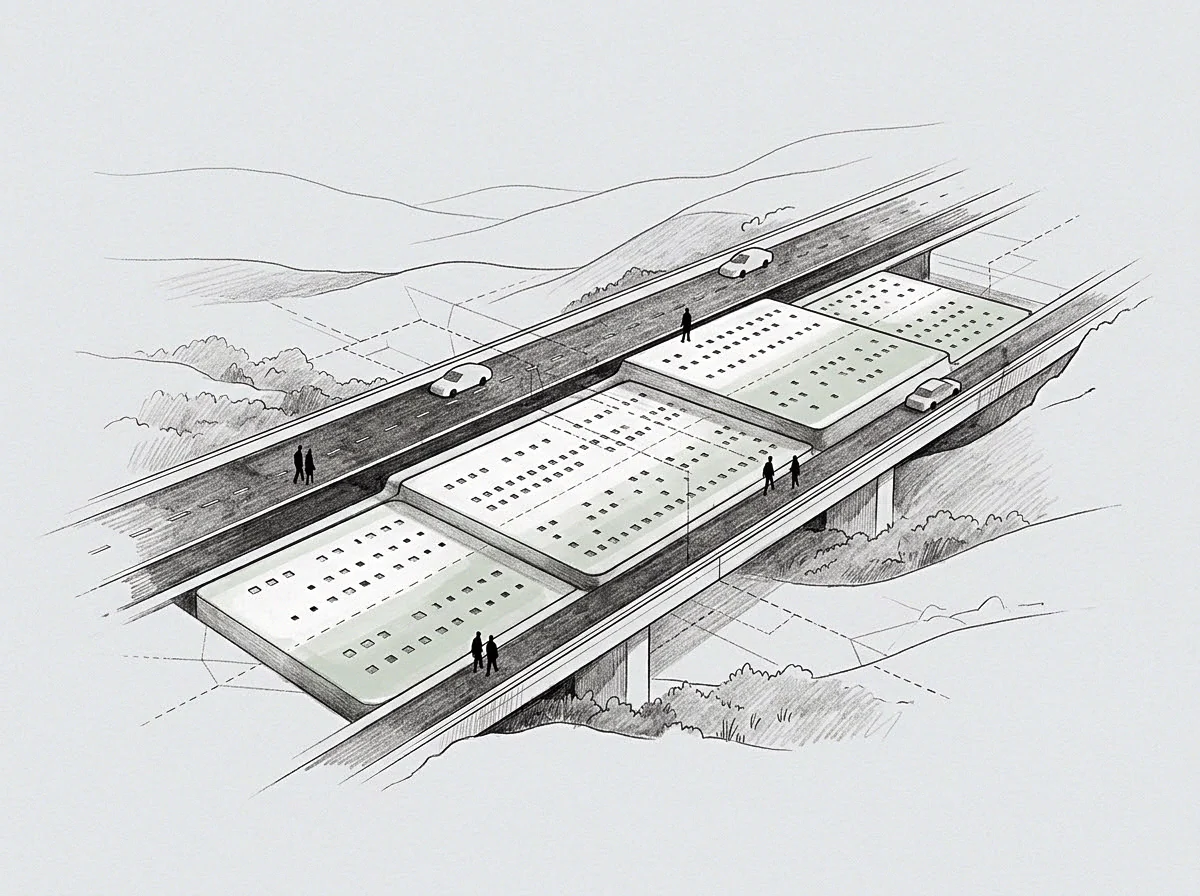
Executive system throttling selectively suppresses high-order cognitive processing to protect vital operational capacity under sustained physiological load.

Structural governance boundaries preserve executive working memory by restricting incoming operational escalations to codified, rule-governed thresholds.

Executive cognitive load escalates when ungated operational threads saturate working memory slots, forcing systemic throttling distinct from emotional fatigue.

Intellectual understanding fails to soothe autonomic threat because subcortical regulation requires repeated relational safety signals rather than cognitive insight.

Filtering operational pings through explicit quantitative thresholds preserves executive cognitive headroom while maintaining immediate enterprise visibility.

Social baseline theory demonstrates that human brains delegate threat regulation to trusted peers, lowering metabolic costs while increasing load on leaders.

Complex governance contracts consume executive working memory through state monitoring, reducing cognitive headroom available for operational execution.
Stated priority limits keep operational requests out of executive headroom by converting personal availability into explicit, system-enforced boundaries.

Chronic physiological saturation degrades prefrontal networks, causing compounding operational delays and strategic errors across dependent business units.
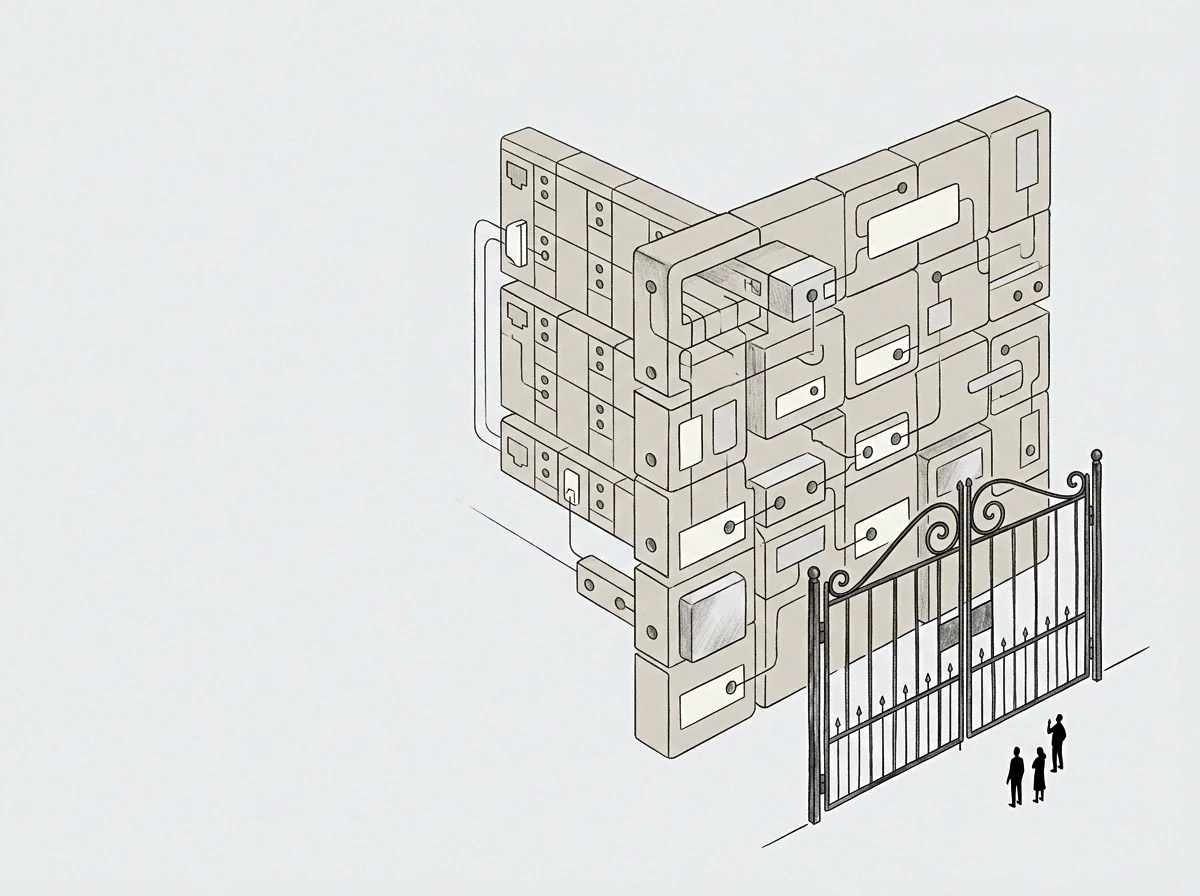
Physical proximity to a regulated partner lowers baseline autonomic threat expenditure by allowing the central nervous system to outsource environmental monitoring.

The human brain budgets threat and regulation assuming a reliable other is present, making solitary self-regulation the body's most expensive metabolic mode.
The terms are written where they belong. Each field holds three desks, and every entry a desk writes raises the terms it uses, each term given a meaning, a mechanism and the places it appears. The record on these pages stays first person and hand made; the fields grow the nomenclature.