

Structural Capacity Partitioning for Founders Under Operational Load
Capacity partitioning protects executive reserves under high operational load by replacing personal tolerance with mechanical boundaries and throttles.
Capacity partitioning protects executive reserves under high operational load by replacing personal tolerance with mechanical boundaries and throttles.

Latency boundaries in handover protocols restrict continuous communication pings during system deployments, reducing autonomic stress and context switching.

Internal working models update when repeated physical co-presence without operational demand lowers the metabolic cost of neural threat regulation.

Solitary self regulation increases metabolic threat costs, whereas proximity to a stable presence reallocates autonomic capacity toward execution.
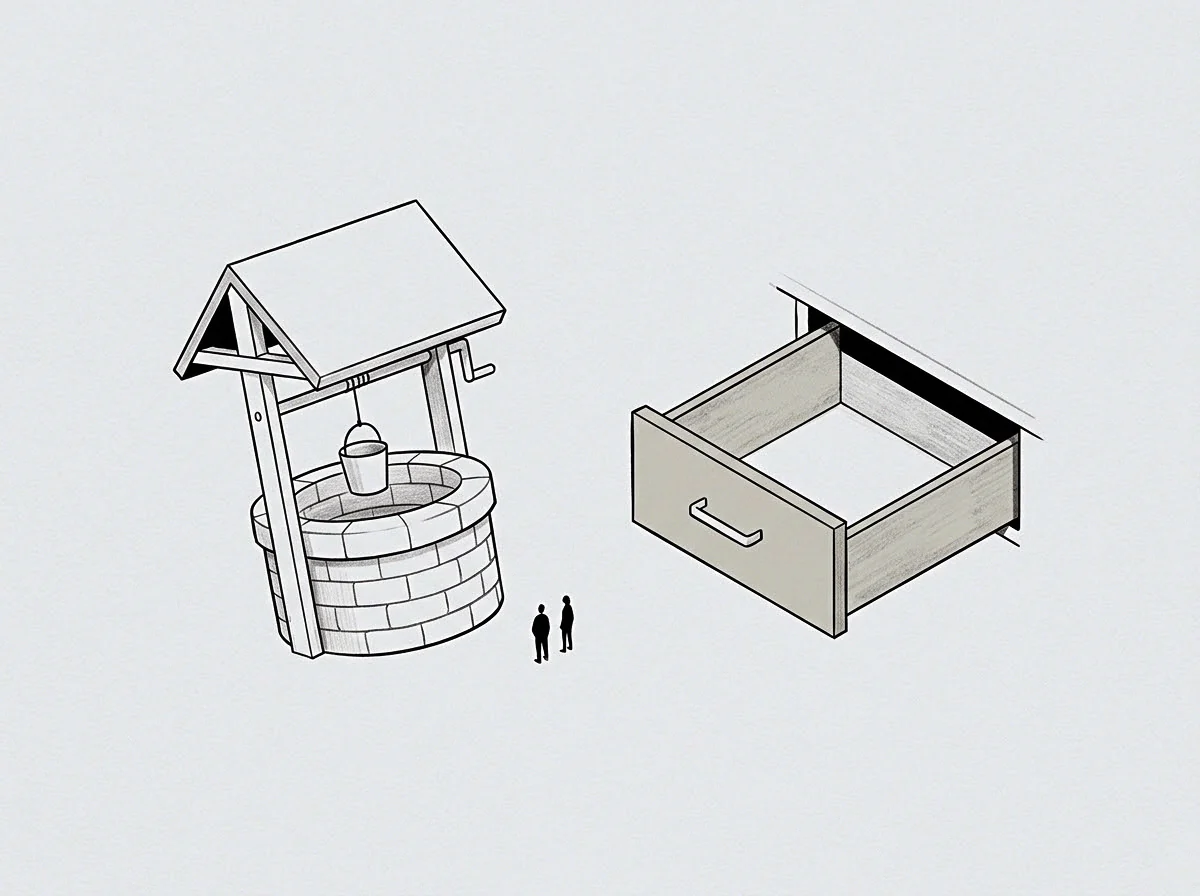
Explicit governance terms collapse into informal operational overload unless automated intake gates physically intercept and validate incoming work at the system boundary.
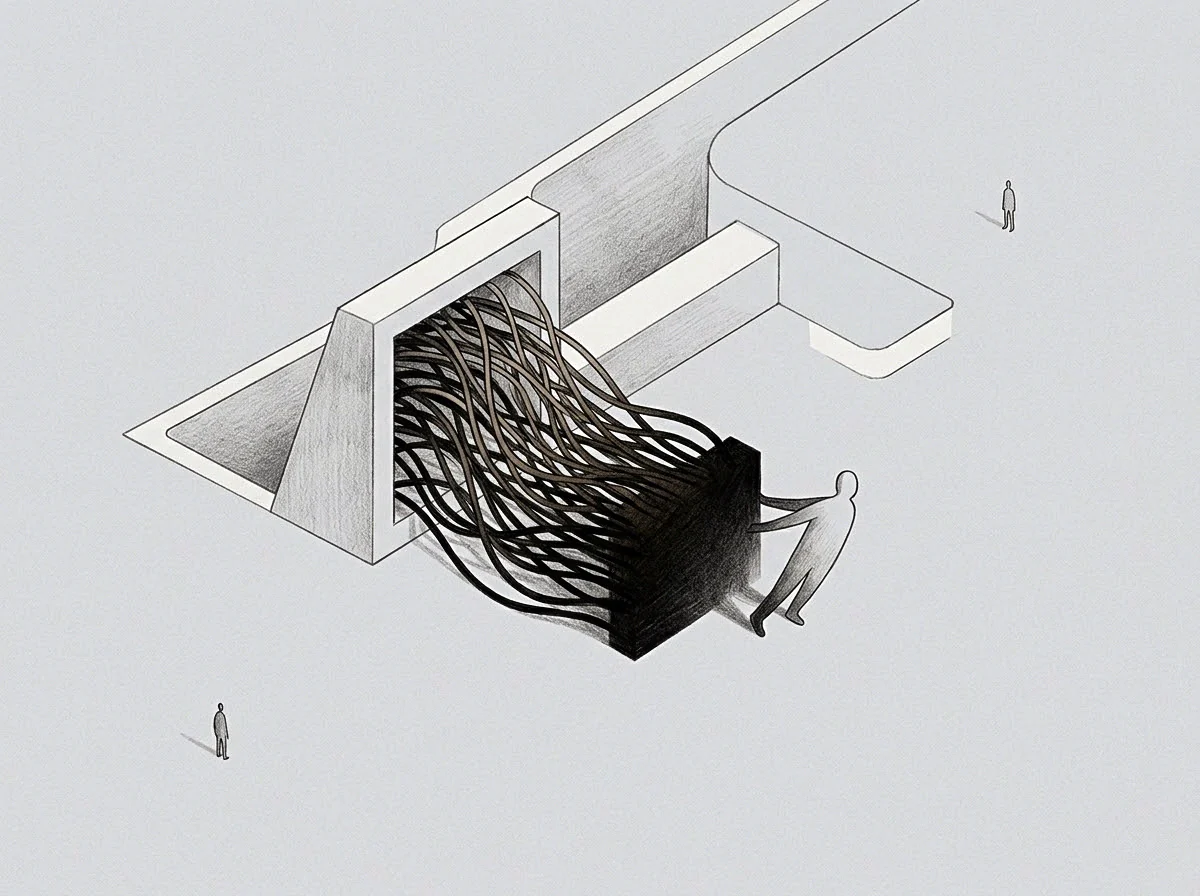
Sustained high command load suppresses nocturnal parasympathetic activation, blunting cardiac dipping metrics and causing chronic autonomic wear.

Extended operational leadership inverts the regulator template, causing external coregulation offers to register as cognitive load rather than physiological relief.
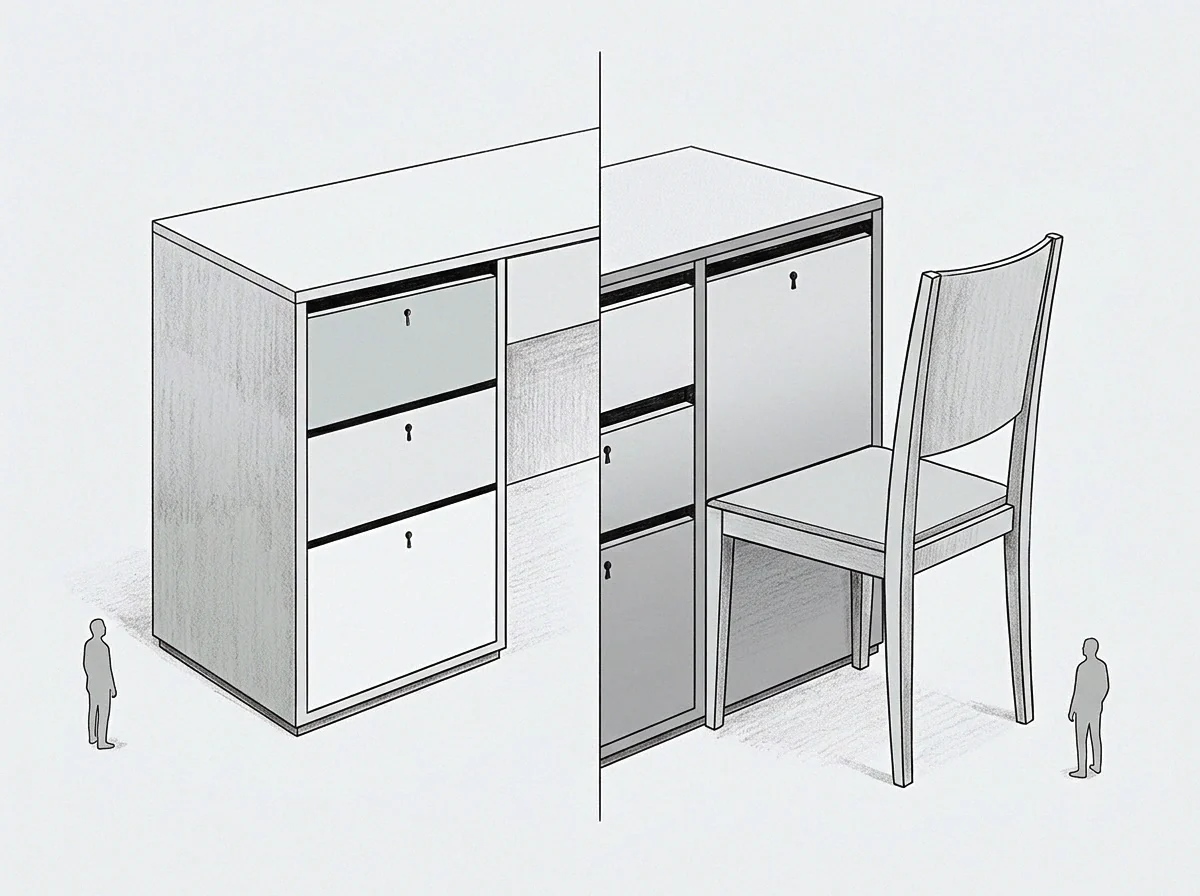
A stated structural limit transfers operational load to governance protocols, shielding executive capacity from continuous system pressure.
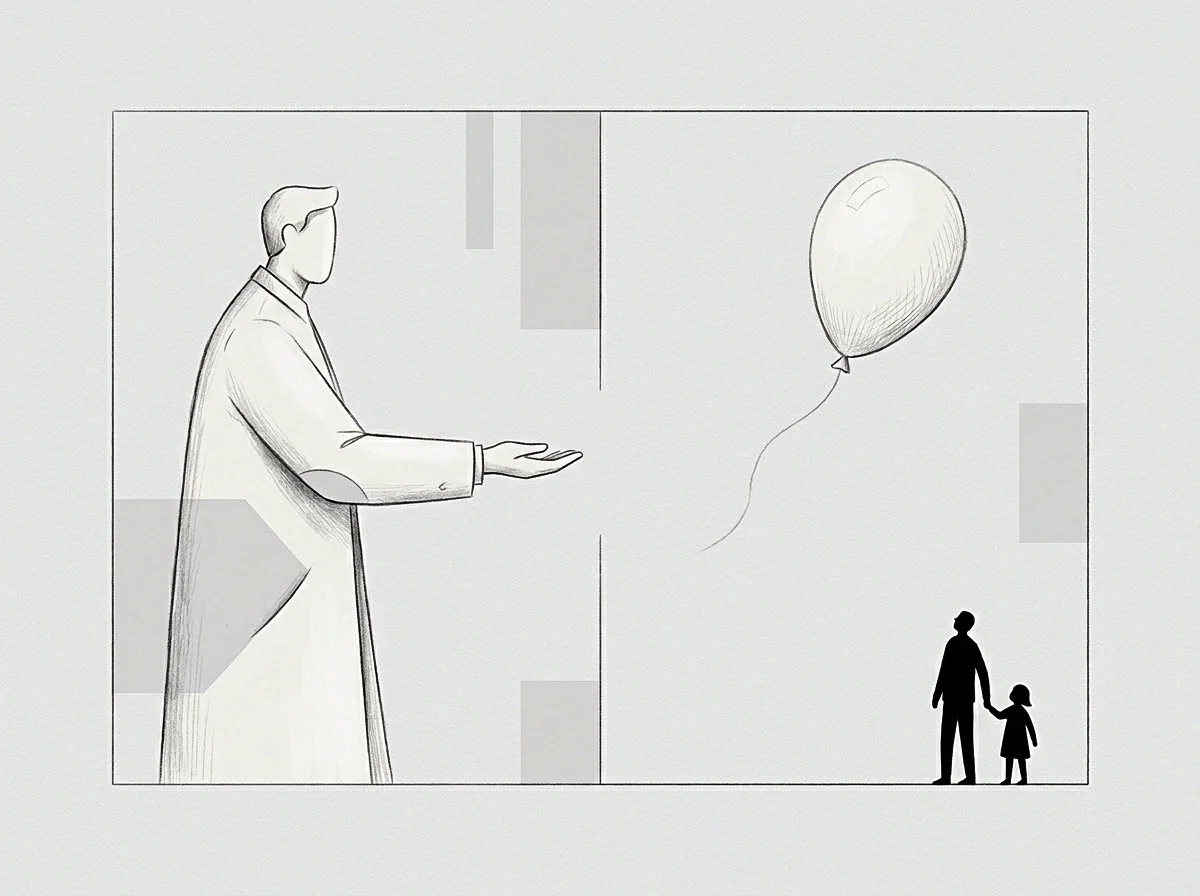
Repeated low-demand physical proximity reactivates the ventral vagal brake by lowering metabolic threat prediction and restoring autonomic baseline regulation.

The human brain budgets threat and regulation assuming a reliable other is present, making solitary self-regulation the body's most expensive metabolic mode.
The terms are written where they belong. Each field holds three desks, and every entry a desk writes raises the terms it uses, each term given a meaning, a mechanism and the places it appears. The record on these pages stays first person and hand made; the fields grow the nomenclature.