
Extracting Reusable Architectural Primitives From Abandoned Engineering Prototypes Without Disruption
Extracting architectural primitives involves decoupling pure deterministic algorithms from prototype scaffolding and verifying them through shadow telemetry.

Strut
Abandonment of software engineering projects rarely stems from flawed core algorithmic logic. Prototypes stop receiving investment when commercial assumptions fail, user acquisition stalls, or organizational priorities realign. The repository sits inactive while containing isolated routines that solved genuine technical friction: state synchronization logic, binary serialization schemas, low-latency tree traversal functions, or deterministic buffer flushing routines.
Unpacking these assets involves separating essential mathematical or systemic mechanisms from surrounding scaffolding. Prototypes carry latent value.

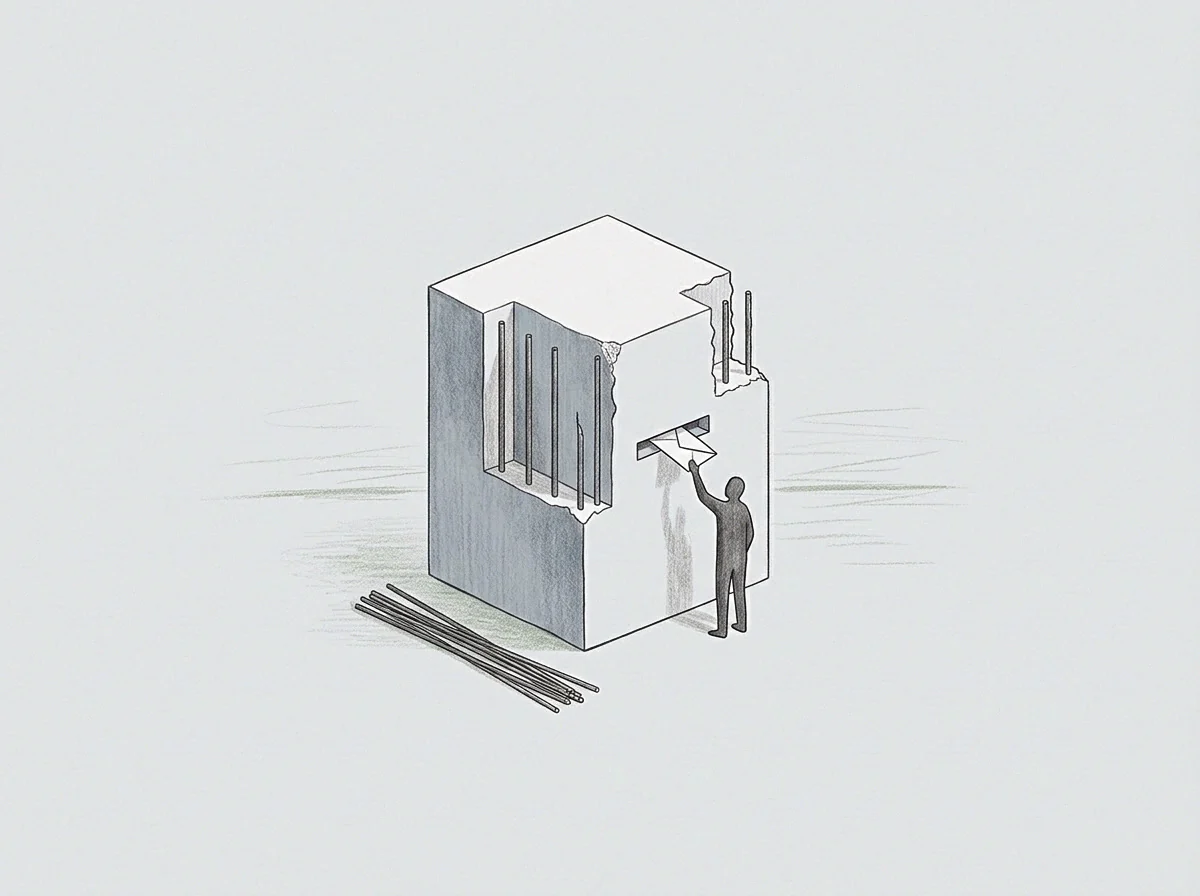
Structural Isolation of Embedded Core Logic
Development teams under delivery pressure weld core domain logic directly to transient context. A custom memory allocator connects to mock network calls; an optimized graph evaluation engine relies on hardcoded configuration files written for a dead database schema. When the prototype dies, the underlying algorithm disappears along with the failed product layer.
Reclaiming that work starts with mapping where pure deterministic data transformations end and environment-specific dependencies begin. Dependencies hide state mechanisms.
A pure transformation isolated from external dependencies processes deterministic inputs into predictable outputs regardless of caller context.
Extracted logic functions best when written as an isolated mathematical transform. Input parameters enter through plain data structures without knowledge of global runtime state, environment flags, or active network connections. Where prototype code relies on ambient singletons or framework level dependency injection containers, those ties get severed.
The functional kernel moves into clean namespaces where dependencies enter explicitly through method signatures. Pure routines return predictable outputs.
Identifying Latent State Machines in Discarded Repositories
State management in dead prototypes frequently holds high value. Engineers building rapid experiments often spend weeks mapping complex lifecycle transitions, error recovery paths, and concurrent race condition mitigations. Even when the wrapping product failed, the internal state engine remains valid.
Audit passes look past broken user interfaces and examine deterministic event loops, ring buffers, and transaction rollback mechanics. Left unisolated in forgotten branches, these mechanisms decay under dependency drift until runtime changes render them unexecutable.

Filter
Sifting prototype code demands cold evaluation criteria. Not every routine written during an experimental phase warrants extraction. Code written under tight deadlines often contains implicit assumptions about thread safety, stack allocations, and memory lifecycles that fail when placed in production environments.
Evaluation proceeds by auditing input boundary constraints, state mutation scope, and external dependency footprints. Selection requires cold evaluation.

Decoupling Operational Debt From Algorithmic Value
Prototype logic carries operational debt: unhandled edge cases, omitted lock releases, direct system calls, and incomplete error handling branches. Distinguishing algorithmic value from debt involves tracing data flows through every branch. High-value primitives exhibit low context awareness and high algorithmic density.
Low-value prototypes exhibit wide environmental awareness and sparse logic spread across multiple handler objects. Debt obscures core algorithms.
| Primitive Type | Coupling Level | Extraction Complexity | Production Risk |
|---|---|---|---|
| Deterministic State Engine | Low | Low | Low |
| Custom Serialization Schema | Low | Medium | Low |
| Async Queue Handler | Medium | Medium | Medium |
| Environment Specific Service | High | High | High |
| Primitives with low coupling and deterministic outputs yield the highest stability when ported. | |||
Code extraction fails when teams attempt to salvage broken architecture alongside clean logic. Salvaging entire class hierarchies or database schemas imports the exact design flaws that caused prototype fragility. Brittle code imports fragility.
Extraction focuses exclusively on self-contained functions, pure data structures, and isolated protocol handlers, changing brittle legacy imports into stable binary primitives.

Boundary
Encapsulation isolates ported primitives from host system volatility. Porting code directly into active service packages creates hidden dependencies and fragile touchpoints. Creating explicit encapsulation layers around extracted logic guarantees that internal changes within the primitive do not destabilize the surrounding application architecture.
Encapsulation prevents runtime leakage.

Interface Abstraction and Anti Corruption Layers
An anti corruption layer maps incoming production calls to the internal structures of the extracted primitive. Production services interact strictly through stable interface definitions, remaining oblivious to original prototype data models or legacy naming conventions. This separation permits continuous refinement of the extracted logic without forcing updates across consuming call sites.
Interfaces seal internal state.
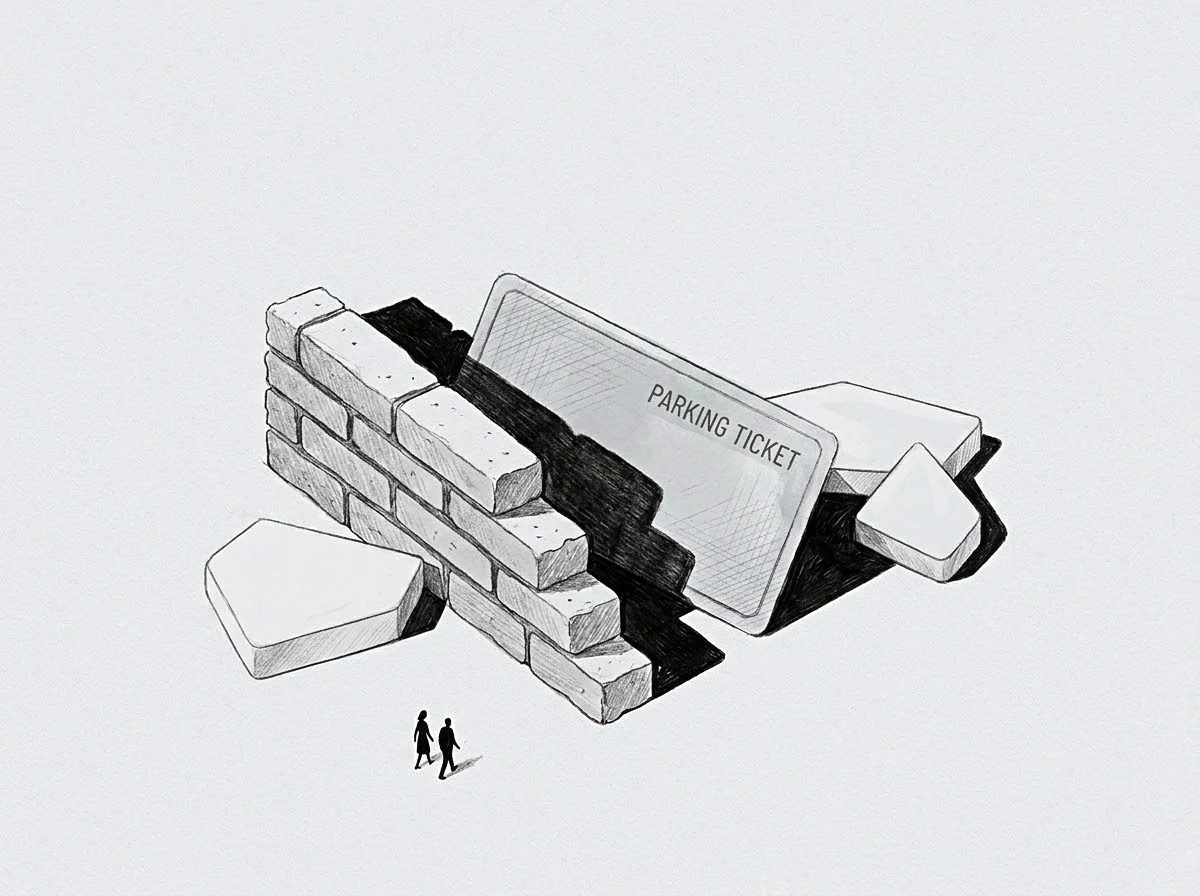
Why Extracted Logic Demands Standalone Interfaces?
Stand-alone interfaces prevent subtle runtime leakages. Prototype primitives often assume specific runtime environments, single-threaded execution, or unbounded memory usage. Encapsulating the logic behind strict contracts allows host applications to enforce concurrency controls, timeouts, and allocation limits before control enters the extracted path.
- Contract Sealing defines clear data contracts that strip out legacy domain fields before execution.
- Dependency Pruning eliminates external library imports by replacing helper utilities with standard language primitives.
- State Decoupling converts shared global variables into explicit parameter inputs passed during invocation.
- Invocation Mapping standardizes error returns so prototype panics convert into predictable host application exceptions.
Defensive boundary interfaces prevent internal execution failures inside ported code from cascading into host application panics.
Decoupled interfaces simplify unit testing. When primitives depend only on explicit interfaces, test suites execute thousands of permutation cycles in milliseconds without spawning external databases or mocking complex network stacks. The consuming team asks only for a stable interface signature that promises predictable execution without unexpected dependency leaks.

Rig
Verification of salvaged logic occurs without exposing production traffic to regression risks. Deploying untested prototype routines directly to live services invites unexpected latency spikes, memory leaks, and concurrency deadlocks. Testing systems validate candidate code through shadow execution pipelines and differential analysis against existing baseline logic.
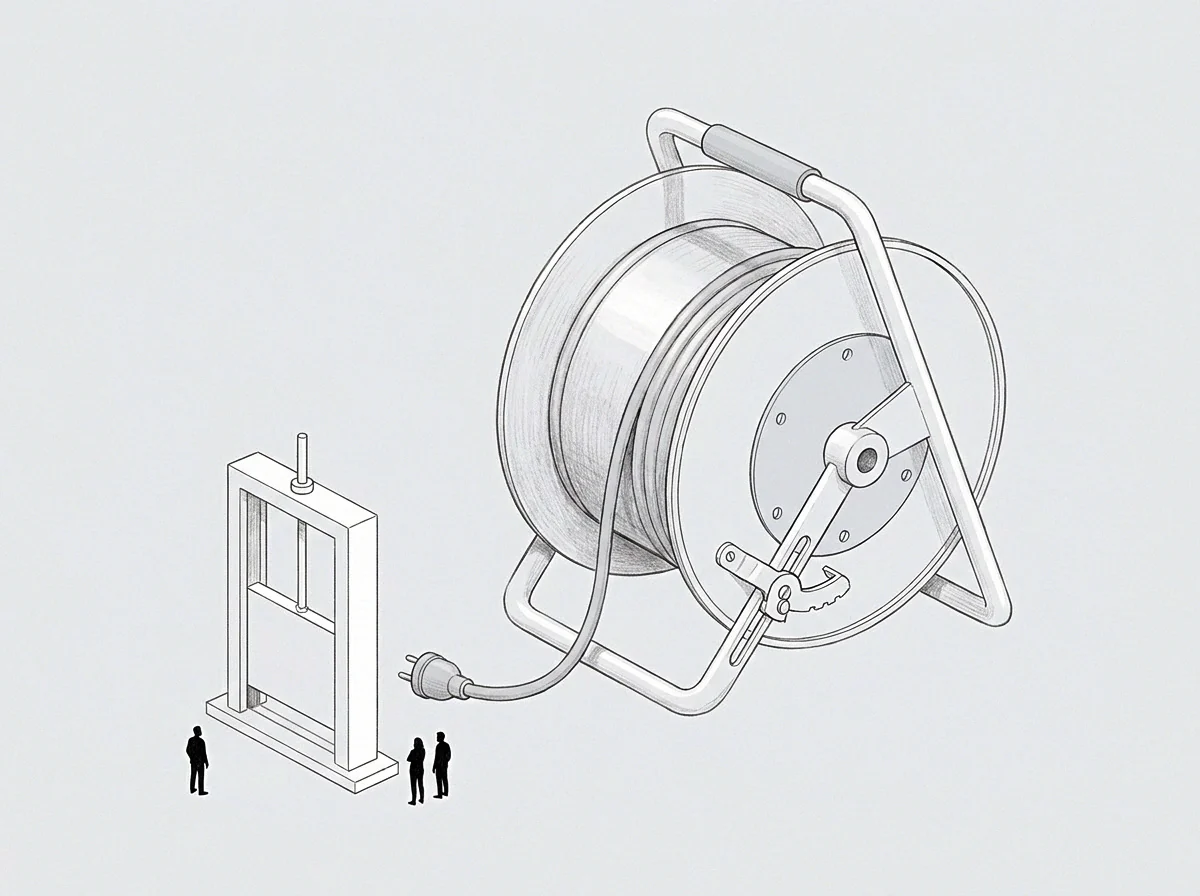
Shadow Execution and Differential Telemetry Verification
Shadow execution routes live production payloads through both active legacy systems and the newly extracted primitive simultaneously. The extracted code executes asynchronously, processing real-world inputs while its outputs are captured, compared, and discarded without affecting response streams returned to clients. Shadow worker pools isolate execution.
Shadow pipelines reveal subtle edge case failures under real traffic patterns without risking operational availability.
Consider a practical engineering scenario involving a high-throughput event processing platform handling fifty thousand concurrent socket streams. The engineering team seeks to replace an inefficient serial JSON parser with a fast binary protocol engine extracted from an abandoned real-time gaming prototype built two years prior. Direct replacement carries severe risks: any memory leak or thread deadlock under peak load causes immediate service degradation.
The integration architecture places the extracted binary protocol engine inside a shadow worker pool. The active network router duplicates incoming byte arrays, passing one copy to the production parser and a second copy to the shadow worker via a non-blocking ring buffer. Both engines process the payload, logging output hashes, processing duration, and peak memory allocations to a metrics buffer.
Telemetry validates output hashes.
Over a seven-day observation period processing three billion production events, differential analysis identifies four distinct edge cases where the prototype engine threw unhandled array bounds exceptions when encountering truncated packets. Because execution occurred within the isolated shadow pool, client latency remained unaffected while developers patched the zero-byte boundary handling logic directly in the extracted repository.
Memory profile comparison during the shadow run demonstrated a sixty percent reduction in heap allocations alongside a forty percent drop in CPU cycle consumption compared to legacy code paths. Once differential logs confirm identical output hashes across ten million consecutive invocations without unexpected panics or allocation spikes, traffic switching proceeds with verified confidence. What remains unverified is whether hidden memory fragmentation might surface only after weeks of continuous uptime under sustained peak load.

Transit
Integrating ported primitives into active production paths relies on controlled, reversible deployment steps. Abrupt binary swaps invite unmonitored failure states. Gradual cutover patterns combined with dynamic runtime flags ensure operational teams retain instantaneous rollback capabilities during migration windows.
Dynamic switches grant instant rollback.

Phased Integration and Memory Allocation Safety
Phased cutovers start by enabling extracted primitives for zero-impact background jobs or low-priority internal endpoints. Metric monitoring tracks latency percentiles, garbage collection pause durations, and thread contention rates. Payload volume increases gradually as telemetry confirms baseline stability under fluctuating load conditions.
Dynamic feature flags grant instantaneous operational rollback capabilities during live cutover phases.
The execution path follows a disciplined sequence to eliminate operational risk during integration:
- Deploy extracted primitives wrapped inside dynamic feature flag branches configured default off across all production instances.
- Enable processing for internal test accounts to verify binary behavior in live runtime environments without client exposure.
- Ramp traffic distribution incrementally from one percent to ten percent while auditing exception logs and garbage collector metrics.
- Expand allocation to one hundred percent once telemetry proves parity across all regional clusters.
- Remove legacy execution paths and feature flag wrappers from the codebase in the subsequent release cycle.
Completing the migration involves purging obsolete prototype artifacts from build pipelines. Stale feature flags and legacy fallback paths left in code bases increase cognitive burden and introduce dead execution paths. Clean codebase maintenance ensures salvaged primitives operate as permanent architectural components.
Deletion completes code migration. A migration finishes only when legacy fallbacks are fully deleted and codebases retain no trace of the abandoned origin.