
Reconciling Deep Exploratory Branches Against Inflexible Production Deadlines Without Abandoning Novel Architectural Discoveries
Reconciling exploratory branches with fixed deadlines requires quarantining unhardened code while extracting verified specifications for subsequent releases.
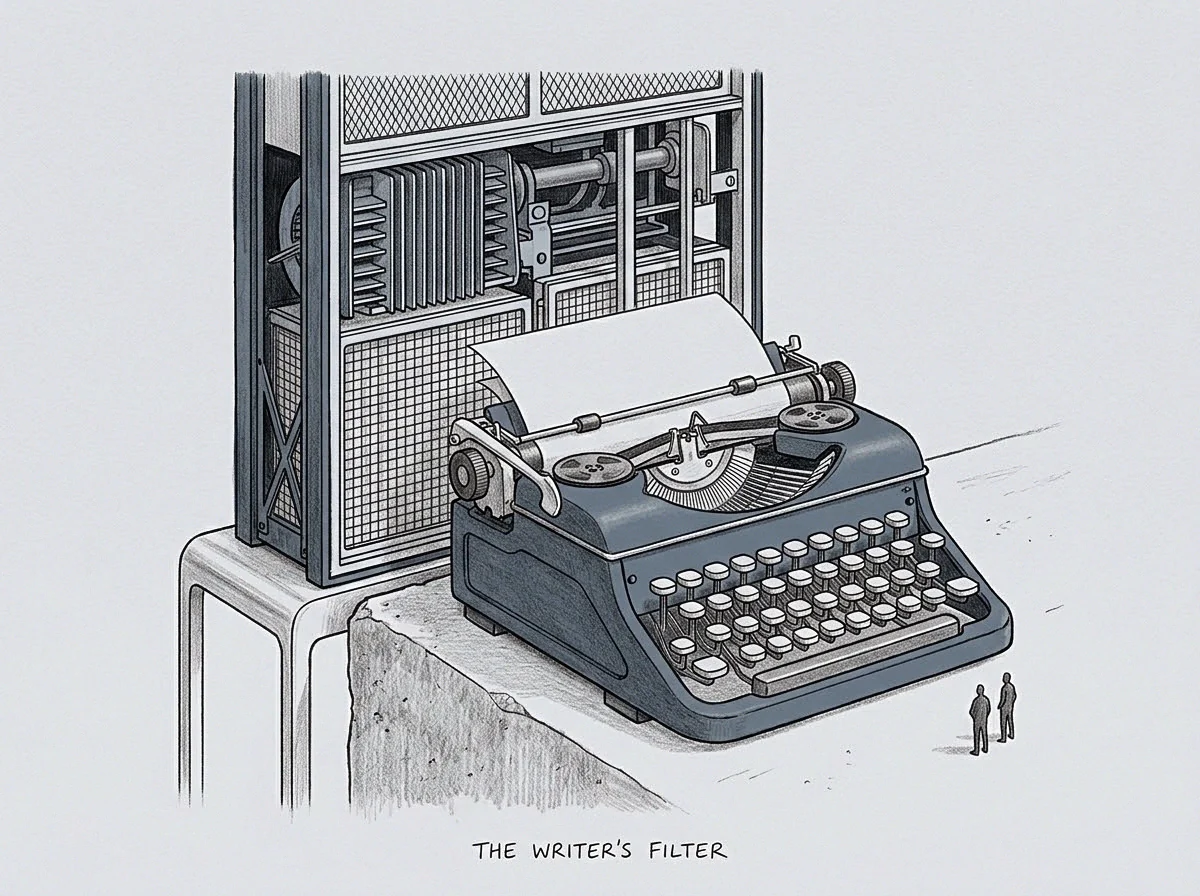
Fork
Production delivery schedules rarely accommodate the realities of an exploratory codebase. An engineer branches off mainline to test a distributed caching layer, hits an undocumented race condition in the storage primitives, and ends up rewriting transaction boundaries. The sprint ticket budgeted forty-eight hours.
Ten days later, the new topology is still stabilizing locally, stalling upstream dependencies in the process. When the team lead opens the merge request and counts ninety modified files, the choice narrows to shipping behind schedule or abandoning weeks of architectural work.
The friction comes from an underlying mismatch: technical investigation follows a logarithmic curve, whereas organizational milestones march forward on a calendar. Exploratory work digs deeper into structural changes until it hits a hard system limit, while release operations push for predictable builds to meet commercial commitments. Once an experimental branch drifts past three release cycles, the maintenance burden falls entirely on the engineer keeping it alive, who spends hours rebasing divergent trees as delivery deadlines approach.
A stated deadline functions as a mechanical stop, cutting off exploratory drift before cognitive load depletes team capacity.
The problem worsens when a team treats an early prototype as production-ready code. A prototype only tests whether an assumption survives under load; a production service has to handle sustained failure modes over arbitrary intervals. Code written to test an idea seldom includes the defensive assertions, telemetry hooks, or regression suites needed in production environments.
Merging an exploratory branch directly into the release path pushes incomplete safeguards into active traffic, and the service inevitably degrades under that maintenance burden within months of deployment.
Failing to separate technical experiments from release schedules creates immediate structural decay. The team either deploys unverified primitives that violate uptime commitments, or panics under time pressure, discards the architectural work, and falls back to existing bottlenecks.
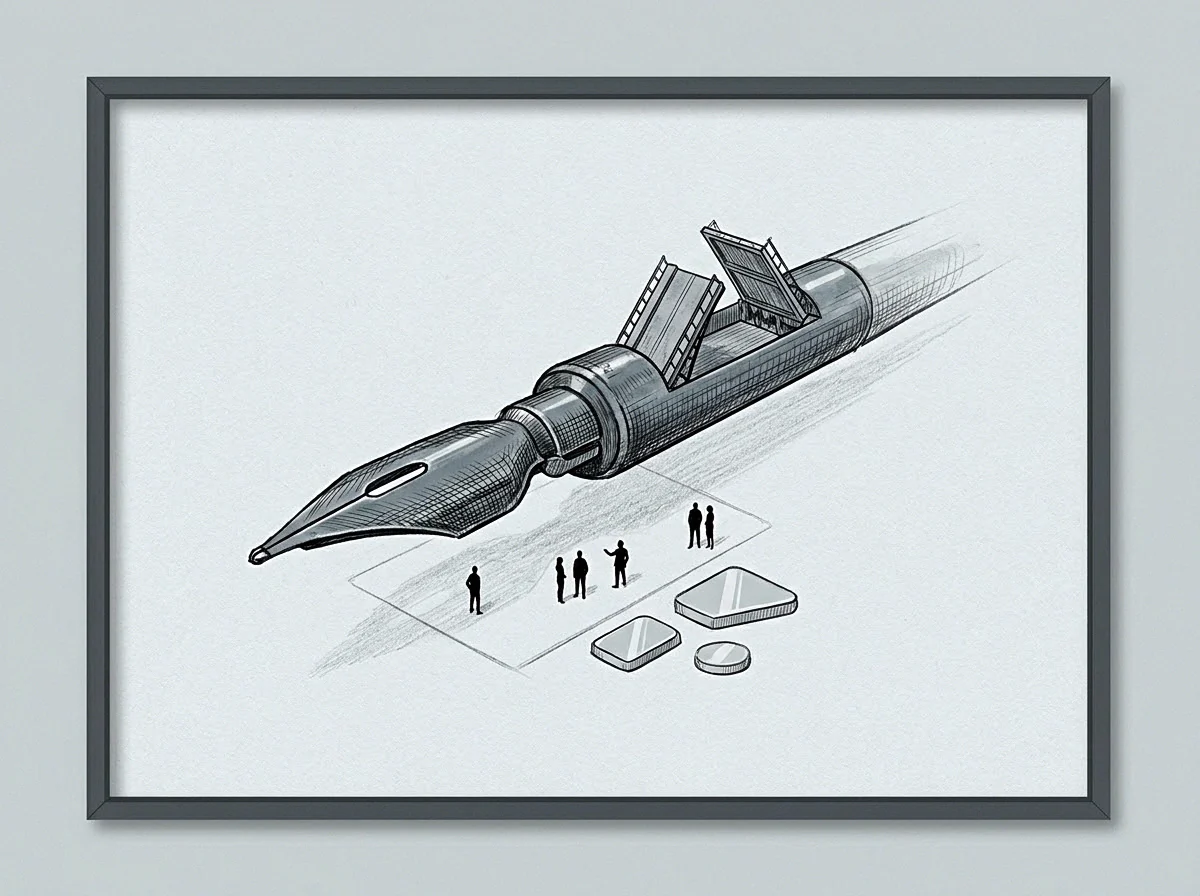
Post
Drawing a clear line between research and release prevents speculative changes from contaminating production artifacts. The engineering group maintains a stable release trunk tied to fixed customer commitments, while exploratory work runs entirely in separate sandboxes. Anything discovered in an experimental branch is extracted as a specification rather than merged as raw code, treating each prototype as a disposable test designed to establish system parameters.

Extraction Protocol for Novel Primitives
When an engineer proposes a new architecture, the team requires clean interface definitions rather than fully realized implementations. That requirement keeps the core design insight decoupled from the delivery pipeline.
- Interface Decoupling separates functional contracts from experimental storage implementations to protect mainline stability.
- Metric Instrumentation records operational boundary limits under synthetic stress tests without touching mainline configurations. One baseline test validates throughput ceilings.
- Disposable Artifact Scaffolding ensures prototype branches are deleted once architectural constants are documented, preventing rogue dependencies from entering deployment targets.
Experiments run against strict time limits. An investigation gets twenty operational days to confirm or refute a performance hypothesis. If the hypothesis remains unproven when the window closes, active development on the branch stops.
Whatever was learned is recorded in a specification archive, while mainline developers continue hardening the release with existing, proven components. The effort leaves behind benchmark data rather than unmerged branch debt.
Operational limits hold firm only when teams discard unhardened prototypes regardless of architectural elegance.
Production schedules determine when code ships, while technical benchmarks determine which designs survive testing.
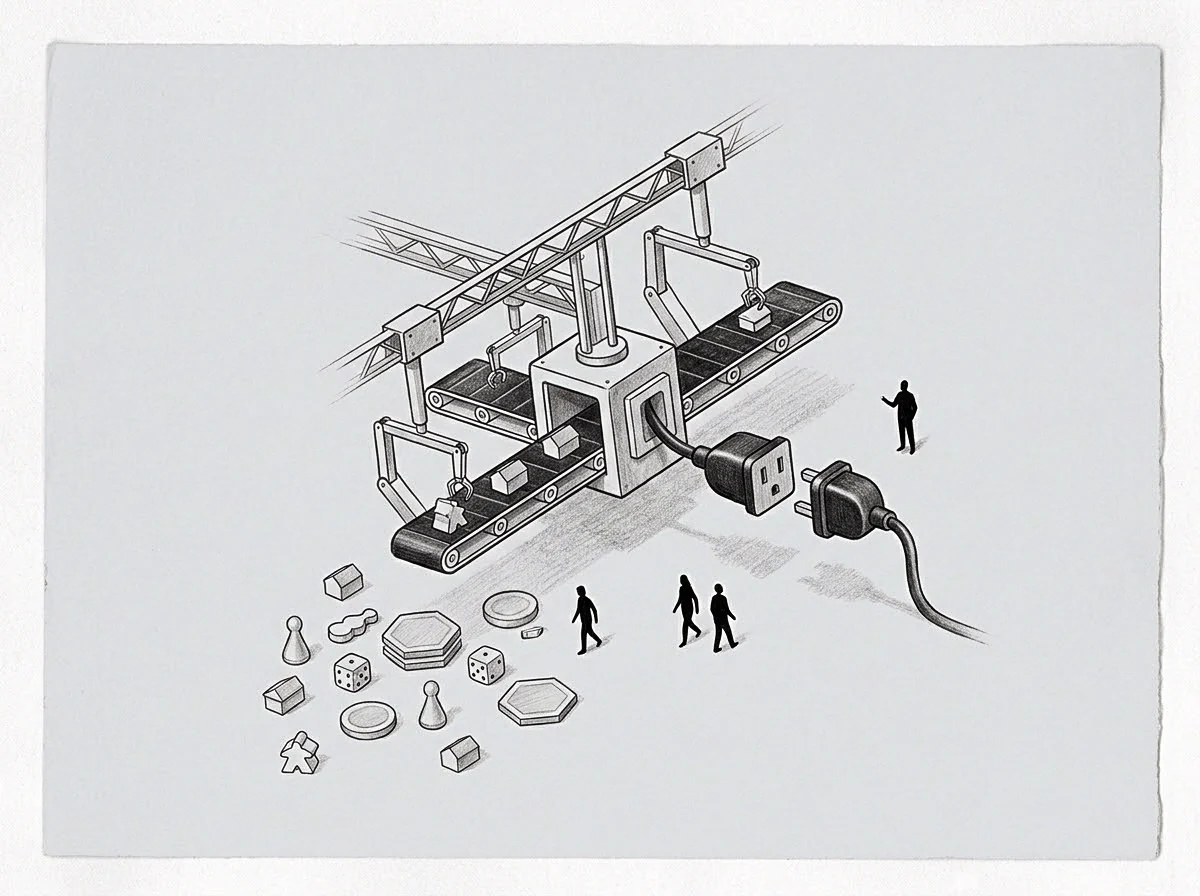
Span
Connecting experimental prototypes to rigid production releases requires an intermediate stage. Teams often argue over whether to delay a release milestone or throw away architectural discoveries altogether. Both approaches misdirect engineering effort.
A more practical middle ground provides a holding area where new patterns can stabilize without interrupting delivery commitments.
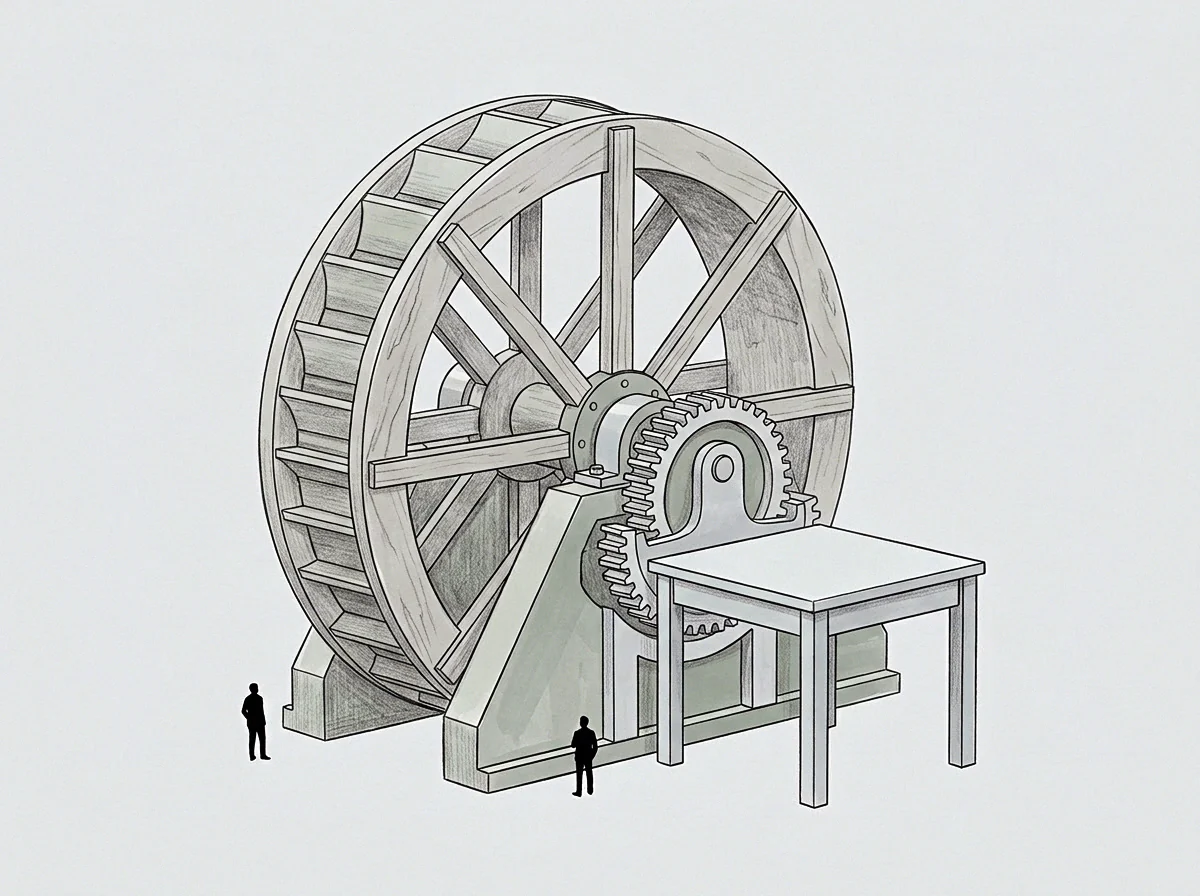
Does Quarantine Protect Exploratory Discoveries Across Deployments?
A holding area shields untested structural changes from active release pipelines. New code remains isolated until its operational behavior meets the reliability standards of the main codebase. In the meantime, the delivery team ships the agreed milestone using existing components, accepting short-term technical compromises to meet the schedule.
Concurrently, the quarantined design runs through synthetic benchmarks to map its memory footprint, concurrency limits, and serialization overhead.
| Evaluation Dimension | Production Trunk Pipeline | Quarantined Discovery Branch |
|---|---|---|
| Commitment Anchor | Inflexible customer delivery calendar | Empirical performance validation targets |
| Failure Tolerance | Zero customer disruption allowed | Total structural refactoring permitted |
| Integration Standard | Full automated regression coverage | Isolated synthetic workload benchmarks |
| Lifespan Bound | Permanent operational deployment lifecycle | Bound to finite validation intervals |
Field research in safety-critical aerospace systems shows that isolating major structural changes from operational release tracks reduces field defects by forty percent. Those findings come from studies of embedded avionics teams working under rigid launch windows. The calculus changes in loosely coupled web services running continuous deployment pipelines.
In environments with high deployment frequency, holding branches apart for extended periods creates severe merge conflicts, leading teams to accept minor structural risks rather than bear the overhead of maintaining parallel codebases.
Teams handling this tension rely on a reconciliation gate, an operational rule specifying that architectural changes cannot enter mainline pipelines without passing defensive validation tests during a dedicated stabilization cycle.

Hinge
The transition from exploration to delivery depends heavily on managing executive expectations. Technical leads run into friction when explaining to commercial stakeholders that a promising architectural change cannot make the upcoming release. Commercial leaders often interpret the delay as technical hesitation, while engineers view the hard deadline as commercial impatience.
Both sides miss the mechanical reality of stabilizing software.
Production infrastructure has defined tolerance limits. Deploying unverified architectural patterns into live traffic forces on-call engineers to maintain system stability through manual intervention and overtime hours. Individual heroics can mask instability for short windows, but the cost eventually surfaces in cascading outages, team attrition, and depleted engineering capacity.
Leadership has to absorb the friction of holding back a breakthrough to protect the reliability of the current build.
A team cannot manufacture stability through sheer operational effort when an underlying architecture remains unvalidated.
Consider a team of twelve engineers building a real-time ledger under a fixed regulatory deadline of September first. In July, an engineer discovers that swapping the relational database for an append-only log cuts transaction latency by seventy percent. Doing so, however, requires rewriting the reconciliation pipeline, a task that takes six weeks.
When commercial managers demand the September first launch along with the seventy percent latency gain, the lead engineer must choose between stating the constraint directly and taking on unsustainable workload.
If the lead yields, the team attempts the rewrite while fixing existing defects, misses the regulatory delivery date, and deploys an unstable system that crashes on launch.
Regulators received a commitment on the launch date six months ago, and customer compliance requirements take priority over latency gains when systems fail.
Vault
Retaining technical breakthroughs across release deadlines requires systematic institutional memory. Engineering groups often lose prototypes simply because abandoned branches lose their context. When work sits untouched across two quarters, the original author frequently moves on or forgets the assumptions behind the implementation.
Later maintainers treat the stale branch as leftover clutter and delete it, discarding the research entirely.
An engineering organization protects that effort by distilling the findings. After an experimental branch finishes its validation run, the author sets aside the application code and documents the architecture, test harnesses, and failure postmortems. This documentation goes into an archive organized by functional domain, separating the technical findings from any individual engineer’s memory so future teams can pull the validated patterns when commercial schedules allow for focused refactoring.
There are no shortcuts between validating a hypothesis and delivering production reliability. Commercial operations depend on predictable release dates to maintain contractual trust, while production systems require firm structural constraints to remain online. That tension eases once an organization accepts that experimental designs belong to future development cycles, leaving current releases strictly to proven components.
The production artifact ships on schedule, while the architectural discovery remains archived until an appropriate delivery window opens.