Meaning
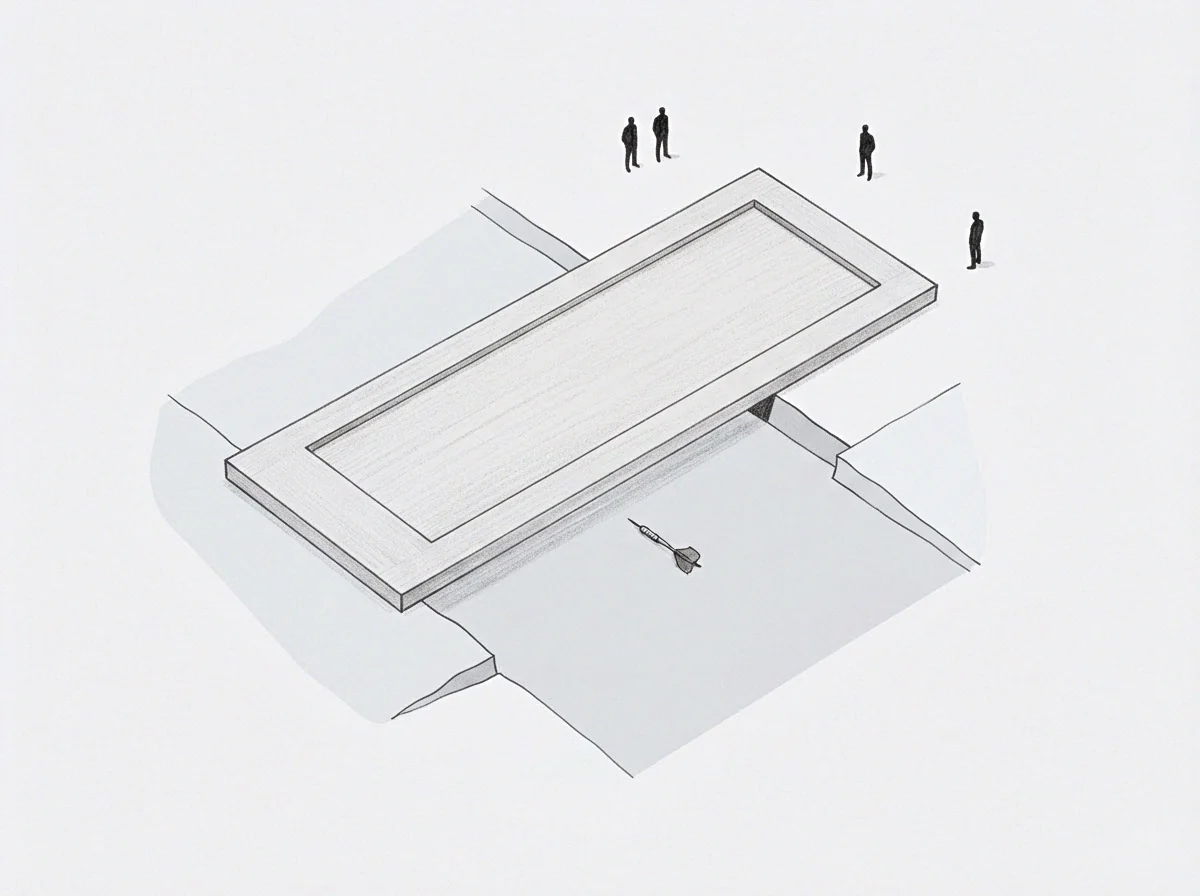
Social dislocation occurs when an individual’s unique role within an organization separates them from peer networks and support systems. This state of structural isolation is a common experience for startup founders, who occupy a position where they cannot share their deepest anxieties with employees, board members, or investors. The resulting lack of transparent feedback loops leads to a sense of profound loneliness and increases the risk of executive burnout, leaving the leader to navigate complex emotional challenges entirely on their own.
Communication Barrier
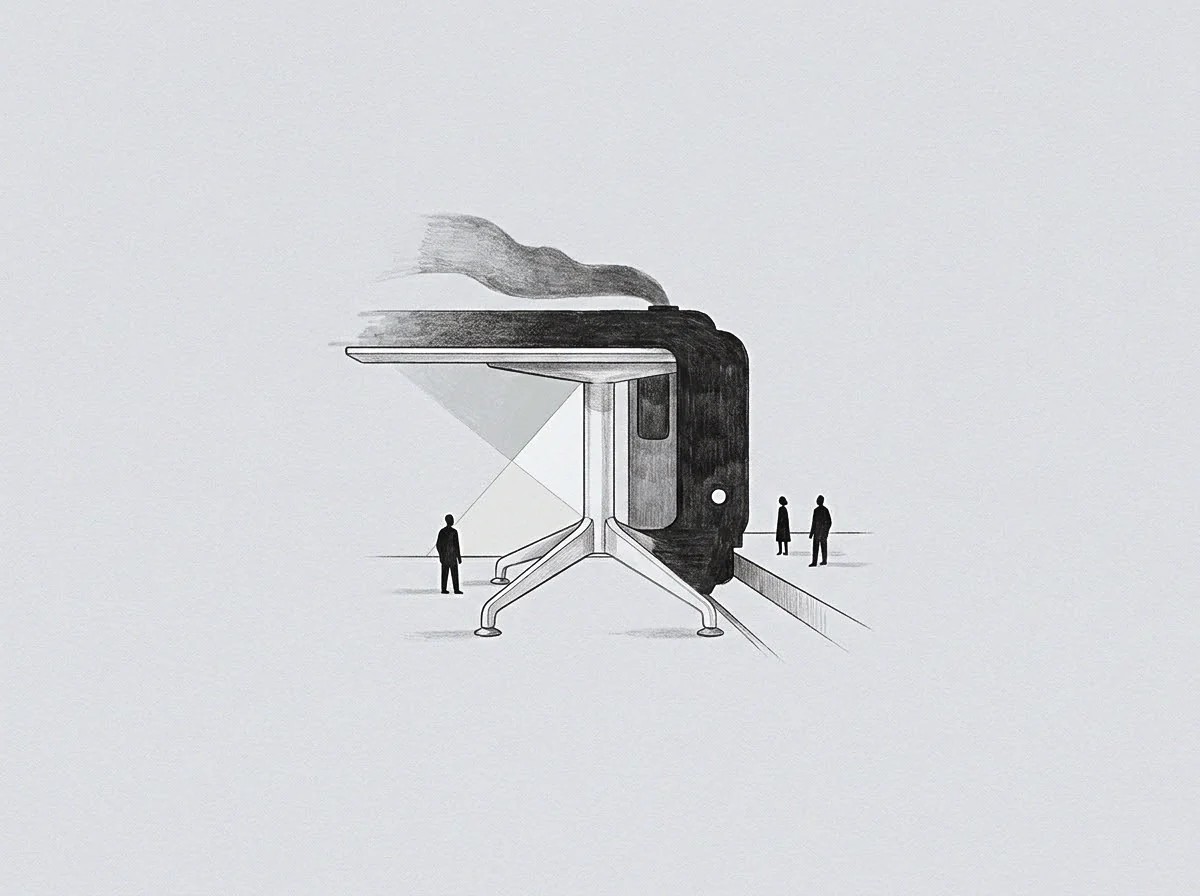
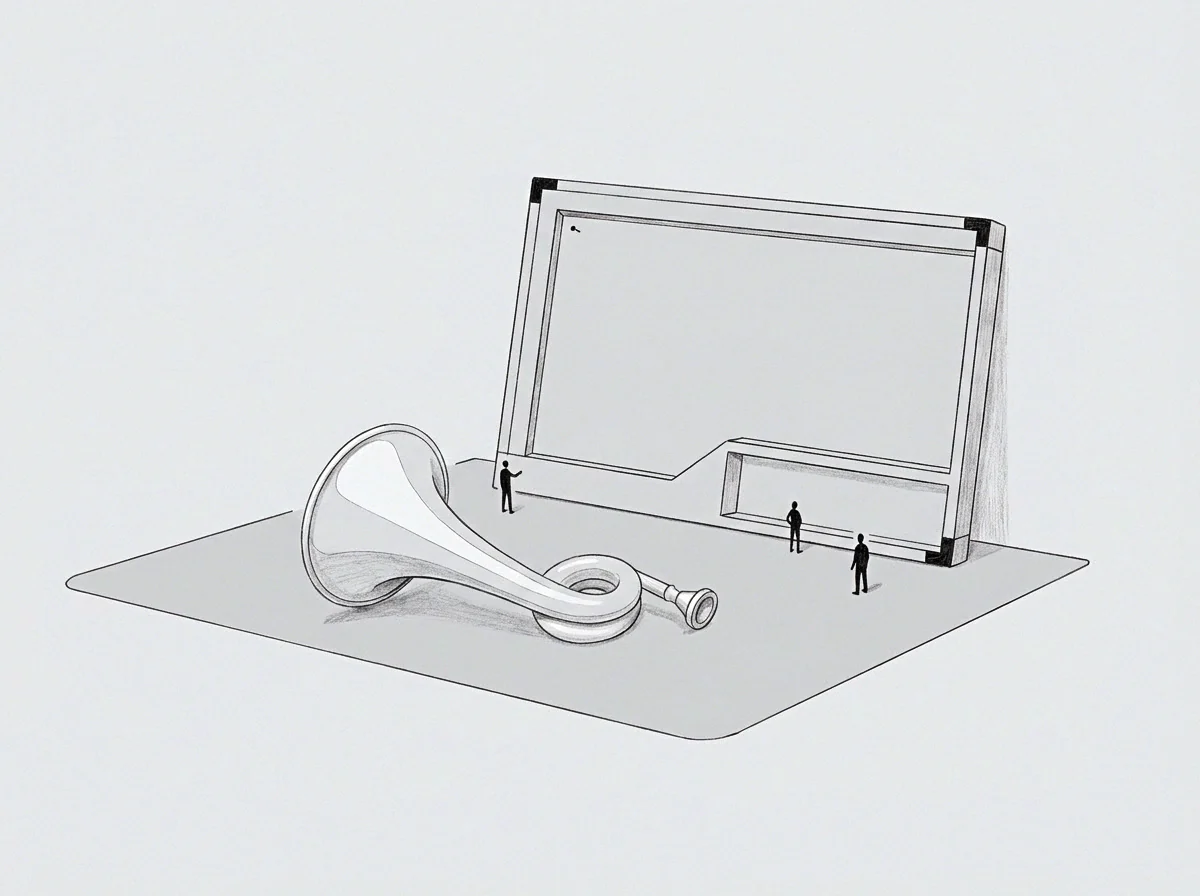
Information asymmetric flows prevent the natural venting of operational anxiety. Because the founder sits at the top of the reporting hierarchy, structural isolation forces them to filter all communications to maintain team confidence. They must present a front of absolute certainty to the team, which blocks the authentic interpersonal connections that normally act as a natural stress buffer.
Psychological Load
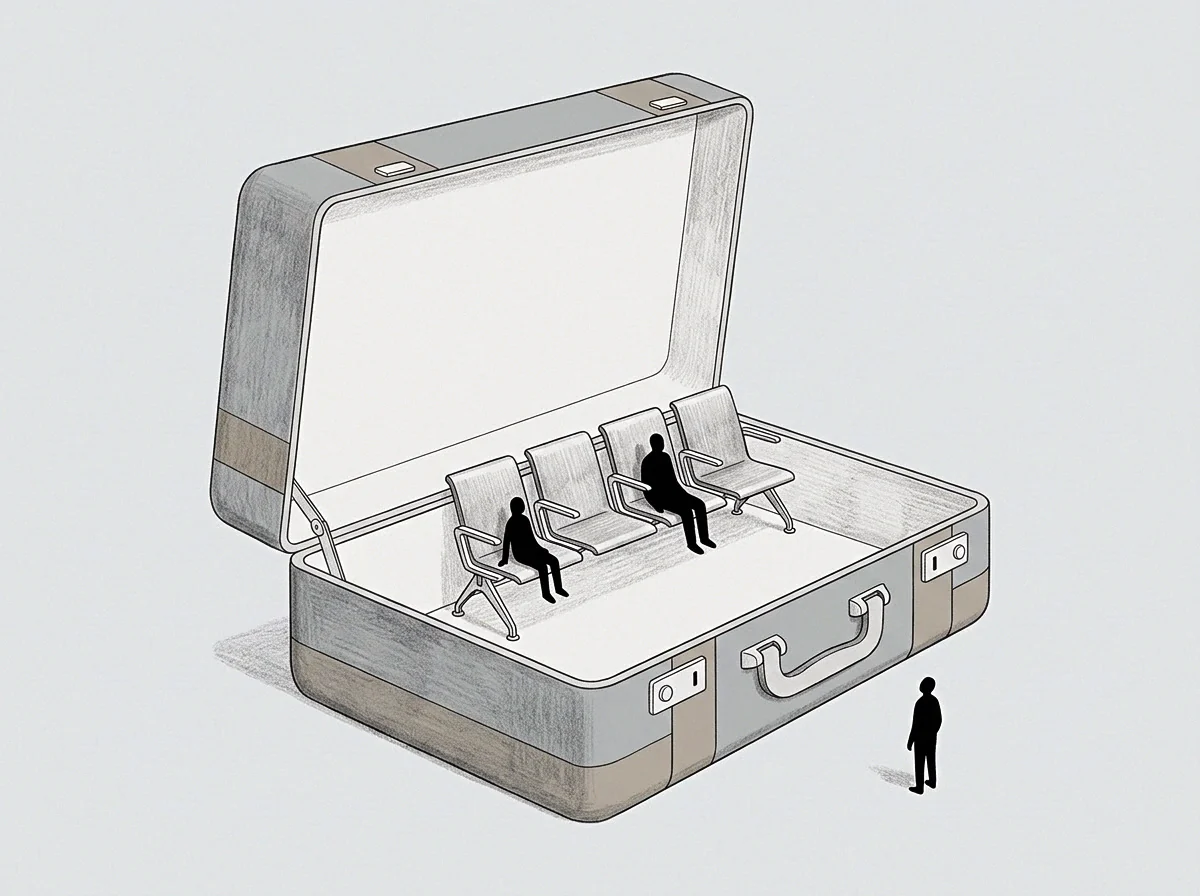
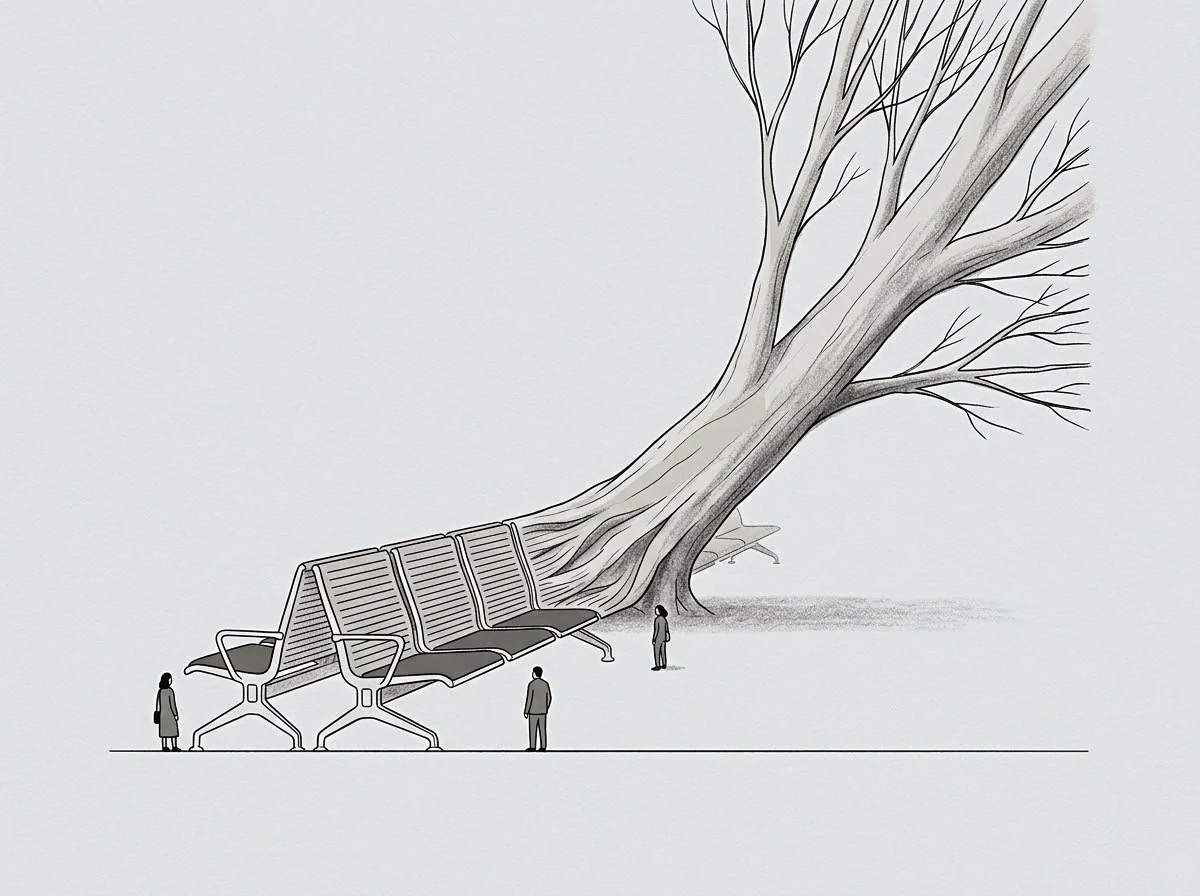
Allostatic accumulation increases rapidly when a leader must process high-consequence stress without a peer sounding board. The structural isolation prevents the founder from normalizing their struggles, leading to the belief that their challenges are unique and insurmountable. This belief intensifies the mental burden, causing the individual to withdraw further from their social and professional networks.
Adaptive Strategy
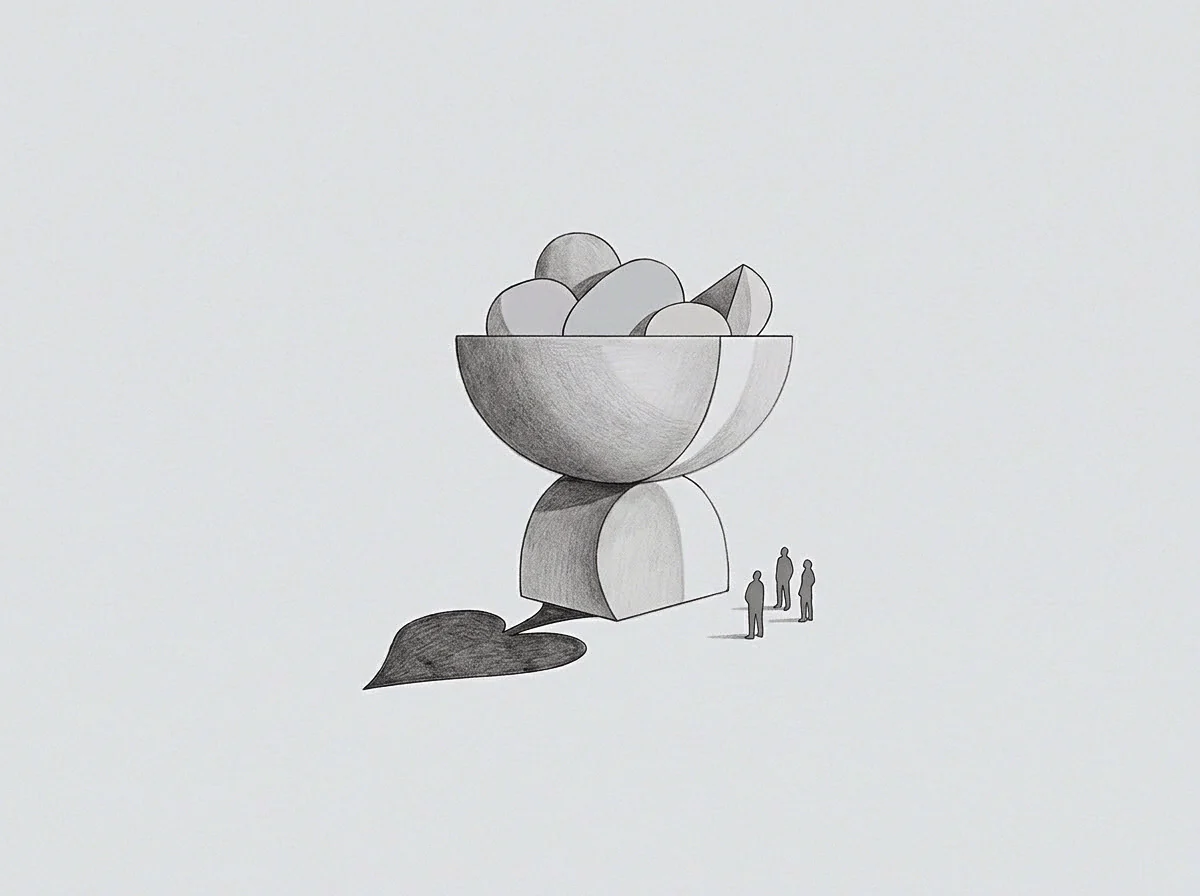
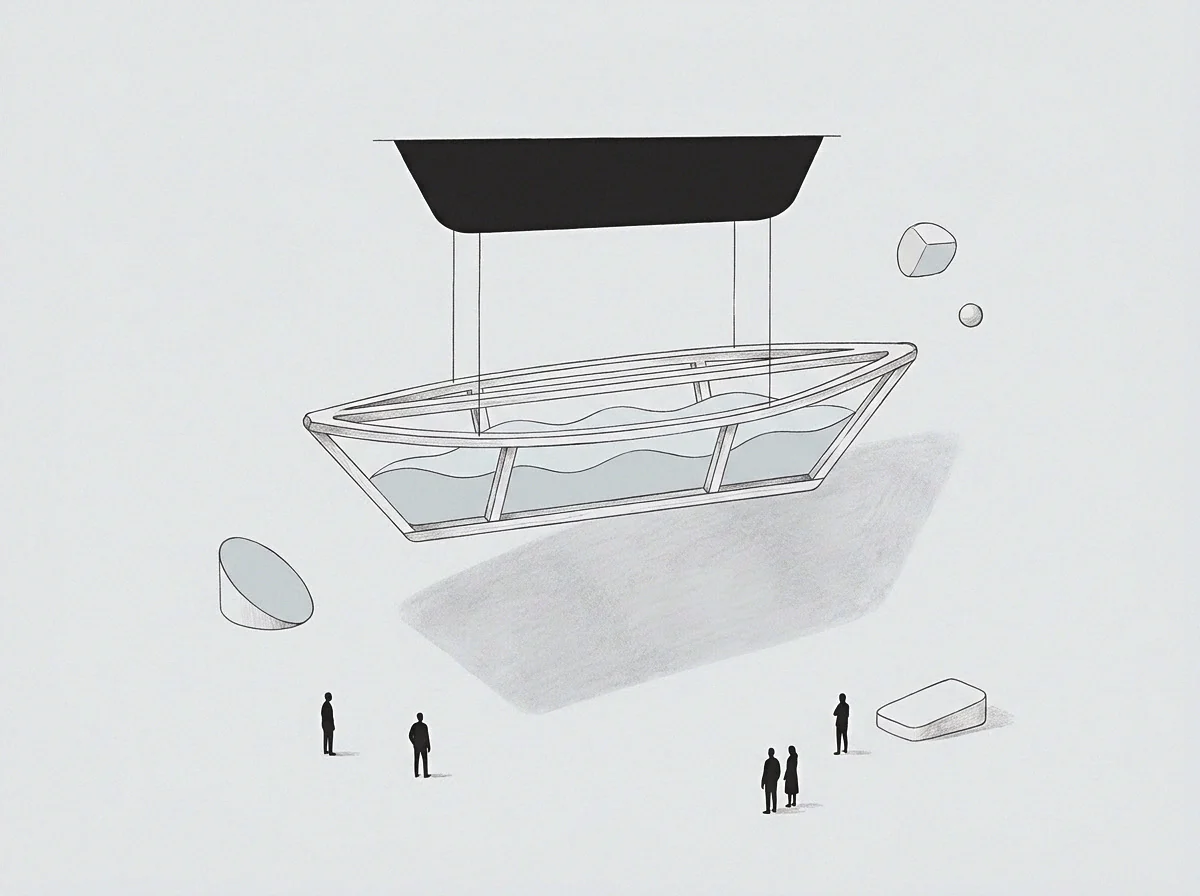
External peer groups offer a necessary bypass to the organizational hierarchy. Overcoming structural isolation requires the founder to actively cultivate relationships outside the company, such as founder forums, mastermind groups, or professional networks. These external circles provide a safe space where the leader can share raw experiences and receive unvarnished feedback from peers who share their unique challenges.