
Managing Cognitive Load Transfer Across Multi Tier Enterprise Systems
Cross-tier cognitive load transfer stabilizes when executive intake schemas enforce structured friction and reject unformatted operational escalations.
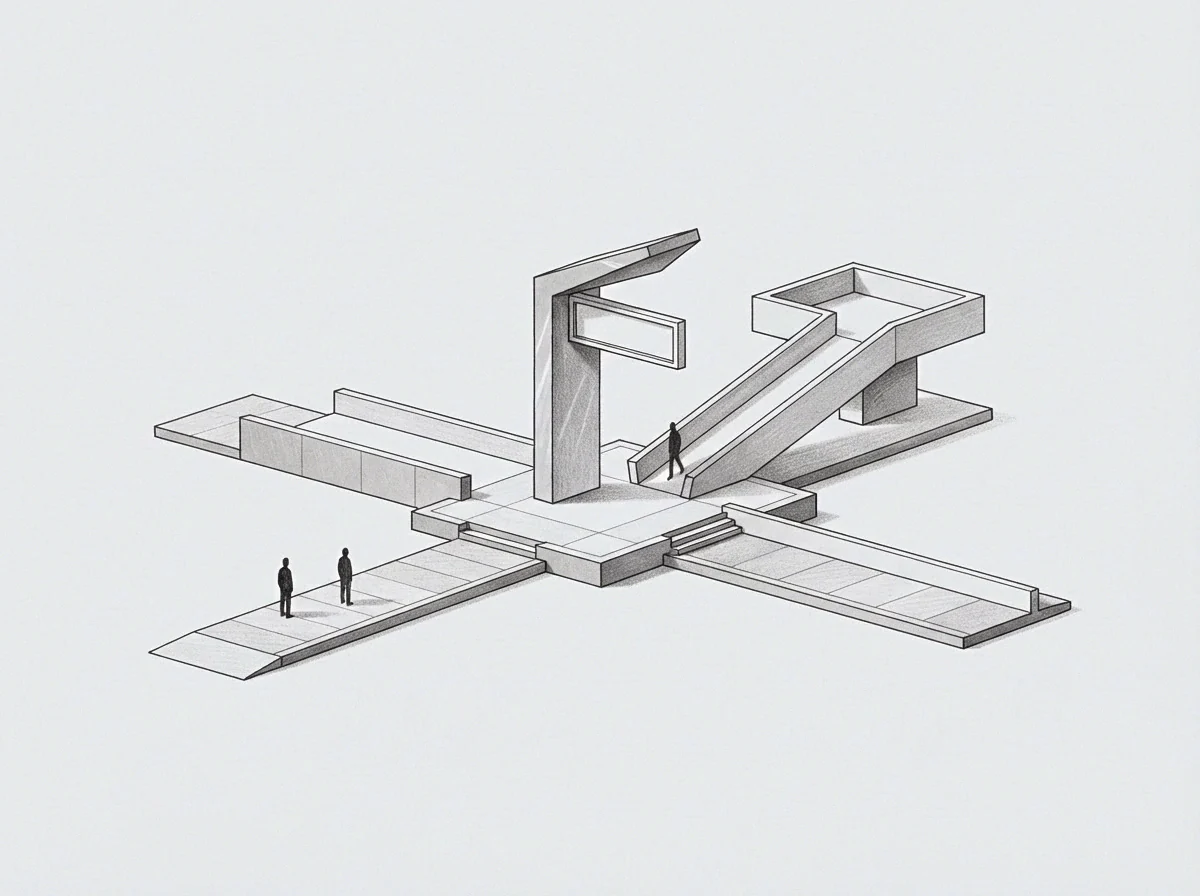
Siphon
Enterprise operations routinely route cognitive pressure upward until the escalation meets resistance. When a frontline engineering team meets an unclassified anomaly, the ticket moves to systems engineering, then to the principal architect, and finally settles on the technical executive. Each layer sheds operational friction by transferring unresolved decisions to the tier above it.
The upper seat absorbs the ambiguity because its occupant possesses the operational mandate to commit capital and reallocate staff. Over weeks of unmonitored escalation, the executive calendar fills with triage sessions for operational incidents that lower tiers possess the technical data to resolve.
The upward migration of ambiguity follows basic physical principles of operational drift. Without explicit intake fences, an organization treats human attention in leadership seats as an infinite operational reserve. Lower tiers experience immediate psychological relief upon delegating an ambiguous fault upward, creating a reinforcement loop that accelerates escalation frequency.
The executive becomes the universal shock absorber for the distributed enterprise, maintaining an artificial stability at the expense of strategic continuity. That stability degrades the moment incoming operational volume exceeds personal cognitive throughput.
A load-transferring system increases escalation volume whenever an upper tier accepts ambiguous inputs without operational resistance.
Allostatic load accumulates within the executive tier when operational interruption prevents sustained analytical focus. Cognitive science documents that task fragmentation fractures working memory, requiring substantial recovery latency before high-order planning resumes. When a senior operator processes six disparate architectural escalation calls in a single morning, the mental context for multi-year capital deployment evaporates.
The business continues to function tactically, while structural vulnerability multiplies across unchecked architectural seams. The leadership tier operates in continuous physiological emergency, responding to operational pings rather than executing structural governance.
Structural Dynamics of Cognitive Deflection
Escalation paths in multi-tier software enterprises function as conduits for unhandled exceptions in human decision-making. Frontline teams confront conflicting architectural requirements between execution velocity and platform stability. Lacking clear delegation protocols, engineers route architectural trade-offs to senior committees.
The committee environment diffuses accountability, allowing individual tiers to avoid definitive technical commitments. The escalation conduit stays active because the organization rewards incident resolution over boundary enforcement.
The transfer of cognitive strain rarely reflects technical complexity alone. Lower operational tiers transfer decisions upward to protect local performance metrics against systemic fault attribution. If an outage occurs following an executive decision, the frontline team remains insulated from direct operational critique.
The upward transfer functions as organizational risk offloading disguised as professional deference. Senior leaders mistake this deference for operational dependence, validating their personal intervention while cementing institutional paralysis. The executive seat remains perpetually encumbered by the unresolved administrative friction of secondary tiers.
The unstated willingness to resolve subordinate dilemmas functions as an unspoken subsidy across the enterprise hierarchy.

Shelf
A stated limit functions as a structural partition rather than an emotional proclamation. When an executive establishes an unyielding boundary around operational intake, the incoming load encounters a mechanical restriction. The organization discovers that leadership availability is finite, predictable, and structurally gated.
This discovery forces subordinate operational tiers to retain their own diagnostic obligations. The stated term stands between the leader and systemic operational spillage, terminating the presumption of infinite executive elasticity.
Subordinate layers initially test every newly declared boundary to confirm its structural rigidity. An organization accustomed to upward delegation will increase escalation pressure immediately following the publication of intake limits. Engineers and directors present urgent rationales to bypass the restriction, testing whether the executive will revert to familiar patterns of intervention.
If the executive accommodates a single emergency exception, the boundary collapses, confirming to the enterprise that leadership limits remain negotiable under pressure. Adherence to the stated term under live operational tension establishes the partition as an authentic systemic reality.

System Failure Modes Under Unchecked Transfer
Unregulated escalation cascades generate identifiable operational pathologies across enterprise tiers:
- Executive Saturation develops when senior decision-makers spend their working hours arbitrating operational disputes between subordinate platform squads.
- Tier Atrophy occurs because mid-level engineering managers surrender technical autonomy after repeated executive interventions preempt local decision processes.
- Escalation Thrashing multiplies cross-tier communication overhead while unresolved technical incidents bounce between architectural boards awaiting executive arbitration.
- Latent Fragility spreads across core infrastructure services when deferred strategic oversight permits compounding technical indebtedness to accumulate unchecked.

Diagnostic Criteria for Tier Boundaries
Subordinate engineering teams build diagnostic self-reliance only when upper operational tiers refuse unformatted escalation tickets. An executive who demands fully articulated decision matrices before reviewing architectural deviations alters the intake dynamic. The submitting team must state the trade-offs, model the financial exposure, and document two distinct remediation pathways.
This requirement transfers cognitive labor back to the point of origin, forcing the subordinate tier to develop autonomous analytical depth. The executive seat transitions from an ad-hoc debugging utility to a formal arbitration authority.
The architecture of human organizations mirrors distributed software systems with strict interface contracts. When an API permits loose input types without validation, downstream services crash under unexpected payload mutations. A leadership tier that accepts vague escalations invites continuous cognitive overflow.
Structural terms governing escalation operate as strict input validation schemas, rejecting malformed organizational inquiries before they consume senior bandwidth. The enterprise stabilizes because each tier processes its own operational reality.
Operational boundaries hold when intake schemas reject unformatted technical disputes at the perimeter of the executive tier.
An executive intake policy that rejects unformatted inquiries within ninety days compels subordinate directors to conduct exhaustive internal reviews prior to any cross-tier escalation.
Wedge
Separating operational triage from capital governance requires physical and temporal partitions within the enterprise. When senior leaders permit daily operational pings to interrupt portfolio reviews, tactical emergencies systematically consume strategic focus. The organization needs a mechanical wedge that splits immediate operational triage from long-range technical stewardship.
This split prevents short-term incident recovery from colonizing the attention needed to direct foundational platform evolution.
Organizations often attempt to resolve cognitive saturation through cultural encouragement of personal discipline. These administrative appeals fail because social baseline dynamics inevitably override individual willpower during enterprise crises. When production incidents threaten quarterly revenue milestones, informal resolutions yield to organizational anxiety.
The executive answers the late-night alert because the operational machinery provides no structural barrier to prevent direct contact. Sustainable load management demands mechanical firewalls embedded directly into enterprise communication architecture.
Comparative Postures in Enterprise Load Architecture
Enterprises structure their cross-tier communication through two fundamentally divergent operational postures, each imposing distinct cognitive consequences across leadership seats.
| Operational Dimension | Unthrottled Escalation Model | Partitioned Structural Intake Model |
|---|---|---|
| Escalation Gateway | Direct personal communication via real-time messaging channels | Asynchronous decision memoranda with standardized evaluation matrices |
| Diagnostic Responsibility | Transferred upward to executive tier during initial anomaly detection | Retained within originating engineering tier through structured retrospectives |
| Latency Profile | Immediate executive interruption paired with prolonged strategic drift | Bounded operational latency paired with uninterrupted strategic cycles |
| Decision Autonomy | Subordinate managers defer architectural resolution to avoid liability | Mid-tier leaders execute bounded authority within explicit financial bands |

Does Cognitive Partitioning Degrade Organizational Responsiveness?
Critics of rigid organizational firewalls assert that structural filtering delays emergency incident response during catastrophic production outages. This concern assumes that executive participation accelerates frontline technical diagnosis. In complex modern software estates, senior executives possess outdated mental models of granular service dependencies.
Frontline platform operators and site reliability specialists hold the contextual fidelity necessary to execute service restoration. Executive intervention during active incidents injects political anxiety and communication overhead, extending recovery duration rather than shortening it.
A rigorous operational wedge routes critical production alerts exclusively to designated incident response commanders. The executive tier receives updates only through standardized status broadcasts at predefined operational intervals. This protocol protects the incident response team from senior interference while preserving executive capacity for enterprise business mitigation.
The separation treats technical restoration and business risk management as distinct concurrent operations rather than a unified executive emergency. High-reliability organizations in aviation and nuclear operations maintain this exact partition to preserve diagnostic clarity under pressure.
The enterprise risks systemic operational blind spots when senior leadership mistakes continuous tactical involvement for authentic organizational control.
Friction
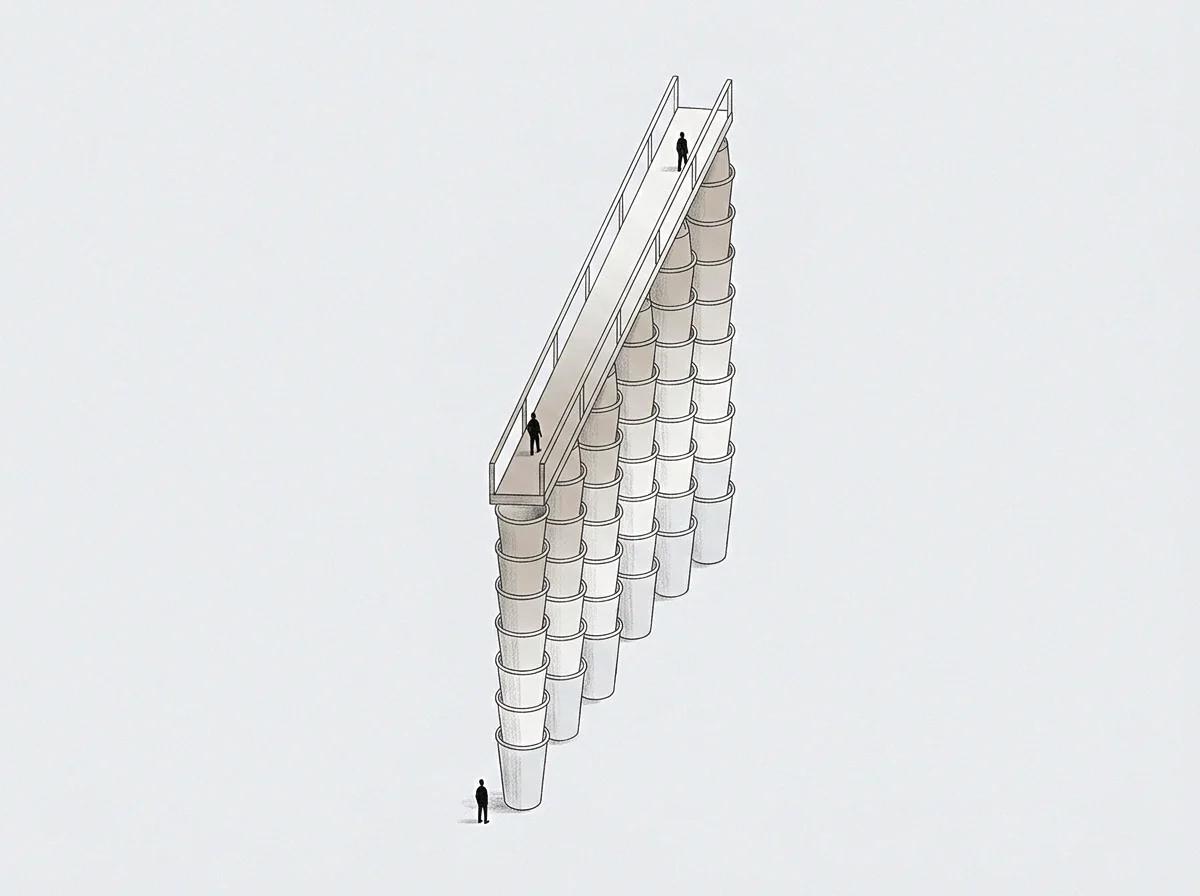
Introducing calculated friction into escalation channels acts as a biological filter against premature upward delegation. When submitting a cross-tier escalation requires a comprehensive technical memorandum, lower teams re-evaluate their internal diagnostic alternatives. The cognitive effort needed to escalate an ambiguous problem must exceed the effort needed to resolve it locally.
By designing deliberate administrative friction into intake workflows, enterprises ensure that only genuinely systemic dilemmas cross architectural tier boundaries.
A silent communication channel provides the clearest indicator of effective operational partitioning. When leadership channels cease pinging with ad-hoc technical emergencies, the silence confirms that local tiers are executing their mandated responsibilities. Insecure executives misread this silence as operational detachment or team alienation, reflexively reaching downward to solicit updates.
This intrusive probing degrades the boundary, signaling that informal status checks remain the true currency of leadership attention. Discipline demands that executives respect the silence created by their own structural terms.
A team resolves its own dilemmas when the cognitive cost of cross-tier escalation exceeds the labor of local remediation.
Structural Sequences for Escalation Throttle Design
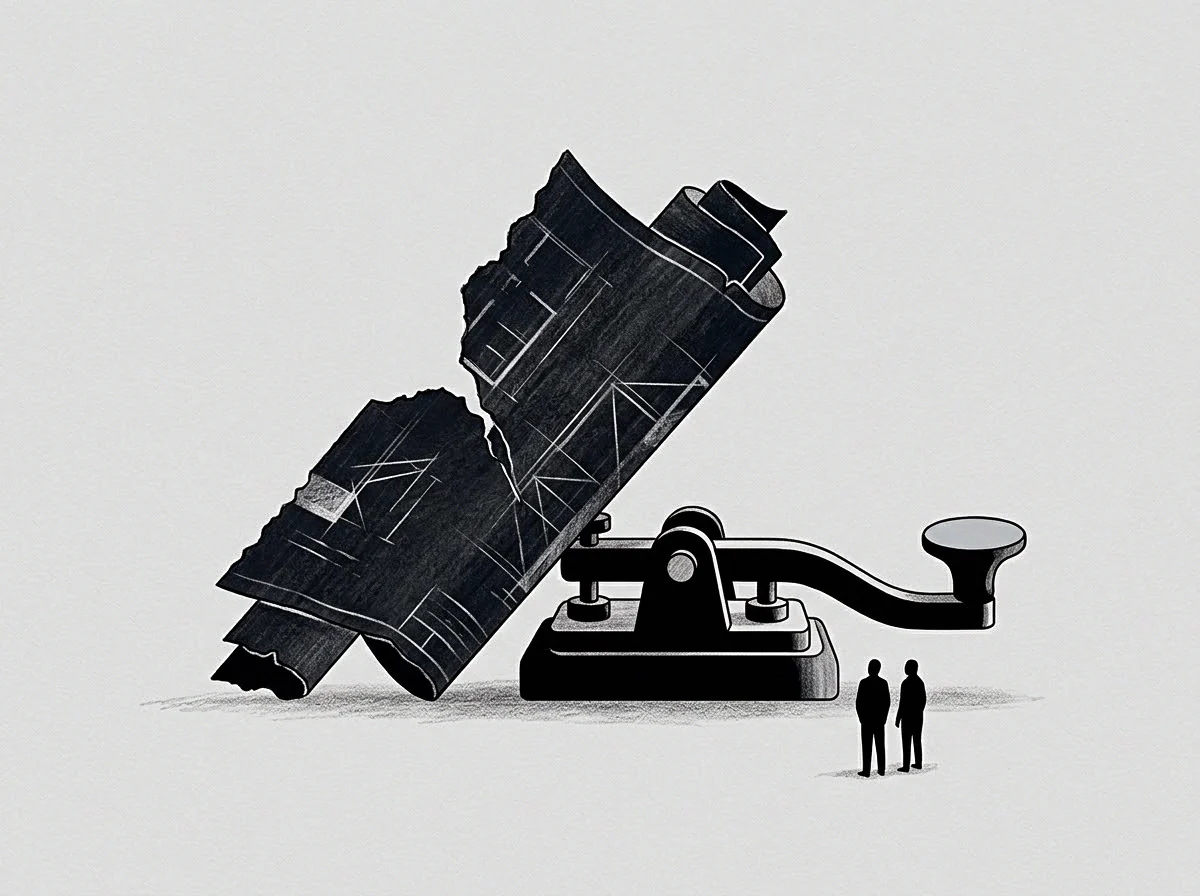
Implementing an effective cross-tier cognitive partition follows an ordered administrative sequence:
- Escalation Threshold Definition specifies the exact financial exposure, security severity, or architectural scope required before an incident qualifies for executive arbitration.
- Standardized Intake Construction replaces unstructured conversational messaging channels with structured asynchronous submission templates demanding rigorous root-cause analysis.
- Mandate Delegation Execution assigns explicit budgetary and deployment authority to mid-tier engineering directors to enable definitive local dispute resolution.
- Executive Communication Decoupling removes senior leadership from frontline real-time incident chat channels, redirecting informational consumption to scheduled status dispatches.

Derivation of Availability from Position and Terms
True operational availability is derived by the organization through observed leadership behavior over extended periods of operational stress. An executive does not generate operational focus by announcing open availability during quarterly all-hands gatherings. Subordinate staff observe the speed with which a leader answers evening pings and the degree to which an unformatted ticket is entertained.
If an executive responds to late-night technical chatter within four minutes, the team derives that the leader remains open for continuous tactical intervention. Stated boundaries retain authority only when verified by structural refusal under load.
Availability lives inside the silence of an unentered channel. When a senior leader intentionally leaves operational channels unmonitored during dedicated deep-work blocks, the enterprise adjusts its communication cadence. Teams cease expecting immediate executive arbitration and begin building lateral consensus across sibling divisions.
This lateral alignment eliminates redundant escalation paths, establishing resilient peer-to-peer operational governance. The organization learns that executive attention carries a high structural price, rationing its consumption accordingly.
The team will simply state that executive participation is unattainable without a completed impact analysis and an explicit trade-off ledger.
Brace
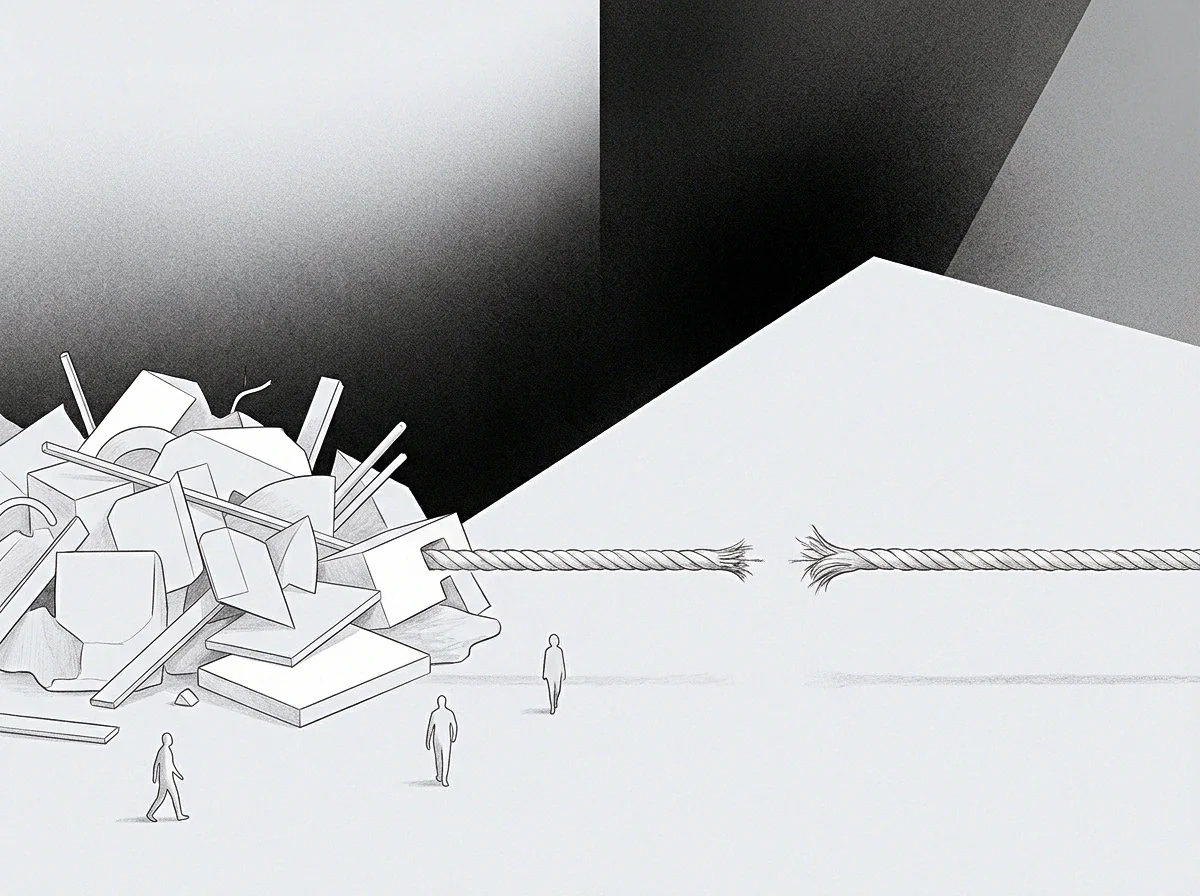
Constructing a structural brace around enterprise leadership preserves the cognitive throughput required to steer long-term institutional survival. An executive seat without defensive partitions inevitably becomes a clearinghouse for transient operational static. Defending the perimeter of that seat requires continuous adherence to stated terms, especially when subordinate units demand immediate paternal intervention.
The executive must accept the temporary discomfort of letting lower-tier operational tension resolve itself at the point of origin.
The tension between tactical intervention and strategic stewardship never resolves into a frictionless steady state. Market shocks, regulatory revisions, and core architectural shifts will routinely challenge the integrity of established tier boundaries. Leaders must periodically audit cross-tier intake channels to detect silent escalation creep before cognitive saturation undermines strategic governance.
The goal remains the deliberate preservation of leadership attention as a scarce, structural asset dedicated to organizational longevity.
Whether an enterprise can sustain absolute cognitive partitioning during prolonged existential operational disruptions remains a permanent open question for organizational architects.