
Measuring The Systemic Cost When Chronic Allostatic Overload Destroys Executive Decision Capacity
Chronic physiological saturation degrades prefrontal networks, causing compounding operational delays and strategic errors across dependent business units.

Toll
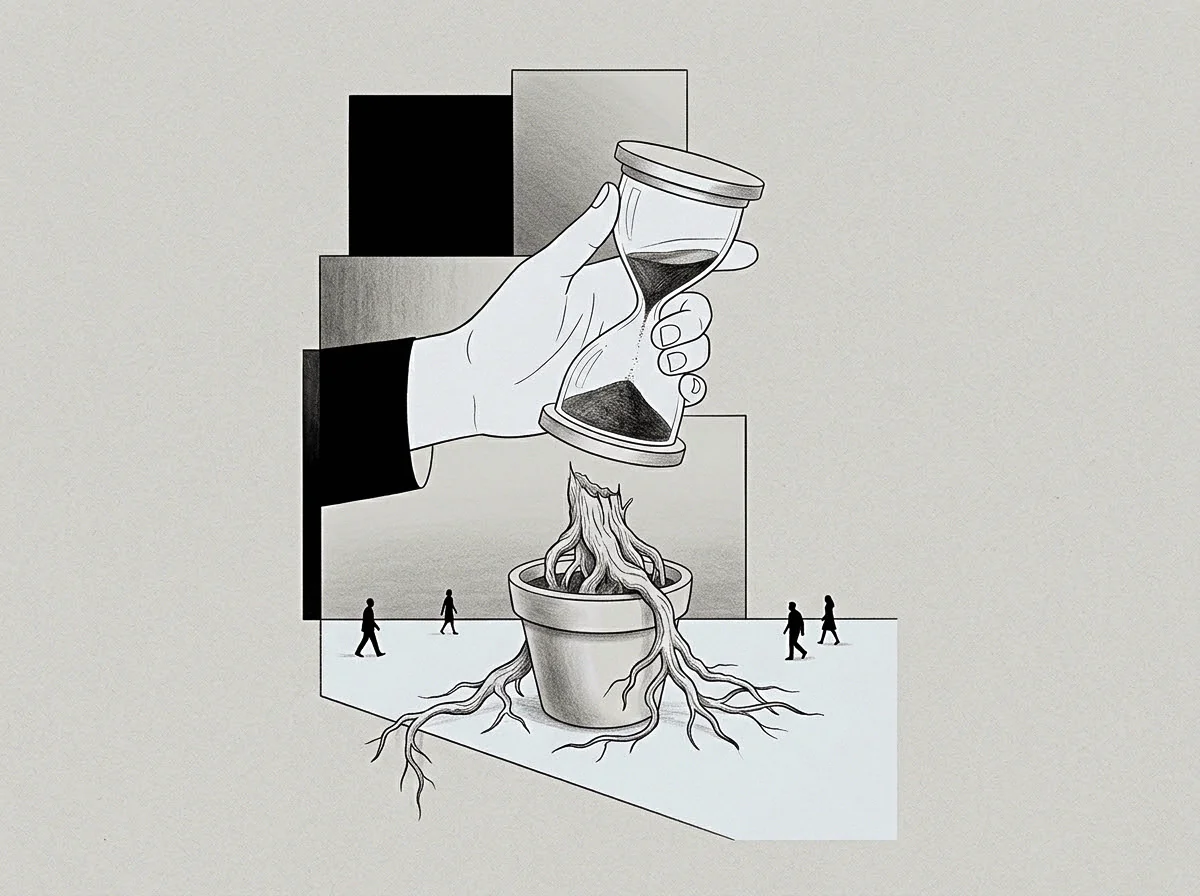
Four operational requests sit unanswered across two communication channels while energy expenditure outpaces baseline recovery. Prolonged stress activation suppresses prefrontal regulation, defaulting control to routine basal ganglia circuits. The brain maintains immediate stability by dropping long-range synthesis.
Operational delays spread down the line from there. The person in the primary seat stalls capital allocations, postpones contract reviews, and shies away from strategic trade-offs because the nervous system lacks the capacity to simulate competing variables. As incoming demands outrun physical recovery, working memory narrows from handling multiple projections to tracking immediate threats.
Under sustained physiological strain, cognitive architecture drops multi-variable simulation to protect basic systemic stability.
Organizationally, unmade decisions accumulate. Subordinates pause initiatives while waiting for approvals stalled in the queue. Each delayed call creates friction down the line, prompting staff to devise speculative workarounds that destabilize daily operations.
Teams burn hours trying to anticipate choices the central operator simply cannot deliver.
Persistent hesitation at the top misallocates capital across dependent business units.
Seat
Allocation Under Structural Friction
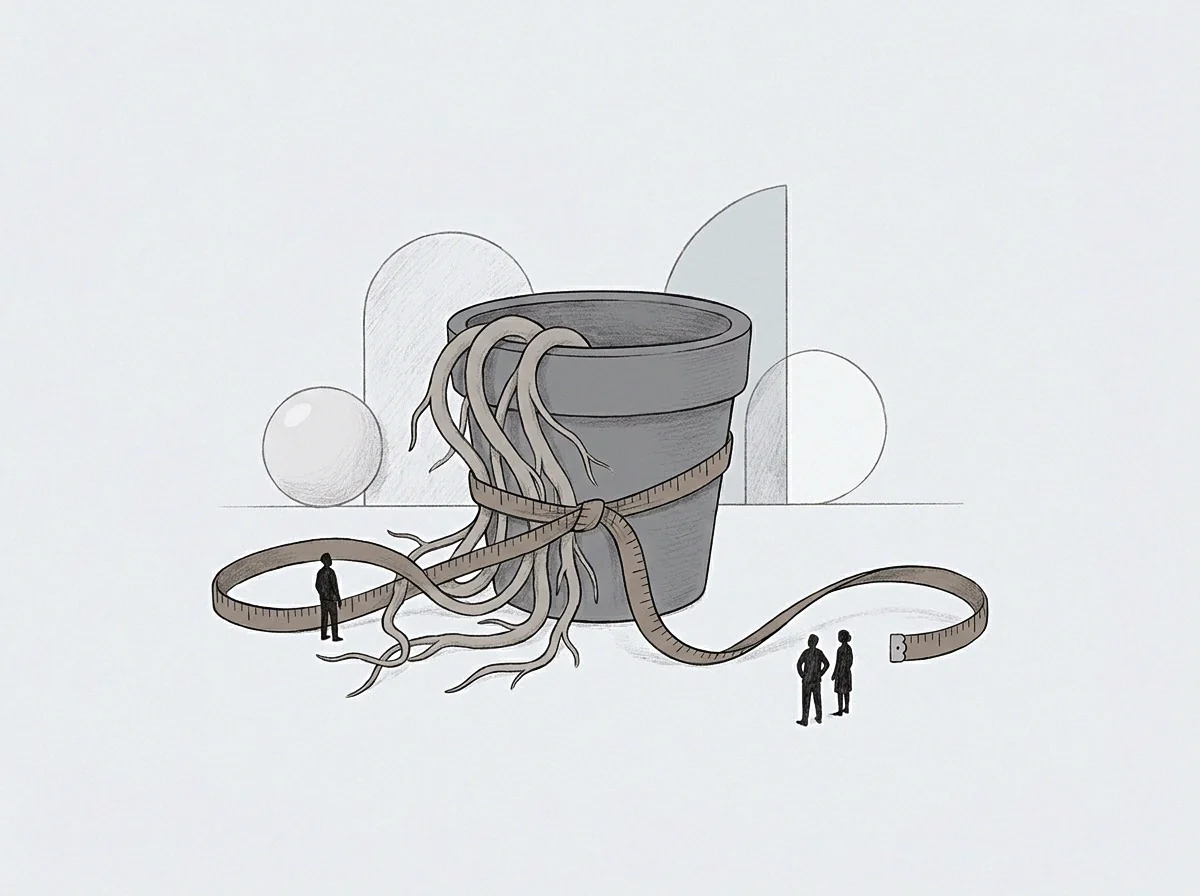
Holding executive accountability brings constant external demands that ignore normal recovery. The structure around the desk determines whether incoming volume routes cleanly or piles up until the operator breaks down. Without structural insulation, an operator absorbs organizational volatility directly through their nervous system.
Performance degrades along clear physiological lines once acute pressure turns chronic. Prolonged glucocorticoid release disrupts sleep cycles and dulls hippocampal plasticity. Decisions that once took twenty minutes stretch across three business days.
Operational capacity breaks down predictably across four domains as physical exhaustion mounts:
| Operational Domain | Homeostatic Baseline | Allostatic Saturation | Executive Exhaustion |
|---|---|---|---|
| Resource Allocation | Dynamic capital deployment based on quantitative return projections | Defensive budget preservation favoring immediate operational continuity | Paralyzed balance sheet execution with unallocated capital reserves |
| Information Processing | Parallel evaluation of competing commercial hypotheses | Sequential filtering restricted to urgent operational discrepancies | Binary crisis reaction driven by incoming notification volume |
| Interpersonal Regulation | Calibrated feedback loops with explicit performance parameters | Irritable compliance enforcement and sporadic communicative absence | Complete communicative withdrawal paired with sudden arbitrary vetoes |
| Horizon Planning | Thirty-six month structural modeling and market positioning | Single-quarter tactical stabilization and cash preservation | Intra-week survival reactions lacking directional intent |
When incoming volume hits an unprotected seat, the occupant stops directing and starts absorbing. Staff notice it immediately in delayed replies, vague instructions, and abruptly canceled reviews. Without defined boundaries, the person becomes the shock absorber for every institutional tremor.
A position defined without stated terms converts its occupant into an open circuit for organizational volatility.
Setting clear operating terms with explicit response windows prevents unchecked work transfer, routing demands into structured queues instead.
Decay

Synaptic Clearance and Error Cascades
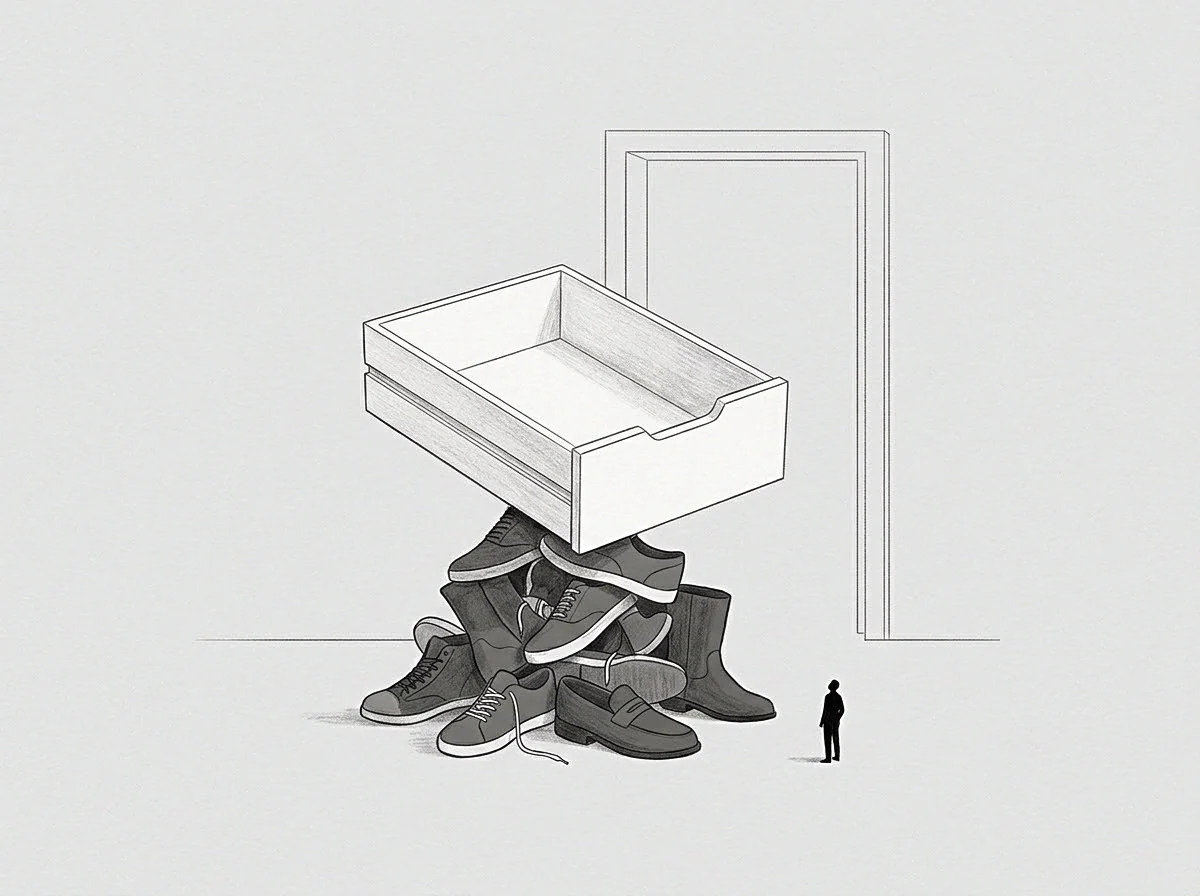
Chronic stress degrades dendritic branching in prefrontal networks that govern abstract reasoning and impulse control. Elevated cortisol suppresses neurotrophic factors, slowing pattern recognition and leaving the operator reliant on crude heuristics that miscalculate commercial risk.
An overloaded operator concedes unfavorable contract terms because evaluating counterparty incentives demands energy the brain no longer has. Errors compound across financial models, staffing plans, and legal agreements. Compromises get signed off simply to clear the screen.
Where Does Executive Capacity Vanish Under Sustained Friction?
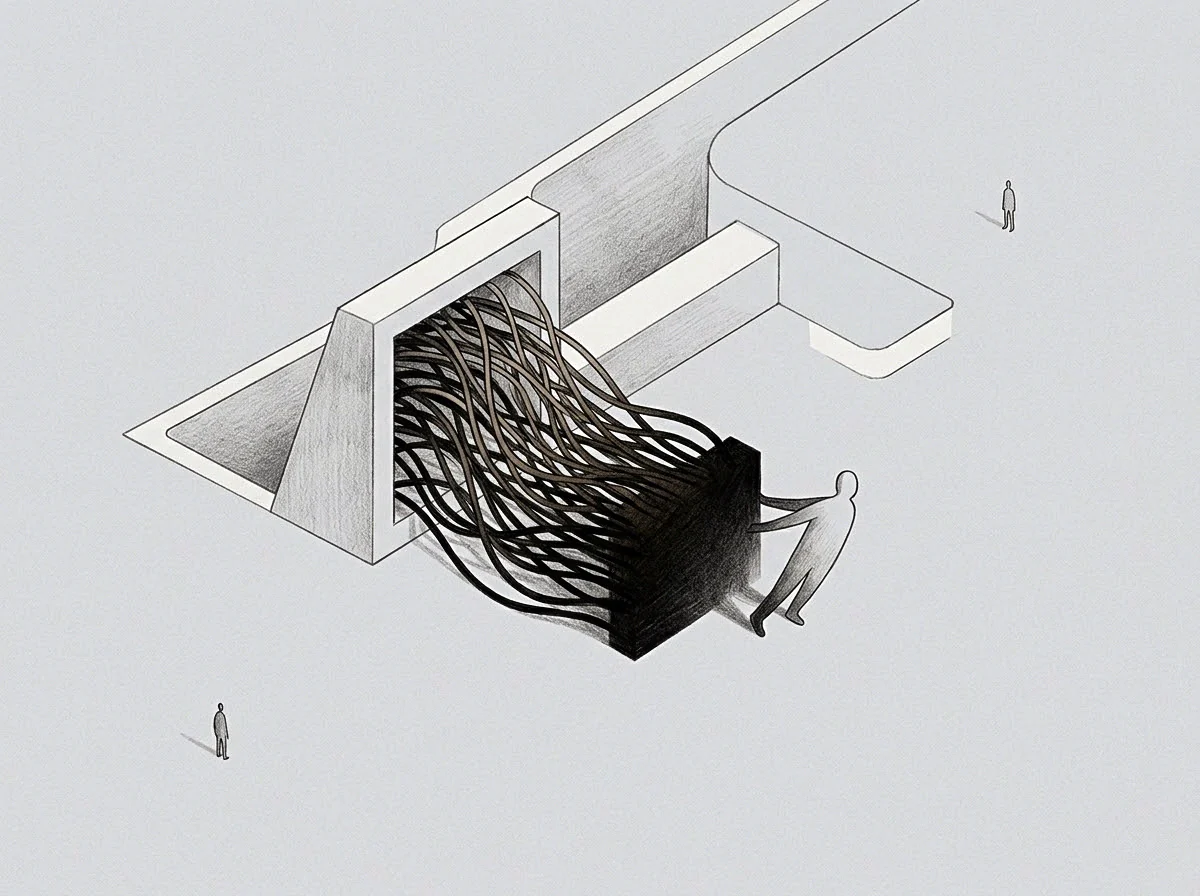
Depleted energy distorts risk tolerance over longer horizons. When reserves drop, threats register with outsized weight while future upside loses traction. Under intense physical strain, an operator bypasses valuable opportunities just to avoid the immediate coordination required.
Take a firm running two product lines where one major contract requires extensive operational restructuring. An overloaded executive defaults to preserving legacy workflows, ignoring shifts in the market that could render the core offering obsolete within twelve months.
Managers see the stall long before the person in the seat admits it. Observing erratic risk calls, team leads hold back bad news to avoid sudden reactions, breaking the feedback loops needed to steer the business.
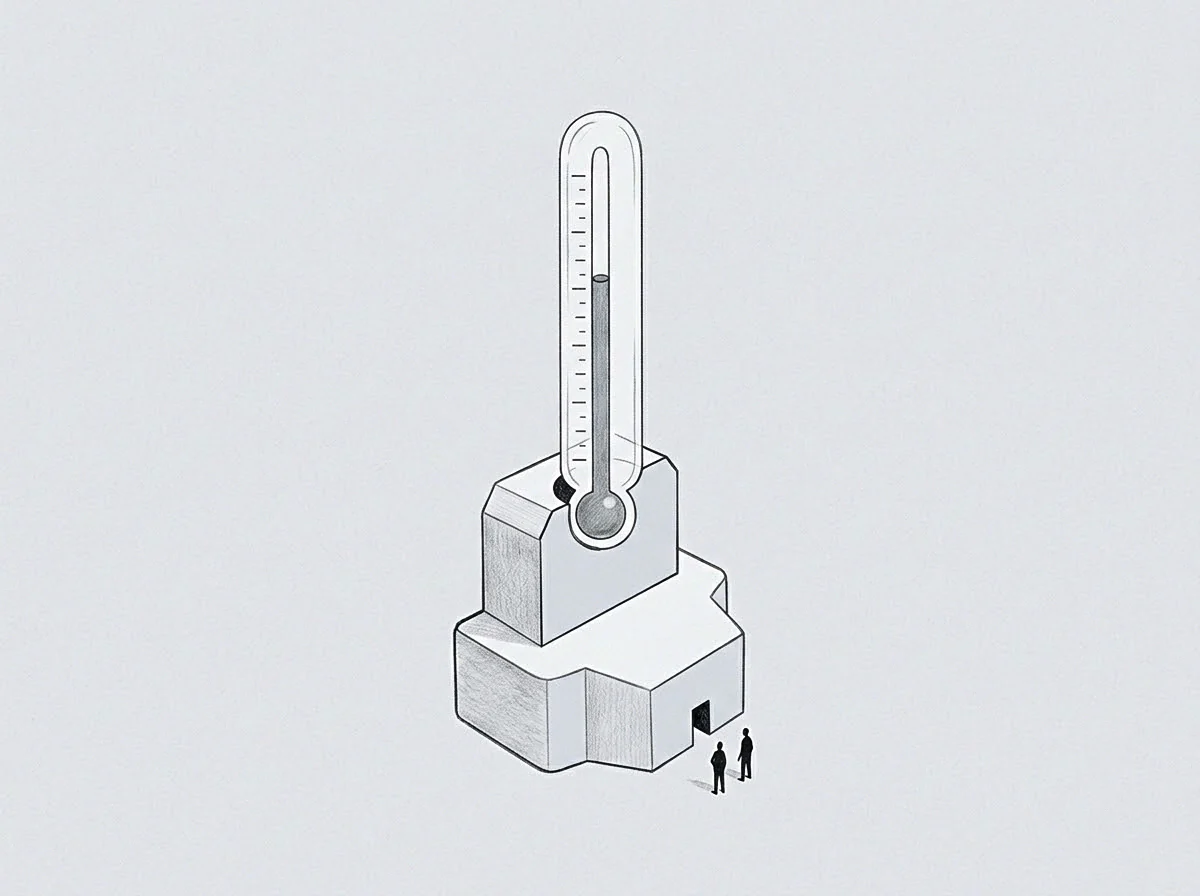
The operational lead appears detached during quarterly capital review meetings.
Shift
Protracted exhaustion changes how authority operates across a company. Staff lose confidence in central guidance, forming isolated factions that run competing agendas. The resulting leadership vacuum draws untested actors into strategic roles.
When the central seat stalls, three organizational shifts typically follow:
- Shadow Governance develops as department heads make informal pacts to bypass the stalled approval channel entirely.
- Risk Externalization accelerates when mid-level managers defer maintenance expenses to protect short-term figures.
- Talent Attrition concentrates among top performers who refuse to work under erratic direction.
These fractures outlast the person who caused them. Swapping out exhausted leadership does not immediately restore speed, because informal workarounds have already set into daily habits. The business keeps paying for earlier paralysis through duplicate work and splintered authority.
Sustained physiological exhaustion in central leadership permanently reshapes company culture into defensive survival patterns.
Rebuilding institutional stability takes four times longer than the period of sustained strain that broke it.

Floor
Restoring executive clarity requires building firm structural protections around the primary seat. Workload must be filtered and redirected before it reaches the individual. Depending on stamina to withstand incoming volume fails every biological test.
An organization safeguards leadership capacity by delegating specific classes of decisions to explicit thresholds or small committees. Standard expenditures below defined limits clear without senior sign-off. Routine operational questions pass through evaluation criteria that resolve ambiguity before hitting the main desk.
System design determines how long an executive lasts. A company that buffers its strategic thinkers from daily operational noise protects their ability to weigh complex odds. Architectural guardrails absorb business volatility instead of relying on personal endurance.
Setting up this protective structure requires capital commitment and definite delegation rules. Firms that establish firm boundaries around strategic decision seats protect their balance sheets through volatile multi-year cycles.