
Preserving Evidence Accumulator Velocity in High Noise Environments
Evidence accumulator velocity drops in high noise when unfiltered variance degrades drift rate, requiring baseline input filtering to restore velocity.
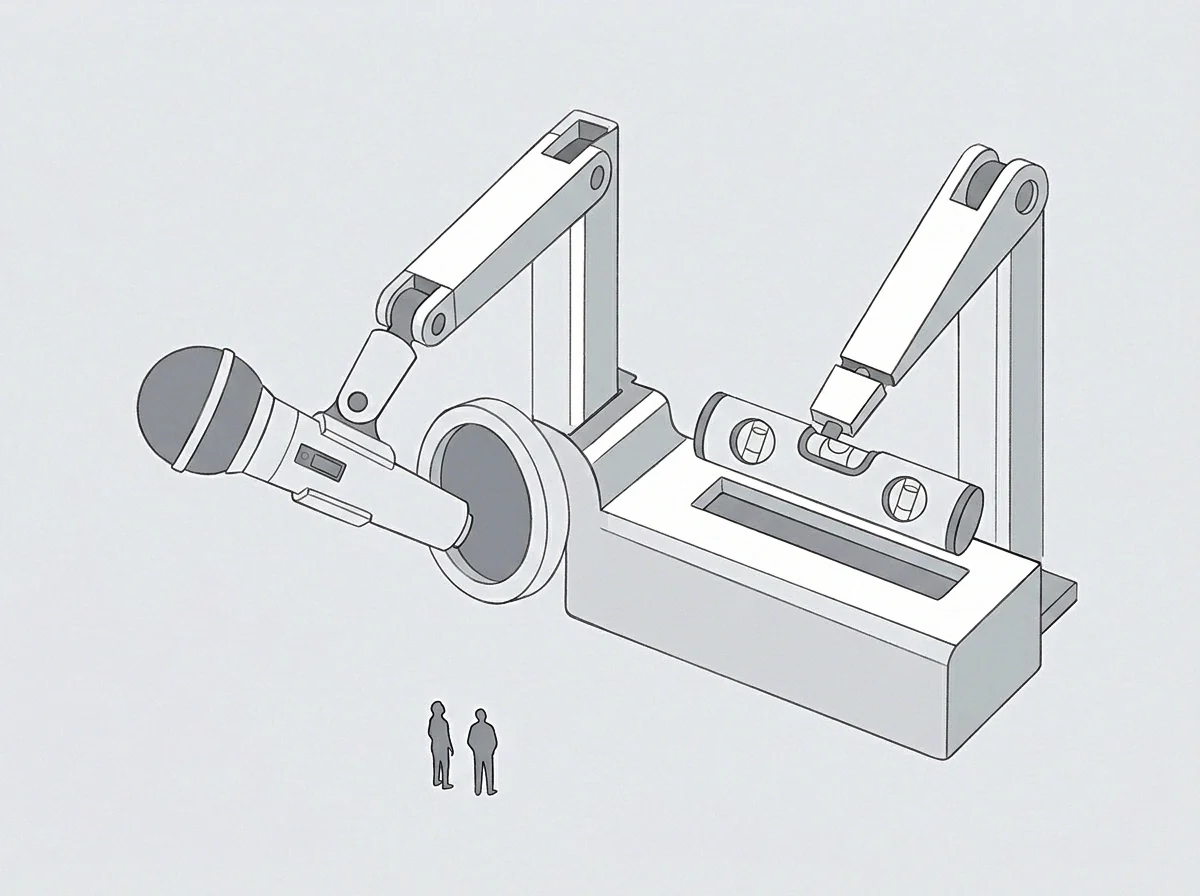
Slate
Decision velocity depends on the distinction between true signal drift and ambient environment chatter. In sequential sampling architectures, an evidence accumulator aggregates input over time until the accumulated state reaches a fixed decision limit. When operational environments become chaotic, incoming data streams fill with stochastic fluctuations, conflicting metrics, and high-frequency updates.
High noise environments increase overall processing load without moving the accumulator closer to a decision limit. The rate at which accumulated evidence approaches a threshold is the drift velocity. When background variance rises, the effective drift rate slows toward zero as positive and negative noise pulses cancel each other out.
Noise breaks velocity.
Preserving velocity requires isolating the raw entry point where data transforms into evidence. Inputs arrive constantly. An unmanaged interface accepts every incoming data point into the integration loop, forcing the decision system to evaluate non-diagnostic information.
When non-diagnostic information enters the calculation, computational capacity dissipates across variance management rather than directional progress.
The operator sets the line.
An observer inundated by high-frequency chatter loses the capacity to distinguish real drift from environmental fluctuation.
When the evidence accumulator accepts unvetted noise, the decision state stalls in a perpetual hold pattern. The system consumes capacity while making no progress toward a decision threshold. Operating under these conditions causes systematic failure to execute state-gated acts, as the accumulator remains trapped between competing inputs without reaching the limit necessary for action.

Gain
Scaling the influence of incoming evidence relies on adjusting the sensitivity parameter of the accumulation loop. When background variance increases, maintaining a static gain multiplier leads directly to instability. High gain in a noisy channel amplifies environmental fluctuations alongside diagnostic signal, pushing the accumulator into premature threshold crossings driven entirely by transient noise spikes.
Conversely, dropping gain too low dampens true signal, causing accumulator velocity to stagnate.
Precision precedes commitment.
Dynamic gain control modulates sensitivity based on real-time estimates of environmental variance. By continuously measuring the variance-to-signal ratio, the integration system dampens intake during high-noise bursts and restores sensitivity when signal clarity returns. The table below compares structural gain schemes under varying conditions of operational variance.
| Gain Scheme | Noise Suppression | Accumulation Velocity | Latency Overhead |
|---|---|---|---|
| Static Linear Scaling | Low | Variable | Minimal |
| Variance-Coupled Attenuation | High | Sustained | Moderate |
| Hard Threshold Banding | Moderate | Intermittent | Low |
Static thresholds decay quickly. Accumulation requires continuous drift. Selecting a variance-coupled scheme stabilizes drift rate by scaling intake to signal purity rather than arrival frequency.
Modulating gain relative to ambient noise prevents transient volatility from dictating decision speed.
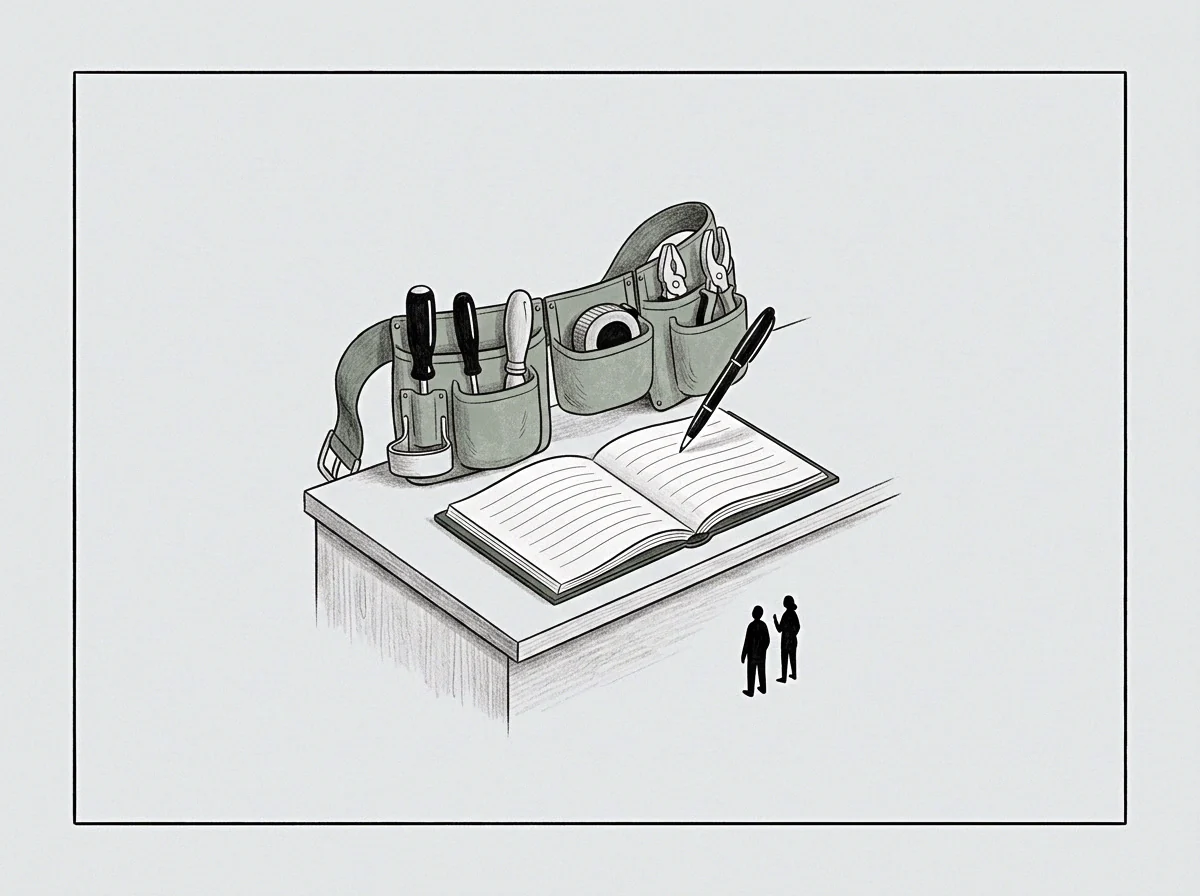
Floor
Setting a baseline input barrier prevents sub-diagnostic stochastic fluctuations from leaking into the integration stream. Without a explicit minimum entry threshold, low-level variance constantly updates the accumulator, injecting entropy into the internal state variables. The baseline filter acts as a physical wall, rejecting any input whose amplitude fails to exceed the estimated noise floor.
The baseline holds steady.
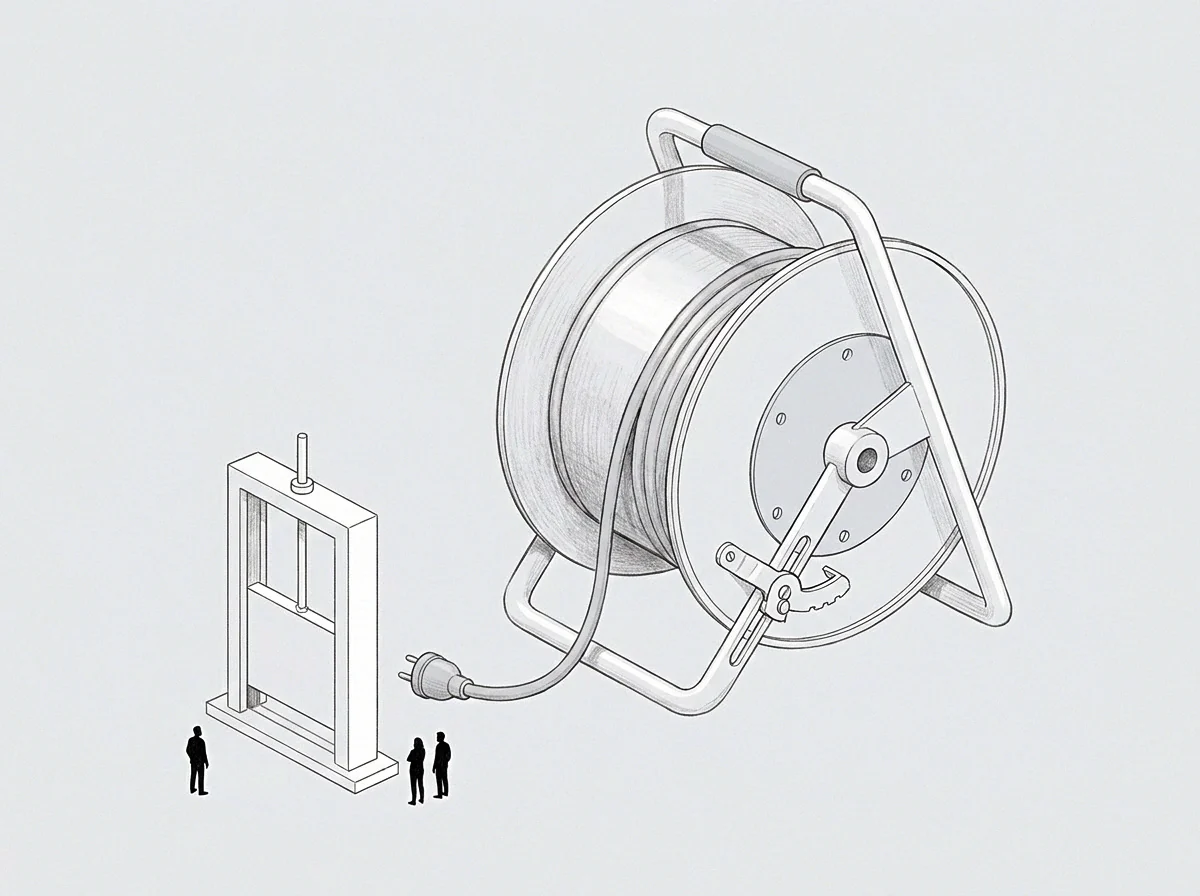
Where does non-diagnostic signal cross the threshold?
Leakage occurs when the intake filter evaluates data frequency rather than diagnostic weight. Establishing an explicit input standard ensures that only structured, high-value data alters the internal accumulator state. The list below details the structural criteria necessary for an input filter to preserve drift velocity under high ambient variance.
- Amplitude verification validates that incoming metric movements exceed twice the measured background standard deviation before admission to the integration loop.
- Persistence gating ensures that an incoming signal remains stable across multiple sampling intervals to eliminate single-point impulse noise.
- Channel isolation segregates primary operational metrics from non-diagnostic status updates to prevent cross-contamination of the evidence drift rate.
When noise variance exceeds the drift signal, raising the baseline input filter prevents early state collapse.
Speed depends on ratio. Applying a strict baseline input filter removes low-amplitude noise from the evidence pipeline, ensuring that every accepted data point drives the accumulator closer to its decision limit.
The stated limit determines what enters the accumulator and what remains outside as background chatter.

Attenuation
Suppressing active interference relies on dampening distracting spectral channels while leaving primary metric pipelines uninhibited. In high noise operational settings, peripheral channels generate continuous status updates, alert pings, and qualitative feedback that consume cognitive capacity. The signal channel that pings continuously without carrying diagnostic weight creates continuous micro-interruptions, degrading the accumulator velocity of primary decision loops.
Silence restores baseline clarity.
Effective suppression isolates primary channels from secondary feedback loops through structured protocol constraints. Consider the sequential steps required to enforce channel attenuation across an operational system:
- Audit all active communication and data pipelines to identify channels with low signal-to-noise ratios.
- Establish fixed time-window intake schedules for secondary status pings to eliminate real-time random arrivals.
- Enforce strict data-formatting requirements that demand pre-calculated diagnostic weights before entry.
- Redirect non-essential status chatter to asynchronous logs that bypass the primary evidence accumulator.
A strict band-pass filter on incoming status updates restores drift velocity across all primary decision pipelines.
Load transfers to the system. By restricting intake to pre-scheduled windows and structured metrics, the accumulator maintains directional velocity regardless of surrounding operational chaos.
How much non-diagnostic variance can an integration loop absorb before evidence drift drops to zero?
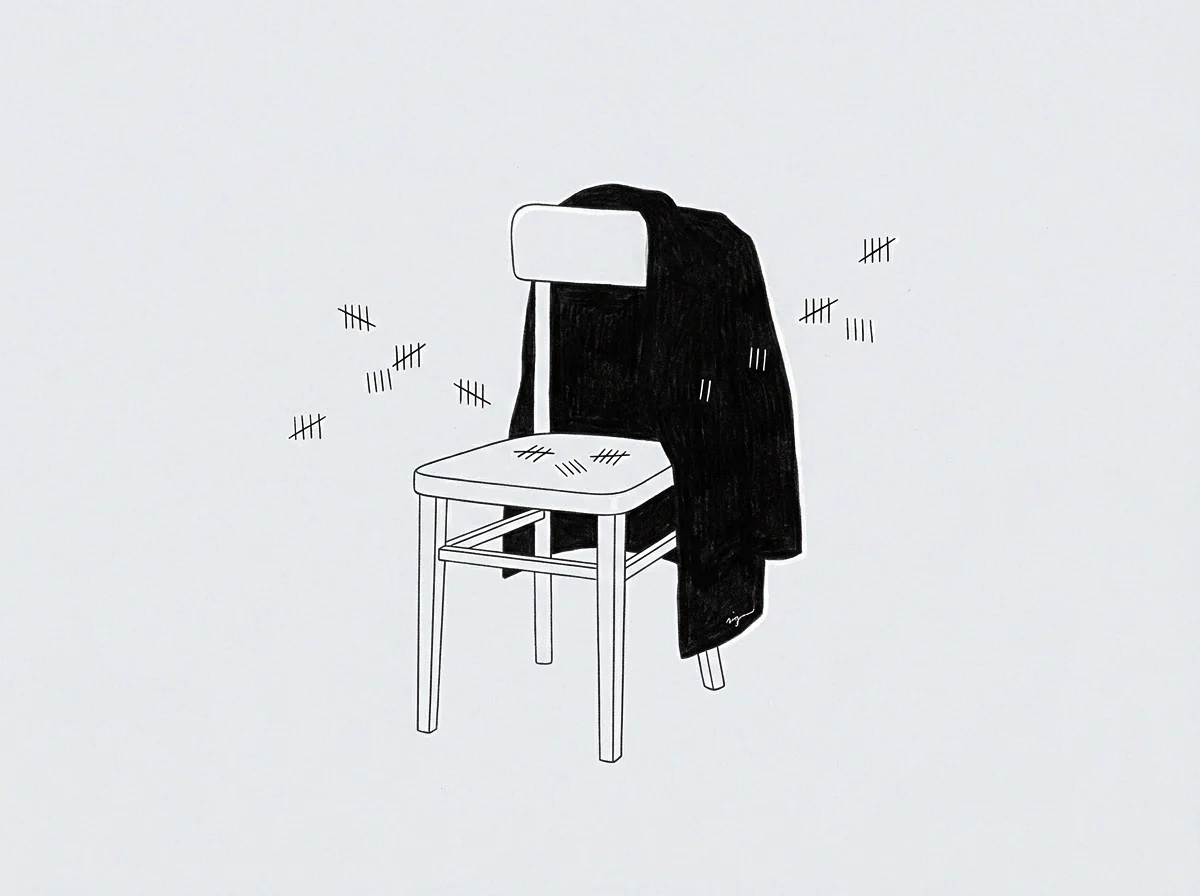
Margin
Decision limits adjust dynamically when environmental variance overwhelms deterministic signal models. In low-noise environments, narrow decision limits allow rapid action with minimal error risk. In high-noise environments, fixed narrow limits lead directly to false positive terminations, where transient noise pushes the accumulator across the threshold before adequate evidence arrives.
The term governs intake. The signal holds.
Expanding decision limits during periods of high environmental volatility increases the required total evidence before a state-gated act can trigger. While wider limits increase the time required to reach a decision, they preserve velocity by ensuring that movement toward the limit reflects true signal rather than random accumulation. Variance shifts the target.
Expanding decision boundaries during high variance prevents false early termination while preserving accumulative directional motion.
When the internal state of the accumulator is protected by dynamic limits, external parties experience clear, predictable availability derived from capacity rather than reactive momentum. The limit remains firm.
The system requires more data points before confirming a shift in direction under these conditions.
Integration
Preserving drift velocity over extended operational horizons relies on structural co-regulation between the primary observer and the verification layer. High noise environments place continuous allostatic load on the decision-maker. When individual cognitive capacity reaches ceiling, setpoint error signals multiply, causing the evidence accumulator to decay or reset prematurely.
Sustained accuracy under noise demands a load-transferring system that offloads verification tasks to externalized structural constraints.
Drift rate dictates movement. Position remains clear.
Transferring load from individual processing capacity to systemic intake terms prevents accumulator velocity from collapsing during sustained operational noise. When the environment generates endless distraction, the load-transferring structure filters, scales, and verifies inputs automatically. The decision-maker interacts exclusively with sanitized, high-gain diagnostic streams, maintaining accumulator velocity until the decision limit is reached.