
Preserving Strategic Direction When Founder Energy Reaches Zero
Strategic direction survives founder depletion when operating priorities transfer from active daily presence to explicit negative constraints and written terms.

Drain
Forty direct messages sit open across two screens at midnight while an operating budget waits for sign-off. The founder stares at a vendor contract without absorbing a clause, attention drained after twelve consecutive quarters of arbitrating every operational dispute. Until tonight, every strategic choice ran through a single nervous system, treating personal endurance as an open subsidy for missing company boundaries.
Once that physical reserve runs out, operating momentum halts simply because no one wrote down where the authority ends.
Operational momentum drops quickly once physical exhaustion sets in. Working memory fragments, emotional regulation slips, and under acute strain an operator loses the mental bandwidth to weigh second-order risks. The body eventually shuts down into either flat apathy or sudden panic.
Staff pick up on the depletion through slow replies and inconsistent guidance, yet they keep routing minor disputes upward because past practice rewarded bringing everything to the top.
Strategic direction outlasts operational exhaustion only when critical priorities exist as visible structural barriers rather than personal daily approvals.
Executive exhaustion is not ordinary tiredness. A weekend of sleep clears ordinary fatigue within forty-eight hours. Systemic depletion happens when an organization uses one person as its administrative shock absorber over months or years.
Ambiguity travels upward until the founder buckles under thousands of micro-decisions. Pushing forward in that state brings unforced commercial mistakes, organizational drift, and severe capital loss.
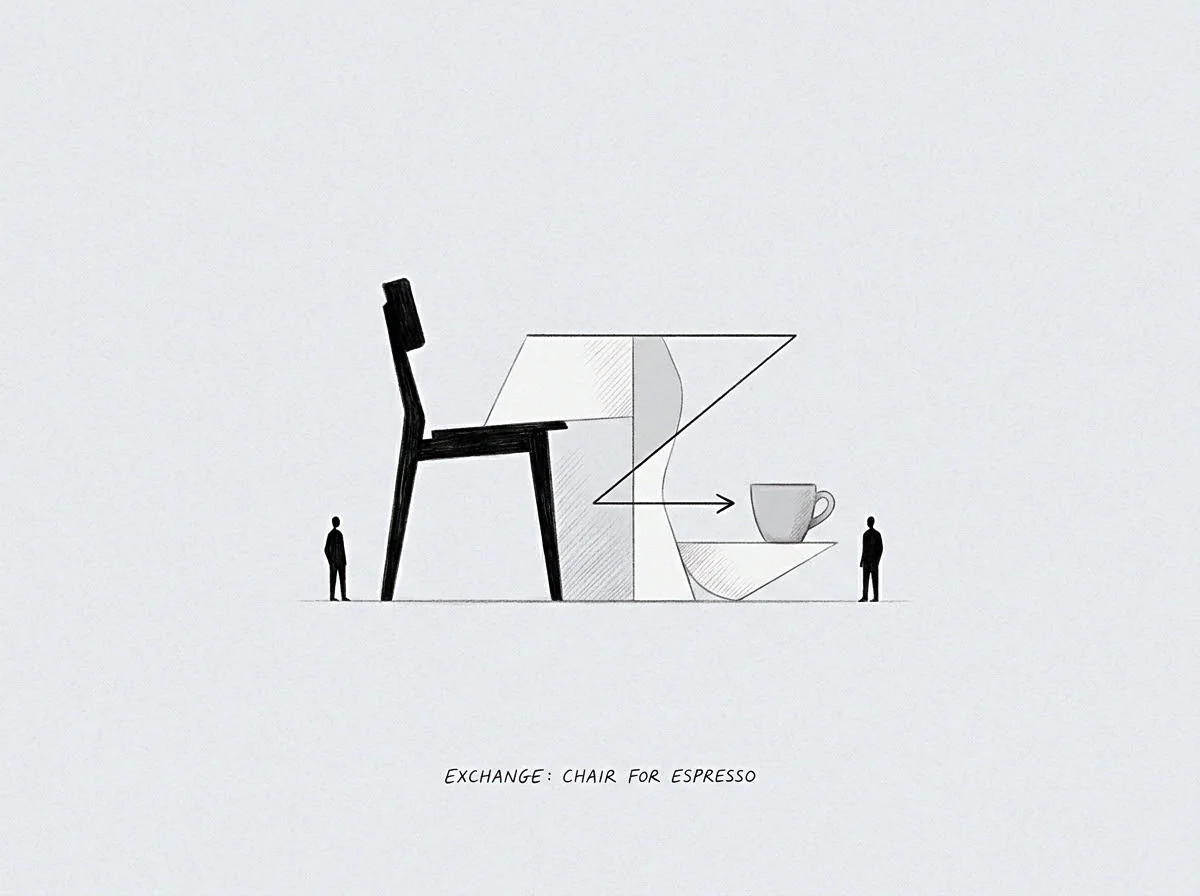
Desk
Stepping back from daily operations becomes unavoidable once cognitive stamina breaks down. Staying in the middle of workflow only chokes it: an exhausted executive skims documents, signs off blindly, and reverses decisions from one morning to the next. Real continuity requires an operating perimeter that runs while the desk sits empty, separating strategic intent from the physical presence of the person who set it.
- Allostatic saturation forces an operator to withdraw once chronic administrative overload slows cognitive processing.
- Arbitration congestion occurs whenever cross-functional teams rely entirely on executive decisions to settle routine tactical friction.
- Directive erosion starts as soon as staff notice conflicting directions coming from an overtired desk.
Physiological state dictates decision quality. A rested operator weighs trade-offs across years, while a depleted one treats every pending decision as an emergency, defaulting to whatever offers immediate relief at the expense of long-term value. Exhaustion tends to produce two extremes: caving to aggressive counterparties or picking unnecessary fights with reliable partners.
Strategic intent holds only when translated into hard rules before total exhaustion hits. Those rules run detached from executive mood. Explicit caps on spending, hiring headcount, and product scope form a rigid perimeter around the business.
A formal governance agreement delegating commercial approval authority to designated operators for ninety days stops paralysis without disturbing existing equity allocations.
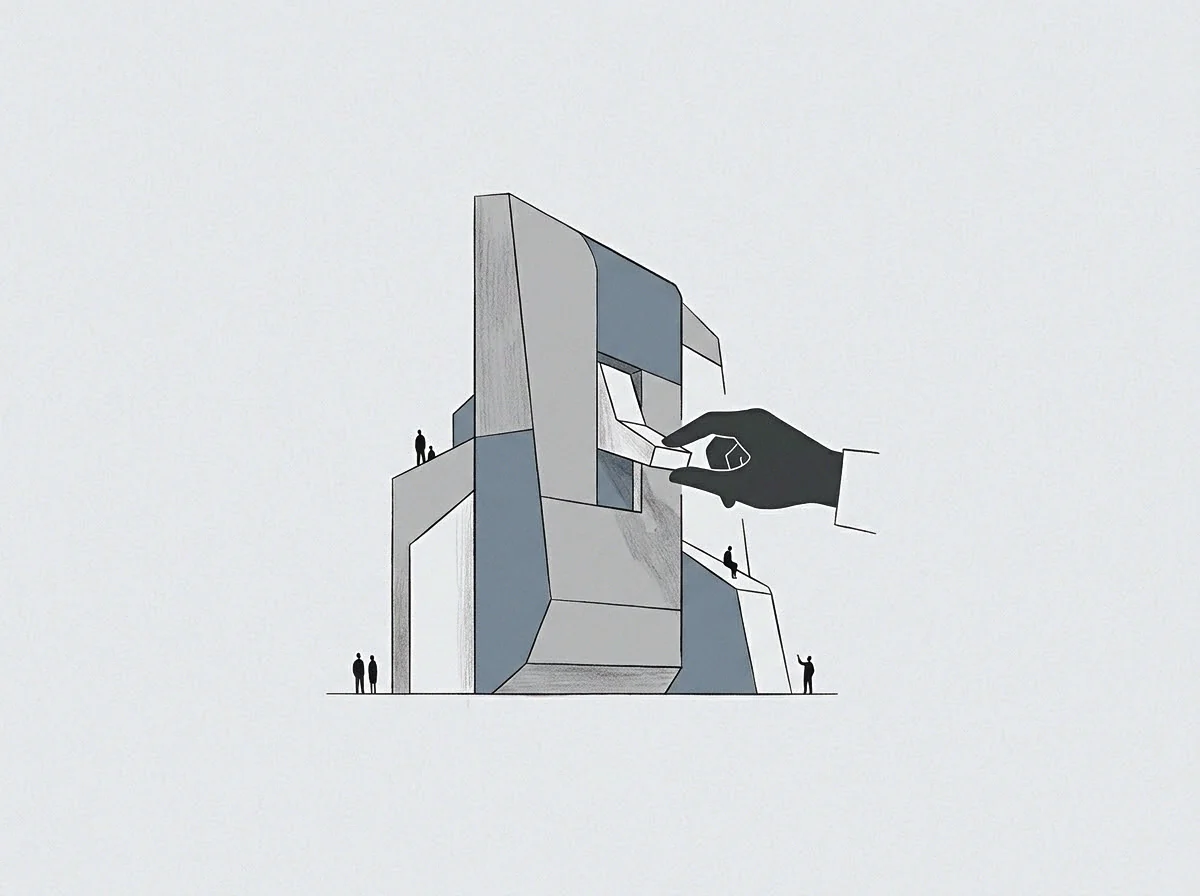
Mandate
Holding company direction without hands-on supervision requires explicit guardrails. Broad statements of corporate philosophy collapse under stress because vague wording lets everyone read in their own priorities. When leadership leaves room for interpretation, teams pull in opposite directions.
Real alignment comes down to written prohibitions that specify exactly which moves require formal board sign-off.
| Governance Dimension | Active Executive Presence | Structural Negative Constraints |
|---|---|---|
| Arbitration Speed | Variable based on fatigue levels | Immediate based on written thresholds |
| Cognitive Load on Leadership | Continuous and cumulative | Zero during active leave periods |
| Directional Drift Risk | High during cognitive exhaustion | Low within predetermined boundaries |
| Staff Operational Autonomy | Suppressed by constant check-ins | High within explicit perimeter lines |
| Counterparty Negotiation Leverage | Compromised by visible exhaustion | Shielded behind contractual terms |
Negative constraints sharpen priorities faster than mission statements. Asking an engineering team to pursue quality produces endless debates over polish. Telling them that release cycles halt whenever test coverage falls below eighty-eight percent draws a clear line.
The team hits an objective rule instead of guessing what leadership wants to hear.
A clear negative limit protects strategic momentum better than ten aspirational values posted on an office wall.
Operating limits also shield company cash from predatory vendor terms. Suppliers often push aggressive contracts when executive leadership looks distracted or absent. Clear written limits prevent project teams from agreeing to unusual indemnities or multi-year lock-ins, giving counterparties a firm contractual wall.
Operations continue smoothly because the rules were set before the leadership seat stepped back.

Filter
Priorities show up in the communication channels that go quiet. An exhausted executive often treats every incoming message as urgent to maintain an illusion of control, but constant availability simply draws in trivial issues that burn limited attention. Silence acts as an operating signal, showing the rest of the company which matters actually require executive time.

Can Operating Guardrails Hold Without Active Intervention?
Autonomous teams work well only when they know where their authority stops. Without clear limits, managers hesitate to act on their own, stalling the entire organization. Strict escalation thresholds allow commercial momentum to continue uninterrupted while leadership is away.
- Define five specific business outcomes that trigger mandatory external advisory consultation.
- Establish cash expenditure limits where division heads execute vendor commitments without higher review.
- Freeze product category expansions until core delivery metrics hit trailing quarterly milestones.
- Route customer pricing exceptions through an actuarial matrix rather than executive intuition.
Operators adapt quickly to written boundaries when those boundaries apply across every department. Ambiguity generates friction, whereas strict parameters give people clear operating room. An engineering lead needs to know whether code refactoring takes priority over new features during a commercial push; a clear operational rule settles that conflict before it reaches a meeting.
A single written rule holds firmer than daily verbal instructions scattered across a dozen meetings.
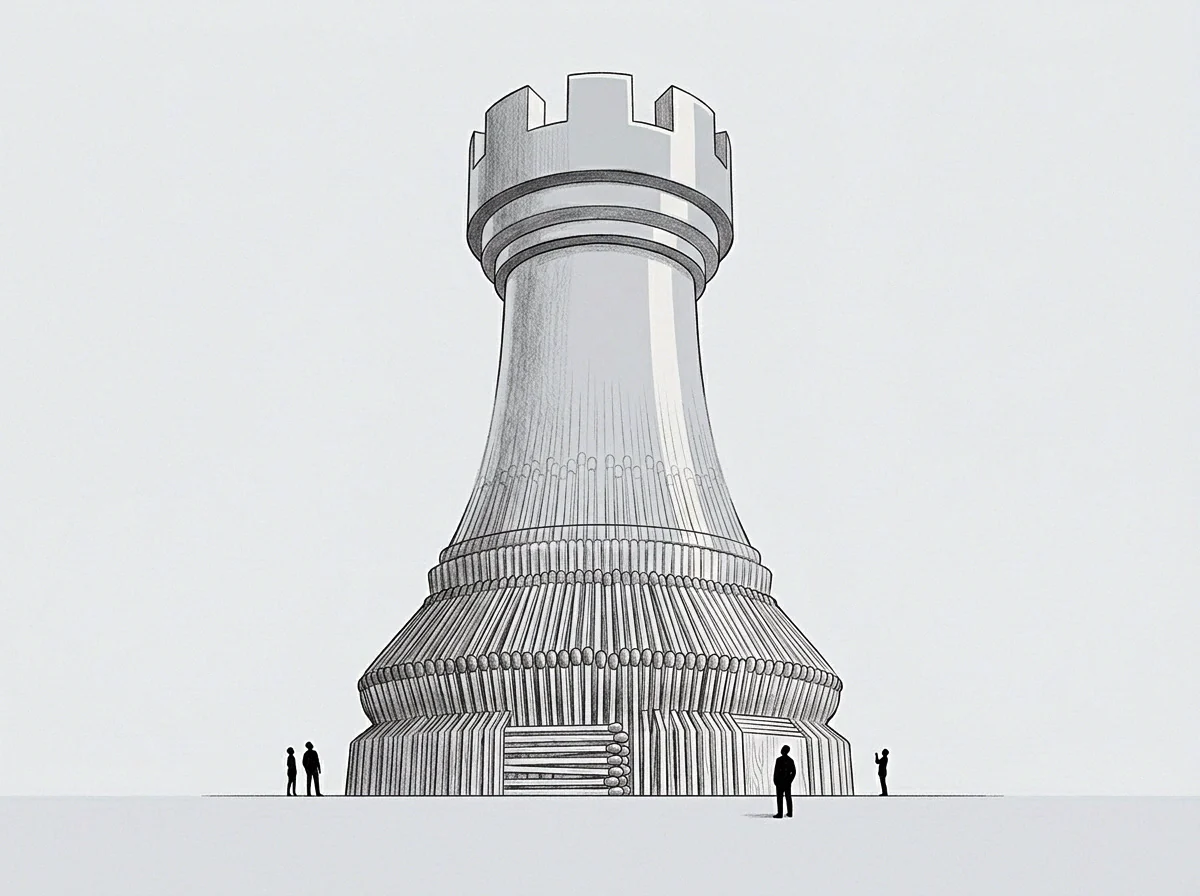
Rudder
Long-term survival depends on structural commitments put in place while executive attention is still sharp. Leaving major directional choices to ad-hoc check-ins during periods of chronic fatigue breaks an organization apart. Once physical capacity hits zero, an enterprise runs entirely on the inertia of earlier governance decisions.
The corporate charter, investor covenants, and compensation agreements become the actual steering controls of the business.
A board of directors provides ballast while leadership recovers. Independent directors with operating experience can measure incoming commercial proposals against the company’s founding charter. That structure preserves original intent and shields exhausted founders from predatory buyouts or rushed recapitalizations.
Continuity holds because fiduciary responsibility sits with an institution rather than a single worn-out operator.
Baseline corporate covenants preserve directional integrity when executive biological systems demand immediate total rest.
Putting this structure in place requires practical honesty. Founders frequently resist stepping away from daily decision lines because the work has replaced their personal identity. Prolonged resistance invites severe operational breakdown once physical endurance finally gives out under market pressure.
Stepping behind pre-built operational boundaries is simply calculated capital preservation.
Whether an enterprise can weather sudden market shocks when neither its executives nor its board hold surplus attention remains an open question in corporate design.