

Structural Adaptation Of Regulatory Templates In Early Founder Transitions
Early founder transitions require shifting systemic regulation from the founder prefrontal cortex to explicit operational throttles to restore neural headroom.
Early founder transitions require shifting systemic regulation from the founder prefrontal cortex to explicit operational throttles to restore neural headroom.

Partner coregulation functions through shared autonomic offloading until sustained operational load exhausts vagal reserves and forces protective throttling.

Downstream autonomous execution accelerates incoming volume while funneling concentrated edge cases to human supervisors, causing cognitive collapse without hard limits.

Restoring physiological headroom requires strict gating of active operational loops to reduce allostatic wear across unbalanced partner structures.

Stated operating limits function as structural walls that reallocate load, ending implicit emotional absorption across pressurized executive partnerships.

Mechanical circuit breakers decouple saturated leaders from operational escalation loops by enforcing rigid structural thresholds and automated communication quarantines.

Strategic direction survives founder depletion when operating priorities transfer from active daily presence to explicit negative constraints and written terms.

Automated governance circuit breakers decouple exhausted operator biology from capital authority through objective biometric triggers and treasury lockouts.
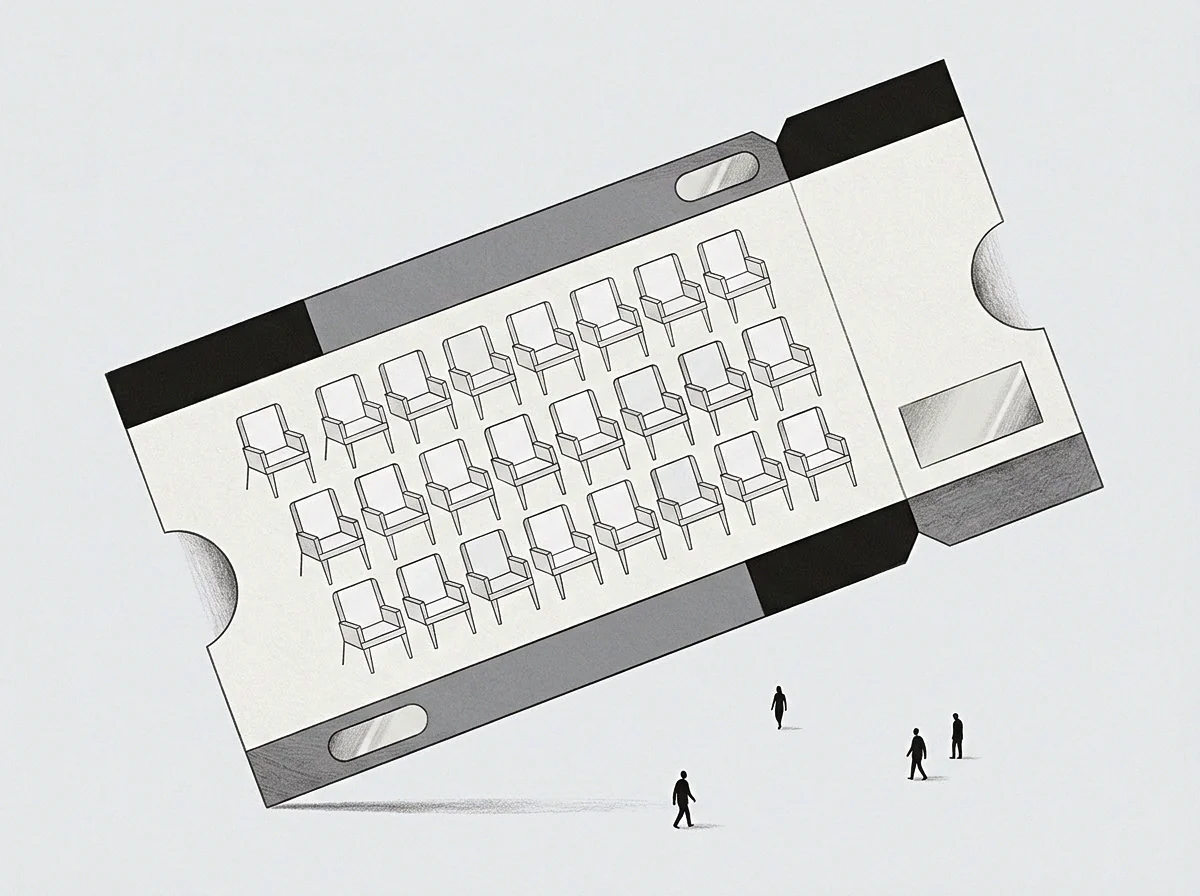
Allostatic load accumulates when unclosed operational loops exceed cognitive concurrency limits, triggering autonomic throttling to protect biological stability.

Enterprise scaling thresholds preserve executive capacity by delegating decision boundaries and filtering communication channels when headcount expands rapidly.
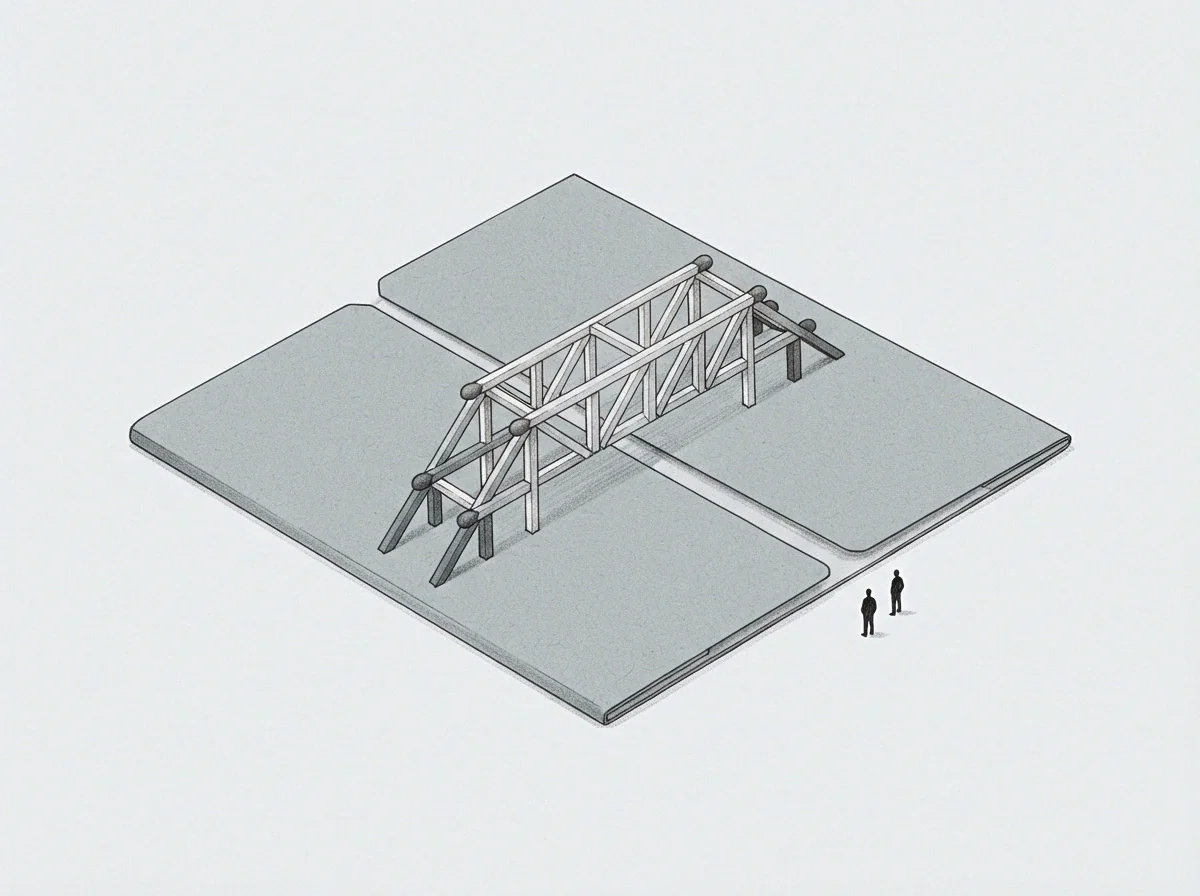
Chronic operational burnout forces the autonomic nervous system to process partner presence as operational load rather than baseline calm, requiring structured non-demanding micro-exchanges to rebuild somatic receptivity over time.

Concurrency limits in expanding management systems are determined by setting hard limits on parallel task intake based on human state capacity.

Delegation gates shorten executive autonomic latency by setting explicit financial and operational boundaries that close open cognitive loops.

Self-regulation alone taxes human physiology, forcing sole regulators in high-growth firms to throttle operational output when total allostatic load hits ceiling.

Priority filtering stops executive decision fatigue by setting hard quantitative boundaries that divert routine operational pings away from leadership queues.

Executive working memory slot depletion saturates central processing registers, eliminating cognitive headroom and forcing reactive heuristic triage over strategic modeling.

Fast-growing corporate structures transfer operational load to responsive executives until explicit structural boundaries redirect coordination overhead.

Executive load forces solitary metabolic threat budgeting, whereas earned security restores social baseline function to share regulation across peers.
The terms are written where they belong. Each field holds three desks, and every entry a desk writes raises the terms it uses, each term given a meaning, a mechanism and the places it appears. The record on these pages stays first person and hand made; the fields grow the nomenclature.