
Quantifying Executive Capacity Limits Under Allostatic Load and Systems Level Co Regulation Deficits
Executive capacity contracts predictably under allostatic load, collapsing to serial processing when organizational systems fail to provide co-regulation.
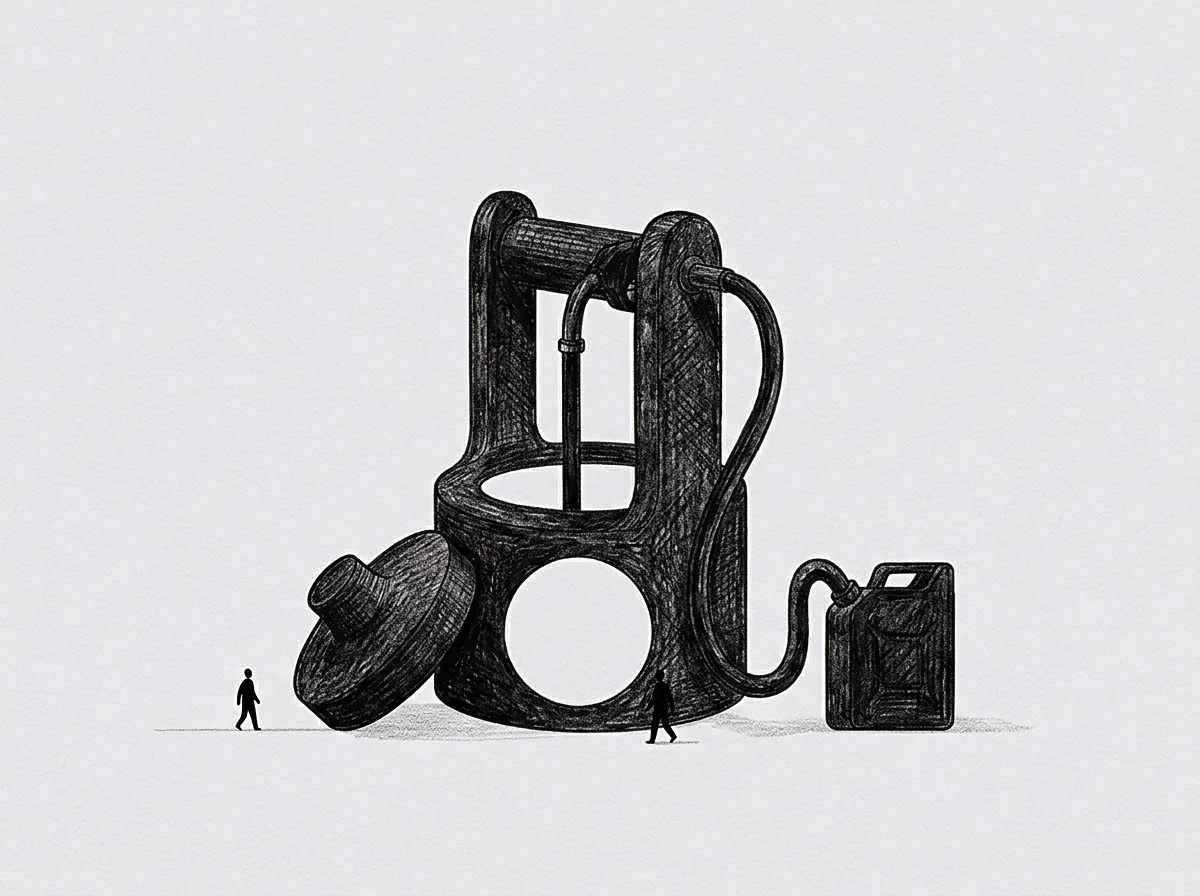
Floor
Executive capacity breaks along measurable lines when metabolic debt outruns recovery. Four inbound messages remain unanswered on a desk past midnight while working memory contracts to immediate threat detection. Cognitive control rests on glucose availability, prefrontal catecholamine regulation, and systemic autonomic tone.
As sustained demand drives up baseline cortisol and sympathetic activation, neural tissue supporting working memory, cognitive flexibility, and task switching undergoes metabolic constriction. The brain prioritizes defensive motor patterns over deliberative evaluation, reducing high-order processing capacity.
Measuring this drop begins with the concurrency limit, which tracks the number of open operational streams an operator holds before error rates exceed acceptable tolerances. Well-rested working memory handles three to four complex variables simultaneously during executive evaluation. Under heavy allostatic load, that capacity narrows toward one.
Each additional variable compounds latency, delaying decisions and degrading error monitoring. Operators experience this reduction as cognitive drag, though the underlying mechanism is systemic throttling driven by biological preservation.
A system operating at peak metabolic output drops concurrent processing streams to preserve basic autonomic function.
The reduction manifests through observable working thresholds:
- Working memory headroom drops from four concurrent operational streams to a single serial evaluation pathway.
- Attentional switching latency expands from tenths of a second to minutes between divergent organizational problems.
- Error detection sensitivity declines, causing aberrant signals to pass through unmonitored during operational execution.
- Inhibition efficiency deteriorates, allowing immediate emotional alarms to dictate systemic resource allocations.
A stated term sets a clear boundary across these degrading channels. When an operator specifies that operational responses require twenty-four hours of evaluation, that explicit temporal limit halts automatic escalation without drawing down depleted physiological reserves.
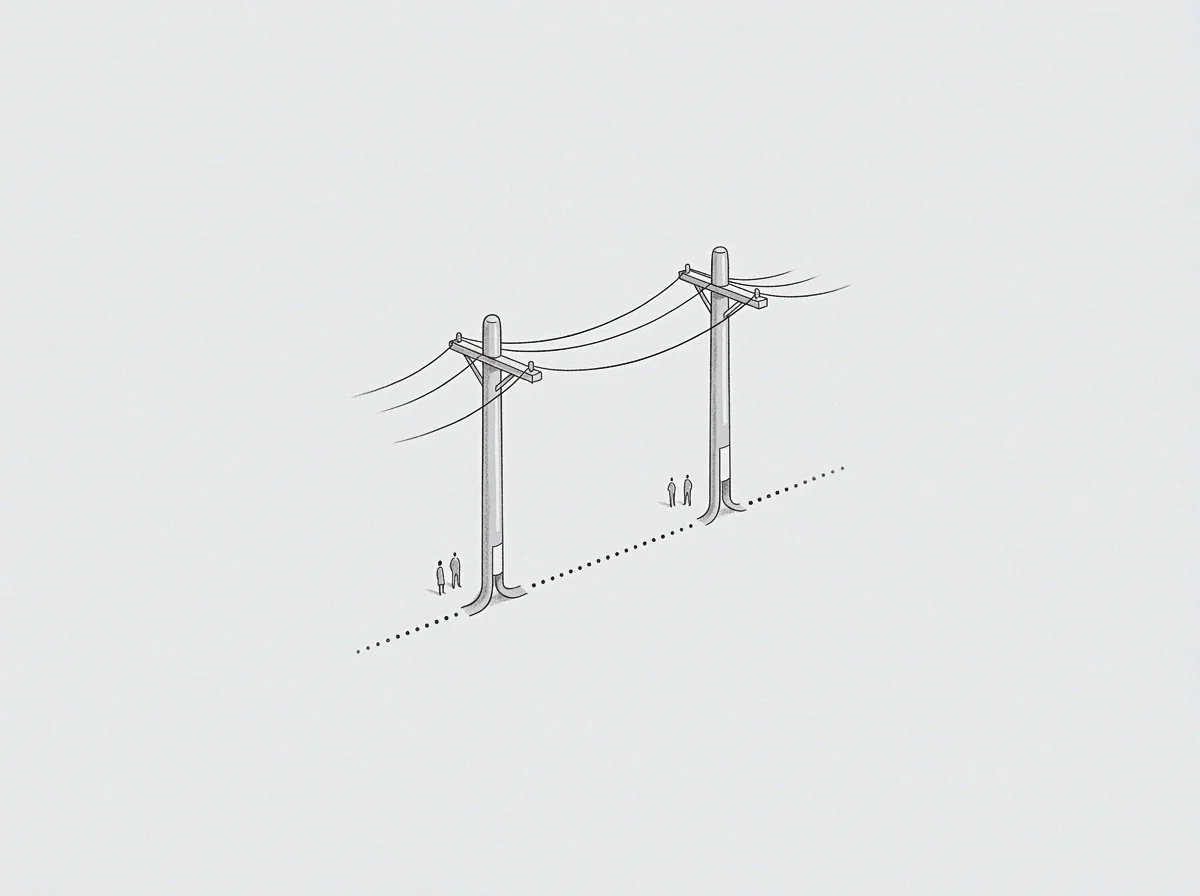
Drift
Relational environments operate as biological extensions of individual regulatory architecture. Proximity to predictable, low-friction partners reduces the metabolic cost of navigating daily operational hazards. When an operating team maintains stable predictive patterns, threat appraisal is shared across members.
Relational co-regulation acts as an external load metabolizer, preserving neural reserves for execution.
When this regulatory buffer develops deficits, the balance reverses. Ambiguous expectations, uneven load distribution, and volatile communication force the operator to monitor the internal social environment as an active hazard. Social friction takes prefrontal priority, drawing resources away from core commercial goals.
The system runs continuous error-checking loops against colleagues instead of evaluating external execution criteria.

Predictive Friction and Relational Drag
Predictive friction creates chronic vigilance. The autonomic nervous system interprets organizational ambiguity as ambient instability, sustaining vagal suppression and suppressing heart rate variability. Executive output deteriorates because self-regulation replaces shared baseline safety, leaving the individual operator to handle operational variance alone.
Unstated boundaries force relational systems into continuous predictive scanning at severe physiological expense.
The breakdown of external buffers accelerates operational distortion across the enterprise. Left uncorrected, an unbuffered operating environment translates relational anxiety into executive error, compounding systemic drag until missed contractual deadlines compromise organizational solvency.
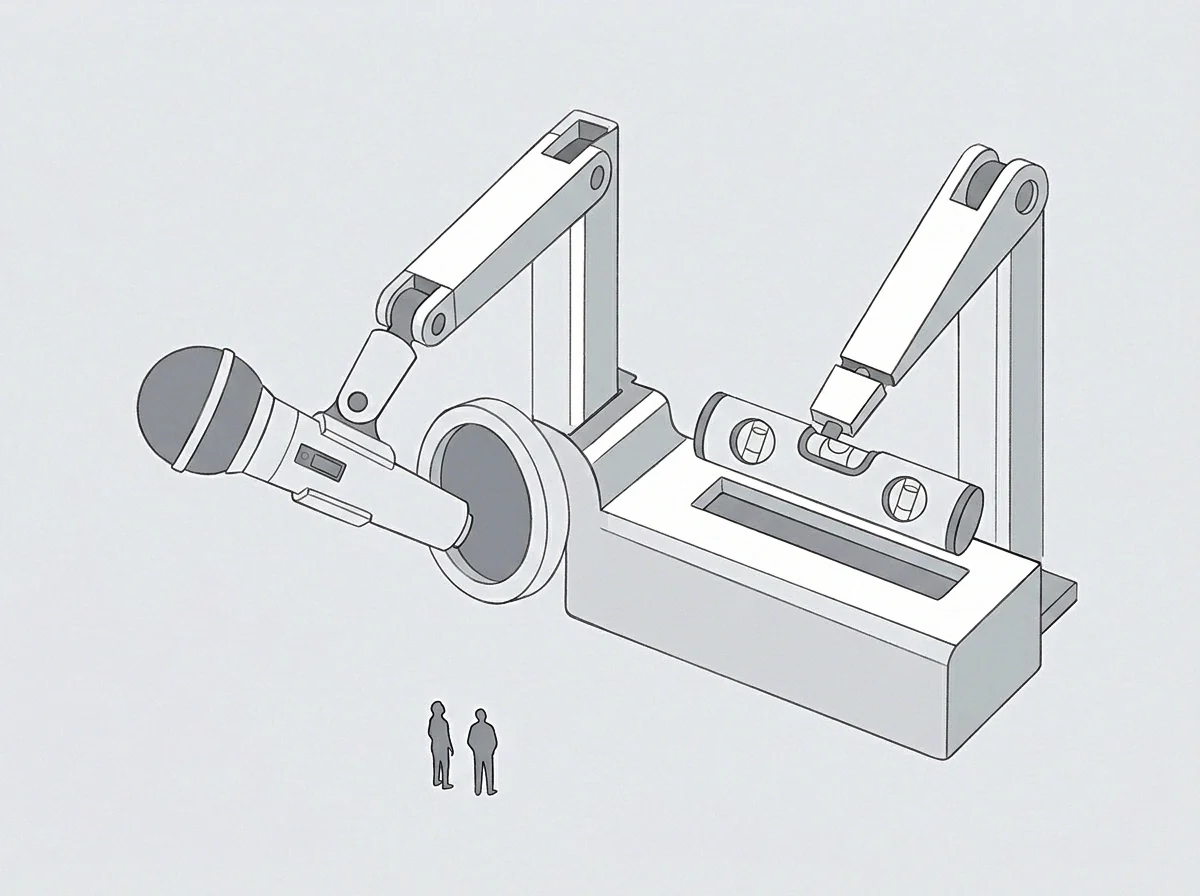
Loop
Operating capacity degrades through measurable stages as sustained burden exhausts biological buffers. When individual metabolic expenditure combines with fractured team regulation, performance follows predictable degradation curves. Collapse is rarely instantaneous; output deteriorates through serial compromises, shifting from deliberate execution toward reflexive containment.
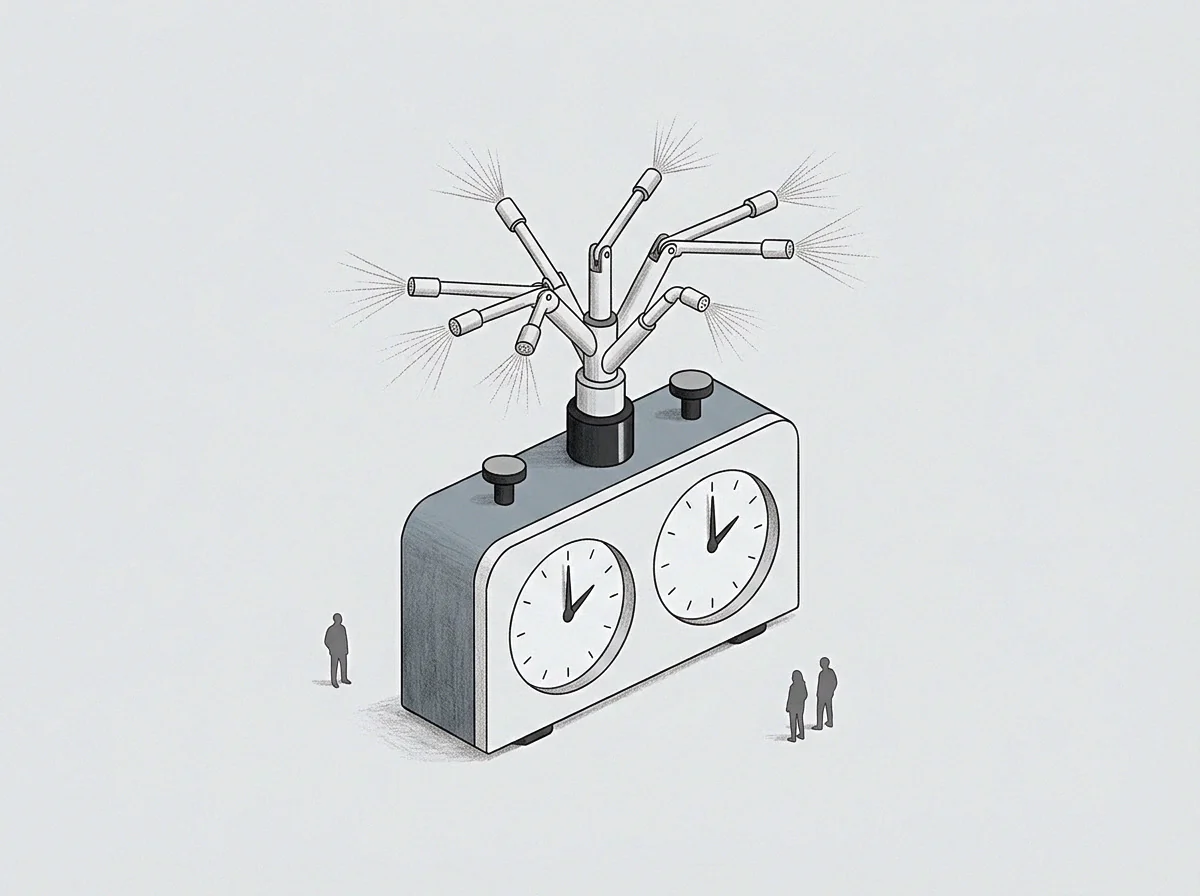
Where Does Relational Buffering Cease Under Sustained Pressure?
Field observation identifies three distinct zones of regulatory degradation. The transition between zones depends on the balance between allostatic debt and external regulatory support. The following criteria capture this progression across organizational tiers.
| Operational State | Allostatic Load Markers | Co-Regulation Status | Executive Capacity Yield |
|---|---|---|---|
| Buffered Equilibrium | Normal cortisol rhythms; stable heart rate variability | Predictable operational channels; active mutual reassurance | Full concurrency; long-range temporal modeling intact |
| Compensated Vigilance | Elevated tonic sympathetic output; interrupted sleep cycles | Intermittent friction; defensive messaging across leadership | Serial task execution; strategic planning reduced to days |
| Systemic Depletion | Suppressed autonomic flexibility; neuroendocrine burnout | Total relational deficit; isolation; antagonistic signaling | Immediate reaction only; severe decision paralysis |
In the compensated state, operators maintain external appearances of capacity through deliberate effort. Willpower bridges the deficit, but voluntary effort carries an escalating metabolic cost. Operators drain physiological reserves to maintain standard commercial throughput, converting physical health into temporary functional continuity.
This dynamic raises an unresolved question: can an executive recover while remaining inside an operating structure that stays continuously dysregulated, or does restoration require complete physical severance from the organizational architecture?

Strain
Distinguishing internal physiological state from transient mood is central to executive preservation. Mood is an episodic signal that dissipates with situational shifts, whereas biological state acts as the operational transfer function, dictating how inputs convert into execution. A fatigued operator experiences altered sensory processing, impaired delayed gratification, and skewed threat assessment regardless of transient optimism.
State Gated Execution
Certain high-stakes functions remain strictly state-gated. Structural acquisitions, shareholder agreements, and executive dismissals require deep working memory and strong emotional inhibition. Executing these maneuvers under systemic metabolic debt generates severe tactical errors.
Decision-gated tasks can proceed by direct intent, but state-gated execution fails whenever biological preconditions are missing.
Pushing past biological limits summons counter-regulatory forces. When an operator attempts to bypass physical exhaustion using stimulants or extended hours, biological self-preservation enforces cessation through physical breakdown or cognitive withdrawal. A stated limit remains a stable structure, whereas unstated limits crack under continuous pressure.
A biological system enforces cessation through shutdown when explicit structural limits remain absent.
No amount of determination repairs a damaged transfer function. In time, the team observes that leadership has withdrawn behind closed doors and stopped responding to strategic correspondence.

Rail
Establishing clear structural rails preserves executive capacity against relational strain. In any human system, uncontained anxiety flows toward the most responsive node. When an operator acts as an open regulatory sponge, the enterprise offloads its structural discomfort onto that individual.
Concrete operating terms interrupt that transfer.
A stated term stands outside personal emotion. Defining explicit communication windows, setting fixed agendas, and requiring written summaries before meetings interposes a firm constraint between the operator and systemic demand. The organization encounters a fixed rule rather than an elastic individual.
Pushing against the boundary produces predictable friction, but the operator stays insulated behind the standard.
Operational silence functions as a structural position rather than an absence of engagement. Managing availability through silence establishes priorities without requiring drawn-out relational debates. Leaving a communication line unmonitored pushes operational urgency back to its source.
Keeping channels quiet preserves prefrontal bandwidth for primary strategic decisions.
Structural limits hold firm long after personal patience runs dry.