
Quantifying Structural Latency Limits Across Multi Board Governance Networks During Extended Sleep Depletion
Extended sleep depletion elevates decision latency across concurrent board seats, forcing governance systems to throttle voting speed to prevent risk drift.
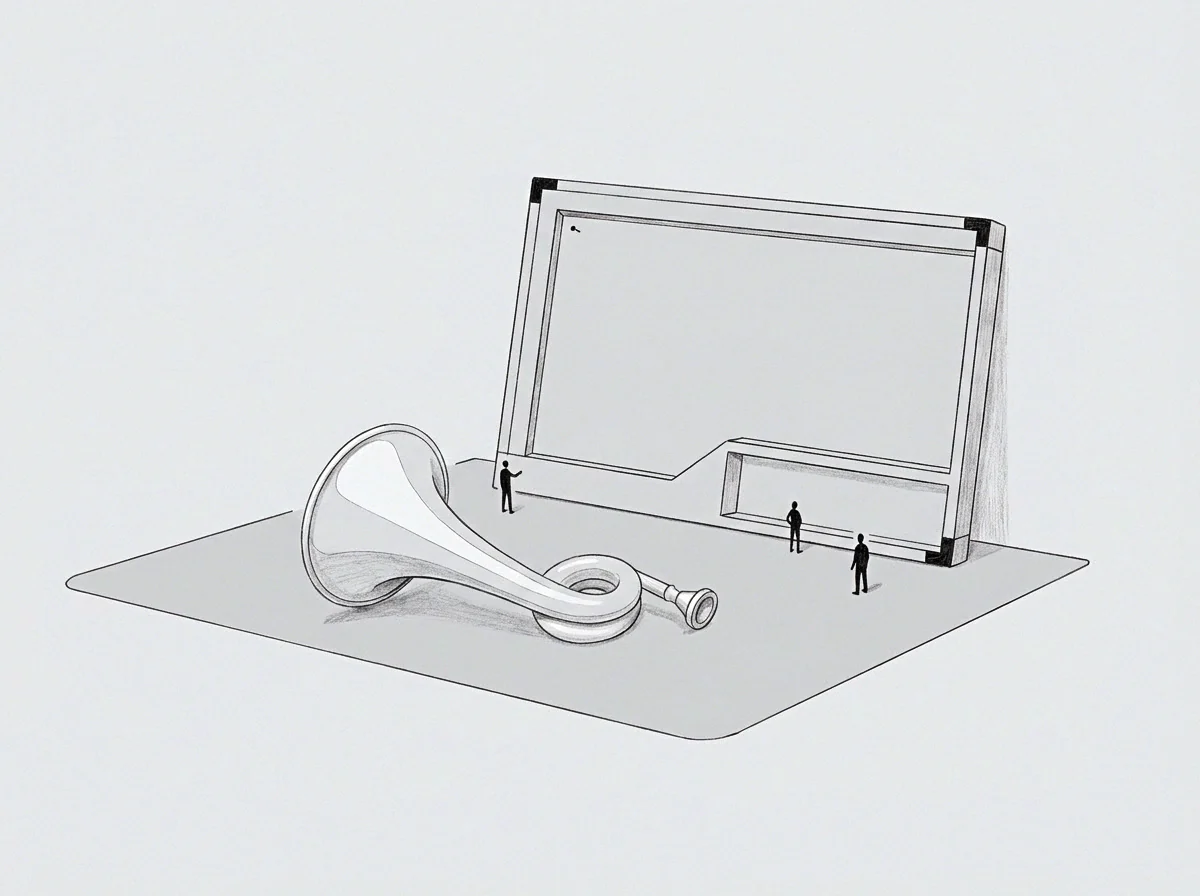
Seat
Executive governance functions falter when multi-board directors operate under severe biological debt. A director sitting at a desk at three in the morning with board packages from three separate corporate entities open across multiple screens faces a compounding processing burden. Incoming communications demand immediate evaluation of liquidity lines, executive compensation adjustments, and structural restructuring options.
Prefrontal metabolic recovery depends upon continuous slow-wave sleep cycles. Extended sleep depletion, defined as continuous rest restriction below five hours per twenty-four hour period for more than three days, impairs metabolic glucose utilization in the prefrontal cortex.
Corporate governance structures demand concurrent analytical throughput from directors holding multiple appointments. When sleep debt accumulates, the prefrontal cortex reduces working memory gating speed and suppresses sensory integration. The director retains basic reading comprehension while losing the ability to evaluate multi-variable risk matrices across simultaneous corporate holdings.
Decision gating becomes compromised when physiological setpoints drift. Multi-seat directors face compounding incoming load from competing management teams. Each management team treats the director as continuously available, issuing high-priority pings that demand real-time synthesis.

Cognitive Throttling in Multi Board Governance Structures
Sleep debt elevates decision latency. Exhaustion degrades prefrontal executive control. The physiological capacity to filter noise from signal decays systematically over prolonged waking hours.
In multi-board environments, this reduction in throughput manifests as extended latency between signal arrival and director response. Management teams sending urgent voting requests during late-night windows receive either delayed responses or reactive sign-offs. The director who lacks stated operational limits absorbs incoming requests until biological headroom collapses.
Systemic processing delay doubles when cumulative sleep loss exceeds twelve hours across a five-day governance cycle.
A regulator proven under load attracts more incoming load until a hard structural wall appears. In corporate governance arrays, board members often act as human regulators for management teams. When a director fails to state explicit boundaries around availability, management teams push operational items through governance channels at all hours.
The director attempts to compensate through extended effort, masking underlying cognitive throttling. This effort-based compensation masks processing degradation while internal metabolic reserves deplete completely.
Unrecognized physiological latency converts proactive board oversight into passive ratification of high-risk executive proposals.

Latency
Board signal processing slows as physiological recovery cycles compress. Walk forward a worked situation involving a director holding four concurrent governance positions during an acute financial restructuring window across two portfolio holdings. Assume the director has experienced seventy-two hours of continuous rest disruption, averaging fewer than four hours of fragmented sleep per night.
The structural throughput of the director determines the operational speed of the governance array.
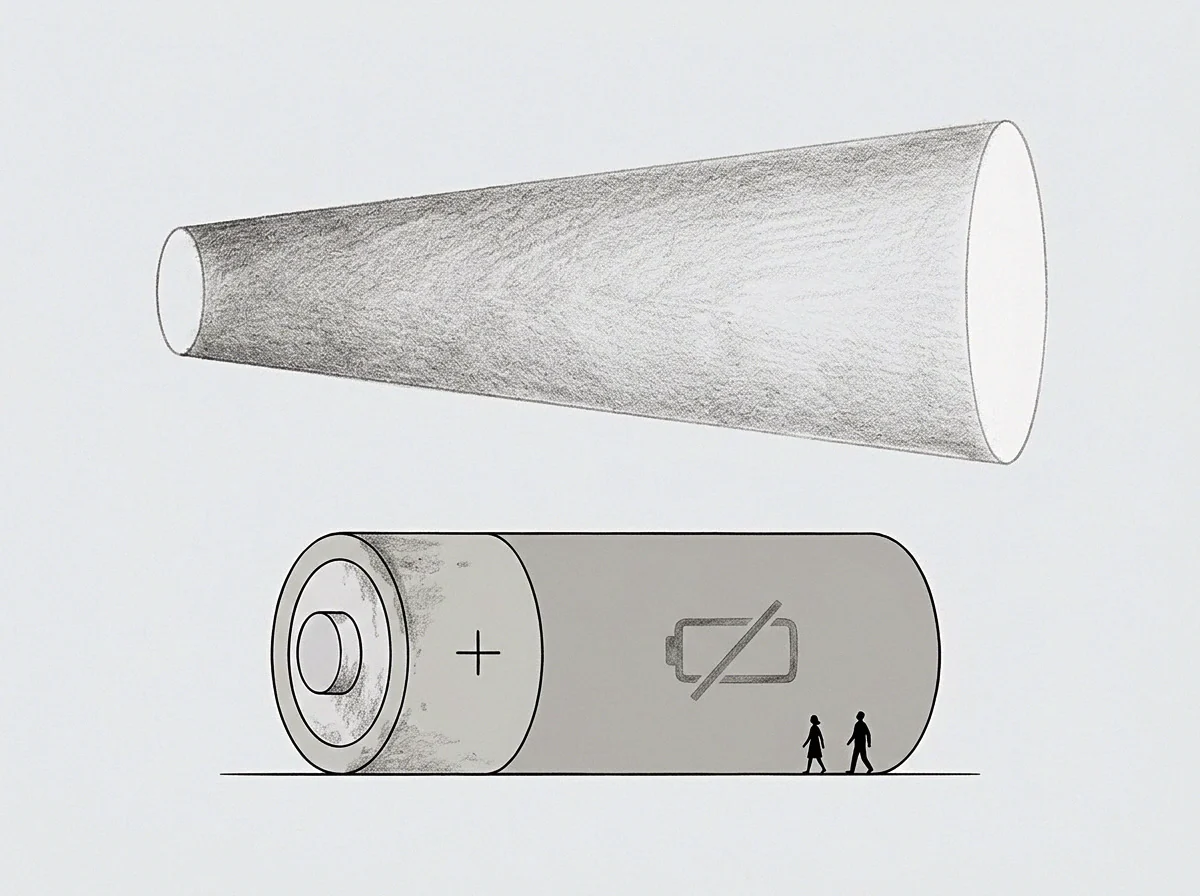
Measuring Decision Delay Across Concurrent Governance Seats
The director receives an urgent board resolution requiring approval for a bridge loan covenant amendment. Under baseline physiological states, evaluating the debt covenants, cash flow projections, and inter-creditor subordination agreements takes forty-five minutes of concentrated analysis. Under extended sleep depletion, working memory capacity shrinks, preventing the director from maintaining multiple financial variables in active attention simultaneously.
The evaluation time stretches to six hours, or gets deferred entirely until morning.
This operational delay represents a structural lag within the corporate governance system. A decision-gated act, such as approving a financing term sheet, relies on conscious cognitive processing. When prefrontal capacity drops, execution shifts into a state-gated act where physical exhaustion blocks processing regardless of executive effort.
The resulting latency creates operational friction across connected operational entities. Management reads this delay as tacit consent or deliberate obstruction, altering inter-organizational trust.
Comparative Processing Parameters in Governance Arrays
| Operational Parameter | Baseline Rested State | Acute Sleep Restriction | Extended Depletion State | Governance System Impact |
|---|---|---|---|---|
| Signal Processing Time | 30–60 minutes per board package | 2–4 hours per board package | 6–12 hours per board package | Severe lag in board consent loops |
| Working Memory Capacity | 7 standard cognitive units | 4 standard cognitive units | 2 standard cognitive units | Inability to cross-evaluate debt covenants |
| Asynchronous Response Delay | 15–45 minutes | 3–6 hours | 12–24 hours | Stalled committee consensus windows |
| Risk Tolerance Drift | Calibrated to policy limits | Mild risk aversion bias | Severe uncalculated risk seeking | Unintended authorization of toxic terms |

Structural Failure Modes in Exhausted Oversight
Extended physiological load degrades governance quality through specific systemic failure patterns:
- Signal Gating Threshold: Cognitive filtering degrades, causing trivial operational updates to consume scarce executive focus while major financial risks sit unexamined in board queues.
- State Dependent Risk Drift: Decision makers exhibit heightened loss aversion during initial sleep loss but shift into reckless risk seeking when sleep debt exceeds sixty hours.
- Consensus Window Expansion: Resolving divergent board member positions requires four times as many asynchronous messages due to delayed comprehension of written legal arguments.
Processing delay expands the voting window. Errors accumulate across concurrent board seats. Throttling protects capital allocation decisions.
Signal degradation accelerates when multiple directors on the same board experience concurrent sleep loss. When three out of five audit committee members operate under cumulative sleep debt, board communications experience compound latency. Clarifying questions multiply, misinterpretations of legal language increase, and consensus formation stalls.
A state-gated governance act executed during extended physiological depletion transfers unquantified downside risk directly to capital investors.
Management assumes consent when board members fail to log objections before the emergency voting window closes.
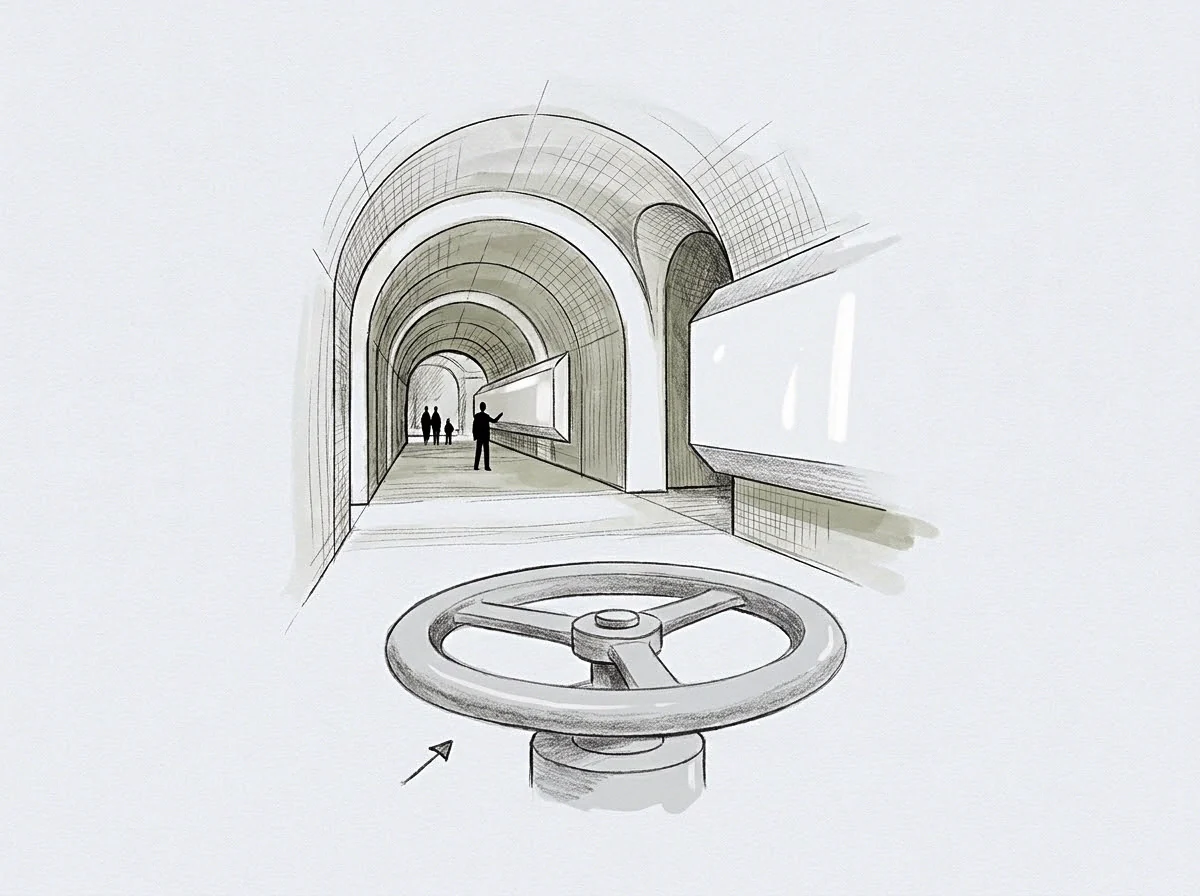
Capacity
Governance workload boundaries collapse when operational availability is derived while explicit capacity limits remain unstated. Board members often attempt to manage excessive incoming load through internal willpower. Willpower represents a transient emotional output rather than a stable physiological capacity.
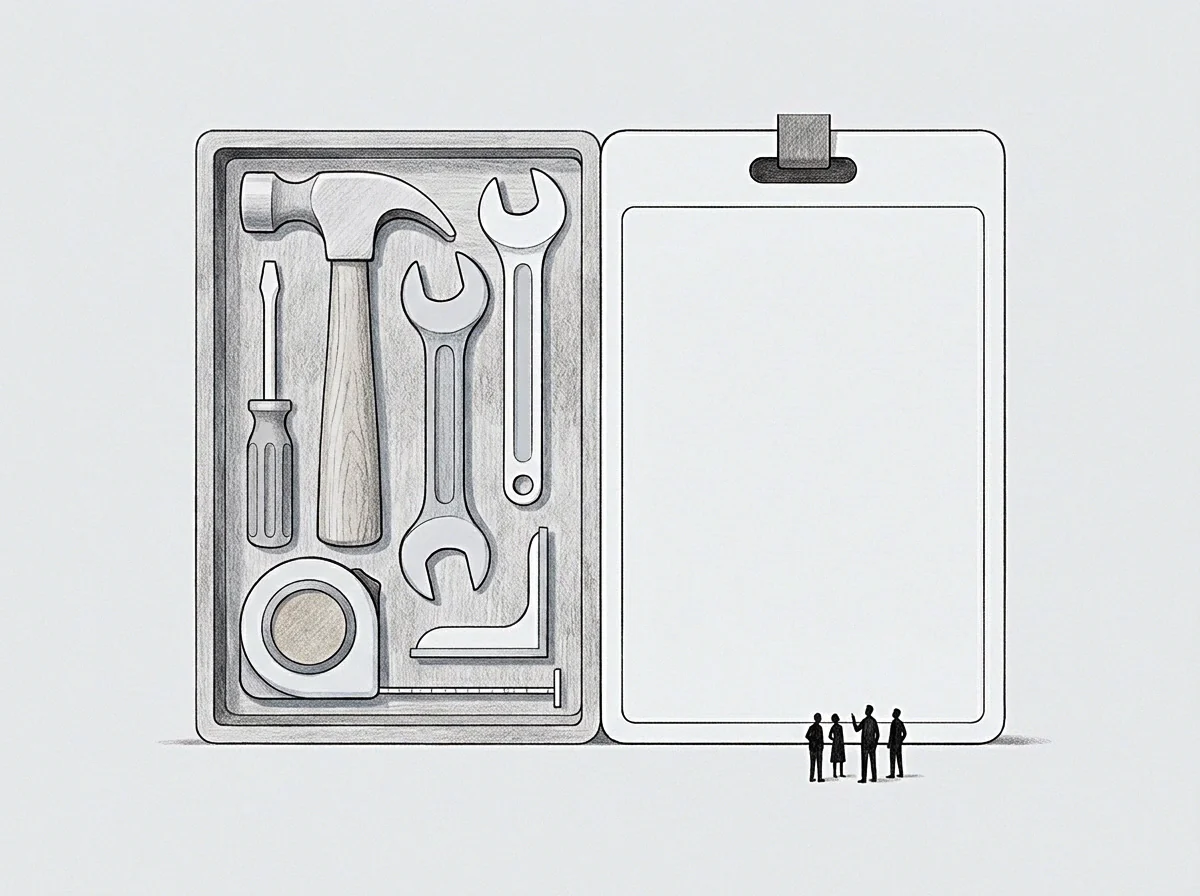
State is the underlying transfer function deciding what an input produces, readable through metabolic headroom, open loops, and incoming load. When metabolic headroom drops below baseline thresholds, specific cognitive operations become biologically unavailable.
What Triggers Governance Circuit Breaking Under Sleep Loss?
State-gated actions cannot be forced through sheer determination when prefrontal circuitry lacks metabolic glucose. Attempting to force complex governance decisions during acute sleep debt produces systematic errors in probability estimation and contractual clause interpretation. To protect capital allocation integrity, multi-seat governance networks require formal circuit breakers that replace human discretion with explicit procedural stops.
- The board member logs continuous wakefulness exceeding twenty-four hours prior to a scheduled vote.
- Governance bylaws mandate formal transmission of a temporary incapacity notice to the corporate secretary.
- Voting rights on audit, risk, and compensation committees transfer automatically to a designated alternate director.
- Management receives formal notification extending open voting windows by forty-eight hours.
Concurrent seats amplify state degradation. Cognitive fatigue slows financial review. State depletion forces operational delays.
Psychomotor vigilance testing in high-stakes environments proves that continuous wakefulness exceeding twenty-four hours produces performance degradation equivalent to a blood alcohol concentration of 0.10 percent. This finding rests on standardized visual reaction time experiments in controlled laboratory settings, and would require revision if empirical telemetry from corporate boardrooms demonstrated that structured group deliberation mitigates individual motor and cognitive slowing.
Stated governance limits prevent load-transferring management teams from exploiting director exhaustion.
Stating explicit terms transfers the burden of regulation from the individual director to the governance contract. When a director states a hard limit regarding review windows, management teams must adjust operational timing to accommodate the stated term. Availability becomes a derived value calculated from stated position and stated cost, removing ambiguous expectations between executives and board members.
The insertion of an explicit sleep latency clause in governance bylaws revokes voting rights automatically once continuous wakefulness reaches thirty hours.
Consensus
Board alignment breaks down when multi-director communication loops experience variable processing lags. In multi-board networks, directors operate on desynchronized rest and wake cycles. When an emergency motion requires unanimous written consent, desynchronized sleep debt introduces severe temporal asymmetry into the voting process.
One director reviews board materials at two in the morning while severely sleep-depleted; another reviews at seven in the morning while rested. The depleted director issues vague or contradictory feedback, creating confusion and expanding consensus cycles.

Asynchronous Drift and Signal Degradation in Board Votes
Signal loss alters consent thresholds. Information stalls in committee queues. Unstated limits invite cognitive overload.
Physiological strain alters risk assessment. Asynchronous communication channels mask cognitive impairment. Text-based board updates allow exhausted directors to hide processing delays behind brief, unreflective approvals.
Management teams seeking rapid authorization often exploit this window, pushing complex proposals during late hours when director resistance is lowest.
Research in group dynamics indicates that sleep-depleted teams suffer from premature convergence on sub-optimal decisions due to reduced cognitive friction and motivation to challenge flawed assumptions. This finding rests on behavioral observations of small command teams during simulated crisis operations, and would change if longitudinal studies of corporate boards showed that formal parliamentary rules prevent hasty consensus formation.
While mathematical models suggest multi-seat governance arrays compound latency exponentially across interconnected corporate entities during systemic shocks, empirical field data isolating biological fatigue from market volatility remains sparse. Under this uncertainty, conservative corporate governance committees enforce strict caps on maximum simultaneous board directorships.
Exhausted board arrays substitute passive concurrence for rigorous questioning during capital allocation requests.
It remains uncertain whether automated biometric tracking will eventually be integrated into corporate governance bylaws to mandate real-time decision pauses during verified physiological exhaustion.

Buffer
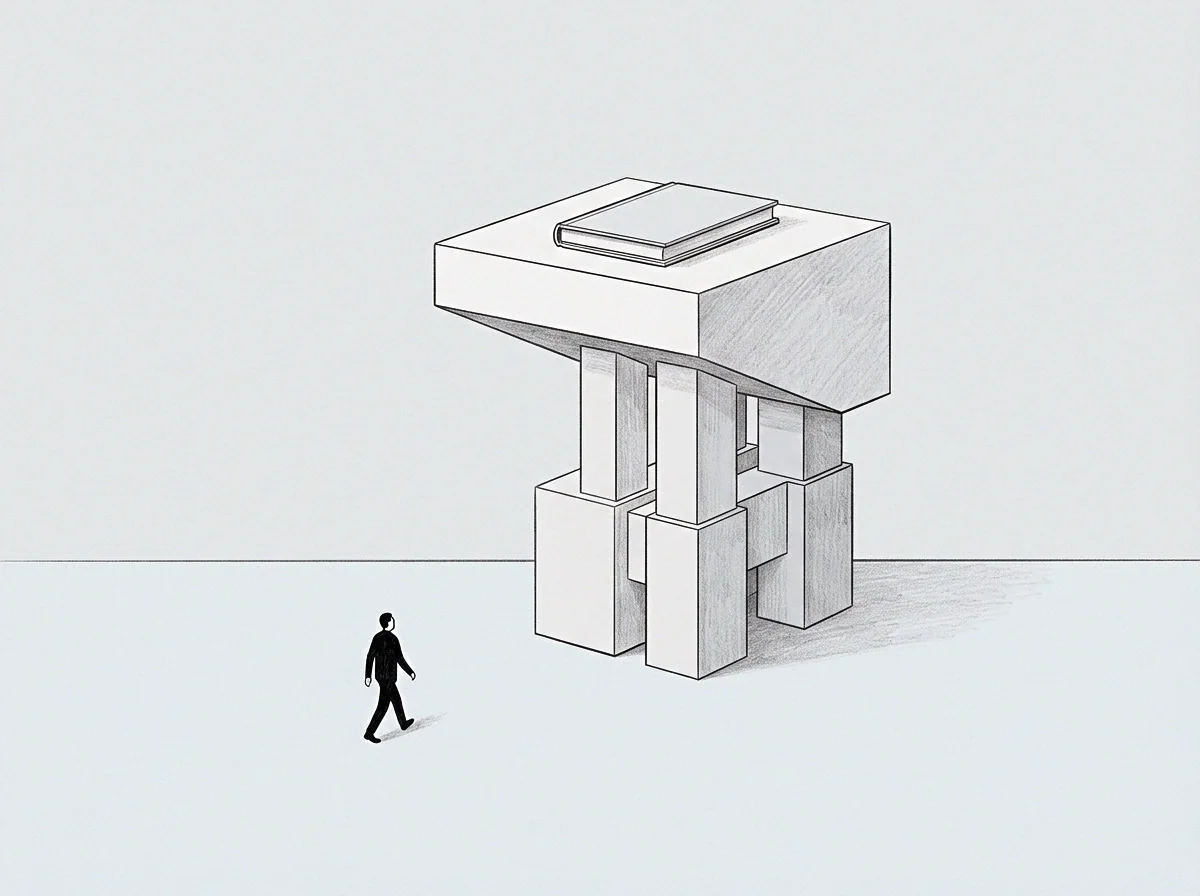
Structural safeguards in governance architecture isolate capital oversight from physical exhaustion. Maintaining network integrity across multi-board structures requires moving from informal availability management to codified operational buffers. Stated limits act as walls rather than interpersonal requests.
Governance arrays must embed mandatory delay windows into structural voting procedures, ensuring that no binding resolution can be forced through an emergency session without a minimum twenty-four hour review period.
Designing Resilient Governance Protocols under Sleep Constraints
The chair postpones the vote. Board friction increases during exhaustion. Codifying minimum review windows creates a protective buffer for prefrontal recovery.
When governance rules specify that board votes close strictly forty-eight hours after document distribution, the systemic impact of individual director sleep loss diminishes. The director gains room to secure adequate sleep recovery prior to executing complex evaluation tasks.
In commercial aviation and maritime shipping, international regulatory bodies enforce mandatory rest periods prior to high-risk maneuvers, recognizing that operational dedication cannot override metabolic brain limits. Corporate governance systems operate under identical physiological constraints yet historically rely on individual stamina rather than codified structural protections.
Establishing explicit structural buffers changes how management teams interact with board seats. When management knows that voting windows cannot be compressed through artificial urgency, incoming communication schedules normalize. Emergency pings decrease in frequency, and high-quality background materials replace rushed late-night memos.
The governance array stabilizes because structural buffers enforce latency limits that protect executive judgment from biological exhaustion.
When physiological headroom collapses, expanding the governance review window protects capital far better than forcing an immediate board vote.