
Resetting Broken Isolation Intervals During Early Exploration
An isolation interval breaks when external signaling penetrates set boundaries, requiring explicit state gated filters to reestablish focused synthesis.

Breach
Four chat windows sit open across a dual monitor setup at midnight while core algorithm code remains uncommitted. Notifications arrive at steady intervals: a co-founder wants immediate feedback on promotional text, two product designers ask for component spacing sign-off, and an investor sends a link about market entry timelines. The engineer tries to retain complex memory structures in head space while typing out replies to administrative questions, but the underlying architectural model falls apart under the churn of context switching.
Early exploration demands continuous synthesis. Once an isolation interval breaks, the operational loss runs much deeper than the minutes spent reading a message. Reconstructing a complex technical schema takes thirty minutes of uninterrupted quiet after a brief three-minute distraction.
When external demands enter an unstructured exploration window, internal setpoints slide from proactive architecture to reactive task handling, bleeding the energy needed for primary research into external status updates.
Four open messages at midnight degrade three days of architectural assembly into fragmented administrative tasking.
Every incoming signal transfers unmanaged cognitive load directly onto an isolated worker. Unscheduled status requests pull deep spatial reasoning down into shallow decision loops. If operators let these breaches happen without fixed limits, counterparties naturally assume full real-time access.
The immediate cost in attention lands entirely on the person attempting to construct the core foundation. A quick response on the interface logic will unblock three pending pull requests before morning.
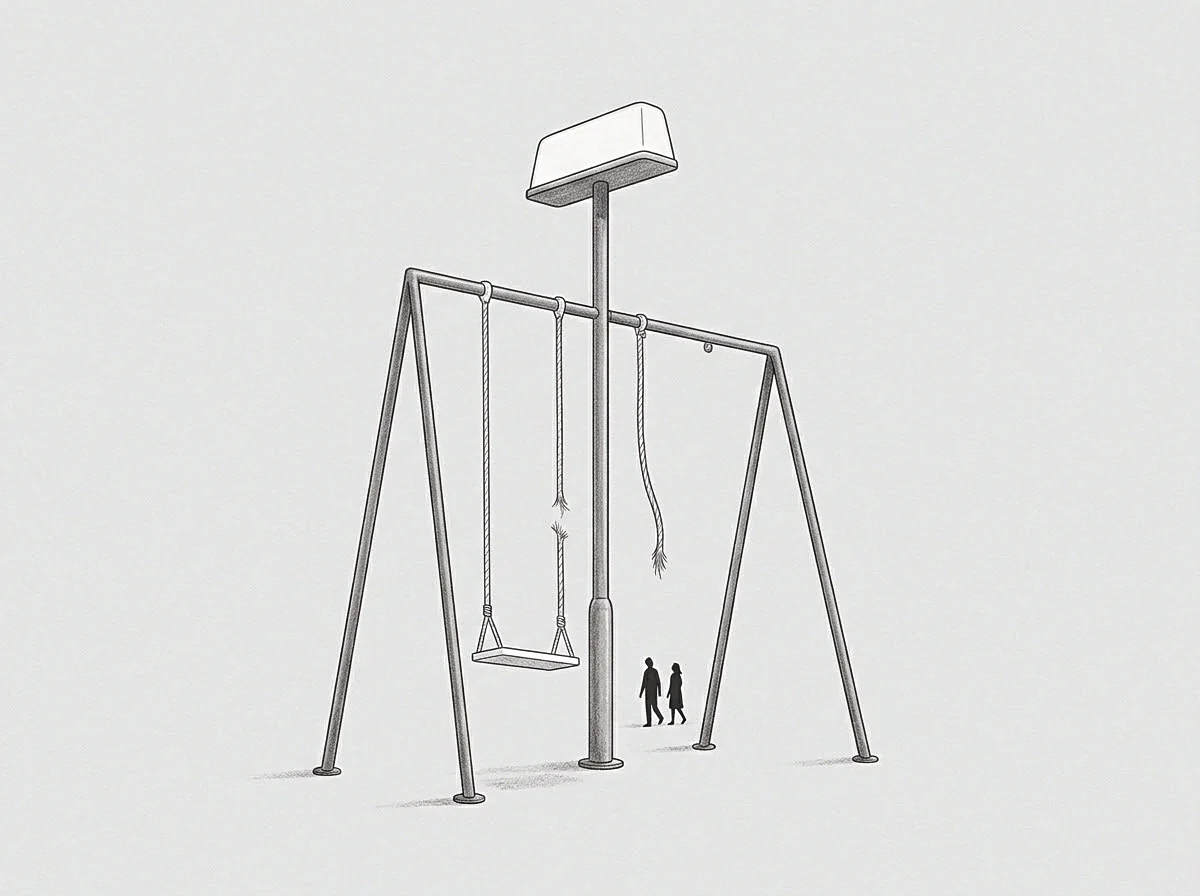
Gate

State Against Mood in Cognitive Isolation
Systemic boundaries function as physical filters, not internal emotional states. Mood tracks fluctuating energy reserves, but state defines the exact transfer function governing how an input becomes an output. As cognitive state drops under incoming load, decision-gated acts turn erratic.
State-gated operations rely on hard operational filters that turn back incoming signals regardless of emotional willingness at that hour. Isolation intervals protect high load tasks.
Maintaining a boundary through mood demands continuous negotiation and conscious emotional effort. Doing it through a structural gate shifts enforcement directly onto the channel. When an operator establishes an explicit filtering gate, incoming pings hit an automated term before reaching human attention.
The incoming signal halts at the gate until the designated exploration window reaches its natural conclusion.
A state-gated filter holds setpoints constant only while the channel cost exceeds the ping value to the incoming party.

Structural Modes of Interval Failure
Interval failure follows predictable operational patterns inside early technical teams. Recognizing these modes allows operators to diagnose capacity leakage before complete structural exhaustion occurs.
- Passive leakage occurs when ambient channel pings draw focus without explicit operational urgency.
- Deferred gating delays the boundary reset until cognitive depletion forces an abrupt shutdown.
- Co-regulatory spillover transfers partner anxiety directly into the technical exploration window.
- Unstated terms leave channel access rules open to real-time interpretation by external team members.
Fixed windows cap total daily interruptions. Relying on willpower alone to overlook incoming messages drains bandwidth through split focus, because the brain keeps monitoring the suppressed notifications and spends critical capacity on restraint rather than synthesis. State dictates what an input produces; mood merely reflects the thermal residue of unmanaged load.
Interval
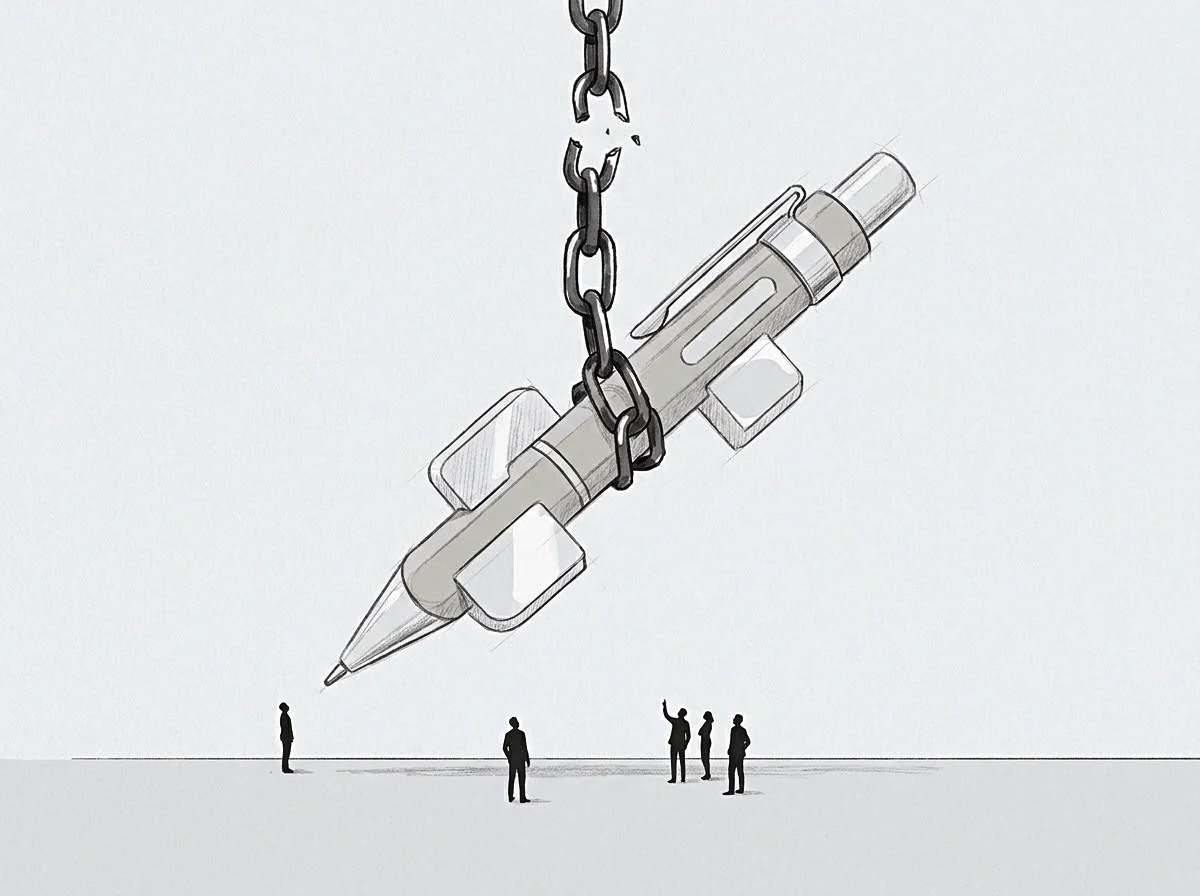
Comparing Reset Protocols Under High Load
Resetting a broken isolation interval requires an immediate structural change in signal processing. Operators who try to recover focus by closing a browser tab usually fail because external expectations remain anchored to fast turnarounds. The protocol chosen to re-establish isolation dictates both the cognitive restitution rate and the friction generated with counterparties.
Real time channels degrade complex synthesis.
| Reset Regime | Signal Latency | Cognitive Restitution Rate | External Friction Level |
|---|---|---|---|
| Direct Sync Interruption | Zero minutes | Very low | Minimal |
| Async Status Logging | Sixty minutes | Moderate | Low |
| Strict State-Gated Silence | Four hours | High | Moderate |
| Dynamic Setpoint Throttling | Variable | Very high | High |
| Data reflects operational observations across early development cycles under maximum capacity constraints. | |||
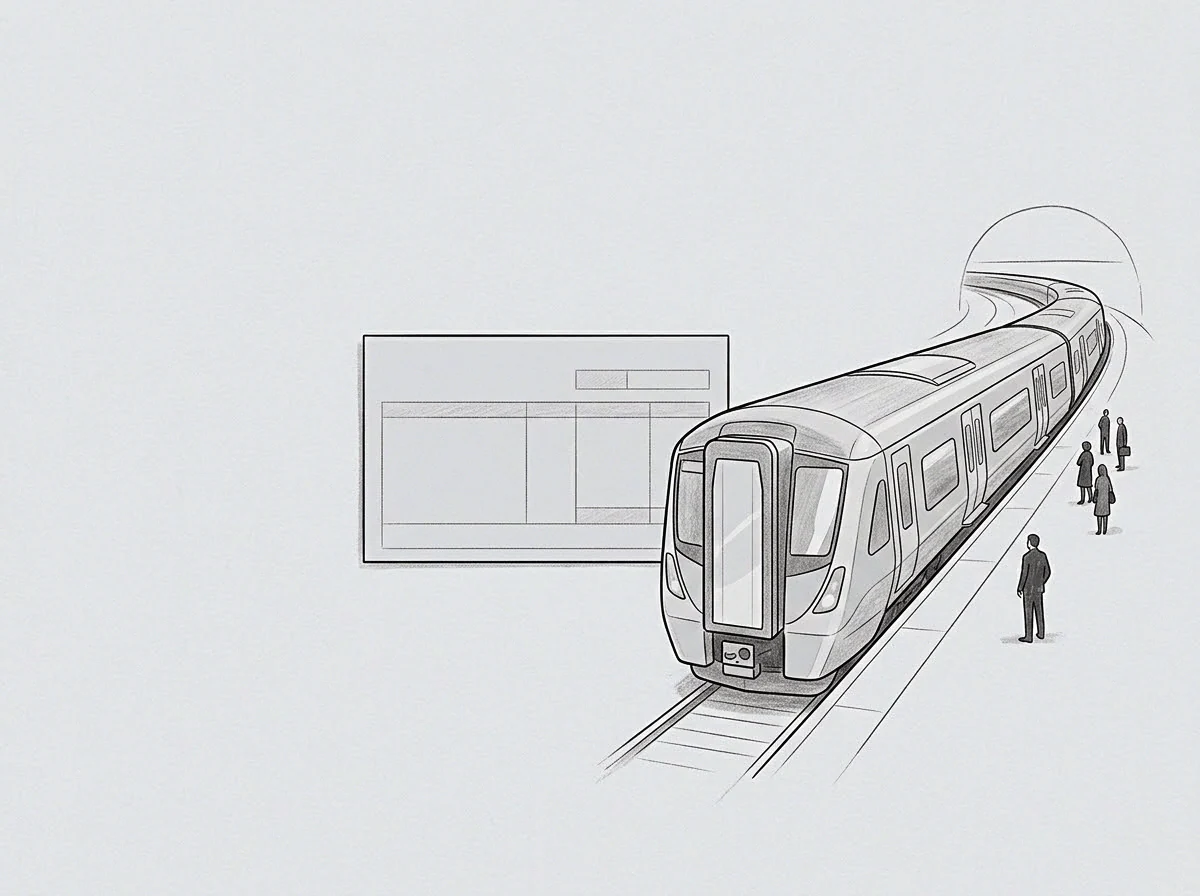
Where Does the Capacity Leak Begin?
Capacity leakage begins the moment an operator answers an unscheduled request during a deep focus block. That single reply establishes an informal service level agreement with the sender. Reversing the expectation requires an explicit reset sequence that puts the boundary back in place.
Establishing an explicit ninety-minute silent window converts constant real-time coordination into predictable batch evaluation.
The operational reset sequence follows three distinct structural phases designed to protect focus while maintaining operational alignment.
- First, the operator states the fixed duration of the exploration block in plain text.
- Second, incoming signals deposit into an asynchronous queue without notification triggers.
- Third, the operator evaluates the queue only after the interval boundary closes naturally.
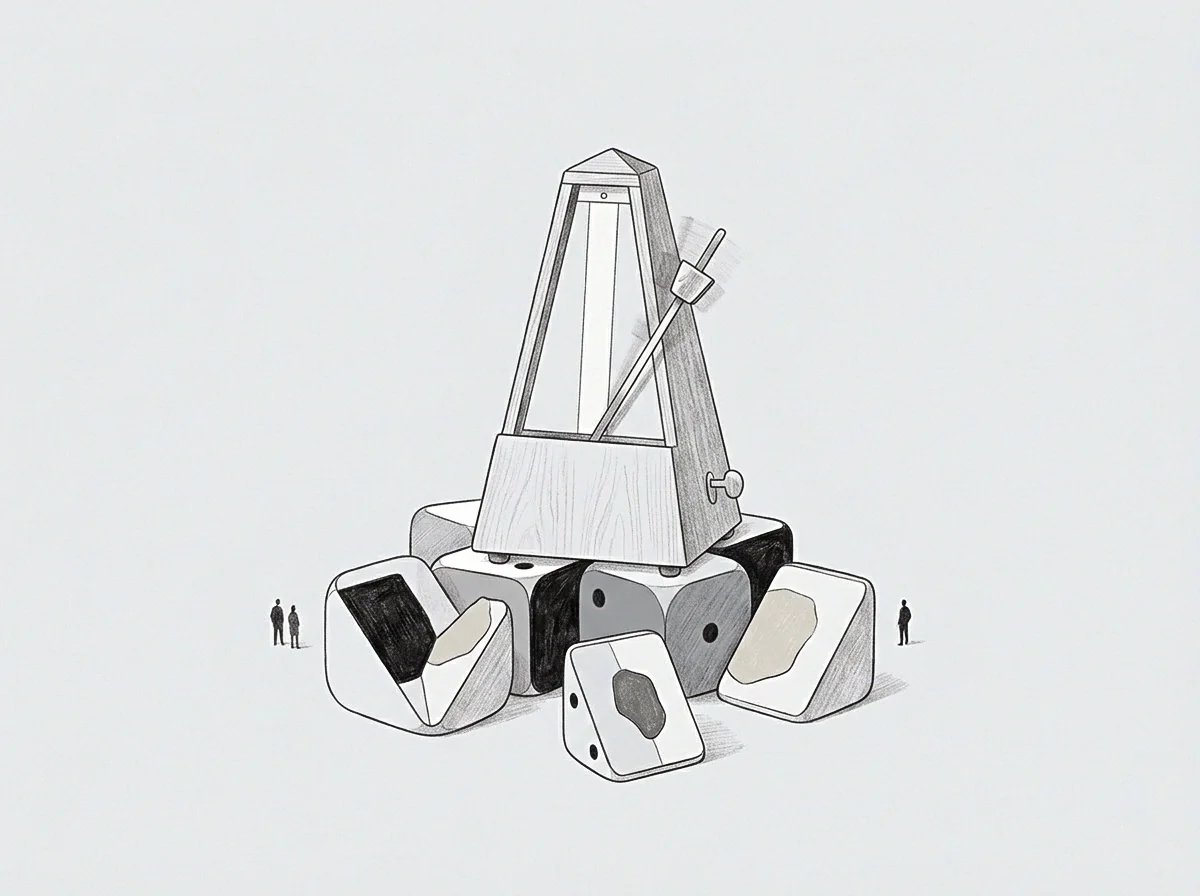
The hard ninety-minute ceiling condition shifts availability from an open real-time expectation to a scheduled batch processing queue.
Cost

Energy Transfer and Allostatic Setpoints
Every broken isolation interval registers as an operational charge against the operator’s central nervous system. Allostatic load accumulates as the body mobilizes repeated stress responses to handle abrupt context shifts. When an exploration window fractures five times in an hour, physiological markers show sustained spikes in biological stress metrics, impairing spatial memory and high-level abstract logic.
Consider two early-stage technical co-founders building core data infrastructure. Both hold equal operational authority and work forty hours per week. Founder A maintains an unrestricted message policy, answering ambient pings within four minutes.
Founder B sets two strict three-hour isolation intervals daily, leaving all administrative queries for a dedicated end-of-day review block. Over a ninety-day observation window, Founder A runs into severe cognitive fragmentation, writing code with higher defect rates and requiring double the refactoring hours. Clear terms prevent covert operational debt.
A channel that stays quiet during early synthesis signals aligned priorities rather than relational distance.
The Worked Mechanics of Dynamic Resetting
When an isolation interval breaks under urgent operational demands, resetting the environment requires immediate baseline recalibration. The operator measures the cost in attention of ongoing context fragmentation against the immediate utility of the incoming query. Silent registers preserve deep working state.
Thermal residue indicates unmanaged operational stress.
If the incoming query leaves the underlying architectural assumptions of the current sprint untouched, handling it on the spot ruins structural efficiency. The operator sends a single line stating the next available response window and closes the communication tool immediately. Letting isolation intervals dissolve under regular pings compounds allostatic load, driving technical systems into structural drift and operators into chronic reactive fatigue.
Floor

Derived Availability in Silent Registers
Availability is derived rather than announced. Counterparties deduce an operator’s real schedule by watching response habits over time, regardless of formal policy statements. An operator who regularly answers midnight pings teaches external actors that midnight is fair game.
The stated limit holds only when backed by absolute silence during isolated blocks.
Establishing a structural baseline requires setting a firm floor for incoming load. The floor marks the minimum operational space preserved for non-negotiable cognitive synthesis. When the floor holds firm, counterparties adjust their rhythms, batching low-priority questions and working through routine issues on their own.
The efficacy of an isolation interval depends on whether the system behind it can absorb external operational shock without collapsing the operator’s primary focus window. Whether an early engineering team can maintain rigorous state-gated isolation intervals without generating relational anxiety in external partners remains an open question in technical leadership.