
Resolving Operational Decay Across Subordinate Layers When Founder Depletion Enforces Permanent Governance Delegation
Operational decay ceases when founder authority transfers from informal human co-regulation to deterministic, metric-bounded proxy governance bodies.

Vacuum
Four unanswered messages from operational leads sit in the queue on an evening when personal capacity reaches zero. Operational decay begins at the perimeter where an exhausted founder stops absorbing friction. For years, informal co-regulation shielded subordinate tiers from the actual strain of execution.
The founder acted as a shock absorber, converting ambiguity into direction through sheer physical presence. When exhaustion forces an abrupt retreat from daily steering, that invisible buffer vanishes.
Subordinate layers retain their operational competence, but lose the focal point that settled uncodified trade-offs. Depletion changes how the person in the seat operates. When reserves drop below what is needed to process incoming requests, decisions stall, messages sit unanswered, and teams begin guessing at intent.
This absence creates a governance vacuum.
A shock absorber that stops absorbing organizational friction leaves subordinate layers operating without feedback against unstated thresholds.
Without explicit structural constraints, teams build local workarounds to keep work moving. Line managers optimize for local throughput rather than overall direction. Quality standards slip as teams interpret silence as permission to cut corners.
This drift happens whenever a central coordinating signal goes dark. Returning to the loop risks triggering the same physical collapse that forced the exit, so the organization needs a structural shift that takes the burden off individual endurance.

Switch

Uncoupling Control From Living Biology
Resolving subordinate deterioration requires transferring operational authority from an individual to an external system. Delegation often fails when organizations treat it as simple task reassignment instead of changing how control is structured. Standard delegation leaves informal coordination intact while shifting the actor.
The founder still handles escalations when things break, leaving cognitive load tied to daily problems.
A lasting transition moves from personal steering to systemized rules. Personal steering relies on proximity, with subordinate confidence drawn directly from the founder. Systemized steering relies on published thresholds, explicit decision rights, and clear operational boundaries.
Teams evaluate performance against written criteria rather than founder reactions.
The operational layer will push back against these structural limits. Teams test new authorities to see where actual power sits. If an escalation bypasses management and reaches the exhausted founder, the old pattern returns.
The boundary breaks, and teams resume relying on founder capacity as their primary buffer.
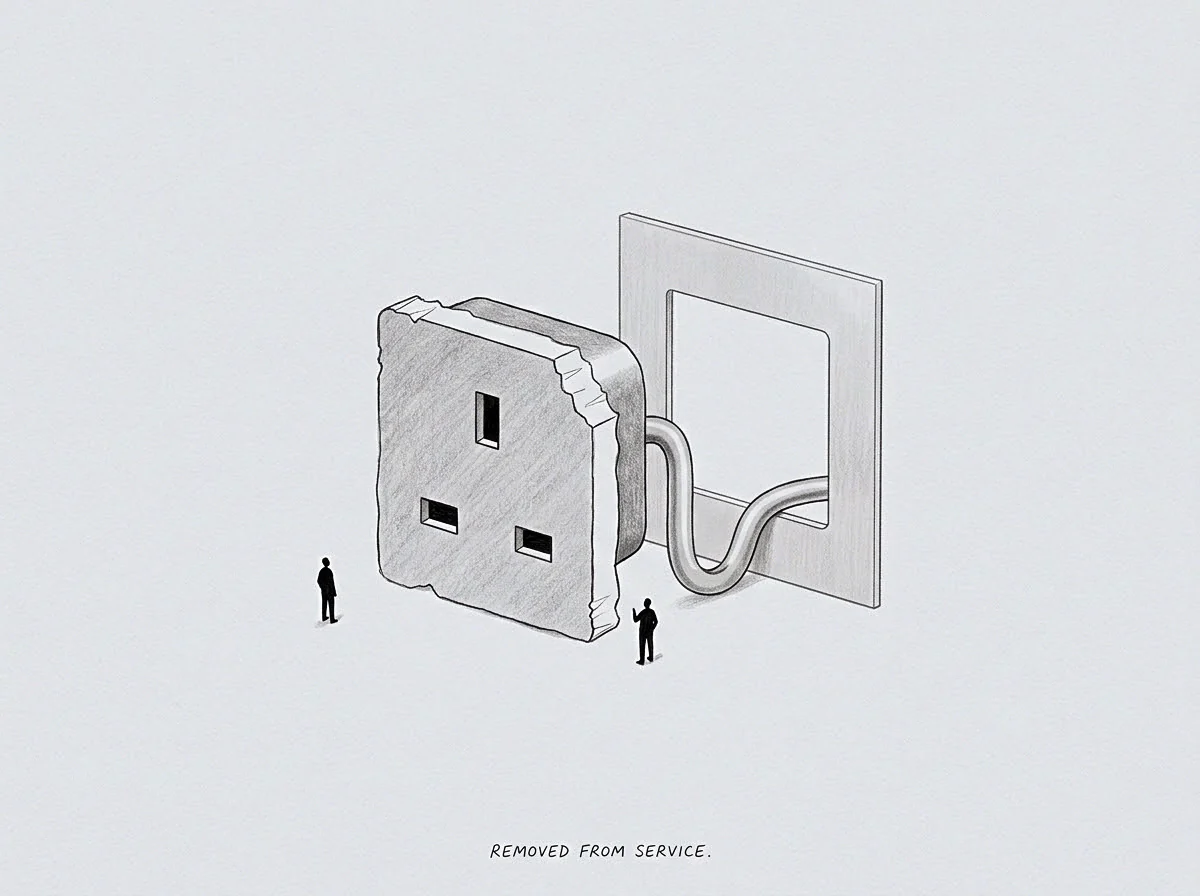
Predictable Escalation Cycles
During the initial phase of delegation, operational ambiguity spikes across subordinate tiers. The following pattern characterizes the behavioral response across the operational hierarchy:
- Subordinate anxiety rises when direct confirmation disappears from routine workflows, leading middle managers to manufacture urgent crises.
- Boundary testing occurs when teams bypass assigned proxies to contact the founder directly through old channels.
- Operational hesitation slows lower teams when local disputes run into edge cases omitted from documentation.
- Proxy consolidation takes hold once new governance roles resolve operational disputes without escalating to the founder.
Protecting this governance layer requires silence from the exhausted founder. Every direct intervention resets progress, showing subordinate layers that written rules bend under pressure.
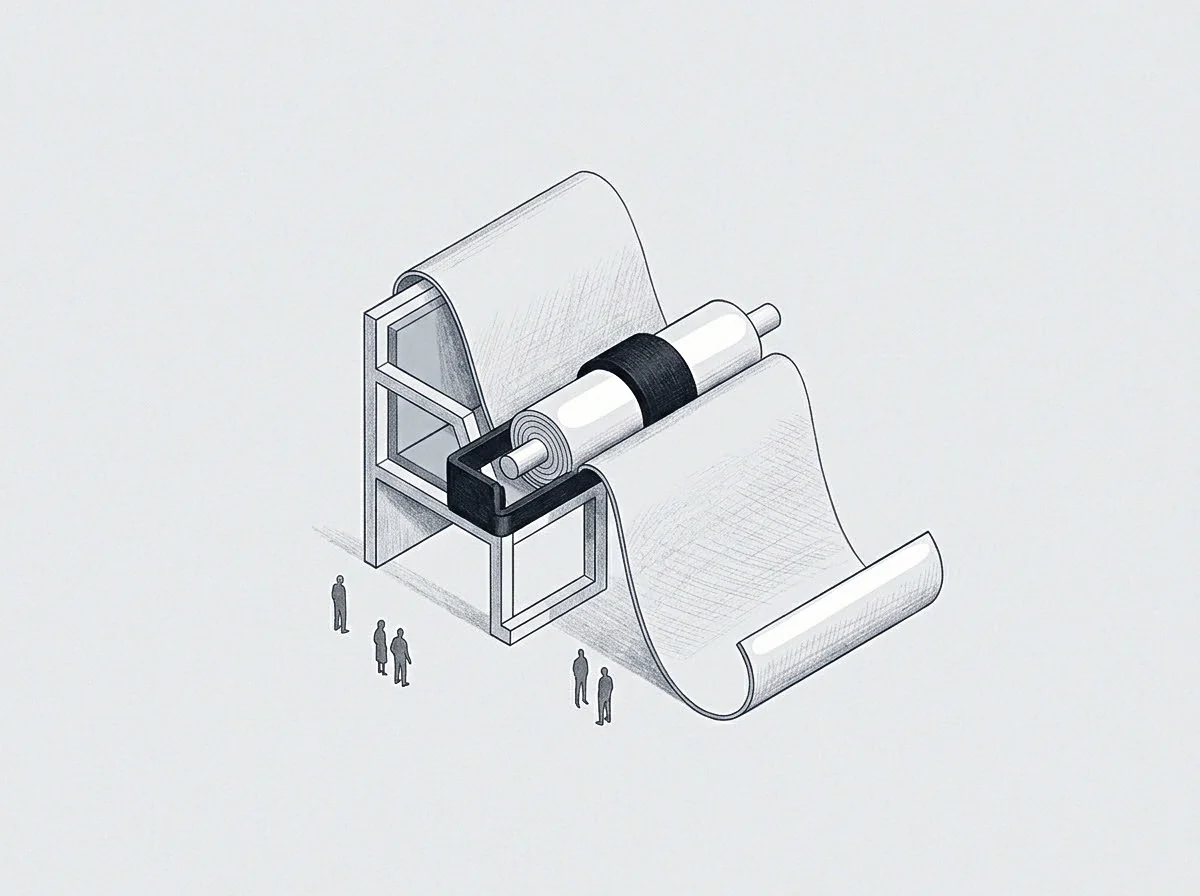
Bracket
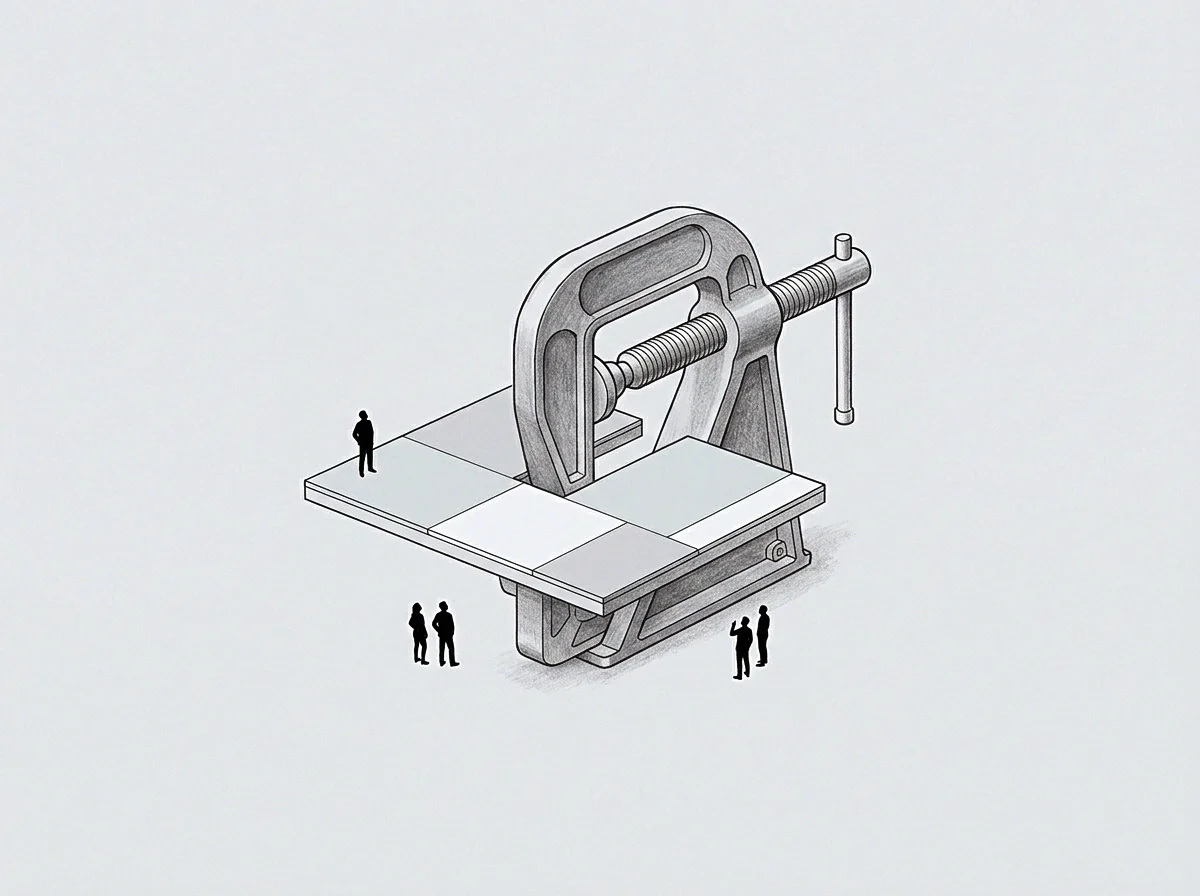
Codifying The Operational Perimeter
Subordinate drift stabilizes when operational discretion is bounded by clear performance brackets. A bracket defines how much variance a team can navigate before mandatory intervention kicks in. Within the bracket, teams operate autonomously.
Outside it, predefined corrections trigger automatically, without founder involvement.
Consider an operating unit generating four million dollars in annual recurring revenue with a twenty-person product delivery team. Historically, the founder resolved scope disputes, customer concessions, and mid-tier compensation adjustments by intuition. Under an operating bracket, these calls convert into clear quantitative rules.
Concessions below ten thousand dollars require only team lead sign-off. Concessions above that figure trigger review by an operating committee.
| Governance Dimension | Founder-Centric Steering | Structural Proxy Governance |
|---|---|---|
| Arbitration Mechanism | Intuitive personal adjudication | Pre-negotiated policy bands |
| System Latency | Gated by founder physiological bandwidth | Deterministic local throughput |
| Subordinate Feedback Signal | Founder emotional tone and message speed | Explicit metric tolerance intervals |
| Response to Unhandled Exceptions | Direct intervention and custom exceptions | Automated rejection and post-mortem review |
The bracket replaces personal management with explicit terms. Teams stop searching for emotional consensus and execute against set limits. The governance structure absorbs responsibility for operational outcomes within authorized brackets, freeing middle operators from fearing unexpected missteps.
A performance bracket converts subjective founder intuition into clear bounds that function without drawing on personal capacity.
Setting strict operational brackets comes at the cost of temporary flexibility. The company trades ad hoc adaptability for structural durability. For an exhausted founder, this trade-off is essential, as stability requires boundaries that absorb organizational shock without relying on personal endurance.
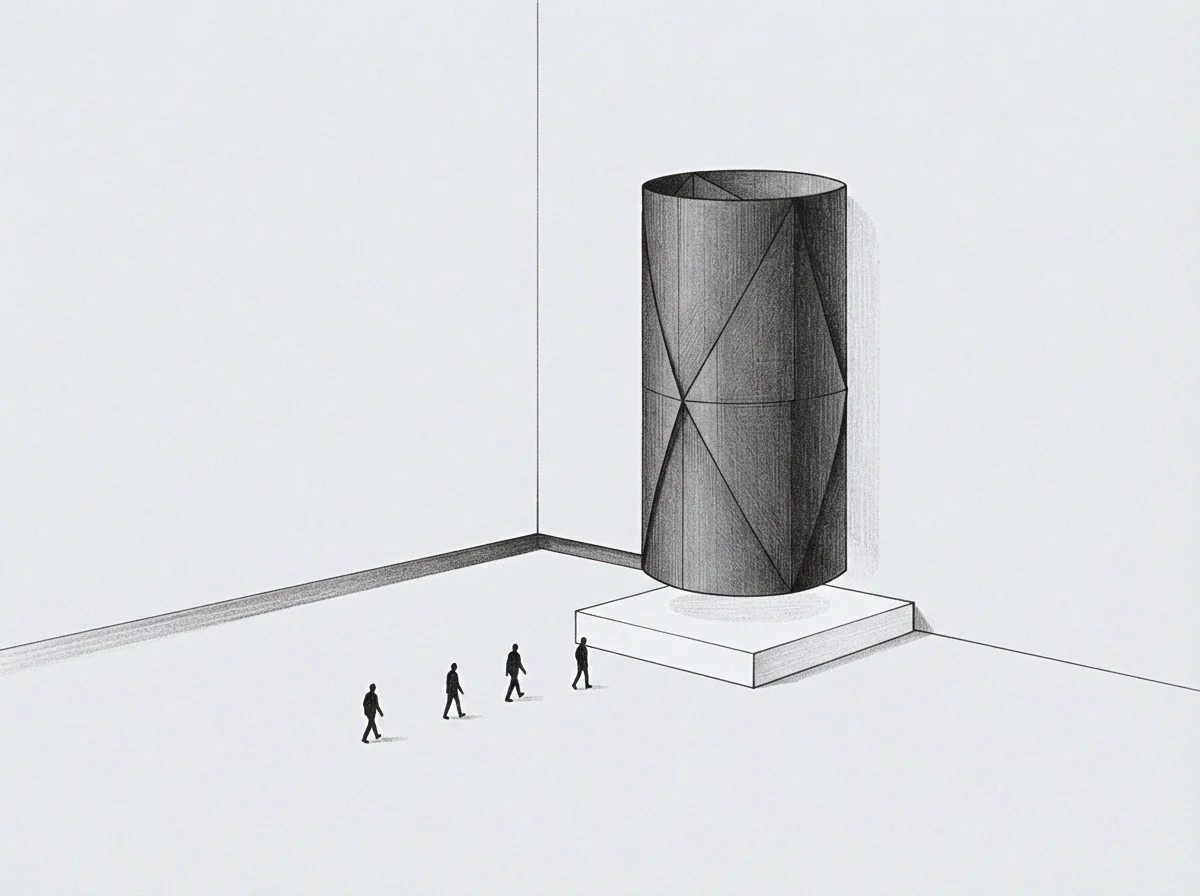
Proxy
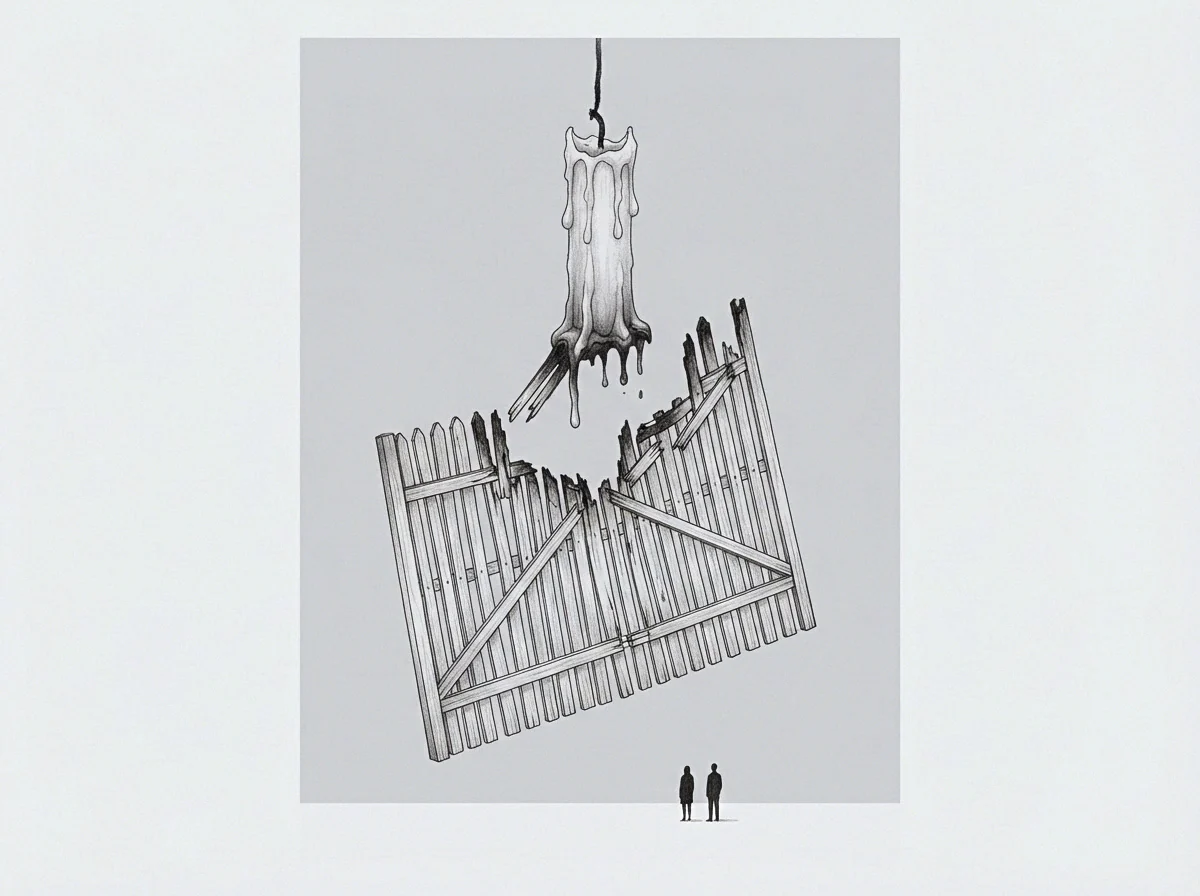
Establishing Autonomous Governance Bodies
Operational decay accelerates when authority passes to an individual rather than a system. Handing authority to a single successor often recreates founder dependency one level down, leaving that person to face the same exhaustion that forced the founder out. Spreading arbitration across multiple roles builds structural resilience.
An autonomous operating council governs execution through set review cadences. Rather than relying on consensus, the body works through distinct administrative lanes across three primary domains:
- Resource allocation gates evaluate capital requests against published return criteria, eliminating discretionary appeals.
- Policy boundary disputes settle jurisdictional conflicts between departments through written precedent instead of personal appeal.
- Exception review committees log operational failures outside defined brackets, using edge cases to update operating documentation.
The operating council draws authority from board mandates, leaving its decisions insulated from founder review. Even when the council makes tactical choices counter to founder preferences, the structure must hold. Overriding proxy decisions destroys credibility and pulls the founder straight back into daily management.
An operating council running on published protocols maintains operational pace long after leadership reaches exhaustion.
Establishing these proxies carries a financial cost. The organization must hire operators capable of shared governance, redirecting funds that previously drove growth. That overhead represents the actual cost of running operations without founder subsidies.

Silence

Enforcing Communicative Severance
Teams cannot adjust to proxy governance while the founder remains informally reachable. Direct messages attempt to bypass formal channels, leveraging familiarity to get quick decisions instead of using institutional processes. The founder has to step entirely out of operational communication channels.
Cutting access means leaving operational chat channels, revoking core administrative privileges, and routing incoming messages through a single gatekeeper. The founder offers no explanations or apologies for non-responsiveness. The absence itself becomes the limit.
When old channels stop responding, teams facing obstacles must turn to designated proxies.
When someone tries to push an urgent issue past the proxies, the gatekeeper sends a standard response: the matter falls under the jurisdiction of the operating council per the delegation charter and will follow established procedures.

Anchor
Stabilizing an organization during founder depletion rests on embedding institutional memory into practical tools. When documentation stays abstract, teams slide back into old habits. Operational procedures need to sit directly inside software, approval gates, and automated checklists so workflows mechanically prevent unauthorized actions.
Delegating governance is an architectural change. The organization shifts from relying on personal willpower to running on interlocking structural rules. Teams regain momentum as explicit boundaries remove ambiguity, while the founder gains full insulation to recover without putting the company at risk.
Maintaining long-term durability requires ongoing work on these structural anchors. As operating environments shift, set brackets drift out of alignment with field reality. Whether an operating council can update its own documentation without founder input remains an open question at the boundary of structural delegation.