
Resolving Structural Load Divergence When Explicit Governance Terms Meet Infinite Operational Demand
Explicit governance terms collapse into informal operational overload unless automated intake gates physically intercept and validate incoming work at the system boundary.
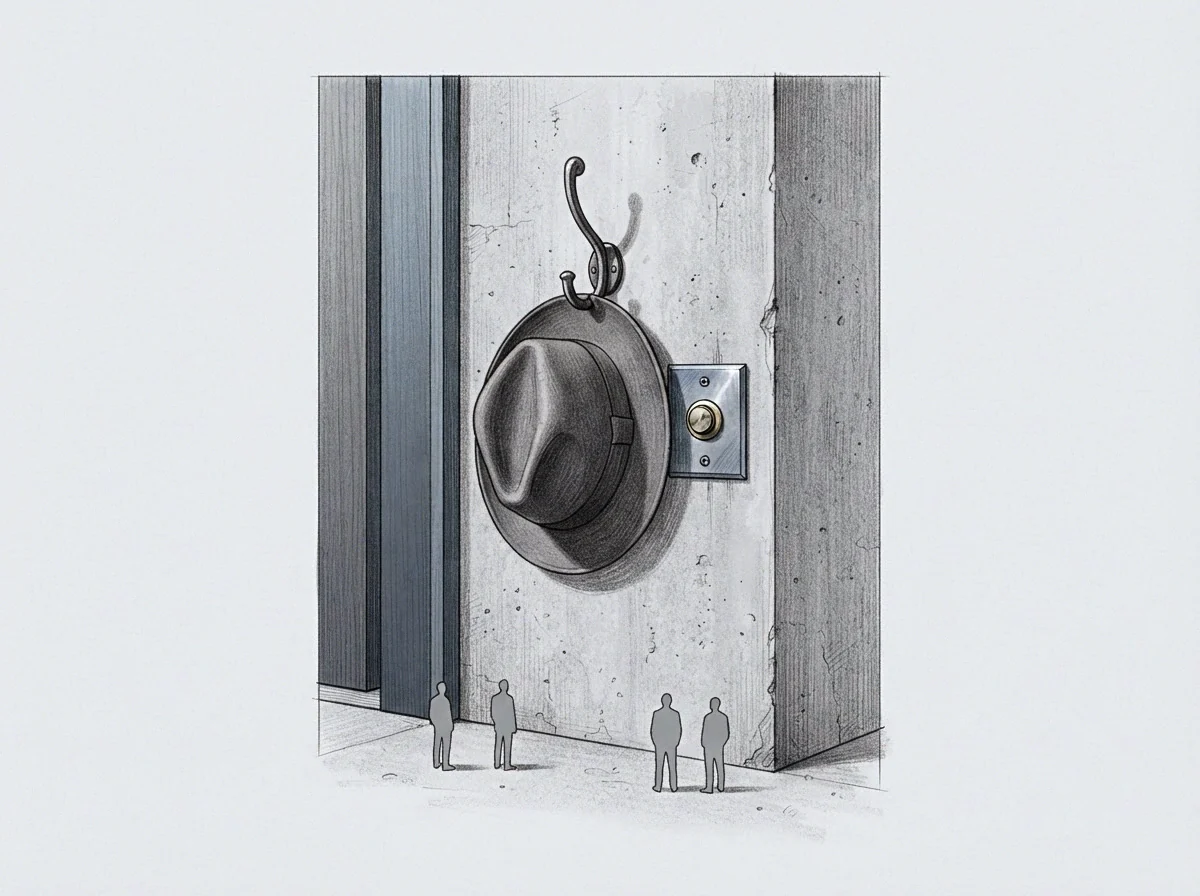
Seam
Operational requests arrive on open channels regardless of whether an agreement specifies ninety-day notice or capped revision cycles. An executive receives seven urgent messages after midnight regarding a feature modification that violates a written service SLA signed three weeks prior. The written contract sits inside a shared folder while the team spends six hours re-engineering code to meet the emergency request.
When explicit governance terms meet unconstrained operational demand, the true boundary of an organization shows itself in real time. The person holding the operational role acts as a temporary shock absorber between paper negotiations and the incoming queue.
Governance terms set static declarations of intent, while incoming work operates as a continuous load-transfer system. When a request hits no automated filter at entry, it lands directly on the human operator. The operator absorbs this transfer as immediate pressure to reconcile formal commitments with customer expectations.
A written policy cannot stop a message from demanding attention; only an active intake barrier alters where that work travels.
A governance term holds structural authority only when an automated gate enforces the stated restriction before human capacity is touched.
Organizations routinely confuse written authority with operational control. A board approves explicit operating guidelines, yet client channels keep accepting unvetted intake. The gap between formal terms and live operational pull widens until human fatigue forces an informal boundary.
At that point, the operator absorbs the load, turning organizational ambiguity into personal effort.
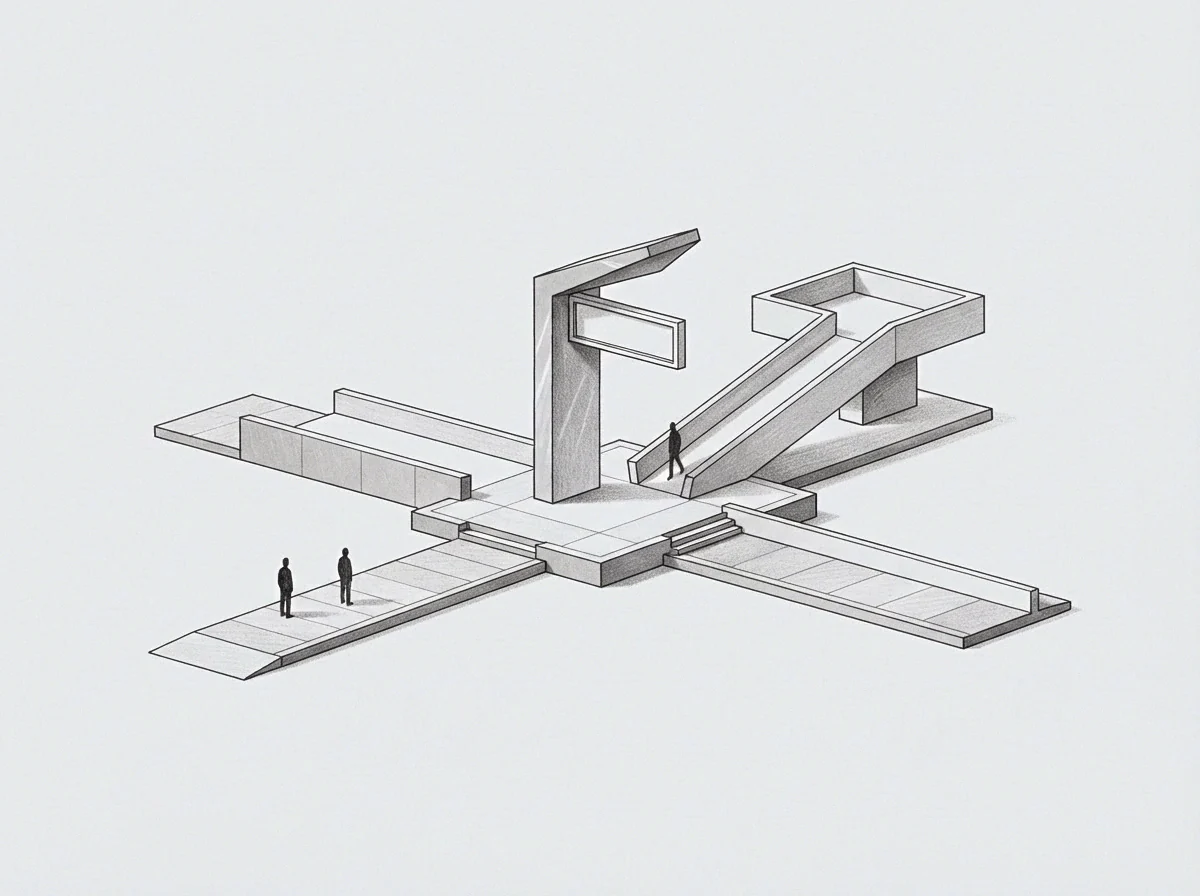
Structural Mismatch Between Static Rules and Continuous Demand
Written agreements set parameters based on negotiated assumptions rather than dynamic capacity. Standard contracts assume predictable request cadences and stable delivery cycles, whereas live operating environments bring sudden spikes, escalations, and scope extensions that ignore paper boundaries. The resulting tension pushes against the softest point in the organization: the operator managing delivery.
System capacity stays bounded by finite human hours and processing limits, while operational demand expands to fill every unmonitored channel. Without a hard intake limit, incoming work pushes past written governance until it hits physical exhaustion. An organization discovers its real operating limit not in contract terms, but where human capacity can no longer absorb load.
A client contract specifies written submissions for change orders with a ten-day evaluation period. Operational reality, however, opens a direct text channel between the client vice president and the primary delivery lead. Requests arrive continuously through text, bypassing formal logging entirely.
The delivery lead processes them to preserve goodwill, eroding margins and exhausting sprint allocations. A ninety-day notice requirement for scope changes alters nothing until the primary delivery channel actively rejects requests missing formal change identifiers.

Drift
Informal accommodations accumulate silently until they overwrite explicit governance rules. An operational team agrees to one off-hours deployment to preserve a key partnership. That single concession creates an unwritten expectation of permanent availability that client teams leverage in subsequent project phases.
Over six months, the exception becomes the baseline operating standard while the written agreement sits unamended in legal archives.
This structural breakdown follows a clear sequence in growing organizations. The initial departure from written terms seems minor and helpful. The second happens faster because precedent exists.
By the fifth departure, the team no longer references the formal agreement when evaluating incoming work. The system runs entirely on live momentum, leaving written governance behind as an unused artifact.
Operating without aligned governance damages execution stability directly. Engineers burn capacity switching between planned tasks and unvetted emergency requests. Quality drops as context switching spreads across the team, and operational debt accumulates quickly, bringing missed delivery targets and higher turnover among senior technical staff.
- Unthrottled Intake Routing direct communication paths bypass governance filters, letting client demands consume delivery capacity without evaluation.
- Asymmetric Concession Cadence operational teams surrender formal terms immediately during client interactions, while contract amendments require months of legal review.
- Capacity Blindness executive leadership allocates new commercial projects based on contract terms rather than actual operational load.
- Informal SLA Escalation response time expectations compress over time through unmonitored human availability.
Load divergence corrupts operational data across the organization. Project management tools show tasks completed within scope, masking extra hours spent on unbilled revisions. Financial reports reflect target gross margins built on unpaid overtime and unrecorded interventions.
Executive decisions then rely on metrics derived from written governance rather than physical reality.
Unstated concessions convert formal contract terms into fiction while charging the operational team for the discrepancy.
System stability degrades when informal work exceeds planned capacity. An organization loses its ability to forecast delivery timelines accurately because baseline effort goes unmeasured. Staff experience persistent cognitive strain as they navigate conflicting demands from managers and urgent clients.
Turnover rises among high-performing personnel who recognize the impossibility of satisfying infinite demand with fixed resources.
When live load repeatedly overrides contractual boundaries, compounding operational failures follow. Delivery dates slide across key milestones while client dissatisfaction grows despite constant team intervention. Leadership tries to resolve the tension with new directives, which fail because intake channels remain unmonitored.
The operational drift continues until intake permissions align directly with written governance parameters.

Audit
Realigning governance terms with live operational demand requires systemic verification rather than executive admonition. Leadership often tries to restore order by reminding teams to follow established contracts. These instructions fail because client pressure easily overrides internal policy memos.
Real alignment starts when operational systems physically block intake that breaks explicit contract terms.
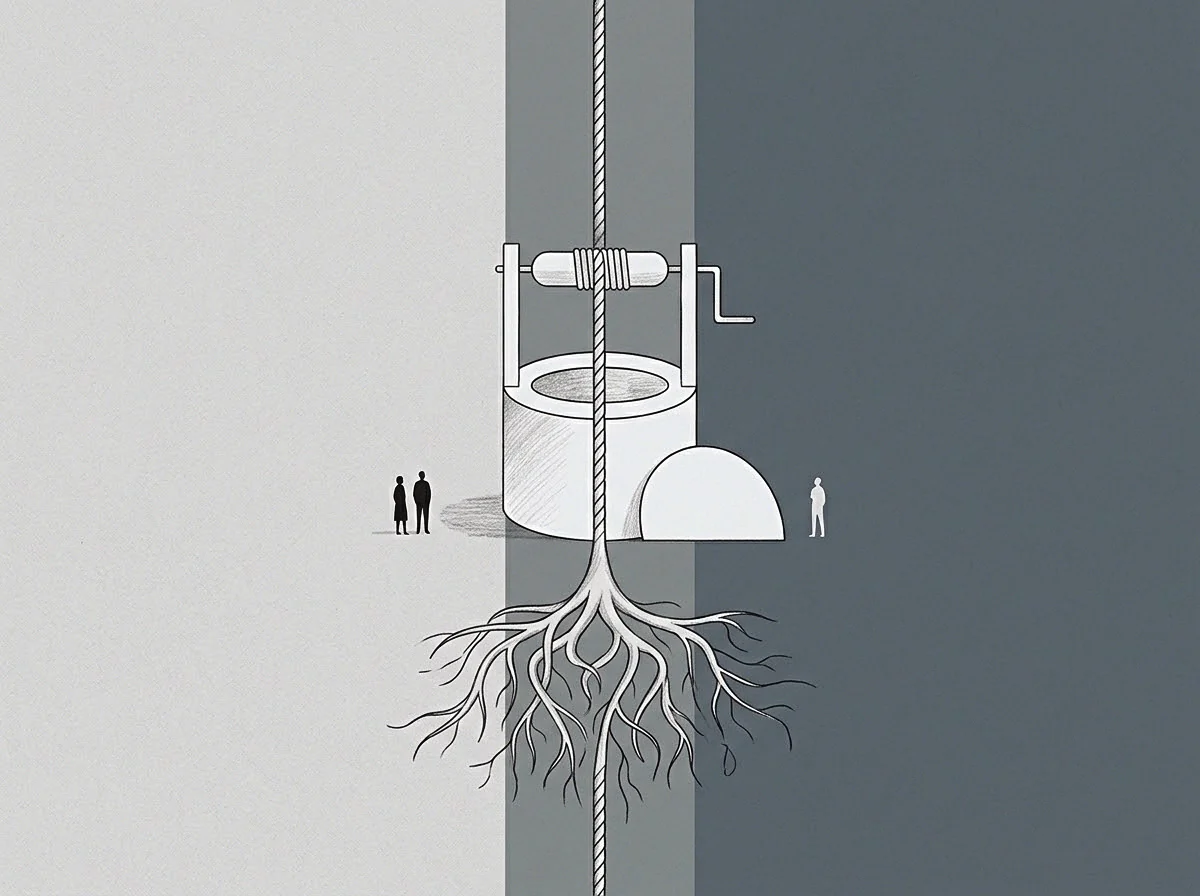
Can Stated Limits Hold Against Dynamic Load?
Formal terms survive operational pressure only when technical boundaries enforce them. A written term stating that support ends at five in the afternoon requires automated routing to shut down external queues at five. If client tickets keep arriving in an active queue monitored by staff, someone will clear them.
Enforcing limits is an architectural challenge rather than a behavioral one.
Organizations must audit the exact points where operational reality departs from formal commitments. This evaluation tracks incoming work from receipt to resolution, identifying every informal bypass created by staff. The audit reveals the actual operating rules of the business, exposing where paper governance has lost authority over daily execution.
Rules hold when intake portals physically reject non-conforming requests before human evaluation occurs.
The realignment process follows a strict sequence of system modifications:
- Mapping every active intake channel across client and internal teams to expose informal communication loops.
- Installing automated validation gates at every intake point to filter incoming work against written governance rules.
- Establishing explicit cost structures for out-of-scope requests, requiring formal executive approval before execution begins.
- Reallocating human capacity to match verified contract terms, removing informal availability buffers entirely.
Clients react to structural enforcement with initial resistance after becoming accustomed to infinite operational availability funded by unbilled internal effort. When automated gates enforce stated terms, clients experience the shift as a drop in service quality rather than a return to contractual reality. Leadership must support operational leads during this friction phase, affirming that paper terms govern execution.
Enforcing formal revision limits risks alienating key client decision makers who expect immediate flexibility, under the premise that rigid adherence undermines long-term retention. Operational reality demonstrates that unlimited revisions degrade product quality and exhaust execution capacity across all active accounts. The firm loses profitability on key accounts while training clients to treat signed governance terms as meaningless paperwork.
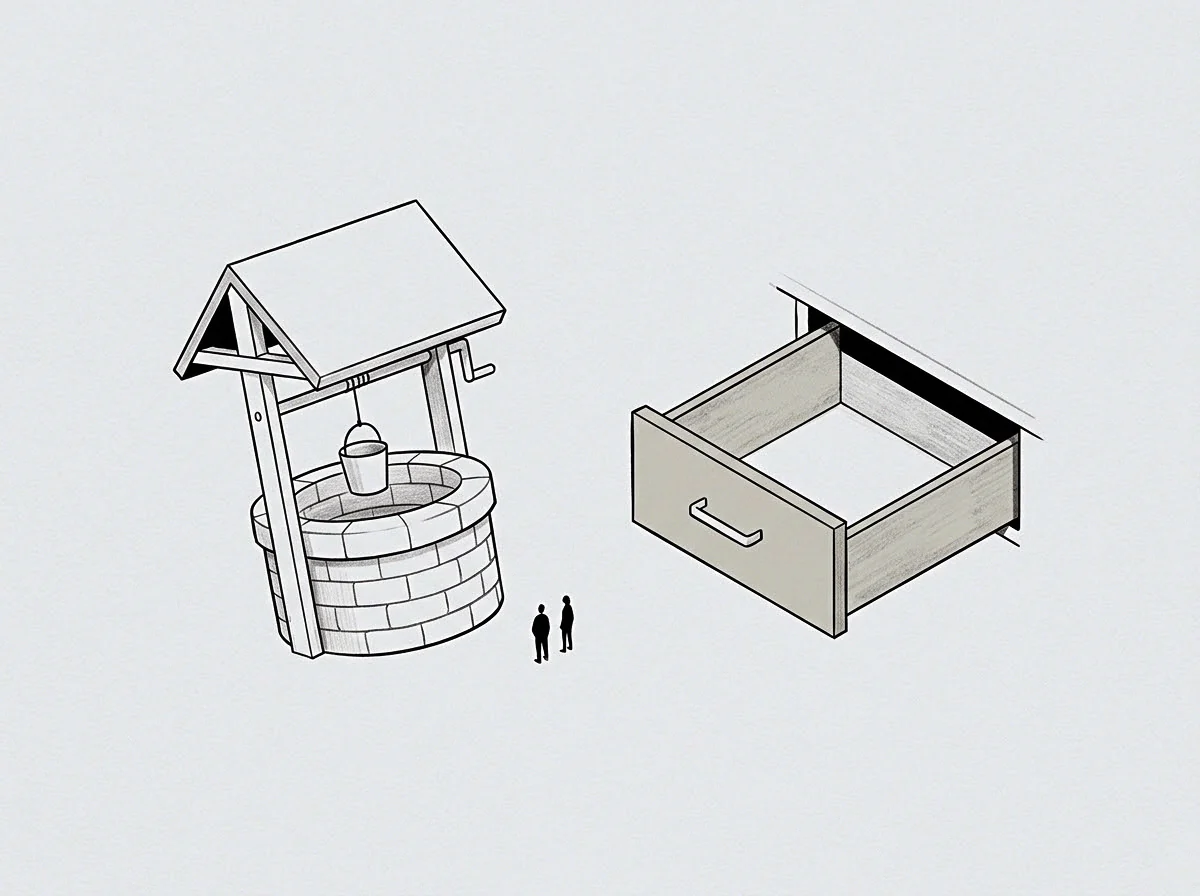
Tether
Structural alignment requires comparing static contract expectations directly against live operational mechanisms. When organizations measure the gap between paper governance and real execution load, specific interventions become obvious. The table below outlines core structural differences between unconstrained demand environments and governed intake systems.
| Governance Dimension | Unconstrained Demand Environment | Governed Intake System |
|---|---|---|
| Intake Mechanism | Open direct channels to execution staff | Automated validation portals with scope verification |
| Scope Change Authority | Individual delivery leads make verbal commitments | Formal change orders backed by financial adjustment |
| Capacity Allocation | Reactive assignment based on incoming queue volume | Planned allocation bound to contract terms |
| Out-of-Hours Access | Unfiltered emergency routing to staff mobile phones | Strict SLA-gated secondary response teams |
A stated term acts as a wall only when an organization treats incoming load as a force to filter rather than an obligation to absorb. If an intake channel remains open, operational demand fills it until capacity breaks. System design determines whether governance terms hold or crumble under live volume.
Operational clarity emerges when intake channels expose the true cost of out-of-scope demands.
How long can an executive team maintain commercial growth projections when delivery relies entirely on unbilled human effort to bridge the gap between contract terms and client expectations?

Shift
Transitioning an organization from unconstrained operational demand to governed intake requires turning stated limits into physical boundaries. Consider a software agency operating with fifty employees across twelve major accounts. The agency spent three years accepting verbal feature requests to preserve client relationships, resulting in chronic margin compression and forty percent annual developer turnover.
Leadership decided to enforce written SLA terms by disabling direct messaging between clients and engineering leads, rerouting all inquiries through a single structured portal.
During the first thirty days following the change, client request volume dropped twenty-eight percent as clients were forced to articulate business cases for change orders. Developers recovered twelve hours per week previously lost to context switching and informal scope creep. Gross margins on primary accounts rose from thirty-two percent to forty-six percent over two quarters.
Structural enforcement of paper terms protected engineering capacity without losing a single account.
Clients adapt quickly when operational boundaries are clear, consistent, and systematically enforced. The barrier must exist in software and processes rather than in the personal resolve of stressed employees. When intake systems enforce governance automatically, human effort shifts from negotiating scope to delivering on commitments.
A stated term functions as a structural boundary only when intake infrastructure rejects non-compliant requests before human processing occurs.