
Attentional Residue and Memory Decay in Operations
Uncompleted task switches leave cognitive capacity attached to prior context, degrading working memory and introducing execution errors in active operations.

Friction
Four terminal windows sit open on a monitor at midnight while an infrastructure deployment stalls, a client escalation pings on a secondary messaging platform, and an internal pricing calculation remains halfway calculated in a spreadsheet. The operator shifts focus from the deployment script to draft a response to the client escalation, spends eight minutes framing the reply, and then returns to the database migration. In that instant, the specific memory of the database lock timeouts has faded.
The mental record of which migration step succeeded and which step hung is partially missing. The operator re-reads the log file from the beginning, spending four minutes rebuilding context that existed fully in working memory nine minutes earlier.
This operational friction arises from incomplete cognitive switching. When a person shifts attention from Task A to Task B before Task A reaches an explicit terminal state, the cognitive system does not perform a clean memory dump. A portion of attentional allocation remains bound to Task A. This residual allocation is attentional residue, a measurable state of cognitive split where underlying neural resources remain engaged with the previous problem space.
The presence of residue reduces the cognitive capacity available for Task B, slowing processing velocity and increasing the rate of operational mistakes.

Unfinished Loops inside Active Channels
Interrupting a complex analytical sequence creates an open cognitive loop. Working memory relies on active neural firing to preserve temporary information, including variables, sequence positions, and conditional rules. When attention directs to a new stimulus, the electrical activation supporting those uncodified variables degrades rapidly.
Within twenty seconds of shifting attention to an incoming alert, the visual-spatial and phonological details of the suspended task undergo exponential decay.
Attentional residue reduces available processing capacity in proportion to the unresolved complexity of suspended tasks.
The severity of memory decay depends directly on whether the suspended task contained unresolved decisions. A routine task with simple procedural steps leaves minimal residue upon interruption. A complex structural decision with multiple interdependent parameters leaves deep residue.
Returning to a suspended complex task demands a complete re-indexing of the problem space, a process that consumes significant operational time.

Cognitive Residue during Context Transitions
System operators routinely manage multiple concurrent communications platforms, error logs, and project boards. Every transition across these channels incurs a switching cost. Moving between these tools takes more than the seconds needed to reposition a cursor or scan a screen; the main friction is the residual cognitive load left behind by incomplete tasks lingering in working memory.
Any parameter or runtime value that is not committed to an external record drops out of recall during the shift.
When four operational loops remain unresolved simultaneously, working memory reaches an absolute threshold. The capacity for logical deduction drops, leading operators to select default actions rather than analyzing specific system states. Operational errors during high-stress incidents frequently stem from this state of saturated capacity rather than a lack of domain knowledge.
Ignoring the mechanics of attentional residue guarantees that team operators make severe configuration errors during multi-channel operational spikes.

Valve
Structural controls govern the velocity and volume of incoming operational demands. Without strict input boundaries, an operational environment exposes the human operator to continuous random context switches. Introducing a deliberate throttling mechanism acts as an administrative barrier, holding incoming demands in a queuing layer until active working memory slots free up.
A concurrency limit caps simultaneous open tasks rather than serving as an arbitrary marker for project tracking. Human working memory holds approximately three to four distinct information chunks in an active state. Attempting to hold five or more operational tasks open concurrently guarantees that working memory flushes prior details, causing severe memory decay across all active tasks.

Gating Rules for Incoming Demands
Effective operational architecture imposes strict admission rules on incoming requests. Emergency operational incidents require immediate processing, while standard administrative updates belong in asynchronous, scheduled processing windows. Mixing high-urgency notifications with routine status requests forces continuous context switches that deplete cognitive headroom.
| Interaction Pattern | Interruption Frequency | Context Retention Rate | Average Recovery Latency |
|---|---|---|---|
| Real Time Push Notifications | High (10 to 20 per hour) | 35 Percent | 8.5 Minutes |
| Polled Asynchronous Batching | Low (1 per 2 hours) | 82 Percent | 1.2 Minutes |
| Fixed Time Window SLA | Medium (1 per hour) | 68 Percent | 3.1 Minutes |
An active task continues to draw on attentional capacity until it reaches an explicit stopping point.
Batching operational communications reduces switching frequency. When operators process incoming messages in designated time blocks rather than responding to push notifications, working memory maintains continuity on primary tasks. The decay curve of procedural detail flattens significantly when continuous context switching stops.

Asynchronous Batching and Thread Terminal Conditions
A task remains cognitively active until the operator assigns it a defined terminal state. Terminal states include complete execution, formal delegation with documented terms, or explicit deferral to a specific calendar date and time. Parking a line without explicit terms fails to release attentional residue, as the mind continues to monitor the unanchored obligation.
Assigning an explicit scope, completion date, and delivery term to a suspended task clears its associated attentional residue from working memory.
Defining concrete completion criteria before pausing work on an infrastructure change allows the operator to store the current working state in external logs. The mind releases the active variables once the system state is written down. Re-entry into the task later requires reading the log rather than rebuilding the mental model from memory fragments.
The specific condition requiring written state preservation before context switching alters the recovery latency of suspended technical operations from minutes to seconds.
Latency
Time elapsed between task suspension and task resumption directly drives working memory decay. In the first ninety seconds following an interruption, procedural details degrade at their fastest rate. If an operator does not return to a suspended task within two hours, the working memory trace fades almost completely, leaving only broad semantic outlines.
This rapid decay forces the operator to perform reconstructive memory work upon resuming the task. Rather than retrieving exact system configurations from memory, the operator infers what the configurations must have been based on general knowledge. This reliance on reconstruction introduces silent assumptions and operational errors into complex technical execution.
Decay Curves of Operational Working State
Operational tasks depend on short-term retention of volatile information, such as temporary IP addresses, terminal command sequences, and pending code deployment statuses. This volatile information lives in executive attention. As latency increases, the decay of volatile operational state follows a steep downward curve.
Retention of these transient details drops sharply as the delay stretches out.
Mitigating state loss requires externalizing memory into operational artifacts before switching context. Leaving a scratchpad document open to capture current variables, next execution steps, and active hypotheses creates a physical state anchor. The external anchor protects the operational state against time-based memory decay.

Does Cognitive Context Switching Degrade Memory Retention?
Laboratory findings in cognitive ergonomics demonstrate that context switching actively erases short-term memory buffers. When an operator switches from analyzing raw log outputs to writing an executive summary, the brain reallocates executive resources to process natural language syntax. This structural shift flushes the pattern-recognition structures built during log analysis.
The mental model built during log inspection clears as soon as the operator begins drafting text.
- Immediate Buffer Eviction occurs when an unexpected high-priority incident forces an immediate task switch, completely wiping unwritten volatile variables from short-term working memory within seconds.
- Semantic Degradation manifests when suspended operational tasks sit idle for extended periods, reducing precise configuration details to vague conceptual recollections that demand complete re-verification.
- Interference Accumulation takes place as multiple similar operational streams overlap, causing configurations from one system to corrupt the remembered state of an adjacent system.
- Reconstruction Distortion happens when an operator attempts to rebuild a forgotten operational state using logical deduction rather than factual retrieval, introducing inaccurate assumptions into system execution.
Urgent interruptions displace the current operational focus before state details can be noted.
When resumption takes too long, operators have to re-verify the original configuration details from scratch rather than relying on recall.
Interference
Similarity between concurrent operational tasks magnifies memory decay through proactive and retroactive interference. When an operator manages two cloud infrastructure deployments simultaneously, the configuration details of Deployment A overwrite and corrupt the stored details of Deployment B. The cognitive architecture struggles to maintain distinct boundaries between similar information structures held in working memory at the same time.
The severity of interference links directly to operational velocity. High-velocity environments that demand rapid responses across multiple messaging channels increase the rate of cross-task corruption. Operators in these environments routinely apply parameters from a previous incident to a current incident, leading to unintended system changes.
Target Memory Overwriting by High Velocity Signals
Proactive interference occurs when previously learned operational rules corrupt new learning. Retroactive interference occurs when newly acquired operational information destroys memory of previously established details. Managing rapid system updates exposes operators to both forms of interference at once.
Proactive and retroactive interference double when an operator manages concurrent technical systems that share similar interface layouts or command syntax.
Overlapping task requirements erode an operator’s recall of specific operational parameters.
Limiting task overlap requires physical and temporal separation between operational domains. Dedicated monitoring interfaces, distinct terminal color schemes, and enforced cool-down intervals between incident reviews reduce retroactive interference. Creating visual distinctions between operational contexts helps working memory compartmentalize active system states.

Comparison of Execution Reliability under Concurrent Load
Consider a worked situation involving two technical operations teams managing a major platform overhaul over a three-week release window. Team Alpha operates without concurrency limits, allowing operators to handle live support tickets, infrastructure deployment, and code reviews simultaneously. Team Beta enforces a strict concurrency ceiling of two active tasks per operator, gating all inbound requests through an asynchronous triage queue.
Assume both teams consist of six operators with identical domain expertise and platform access. In Team Alpha, operators experience an average of eleven context switches per hour across four distinct communication tools. In Team Beta, operators experience an average of two planned context switches per hour, handling incoming escalations in structured ninety-minute blocks.
- Team Alpha experiences an operational incident rate of fourteen configuration errors over the release window due to context switching and memory decay during live deployments.
- Team Beta experiences an operational incident rate of two configuration errors over the same window, representing an eighty-five percent reduction in execution failure.
- Team Alpha records an average recovery time of forty-two minutes per suspended task as operators spend significant time rebuilding lost mental context.
- Team Beta records an average recovery time of four minutes per suspended task due to enforced written state logging prior to task transitions.
Unresolved tasks continue to draw cognitive capacity away from active incident response.
What structural modifications to operational channels would allow a team to maintain low execution error rates when emergency message volumes double unexpectedly?

Purge
Clearing attentional residue and halting memory decay requires systematic state externalization and formal thread termination. Relying on human memory to hold operational states across context transitions guarantees failure at scale. Building an operational environment that prioritizes written logging over cognitive tracking protects systemic execution reliability.
Committed records allow the operator to dump transient mental state without losing execution detail.
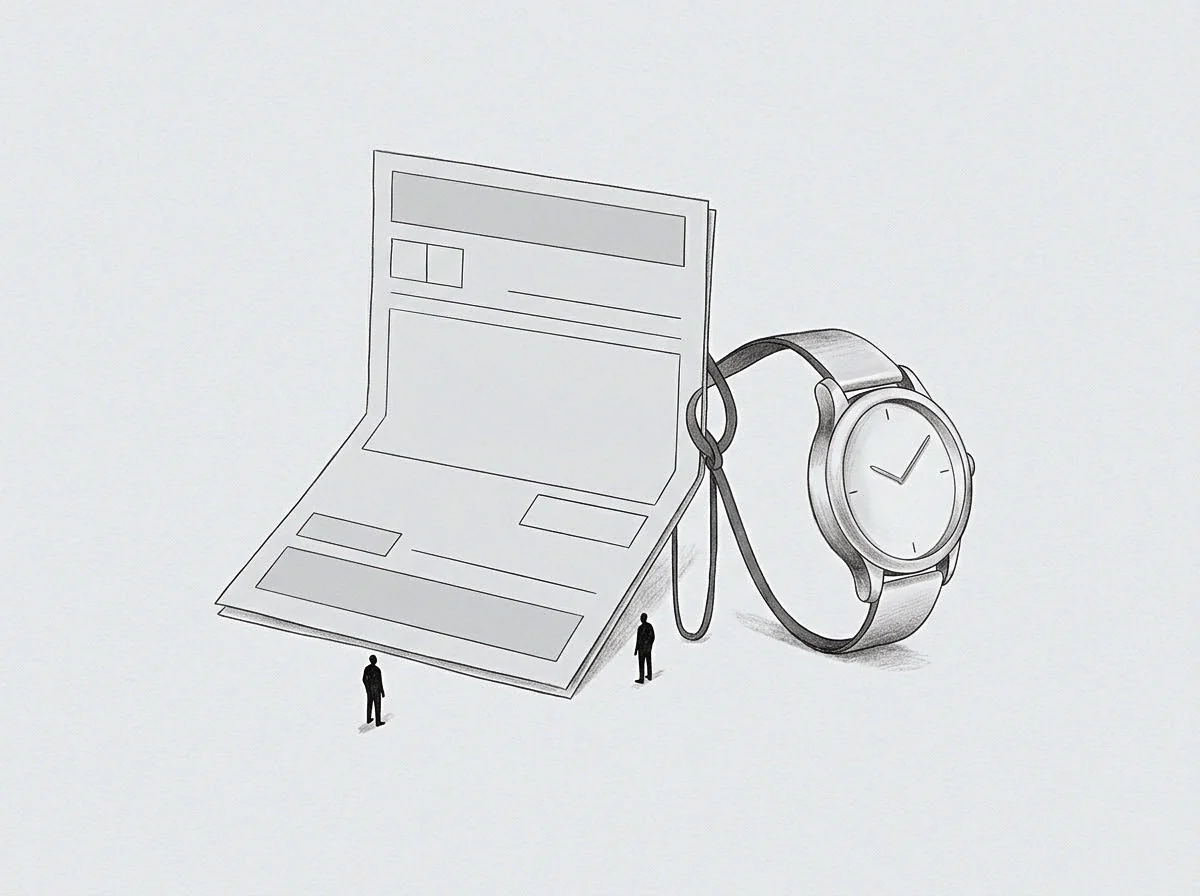
A complete operational purge involves documenting active variables, pending choices, and explicit next steps before moving to a new task channel. This process transforms volatile cognitive state into durable physical records. The operator converts an open mental loop into a closed, documented artifact that stands independent of human memory retention.
Externalizing Memory to Hard Copy Artifacts
Writing down system states before switching tasks requires short-term discipline that pays immediate operational dividends. When an unexpected interruption arrives, spending thirty seconds logging the current state prevents thirty minutes of context reconstruction later. The scratchpad entry acts as an external hard drive for working memory.
Operational records must include three specific elements: current system state, pending conditional logic, and the immediate intended action. Leaving out any one of these elements forces the operator to perform reconstructive memory work upon returning to the task.
Protocol for Terminal Thread Handover
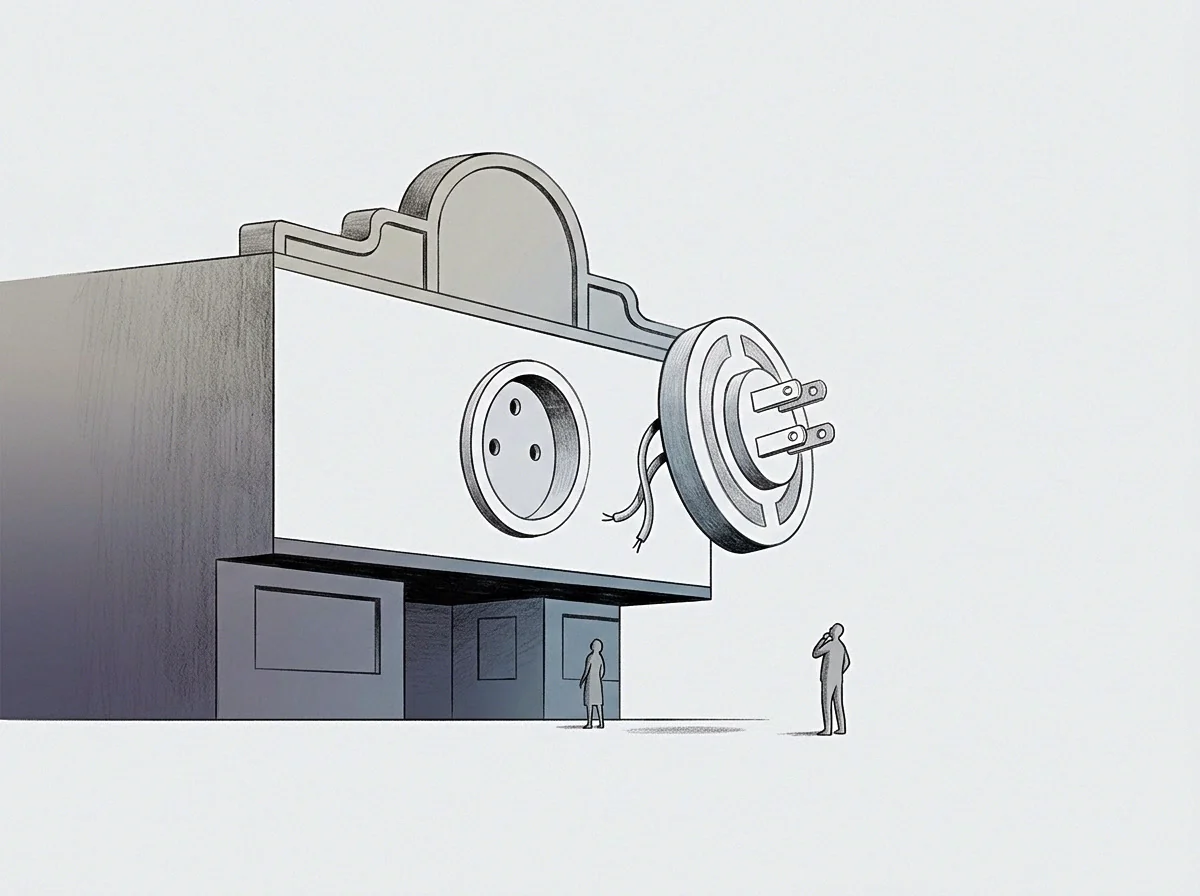
Closing an operational thread requires clear terminal criteria agreed upon by all participating parties. A thread left in an ambiguous state continues to consume background attentional allocation, generating residue that degrades performance on subsequent tasks. Explicit handovers release this cognitive load.
Systematic state logging before task transitions converts volatile working memory into stable external documentation, eliminating context recovery latency.
The written log preserves the operational variables so memory does not have to.
An operator completing a shift or transferring an incident logs the final parameters, assigns explicit ownership, and closes the active channel ticket. The act of marking the task closed in the system triggers a cognitive release, clearing the residual mental allocation completely. Headroom returns to baseline levels, freeing processing capacity for the next operational cycle.