
Setting Friction Protocols For Upward Escalations In Fast Teams
Upward escalation friction protocols mandate structured trade-off submissions and async delay buffers, preventing local teams from transferring cognitive load upward.

Wall

Escalation Velocity without Structural Resistance
Four messaging threads sit unread in an executive channel at midnight, each demanding immediate intervention on product trade-offs. The product lead and the engineering lead cannot agree on launch criteria for a billing update. Rather than resolving the tension locally, both leads tag executive leadership to force a binding decision.
Unbuffered messaging channels create immediate operational load. This pattern repeats across multiple departments throughout the work week, turning senior leadership into an ongoing damping mechanism for routine interpersonal and cross-functional friction.
Fast-growing organisations often confuse high communication velocity with high operational throughput. When teams operate at high speed without explicit friction rules for upward escalations, team leads default to passing unresolved decisions upward. The energy required to analyze trade-offs, align priorities, and negotiate compromises is transferred directly from the operational layer to the executive seat.
Over time, the executive seat becomes saturated with decision-gating micro-tasks. Local leads hold project context. When those leads offload final choices, they lose decision autonomy while increasing the allostatic load on senior leadership.
Unmanaged escalation channels convert executive availability into an organizational damper for unresolved peer friction.
A system without upward friction encourages continuous escalation. When passing a decision upward costs an employee less time and effort than resolving it locally, escalation becomes the default path. Executive availability derived without stated constraints functions as an open invitation for load transfer.
The organisation operates as a load-transferring system that continuously tests where leadership will absorb structural stress. Without an explicit protocol acting as a hard boundary, the load accumulates until executive bandwidth collapses.
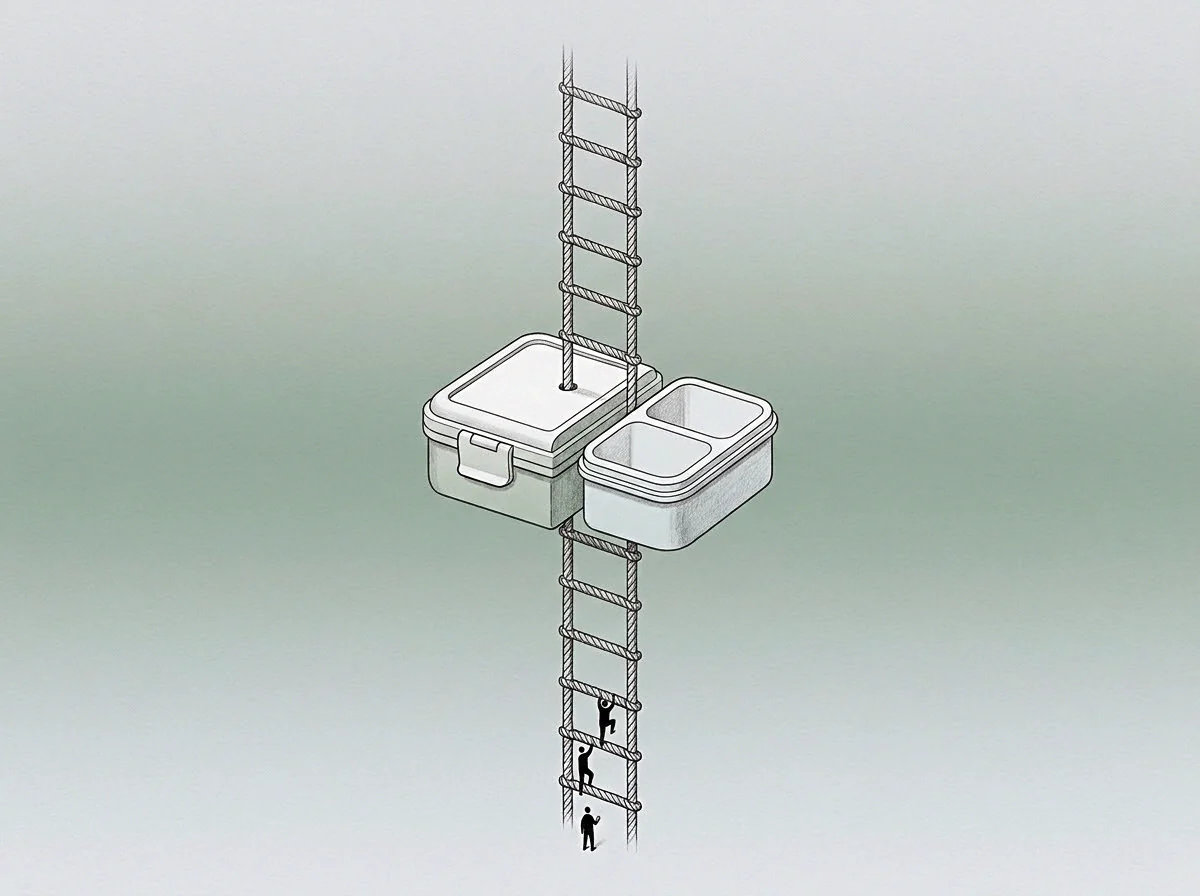
Constructing Structural Escalation Boundaries
Creating effective upward friction requires replacing open-ended communication channels with structured escalation criteria. An escalation protocol defines exact pre-conditions that must be satisfied before an operational dispute reaches an executive desk. These pre-conditions function as a physical boundary between local execution and executive intervention.
A functional friction protocol requires the escalating parties to submit a standard escalation document before leadership acknowledges the issue. This document must state the precise decision required, document the local options already evaluated, and define the specific trade-offs associated with each choice. Operational debt accumulates in silent channels.
Forcing escalating leads to articulate their own proposed solutions introduces cognitive friction at the point of origin. This cognitive friction filters out low-conviction escalations while ensuring that genuine disputes arrive with full context.
An escalation protocol that costs the sender less cognitive effort than resolving the conflict locally guarantees continuous upward load transfer.

Ping
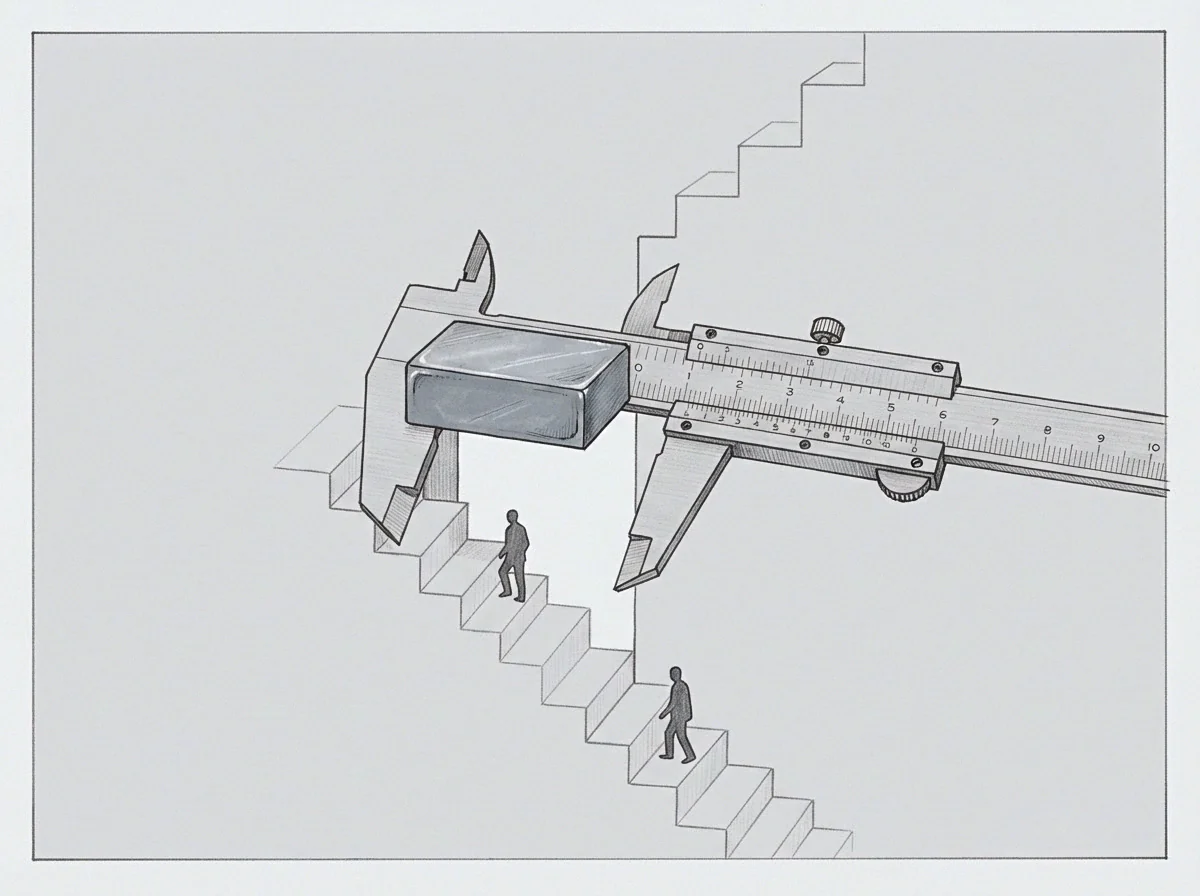
Asynchronous Priority Signals and the Threshold of Attention
Direct notification channels strip away the time buffer required for local problem solving. Urgent messages force rapid cognitive shifts. When an escalation arrives via real-time messaging, the recipient experiences immediate cognitive disruption regardless of the actual priority of the underlying dispute.
Establishing formal friction protocols requires categorizing communication channels by operational urgency and enforcing strict routing protocols.
Teams require explicit rules distinguishing real-time emergencies from strategic or operational trade-offs. Critical system outages justify immediate real-time notifications. Operational disputes between functional leads do not.
Routing non-emergency disputes through asynchronous documentation pipelines preserves executive focus while giving local leads space to resolve issues independently before an executive response occurs.
| Protocol Type | Initial Access Channel | Required Submissions | Response Window | Primary Operational Impact |
|---|---|---|---|---|
| Unstructured Escalation | Direct Messaging | None | Immediate / Ad-hoc | High executive interruption and high dependency on senior co-regulation. |
| Template-Gated Escalation | Shared Ticket Pipeline | Trade-off Analysis, Cost Estimate | Scheduled Batch Window | Moderate local friction; forces leads to structure context before surfacing. |
| Asynchronous Holding Protocol | Async Briefing Doc | Two Options, Staked Resources, Impact Assessment | 24-Hour Buffer Window | High local autonomy; encourages self-resolution during mandatory holding period. |

The Operational Mechanics of Asynchronous Pause Windows
Implementing a mandatory pause window between escalation logging and executive review alters team behavior. In fast-moving technology companies, initial disputes often rest on temporary emotional friction or incomplete information sharing. Mandatory trade-offs force local evaluation.
A required four-hour asynchronous holding period allows local leads to re-examine the dispute with complete data.
When an escalation protocol enforces a mandatory pause window, local resolution rates increase because immediate impulse transfers are blocked.
During this holding window, local leads frequently identify mutually acceptable compromises without executive input. The friction protocol acts as a temporal barrier. By delaying executive visibility by a set number of hours, the system creates space for local ownership.
If the dispute resolves within the holding window, the escalation ticket is closed automatically, leaving executive focus intact.
The project cannot move forward until executive leadership decides which feature to drop from the quarterly release.

Clock

Time-Gated Protocols and Latency Allocation
Fast execution requires clear boundaries around decision latency. Executive focus decays under constant interruption. When executive leadership steps into every operational standoff immediately, the team learns that escalation is the fastest route to resolving ambiguity.
This dynamic creates high decision throughput in the short term but destroys organizational scalability over time.
To break this dependency, organizations implement time-gated protocols that allocate explicit latency to upward escalations. Tier-two operational trade-offs are assigned fixed review slots on executive calendars, such as a thirty-minute window twice per week. Escalations arriving outside these windows sit in an active queue.
Local leads know precisely when their request will be reviewed, removing the anxiety of unpredictable response times while preventing real-time interruption loops.
- Mandatory Option Pairings oblige the escalating leads to submit two fully framed resolution paths alongside their operational trade-offs, ensuring leadership never receives a raw problem without structured solutions.
- Local Resource Staking commits the escalating department to supply engineering or design hours toward whichever resolution path executive leadership approves, discouraging frivolous escalations.
- Async Cooldown Delays enforce a four-hour holding period before non-critical operational standoffs surface in executive queues, creating space for peer negotiation.
- Explicit Deficit Accounting requires the sender to quantify the financial or schedule impact of delaying the decision by twenty-four hours, validating whether immediate intervention is justified.

Worked Scenario of Escalation Latency under Load
Consider an operational scenario involving two functional leads managing forty software engineers across multiple time zones. The product lead wants to ship an unfinished feature to meet a marketing deadline, while the engineering lead insists on delaying launch to clear security debt. Under an unstructured system, both leads trigger immediate escalation pings to the chief technology officer at 5:00 PM.
The executive intervenes via chat, issuing a rapid decision without reviewing full technical metrics. Protocol friction protects executive cognitive headroom.
Now consider the same scenario under a structured friction protocol. The system mandates that the leads submit a joint escalation brief containing technical risk assessments, resource reallocation options, and signed statements of impact. Preparing this document takes two hours of collaborative analysis.
In 60 percent of such cases, the process of writing the brief reveals shared technical ground, allowing the leads to settle on a phased rollout without executive input. When the document does reach the chief technology officer during the next batch review window, the decision requires five minutes of review rather than an hour of unstructured debate.
A protocol requiring double-option submissions cuts operational escalations by half while exposing concealed team alignment failures.
The introduction of a four-hour async holding window converts emergency interruptions into batch-processed decision queues.

Silence

Silence as an Active Operational Position
Unstructured requests transfer decision ownership upward. When senior leadership receives an escalation and remains silent, fast teams often experience organizational paralysis. Team leads interpret non-response as indecision or absence, halting execution while waiting for direct validation.
This stems from a failure to define the operational meaning of silence within the organization.
A mature friction protocol defines executive silence as a deliberate operational signal. When an escalation document fails to meet mandatory friction criteria, executive non-response signifies that the issue remains entirely within local ownership. Delay buffers restore team decision autonomy.
By establishing that executive intervention occurs only through properly formatted friction pipelines, leadership uses silence to enforce compliance with operational protocols.

The Cognitive Cost of Borrowed Regulation
When team leads rely on executive authority to settle routine cross-functional friction, they engage in borrowed co-regulation. The local leads offload the emotional and cognitive discomfort of peer conflict onto senior management. High-stress engineering environments share structural mechanics with automated industrial systems, where secondary relief valves prevent pressure buildup in core infrastructure.
If secondary valves vent too frequently, core system pressure drops below functional thresholds. Stated limits prevent unthrottled load transfer.
Research in organizational ergonomics confirms that continuous co-regulation exhausts executive capacity, leaving negligible headroom for strategic planning. Establishing upward friction protocols forces local leads to build internal resolution mechanisms. Systems press until meeting rigid walls.
When local teams absorb their own operational friction, organizational resilience increases across every tier.
Failing to define non-response parameters leads to organizational paralysis where team leads refuse to move without explicit upward approval.
State

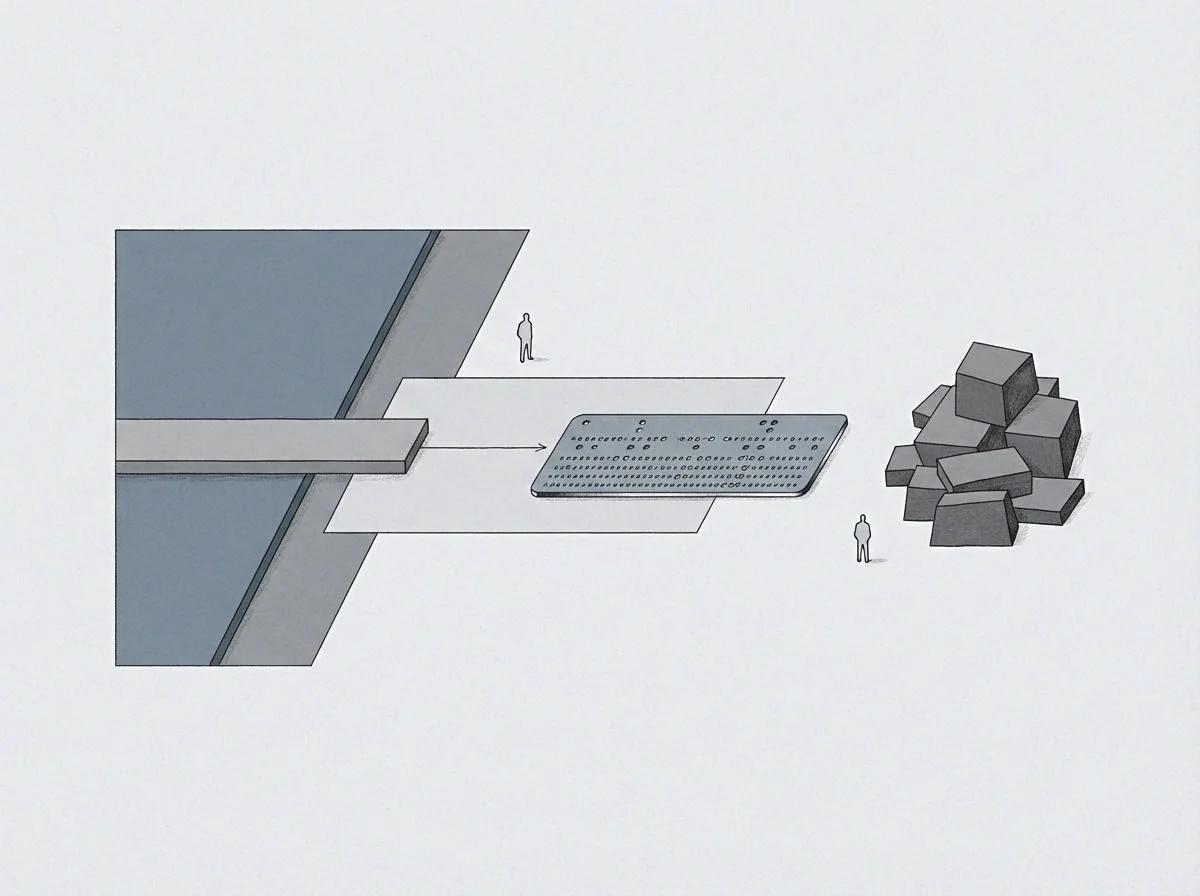
State-Gated Decisions vs Mood-Driven Escalations
System capacity functions as a state transfer function rather than an indicator of leadership mood. In fast teams, executive responses to unthrottled escalations often depend heavily on real-time availability and current cognitive load. An executive with high cognitive headroom might provide detailed, nuanced guidance on a minor dispute.
The same executive under heavy load might issue an abrupt directive or ignore the ping entirely. This variability creates unpredictability for local leads, encouraging them to test escalation boundaries repeatedly.
State-gated escalation protocols standardize the decision interface regardless of transient emotional states. By routing all operational disputes through fixed templates and scheduled review queues, the decision process becomes objective, repeatable, and scalable. The system evaluates the input based on stated criteria rather than executive availability.
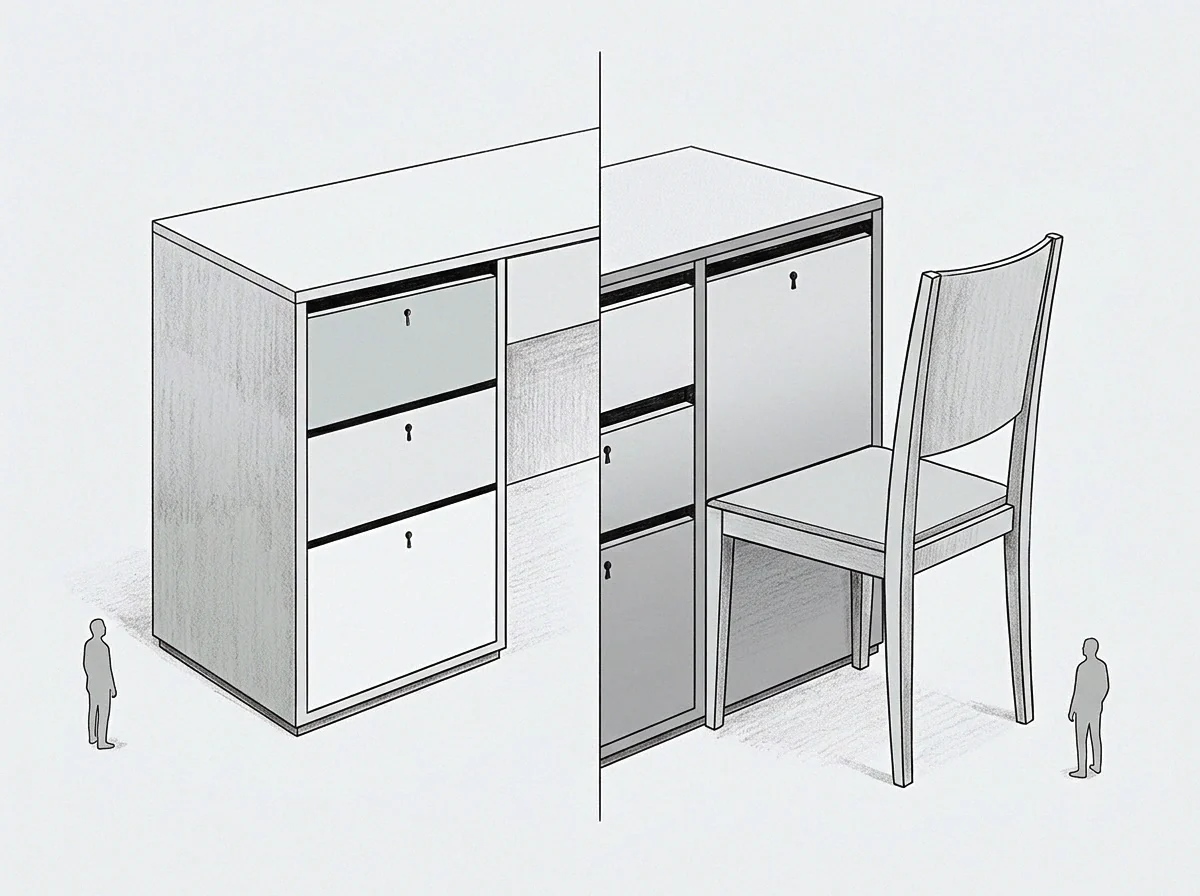
Implementing Structural Friction in Escalation Tools
Deploying structural friction requires integrating protocol rules directly into daily collaboration software. Task management platforms and ticketing tools can enforce mandatory form fields before an issue status changes to escalated. Messaging platforms can use automated bots to detect executive tags in public channels, immediately prompting the sender to link a valid escalation brief before sending notifications.
Establishing these digital barriers ensures that compliance is automated rather than manually monitored. Local leads accept friction protocols more readily when the software environment enforces the rules consistently. As teams adapt to these structural controls, local resolution becomes the path of least resistance, preserving senior leadership headroom for complex strategic challenges.