
Setting Hard Boundaries To Protect Depleted Executives
Hard boundaries protect depleted executives by replacing personal refusal with clear unyielding structural terms.
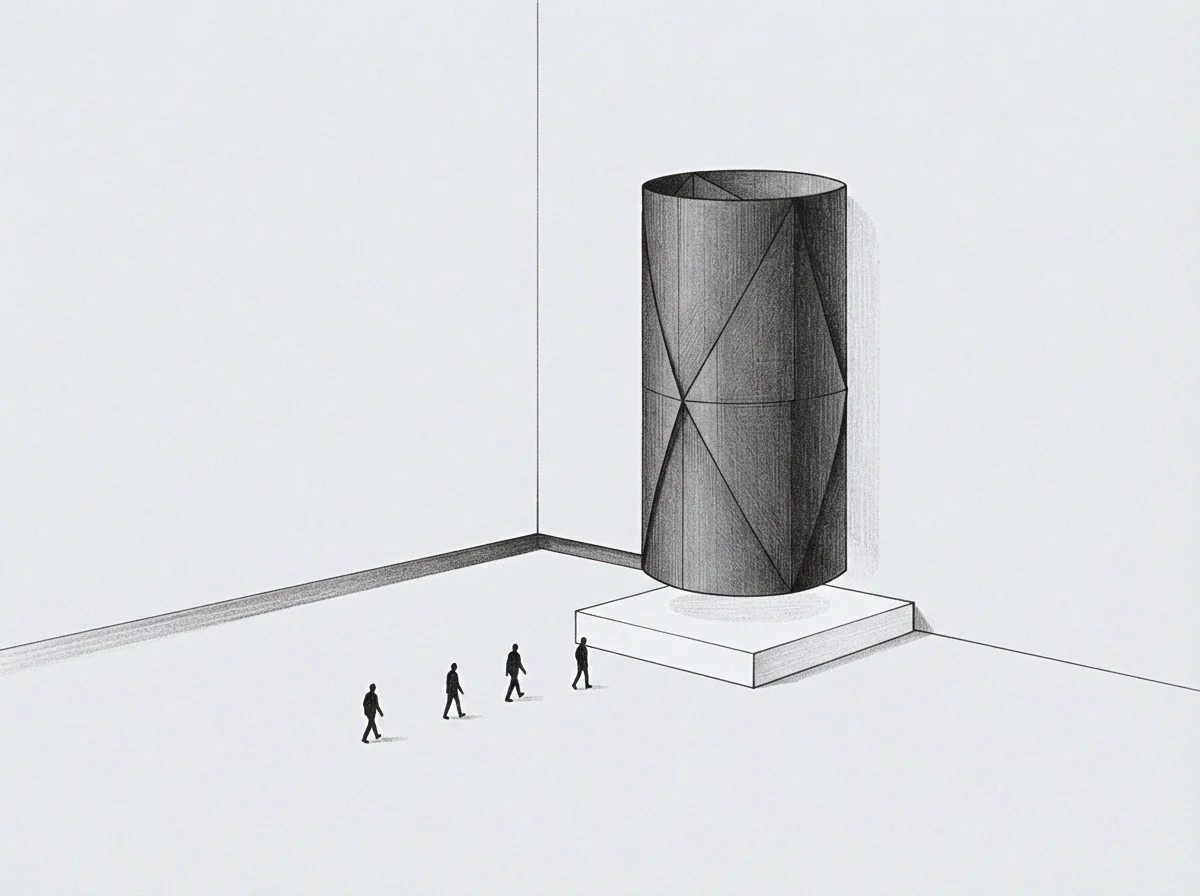
Drain
Four message windows sit open on a screen at midnight while system capacity reaches zero. Incoming requests stream into the executive seat without throttling because the organization treats the person in that seat as an infinite buffer. When operational variance across departments peaks, the unbuffered leader absorbs that strain directly into personal physiology.
This reflects high allostatic load, where continuous demand forces the body to adapt at high physiological cost. Over time, the setpoint shifts into chronic exhaustion.
Executive depletion is a state variable, not a passing mood. System state dictates what an input produces, reflected in physiological headroom, active open loops, and incoming load volume. Mood is simply an output carrying no structural information about capacity.
Treating depletion as a temporary mood forces reliance on executive willpower, an approach that fails as headroom evaporates.
When an executive functions as an unbuffered shock absorber, incoming demand expands to consume available system headroom.
An organization structured around an unbuffered human regulator develops structural dependency on that seat. Surrounding teams stop optimizing their own queue management, relying instead on immediate executive intervention to resolve routine exceptions. The seat ends up absorbing operational noise that belongs elsewhere.
Allowing operational variance to pass unbuffered into a depleted seat converts temporary physiological exhaustion into permanent systemic breakdown.

Fence
A limit is a structural parameter, not a personal refusal. When a boundary is expressed as personal preference, the surrounding system treats it as an invitation to negotiate. The system continuously pushes against the regulator until it hits something that exists independently of the regulator’s immediate emotional state.
That object is a stated term, establishing a physical or procedural condition that holds regardless of who sits in the chair.
Turning a personal refusal into an explicit term shifts the burden of regulation from internal willpower to an external rule. The system meets a wall rather than an individual. When an executive states that decision queues close at eighteen hundred hours, the constraint resides in the operational clock rather than the executive’s energy reserves.
- Asynchronous Handover Term defines the fixed sixty minute window during which incoming operational decisions are processed, returning all outside inquiries to queue status.
- Capacity Cap specifies the maximum concurrent direct reports permitted before operational authority automatically transfers to a designated deputy.
- Silence Threshold establishes the specific elapsed duration after which an unanswered non-emergency request defaults to a negative response without further review.
Deploying explicit terms alters how counterparties interact with the executive seat. Initial attempts to bypass the boundary rely on historical patterns where personal pleading yielded immediate access. When those attempts meet an unchanging procedural term, the initiating party must adjust its own internal priorities before resubmitting requests.
The executive used to resolve these exceptions directly before the boundary was drawn.

Silence
Counterparties infer availability from observed response patterns rather than broadcast declarations. Announcing open-door policies signals infinite capacity, encouraging constant low-value interruptions across every channel. Managing availability through deliberate response delays communicates exact operational boundaries without requiring ongoing verbal reinforcement.
Ping arithmetic measures the real priority signal between two parties across open communication lines. Channels that fire continuous notifications erode focused execution by imposing context-switching costs. Managing incoming notifications through fixed processing batches preserves executive cognitive capacity while establishing clear expectations for non-urgent operational traffic.
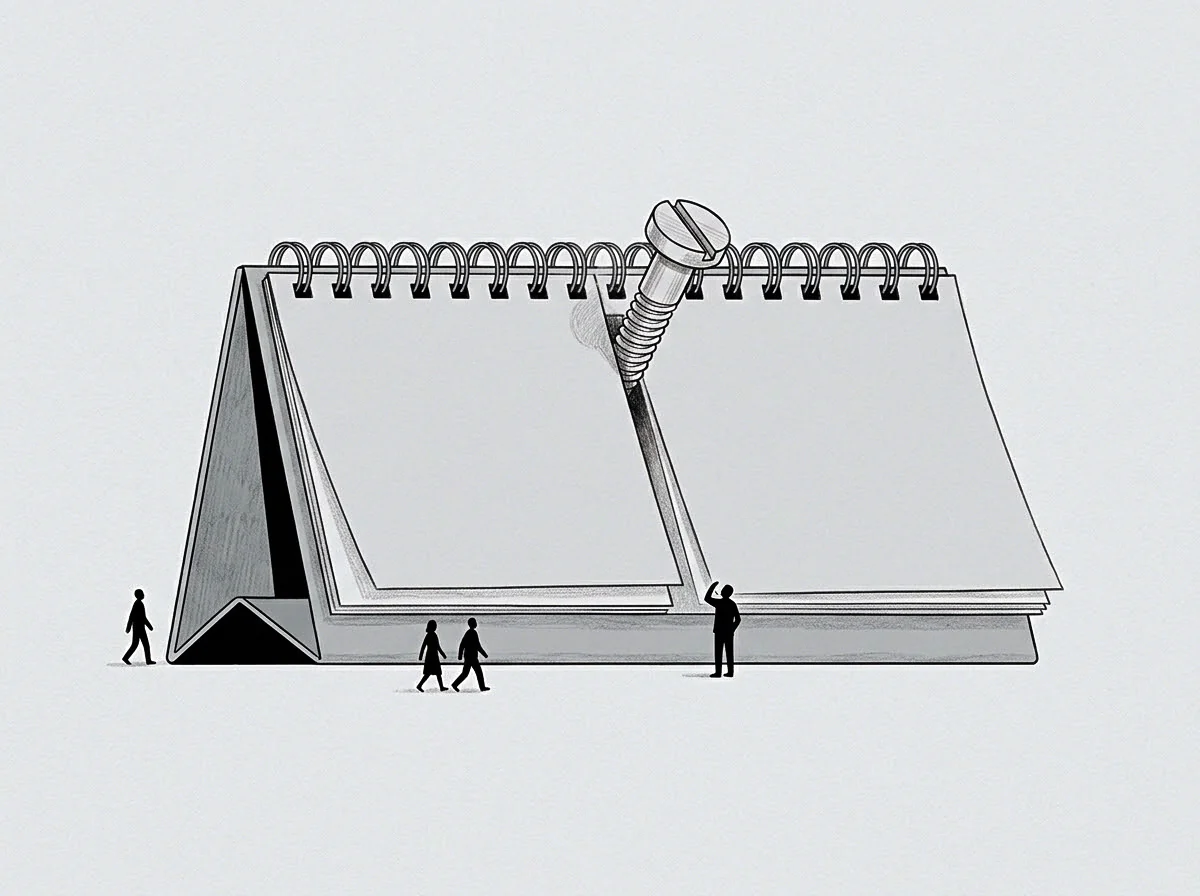
Can an Unanswered Channel Establish Priority Without Triggering Escalation?
Leaving non-essential messages unanswered across defined time intervals trains counterparties to filter their own requests. When routine inquiries sit without an immediate reply, initiating teams frequently resolve their own questions or route them through secondary operational paths.
A channel that pings constantly without filter signals that neither sender nor receiver maintains priority.
Certain operational actions are state-gated rather than decision-gated. A decision-gated act requires only an intentional choice to proceed, whereas a state-gated act requires physical headroom, cognitive clarity, and unencumbered time. Forcing a state-gated act when physiological reserves sit at floor level degrades strategic choices.
Setting an explicit seventy-two hour response window on routine proposals transfers the burden of urgency back to the initiating party.
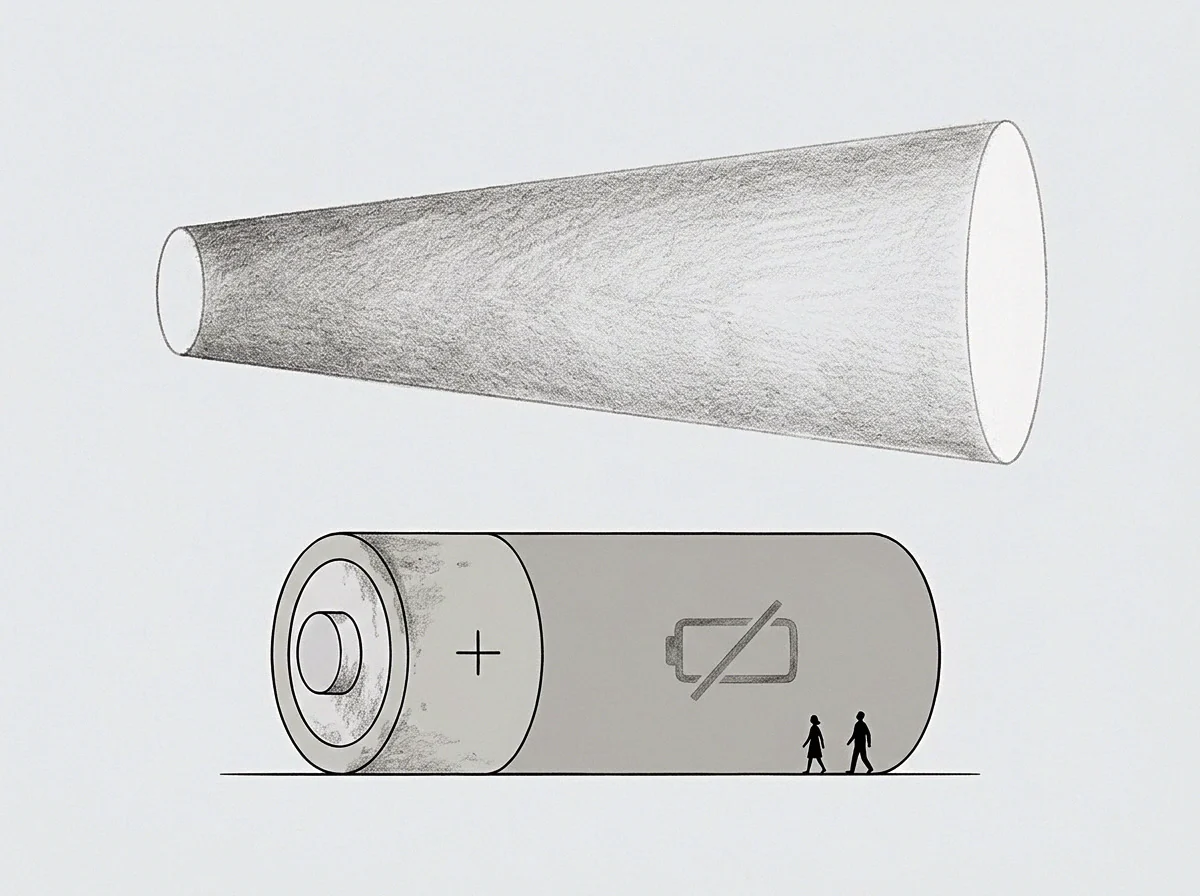
Table
Comparing boundary structures clarifies how different operational constraints distribute load across an organization. A personal refusal retains the load inside the executive seat, requiring continuous emotional effort during every interaction. A stated term shifts that load to external operational parameters, providing predictable conditions for all parties involved.
| Mechanism | Regulator Demand | Systemic Load Location | Predictability for Counterparty |
|---|---|---|---|
| Personal Refusal | High | Executive Seat | Low |
| Stated Term | Low | Initiating Party | High |
| Systemic Throttling | Low | Queue Architecture | High |
| Unannounced Absence | High | Escalation Network | Low |
Operational systems always push against soft limits until they meet an immovable physical constraint.
Systemic throttling introduces automated controls such as calendar lockouts and message filtering queues. These mechanisms protect executive capacity by making accessibility contingent on explicit operational criteria.
Whether an organization can maintain operational velocity after moving its central regulator behind hard terms remains open for long term evaluation.

Position
Holding a stated boundary requires standing firm on position and cost without entering rhetorical justification. Explaining at length why a boundary exists invites the counterparty to debate the underlying reasons. Stating the position flatly establishes the limit as a fixed fact within the operational landscape.
Cost defines the true boundary of any operational position. Establishing a limit carries immediate short term capacity costs, including counterparty discomfort and delayed response cycles on secondary projects. The depleted executive accepts these costs deliberately, recognizing them as far lower than the price of systemic breakdown.
When the executive holds position, the organization adapts its routing logic around the wall.