

Deriving Operational Availability Through Stated Terms and Structural Signals
Counterparties derive operational availability through stated structural terms and response signals rather than relying on unstated individual capacity.
Counterparties derive operational availability through stated structural terms and response signals rather than relying on unstated individual capacity.

Availability is derived from stated capacity limits rather than calendar declarations when founding allocations shift under operational load.

Covert organizational monitoring triggers continuous autonomic threat detection, causing sustained nocturnal vagal suppression and preventing parasympathetic recovery.
Stated concurrency limits restrict context switching across isolated operational threads to prevent cross-stream allostatic load accumulation.

Stated response limits decouple intake from execution, reducing allostatic wear by converting continuous interruptions into bounded processing windows.

Capacity limits derive directly from explicit operational terms that convert human endurance bounds into objective organizational walls.

Covert interpersonal buffering consumes prefrontal working memory by running continuous regulatory background processes, severely depleting cognitive headroom.

Structural gating protocols manage founding partner allostatic load by converting open loops into bounded asynchronous threads with explicit scope, dates, and terms.
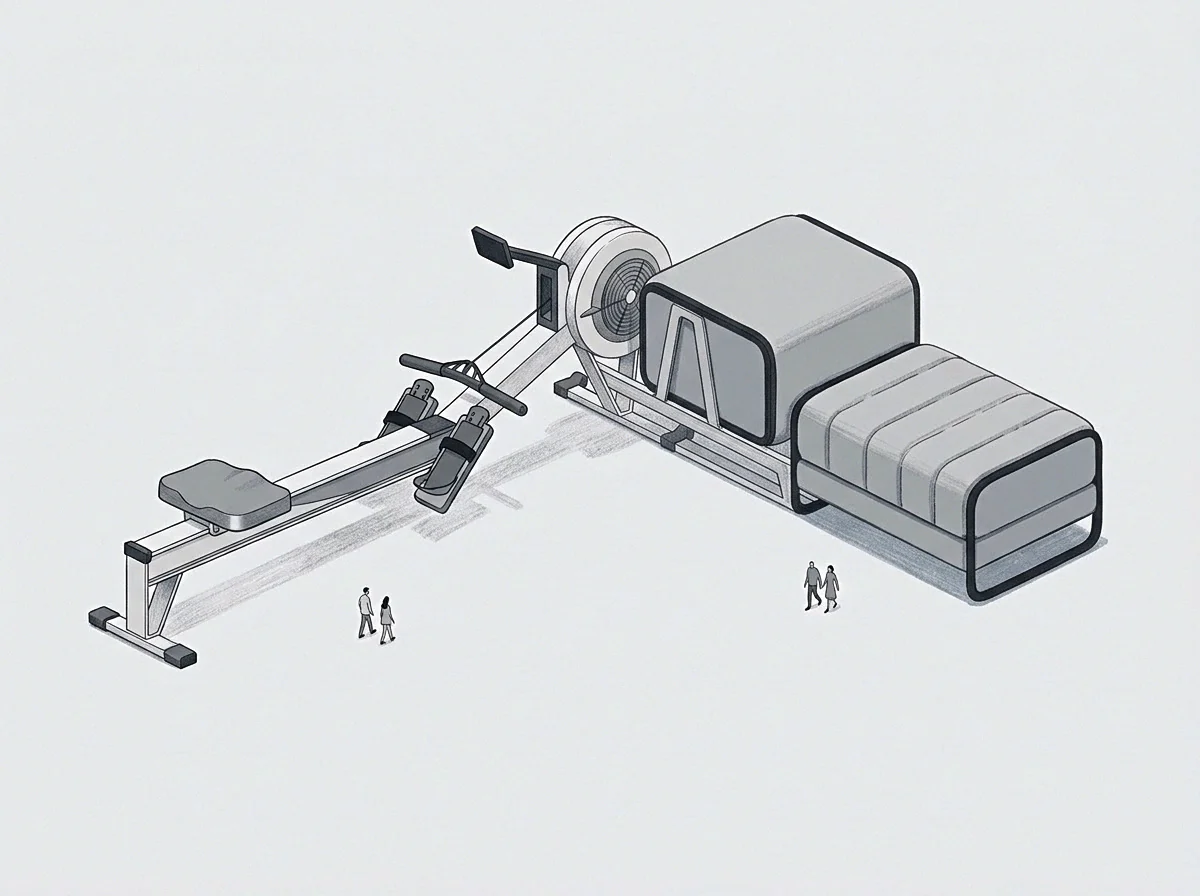
Executive throughput bottlenecks occur when centralized clearance rights outpace processing capacity, requiring explicit state gated delegation thresholds.

Baseline system capacity is determined by enforcing fixed operational constraints that cap concurrent work and expose true steady-state throughput.

Systemic boundaries protect venture capacity by gating operational acts on objective system state metrics rather than continuous interpersonal decision making under load.

Hard boundaries protect depleted executives by replacing personal refusal with clear unyielding structural terms.

Stating explicit limits on availability converts open incoming demands into scheduled operational loops, preserving executive function from allostatic wear.

Systemic availability limits derive directly from explicit governance terms that govern latency windows, concurrency caps, and intake throttling protocols.

Stated operational terms convert active evaluation into passive rule execution, preserving executive cognitive headroom by preventing continuous real-time load transfer.
The terms are written where they belong. Each field holds three desks, and every entry a desk writes raises the terms it uses, each term given a meaning, a mechanism and the places it appears. The record on these pages stays first person and hand made; the fields grow the nomenclature.