
Setting Hard Operating Boundaries When Early Client Volume Multiplies
Operational boundaries succeed when structured intake forms and explicit response intervals replace direct executive responsiveness under scaling counterparty volume.

Wedge
Rapid client acquisition alters the operational physics of an emerging enterprise long before delivery schedules reflect the strain. When forty commercial counterparties replace five, direct responsiveness ceases to function as a service attribute. The incoming communications stream expands into an unmanaged queue where every incoming query commands identical precedence.
An operator who absorbed early irregularities through extended personal exertion discovers that volume converts casual accessibility into an unsustainable obligation.
Each early counterparty initially purchases an implied share of executive attention alongside the formal deliverable. In that opening phase, rapid replies establish an informal baseline that counterparties treat as an entitlement. When transaction counts double across consecutive quarters, this unspoken expectation collides with calendar geometry.
Attention fractures across incoming pings, status inquiries, and urgent administrative exceptions.
A load-transferring system pushes an accommodating operator until structural resistance appears.
The operational deficit accumulates silently beneath reported revenue milestones. Work completed during fragmented intervals loses coherence, demanding secondary revisions that consume additional labor hours. Counterparties notice the resulting hesitation and escalate transmission frequency to recapture earlier speeds.
Unchecked volume thus produces an escalating feedback loop of inbound interruptions and deteriorating operational precision.

Elastic Availability as Hidden Deficit
Unbounded responsiveness operates as an unpriced subsidy granted to vocal counterparties. When an executive answers operational inquiries at night, the client counterparty absorbs that speed without recognizing the personal toll required to maintain it. The counterparty assumes the enterprise possesses organizational depth where only singular endurance exists.
This misapprehension delays necessary process engineering and disguises operational fragility from incoming participants.
The practice invites friction the moment volume forces an abrupt halt. An enterprise that doubles its counterparty register without altering communication parameters experiences systemic seizure within sixty days. Deliverables stall while staff manage inbound panic rather than contract execution.
The enterprise trades strategic production capacity for instantaneous messaging throughput.
Continued reliance on individual endurance drains the enterprise of reserve stamina, leaving delivery pipelines exposed to catastrophic failure whenever single points of contact falter.

Cadence
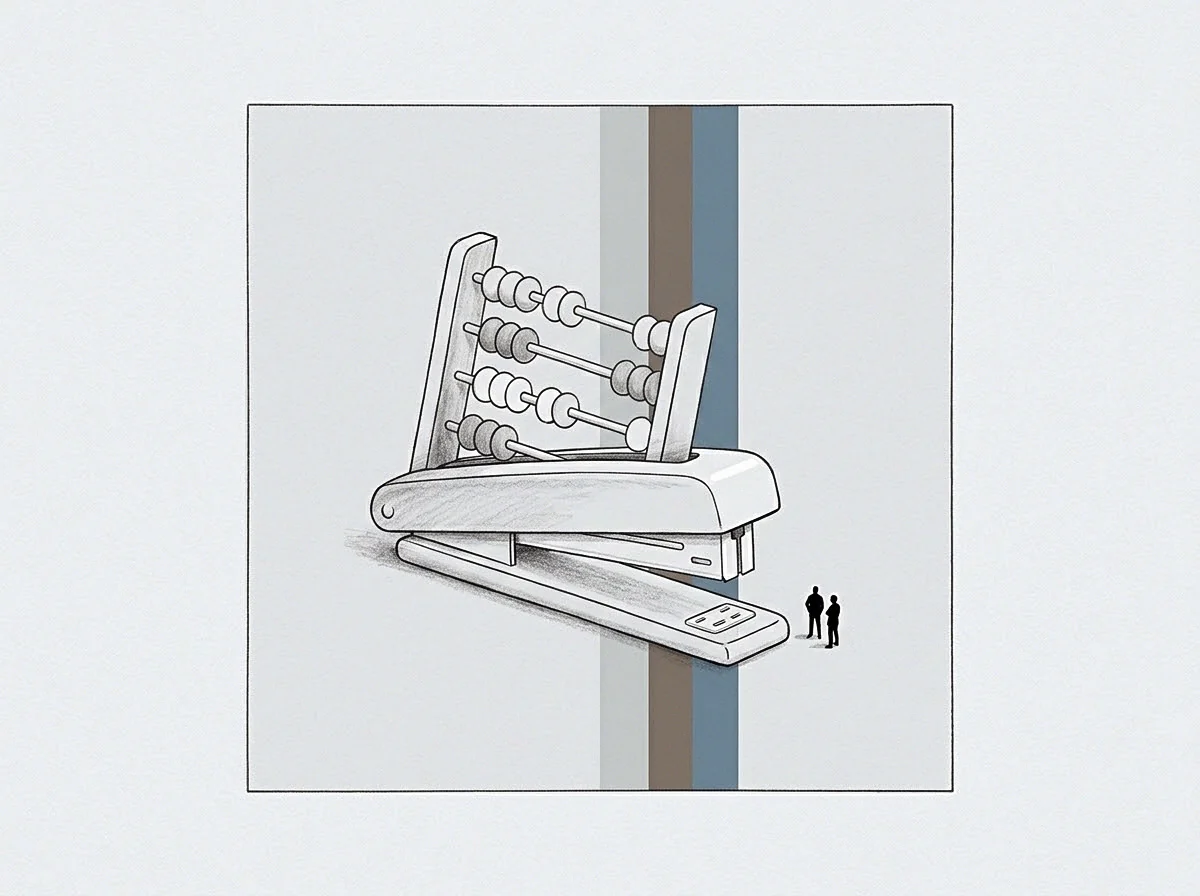
Stabilization begins by severing immediate reply loops from production workflows. Communication architecture requires deliberate friction to screen out transient queries before they reach operational personnel. Establishing designated processing intervals converts an erratic deluge of notifications into predictable operational batches.
The enterprise regains control of its schedule by dictating when intake channels open and close.
Counterparties adapt to predictable latency when processing rules remain transparent. A stated interval of six business hours for initial assessment establishes a functional buffer against reactionary panic. The counterparty learns that delivery takes precedence over conversational entertainment.
This boundary preserves uninterrupted focus blocks, permitting engineers and project leads to execute complex assignments without ambient disruption.
Unstated boundaries invite continuous testing while explicit parameters redirect pressure toward predefined channels.
Batch processing reorganizes incoming requests around task groupings rather than arrival chronology. Technical questions route to consolidated morning review sessions, while commercial scope discussions occupy late afternoon blocks. This division protects deep cognitive attention during peak energy hours.
High-demand workflows retain structural integrity across volume spikes.
Asynchronous Intake Mechanisms
Transitioning from real-time chat channels toward structured issue forms eliminates ambiguous service requests. When counterparties must submit precise diagnostic details before initiating contact, frivolous inquiries vanish from the queue. The submission interface functions as an operational strainer, compelling counterparties to organize their thoughts before demanding institutional attention.
- Structured intake forms compel submitting parties to articulate concrete symptoms, associated deadlines, and commercial impact parameters. Clear inputs accelerate diagnostic speed.
- Designated resolution windows assign incoming inquiries to scheduled labor blocks rather than interrupting concurrent production cycles. Staff preserve uninterrupted cognitive momentum.
- Channel restriction policies redirect informal text messages and unscheduled voice calls toward formal administrative registries. Centralized tracking stops communication leaks across ad hoc platforms.
The enterprise replaces chaotic conversational availability with mechanical predictability. Team members no longer monitor notification alerts during critical production windows. Incoming requirements wait inside the registry until assigned specialists initiate review.
Operational cadence reflects institutional capacity rather than external impulse.
Speed yields to consistency across every durable working arrangement.

Quota
Rationing capacity prevents early volume surges from degrading execution quality across core contractual deliverables. The organization sets clear concurrency thresholds to restrict how many active assignments enter development simultaneously. When account acquisition outpaces delivery capacity, excess orders enter an explicit staging queue.
This ceiling protects existing commitments from dilution caused by overextended personnel.
Capacity limits demand explicit definitions of standard service entitlements versus premium operational interventions. Without tiered parameters, low-margin accounts absorb identical executive attention as anchor contracts. The enterprise establishes rigorous scope containers that specify exact deliverables, meeting frequencies, and documentation formats included under baseline agreements.
Additional requests trigger supplemental pricing schedules.
Rationed capacity preserves delivery standards when commercial acquisition outpaces administrative capability.
The table below summarizes the operational reallocation that occurs when shifting from unstructured accommodation to formal boundary enforcement across multiplying accounts.
| Operational Dimension | Unconstrained Accommodation | Bounded Architecture |
|---|---|---|
| Communication Routing | Direct mobile messaging and ad hoc voice calls to founders | Centralized ticketing portal with standardized intake data |
| Response Thresholds | Immediate unstructured replies creating fractured attention | Predetermined turnaround schedules governed by tier status |
| Scope Governance | Informal acceptance of peripheral operational tasks | Rigid change control processes requiring fee adjustments |
| Execution Allocation | Continuous interruptions degrading deep technical production | Protected daily production blocks insulated from inbound inquiries |

Contractual Boundaries as Deflection Shields
Institutional contracts operate as physical obstacles when client counterparties demand emergency treatment for ordinary administrative workflows. The contract establishes boundary parameters far more effectively than personal negotiation ever accomplishes. When terms clearly state that scope modifications require ten days of lead time, operational teams cite the document without personal friction.
The agreement absorbs counterparty dissatisfaction and insulates staff from interpersonal pressure.
Stipulating explicit governance guidelines within initial master agreements prevents adversarial disputes during later expansion phases. The document defines response tiers, escalation hierarchies, and explicit work hours. Counterparties sign these terms during the initial negotiation phase when compliance comes cheap.
Holding counterparties to signed terms protects personnel from relentless informal encroachment.
The contract clause specifying a forty-eight-hour triage window shifts the baseline expectation from instantaneous reply to verified procedural assessment.
Rupture
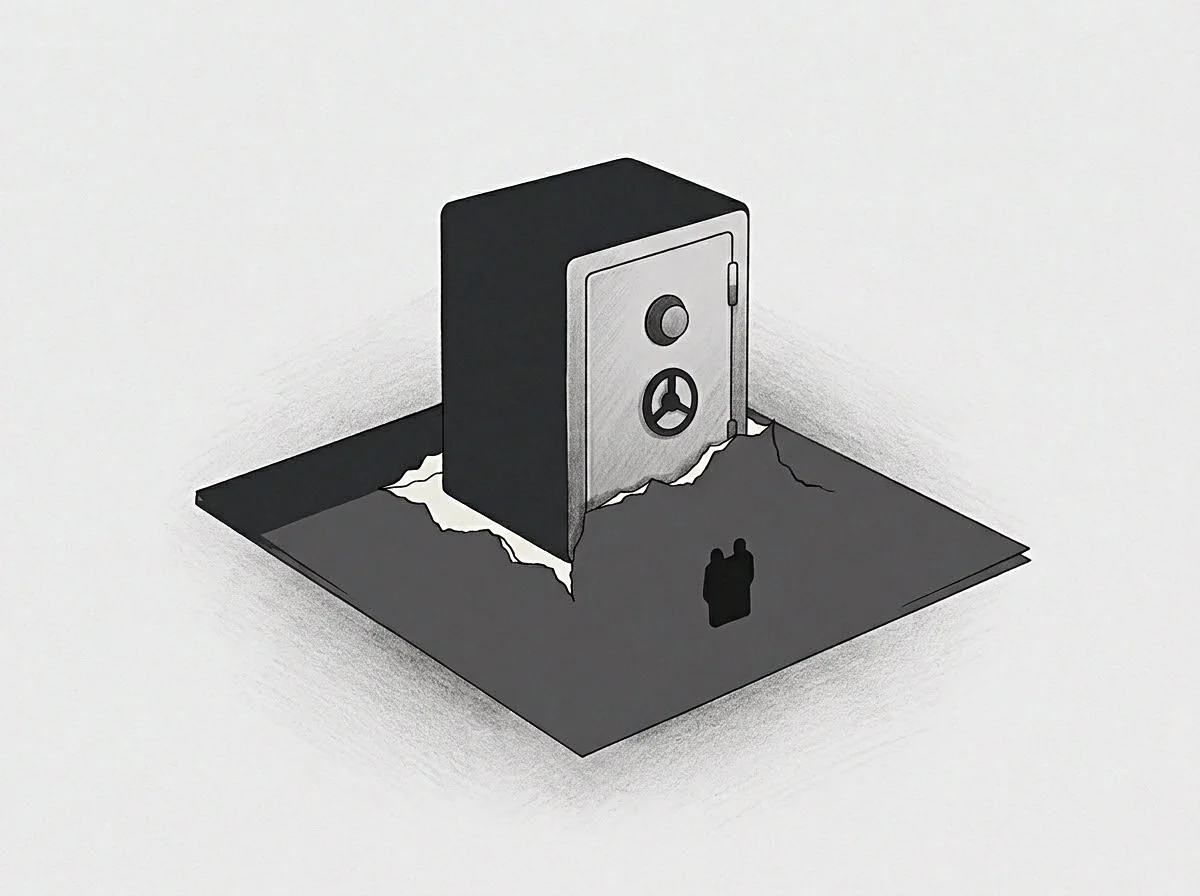
Enforcing operational limits inevitably triggers immediate friction with early counterparties accustomed to unrestricted executive access. Longstanding clients interpret procedural barriers as personal abandonment or declining corporate commitment. They test new communication protocols by bypassing standard ticketing channels and contacting executive leadership directly.
These pushback sequences determine whether systemic boundaries endure or dissolve back into reactive accommodation.
Holding position against early accounts demands emotional neutrality from executive leadership. Counterparties frequently deploy urgency language to force manual interventions outside approved queues. Yielding to an insistent counterparty dismantles internal discipline and signals to staff that published protocols remain negotiable under duress.
Executive intervention must consistently route the inquiry back into standard operating funnels.
Early turbulence subsides once counterparties observe that boundaries apply uniformly across the customer base. The counterparty discovers that structured channels yield superior delivery outcomes compared to ad hoc communication. Predictable timelines and accurate outputs compensate for the absence of conversational intimacy.
The commercial relationship re-anchors upon tangible competence rather than social indulgence.

Absorption of Counterparty Friction
Systemic boundaries reveal their true value when an established counterparty threatens contract cancellation over delayed conversational replies. An enterprise prepared for structural maturity accepts that certain accounts thrive exclusively on subsidized attention. Losing an account that consumes excessive capacity without paying compensating margins stabilizes overall delivery operations.
The vacant capacity immediately redistributes toward counterparties that respect established operating parameters.
Leadership absorbs the initial discomfort of client discontent without counter-attacking or offering unearned concessions. Staff observe whether executives defend published constraints or fold under client intimidation. When leadership upholds operating boundaries, team confidence solidifies across the organization.
The enterprise demonstrates that internal production integrity ranks above outside convenience.
The earlier access speed disappeared the moment this company acquired larger corporate accounts.

Pact
Sustainable operating scale emerges when boundary enforcement transitions from an individual emotional struggle into an automated technical mechanism. The enterprise builds its boundaries directly into its operational software, scheduling interfaces, and payment rails. When clients attempt to book meetings outside permissible hours, the calendar platform blocks the transaction without requiring human intervention.
System automation shields staff from relational bargaining.
Counterparties receive clear, automated acknowledgments confirming receipt of inquiries alongside definitive tracking numbers and scheduled review windows. The communication provides immediate reassurance of procedural progress without demanding active staff intervention. Operational visibility replaces continuous status meetings and pacifies anxious counterparties.
Structured transparency neutralizes panic before it translates into phone calls.
Periodic boundary reviews preserve systemic health as counterparty volume continues its upward trajectory. What served fifty counterparties falters when the roster crosses two hundred accounts. The organization audits communication volume, ticket turnaround times, and team fatigue indicators every quarter.
Operating parameters evolve systematically to absorb sustained commercial expansion without sacrificing internal stability.

Institutionalizing Operating Ceilings
Codifying operational standards into explicit company policies eliminates ambiguity regarding daily performance expectations. Team members know precisely which inquiries warrant immediate elevation and which belong in standard batch queues. Clear authorization guidelines permit personnel to enforce boundaries without consulting executive leadership for permission.
The organization functions as a cohesive unit governed by shared structural discipline.
- Systemic calendar gating restricts external meeting reservations to specific afternoon blocks, ensuring uninterrupted morning focus periods across technical departments.
- Explicit service escalation trees govern emergency interventions, preventing non-critical issues from disrupting executive attention during standard operations.
- Automated progress tracking portals grant counterparties real-time access to production statuses, drastically reducing incoming informational inquiries.
Long-term commercial viability depends on the enterprise protecting its core productive capacity from incoming noise. Without hard boundaries, volume multiplication degrades execution speed, morale, and commercial margins. Operating discipline transforms chaotic client influx into orderly, scalable enterprise growth.
When boundaries hold firm, client volume strengthens institutional capability instead of breaking it.
Whether an enterprise can preserve procedural boundaries when a Tier One counterparty demands bespoke operational exceptions remains an open question for maturing organizations.