Meaning
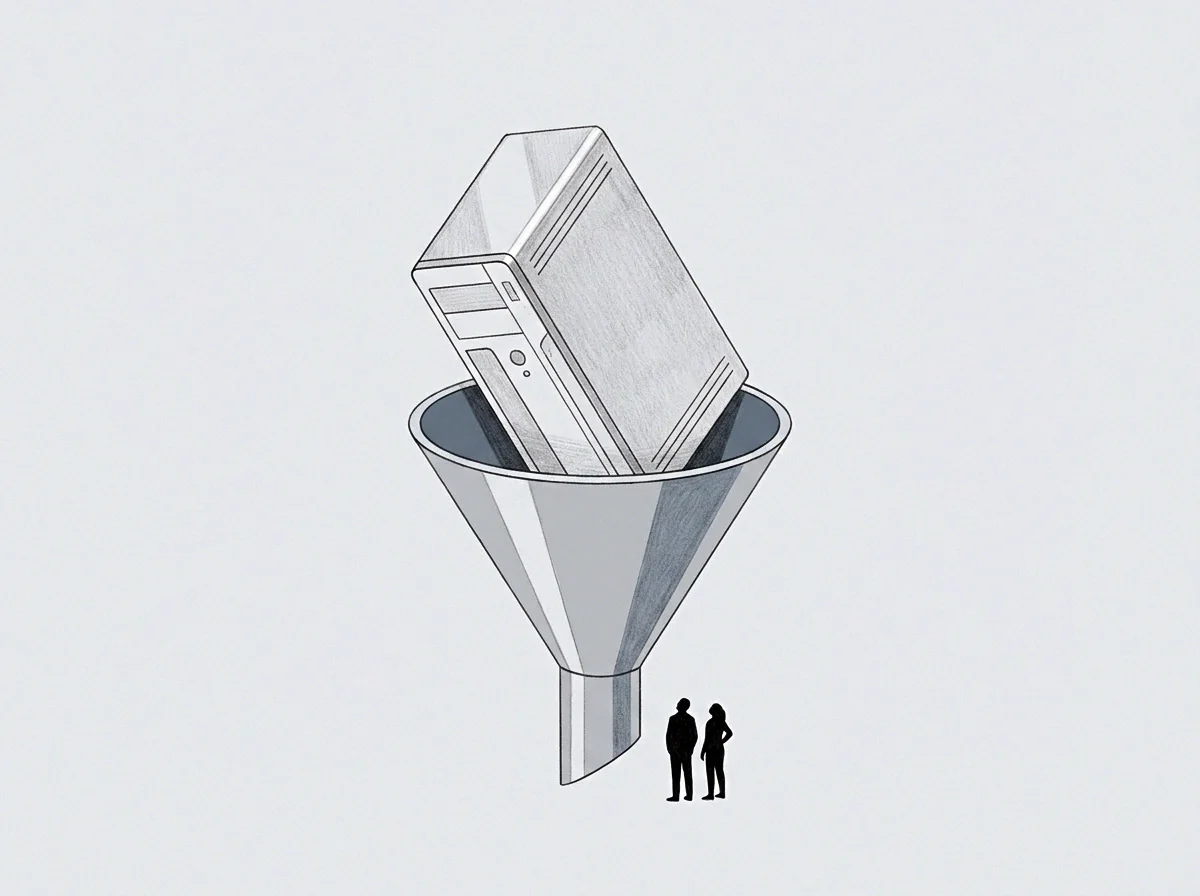
A triage window is the finite interval following an early-stage failure where operational recovery remains mathematically possible through emergency resource reallocation. This regulatory mechanism governs physiological bandwidth by bounding the hours a founder spends stopping direct hemorrhage before cognitive depletion permanently alters baseline decision capacity. The boundary of applicability stops at established corporate maturity, where structural redundancy replaces individual crisis intervention.
Survival Window
The triage window limits how long acute physiological exhaustion can substitute for institutional process without triggering permanent cognitive degradation. High adrenaline levels mask severe sleep deficits during the initial forty eight hours, allowing founders to maintain high throughput despite mounting neurological fatigue. Sleep debt accumulates exponentially past the third day, impairing working memory and narrowing the capacity to evaluate competing operational threats accurately.
Biological limits eventually force shutdown regardless of unresolved market pressures, turning temporary operational crises into permanent structural failures.
Allocation Limit
Emergency resource redistribution during the triage window requires stripping maintenance budgets and halting long term product development to feed immediate survival requirements. Founders allocate nearly all waking hours to immediate client retention and payroll preservation, starving internal systems of necessary oversight. This hyperfocus creates secondary failures in neglected departments, which surface simultaneously once the primary crisis stabilizes and attention diffuses.
Attention capacity acts as the ultimate scarce currency during this interval, because every minute spent on supplier negotiations directly subtracts from regulatory compliance or technical debugging.
Recovery Threshold
Bounding the duration of crisis management prevents short term salvage operations from permanently degrading baseline operating health. Exiting the triage window before reserves run dry determines whether the enterprise resumes normal scaling or enters terminal decline. Restoring standard operational cadence depends on deliberately closing the emergency protocol once baseline metrics stabilize, regardless of lingering market uncertainty.
Prolonged emergency operation destroys the physiological resilience required for routine governance long after the immediate threat subsides.