
Setting Stated Limits to Preserve Biological Executive Capacity
Stated limits convert external demand from real-time biological micro-arbitration into automated structural filtering, protecting prefrontal executive capacity.

Signal
Four incoming communication queues hold active operational decisions at midnight while the prefrontal cortex attempts high-complexity cognitive synthesis without structural filtering. Incoming demands hit the individual directly when no explicit operational term exists to absorb the force of external priority queues. Biological executive capacity depends on finite metabolic resources within prefrontal neural circuits.
Every unthrottled request triggers real-time micro-arbitration, consuming glucose and biological attention regardless of whether the request receives an immediate response.
The queue expands rapidly. The seat holds zero load.
Load-transferring systems in growing organizations default to pushing against human availability until they encounter structural friction. When operational terms remain implicit, counterparties interpret continuous availability as low-cost allocation. The human regulator becomes the default buffer for organizational turbulence.
The physiological cost of this arrangement accumulates through elevated cortisol baseline levels and persistent prefrontal fatigue.
An unstated operational limit forces the human nervous system to act as a continuous shock absorber for external queue volatility.
Unthrottled inbound messaging channels create open neural feedback loops that prevent complete biological down-regulation. The prefrontal cortex maintains ongoing vigilance for incoming priority signals, maintaining high metabolic consumption even during nominal idle periods. Biological executive systems experience depletion when internal allocation systems remain perpetually responsive to external signals.
Leaving operational thresholds implicit shifts the structural burden of boundary enforcement entirely onto real-time emotional willpower, depleting biological executive capacity faster than scheduled task execution.
Table
Organizations maintain stability through formal terms or through real-time personal intervention. A system relying on personal intervention extracts continuous physiological effort from its operators. A system governed by explicit terms redirects incoming pressure into predetermined schedules, processing queues, and fixed access windows.
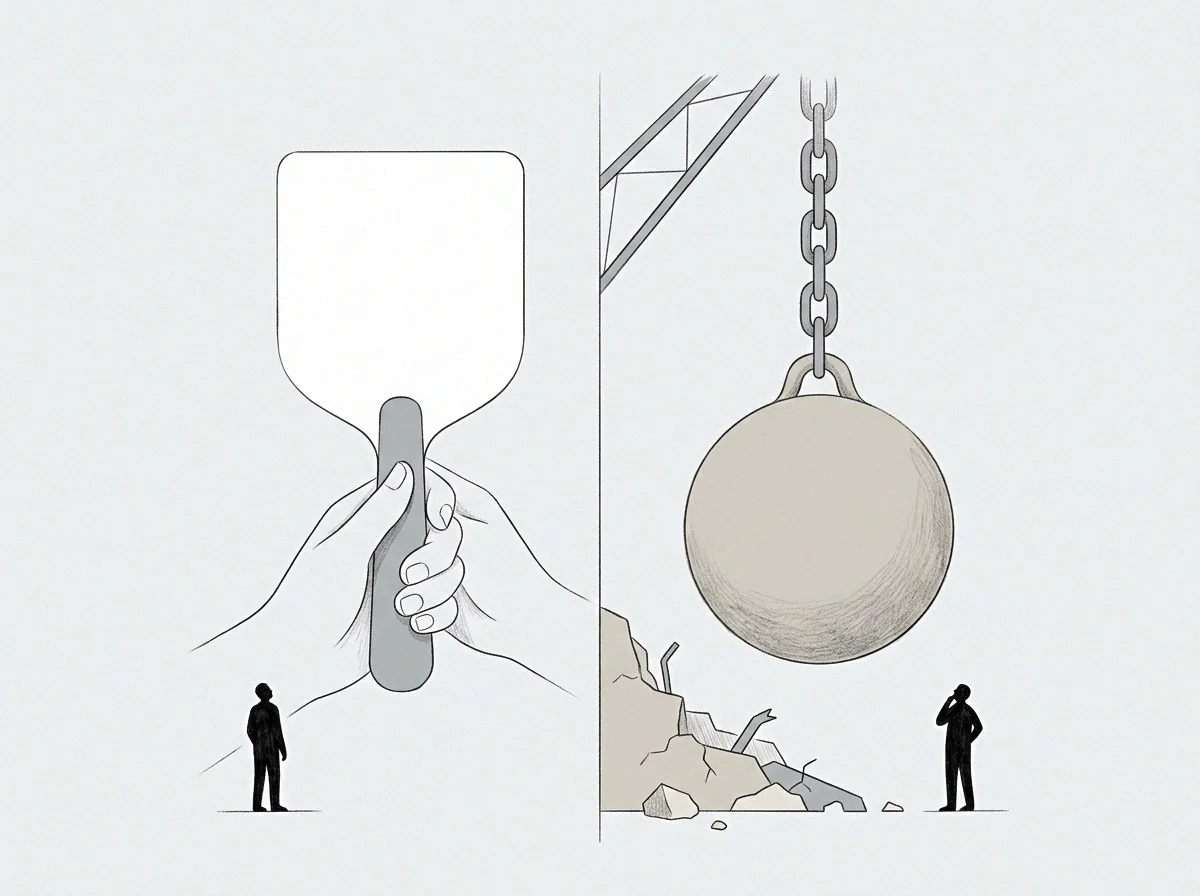
The wall stops the push. Terms set the rate.
Operational terms convert unstructured incoming demands into predictable access rules. The following parameters define how load-transferring structures interact with biological regulators:
- Capacity Ceiling defines the maximum daily metabolic budget allocated to high-complexity executive decision-making before cognitive performance degrades.
- Load Transfer Ratio measures the proportion of operational friction redirected away from internal organizational mechanisms and onto the individual regulator.
- Arbitration Latency records the elapsed duration between incoming operational demands and formal execution decisions made by the operator.
Comparing governance models highlights how explicit terms alter structural dynamics between operators and external counterparties:
| Governance Variable | Regulator-Dependent Governance | Term-Gated Governance |
|---|---|---|
| Primary Filter Mechanics | Continuous personal intervention | Explicit operational schedule terms |
| Metabolic Allocation Path | Real-time prefrontal micro-arbitration | Pre-allocated structural processing rules |
| Counterparty Expectations | Assumes infinite availability baseline | Derives access based on explicit terms |
| Systemic Escalation Pattern | Increases pressure until personal breakdown | Re-routes requests to secondary queues |
Establishing explicit response windows shifts counterparty communication habits within fourteen operational days by establishing predictable access terms.

State
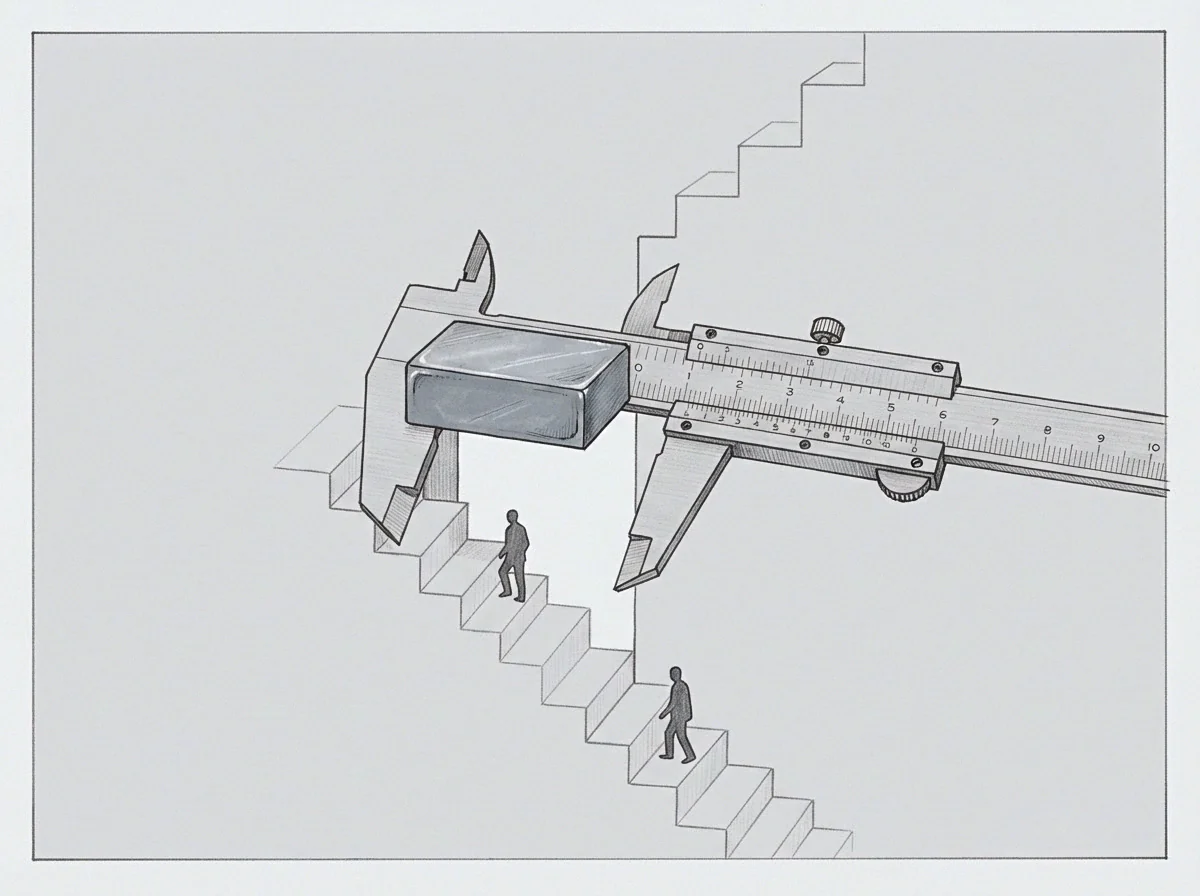
Physiological state determines functional capacity across cognitive tasks. State functions as a biological transfer function converting incoming demands into cognitive output. Mood represents a downstream subjective byproduct of underlying physiological states, carrying minimal structural information regarding system capacity.
The setpoint remains unchanged. The state governs execution.
Why Do Unstated Limits Accelerate Allostatic Accumulation?
Allostatic load accelerates when biological regulators repeatedly deploy acute physiological adaptations to meet continuous operational demands. Prefrontal networks maintaining executive control under sustained load consume metabolic resources faster than peripheral systems can replenish them. The brain prioritizes immediate threat processing over long-term strategic synthesis as biological executive capacity drops.
Executive actions gated by physiological state resist execution when neural metabolic reserves drop below critical operational thresholds.
State-gated acts rely directly on available prefrontal reserves. When metabolic exhaustion occurs, deliberate decision-making capacity fails despite conscious intent. Decision-gated acts remain structurally viable only while biological state parameters stay within physiological setpoints.
Unresolved operational friction raises the baseline stress response, forcing biological systems to operate under chronic elevation of sympathetic nervous system tone. Sustained elevation degrades sleep architecture and impairs neural recovery cycles essential for complex cognitive work.
What biological setpoints mark the threshold where executive regulation transitions from active synthesis to automatic protective withdrawal?

Line
Stating a limit requires placing an explicit term into an operational agreement as an objective boundary. The term functions as a physical wall within the working structure. External systems naturally push against new operational parameters to determine whether the boundary rests on personal mood or explicit terms.
Load transfers to the wall. The operator states the term.
Consider a founder managing a technical team of twelve engineers and two co-founders over three years without defined availability hours. Incoming messages arrive across primary channels at all hours. The founder evaluates incoming issues in real time, absorbing organizational friction to maintain team velocity.
Prefrontal capacity drops, strategic work stalls, and decision latency increases across all operational threads.
The founder introduces an explicit term: synchronous communication occurs between ten in the morning and four in the afternoon. Deep technical review requests require forty-eight hours of lead time via a shared ticket queue. Immediate nocturnal escalation applies exclusively to system-wide production outages verified by automated monitoring.
During the initial seventy-two hours, team members test the boundary. Non-critical requests continue arriving through direct messaging channels after hours. The founder refrains from real-time micro-arbitration, allowing messages to sit in the queue until the scheduled morning window opens.
The external system initially escalates testing pressure before adapting to the structural friction of the stated limit.
By the third week, team members consolidate inquiries into batch updates, resolving minor operational issues autonomously. Systemic velocity stabilizes as the load redirects from the founder’s biological executive system to the structural processing terms.
A stated term holds only when the cost of breaching it lands directly on the originating party.
Counterparties adapt quickly when stated limits remain consistent across operational cycles. Structural boundaries remove personal ambiguity from business interactions.
The operational window closed at four, so this review will proceed during tomorrow morning’s scheduled processing block.

Position
Availability is derived by external actors through observed structural patterns rather than personal announcements. Counterparties evaluate explicit costs, response latency, and stated terms to calculate when and how to engage an operator. Clear positions eliminate the need for emotional explanations or defensive explanations.
Silence carries the position. The ping carries priority. The cost settles immediately.
The channel stays quiet.
Channel ping arithmetic reveals true structural priorities across organizations. Channels that ping continuously with low-priority items degrade cognitive focus, while quiet channels reserved for critical signals protect biological bandwidth. Restructuring communication channels establishes explicit access tiers based on task severity.
A founder establishes position by defining clear operational terms, establishing unambiguous access costs, and allowing counterparties to derive availability directly from those parameters. Silence within non-designated hours communicates operational position more effectively than repeated personal requests for space.
Operational availability becomes predictable when external actors calculate access costs from explicit positions rather than fluctuating personal energy.
Removing defensive emotional language from boundary enforcement stabilizes professional relationships. Stated terms operate as impersonal facts within the organizational structure.
Defining structural terms early protects biological executive capacity for high-value strategic decision-making over extended time horizons.