
Quantifying Biological Wear From Long Term Unhedged Executive Operating Limits Across Founders
Unhedged executive exposure transfers institutional volatility directly into the founder's biology, causing chronic allostatic wear and severe neural throttling.
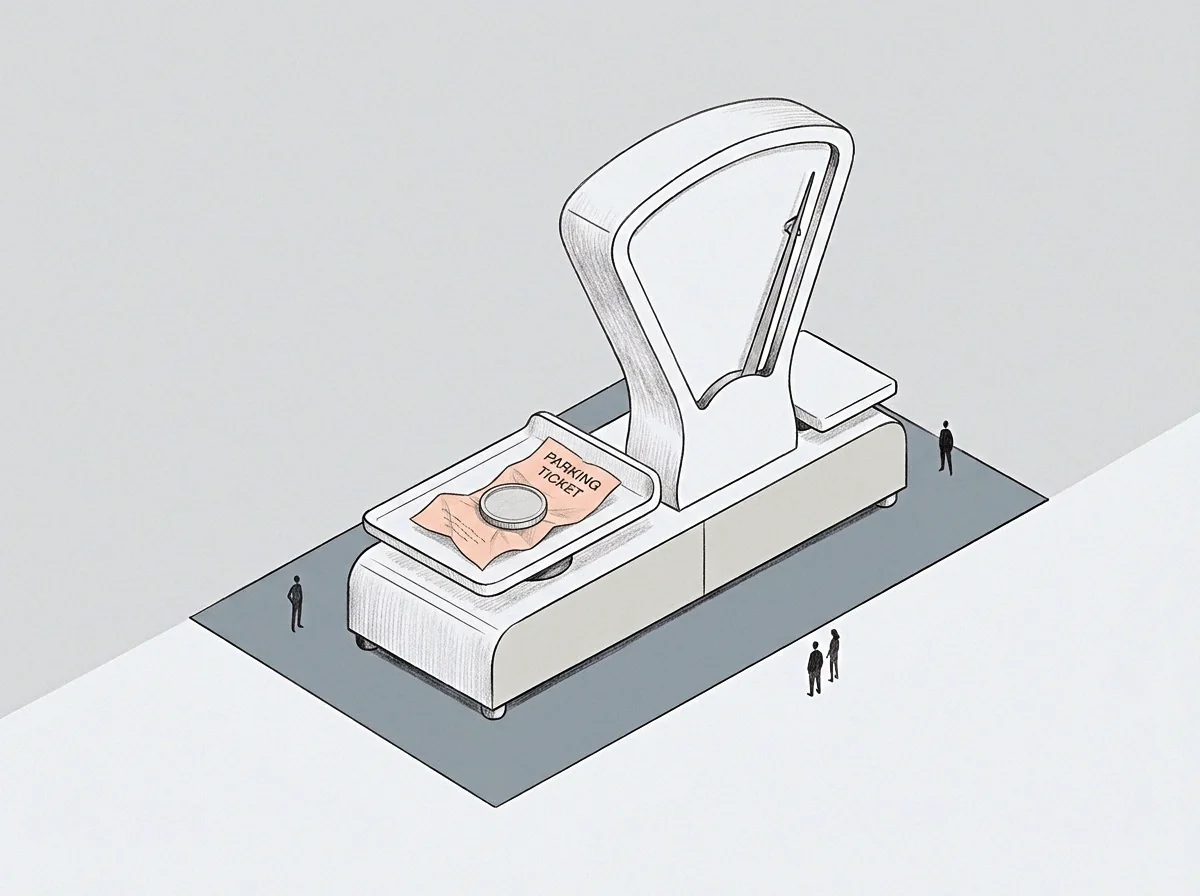
Desk
Four conversations sit active on a screen at midnight while the operator reviews an unhedged payroll transfer scheduled for six hours later. The physiological load registers in the gut, behind the eyes, and in the thoracic cavity before any formal assessment occurs. What an untrained observer terms executive endurance represents, in systemic terms, an unhedged operating condition.
The human regulator in the primary seat absorbs environmental variance through biological tissue.
When an operating limit remains unhedged, systemic volatility flows directly into the neuroendocrine axis of the individual occupying the final decision slot. Variance does not vanish. A contract missing an explicit volume ceiling, a credit line lacking backstop capital, or a team without escalation boundaries transfers every external perturbation to the nervous system of the operator.
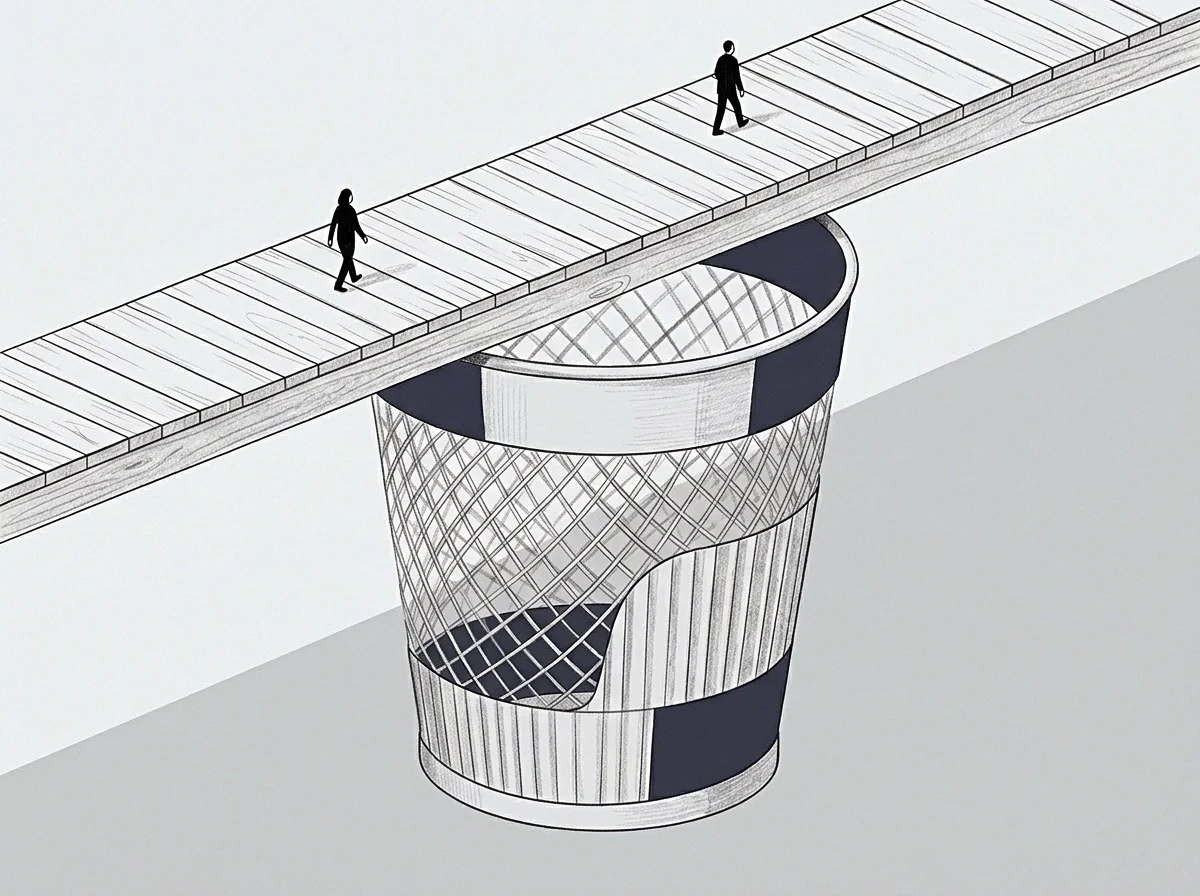
The body functions as the reserve asset of last resort.
A biological substrate absorbs every institutional variance that lacks an explicit financial or structural hedge.
The distinction between ordinary administrative exertion and biological degradation turns on the hedge. Ordinary operational labor carries defined scopes, temporal endpoints, and distributed exposure. Unhedged operation occurs when downside liabilities terminate on an individual nervous system without institutional absorption layers.
In this state, survival mechanisms engage continuously to maintain basic organizational coherence.
This reality produces measurable biological wear. Allostatic load accumulates across cardiovascular, metabolic, and neuroendocrine systems as the cost of forced adaptation. The executive perceives this state as cognitive saturation and emotional flattening.
The organism operates in a protracted defense state, rationing energy away from repair to sustain active oversight.
The immediate consequence is regulatory degradation. The prefrontal cortex sheds complex reflective capacities to preserve survival reactions. The operator continues to answer inquiries, sign documents, and direct meetings, yet the internal margin for processing novelty drops to zero.
Systemic collapse begins in the tissues long before it reflects in the quarterly audit.
Clock

Circadian Flattening Across Protracted High Demand
Protracted exposure to unhedged executive exposure alters the diurnal rhythm of cortisol production. The normal neuroendocrine curve features an abrupt morning peak, known as the cortisol awakening response, followed by a steady descent toward a flat evening baseline. Under uninterrupted operating demand, this architecture collapses into a low, flattened profile.
The adrenal axis loses its dynamic range, resulting in morning exhaustion and elevated nocturnal arousal.
This hormonal distortion impairs cellular restitution. Deep slow-wave sleep diminishes as elevated nocturnal autonomic tone prevents core body temperature reduction. Growth hormone secretion falls, truncating systemic tissue maintenance.
The physical seat demands sustained vigilance, and the hypothalamus complies by withholding restorative shutdowns.
Autonomic nervous system metrics capture this systemic strain with precision. Heart rate variability, specifically the root mean square of successive differences between normal heartbeats, registers chronic suppression. Lower resting vagal tone indicates a loss of autonomic plasticity.
The cardiovascular tree remains locked in sympathetic dominance, preparing against an unhedged operational catastrophe that never fully materializes nor resolves.

Endocrine Costs of Persistent Threat States
Chronic activation of the sympathetic-adreno-medullary axis causes continuous catecholamine release. Epinephrine and norepinephrine circulate at concentrations that alter vascular endothelium. Smooth muscle cells within vascular walls undergo remodeling, elevating peripheral vascular resistance and base blood pressure.
Suppression of resting vagal tone confirms systemic defense activation before conscious fatigue manifests.
The metabolic system shifts toward persistent emergency mobilization. Glucocorticoids stimulate hepatic gluconeogenesis and induce peripheral insulin resistance, keeping glucose circulating for anticipated executive actions. Over long operational horizons, this sustained substrate mobilization produces visceral adipose deposition and vascular micro-damage.
The organism sacrifices cellular longevity to feed continuous metabolic demands.
An operator reading these biomarkers sees early degradation across standard clinical panels:
- High Sensitivity C-Reactive Protein rises steadily above normal resting values, signaling vascular micro-inflammation driven by prolonged autonomic drive.
- Dehydroepiandrosterone Sulfate falls relative to cortisol, demonstrating the diversion of adrenal steroid production away from anabolic maintenance toward catabolic defense.
- Fasting Blood Glucose drifts upward alongside elevated glycated hemoglobin, reflecting glucocorticoid-mediated hepatic output that exceeds peripheral muscular clearance.
The immune system suffers collateral suppression under persistent endocrine alarm. Secretory immunoglobulin A within mucosal barriers declines, leaving the operator vulnerable to frequent secondary infections. Circulating inflammatory cytokines, such as interleukin-six and tumor necrosis factor-alpha, rise despite systemic glucocorticoid exposure.
The tissues enter a state of sterile inflammation. The body consumes its own cellular reserves to finance unmitigated institutional exposure.

Strain
Allostatic Load Indices in Founder Environments
Quantifying systemic wear requires looking past single biomarkers toward composite multisystem scores. Allostatic load formulations integrate measurements across cardiovascular, metabolic, inflammatory, and neuroendocrine axes. When an individual operates without structural hedges, these indices elevate concurrently, indicating systemic strain across redundant biological pathways.
A typical operational index synthesizes neuroendocrine outputs with secondary metabolic and immune manifestations. Epinephrine, norepinephrine, cortisol, and dehydroepiandrosterone represent primary regulatory cascades. Blood pressure, waist-to-hip ratio, lipid profiles, and glycated hemoglobin represent secondary biological consequences.
Advanced tertiary outcomes comprise overt cardiovascular pathology, auto-immune conditions, and metabolic failure.
| Physiological Axis | Specific Primary Biomarker | Unhedged Operating Shift | Target Compensatory Mechanism |
|---|---|---|---|
| Neuroendocrine | Diurnal Salivary Cortisol Profile | Flattened curve with blunted morning peak and high night trough | Preservation of alertness during operational vulnerability |
| Autonomic | RMSSD Heart Rate Variability | Sustained downward drift below 25 milliseconds | Continuous sympathetic priming for emergency intervention |
| Metabolic | Fasting Triglyceride to HDL Ratio | Elevation above three point five | Rapid mobilization of energy substrates to sustain neural firing |
| Inflammatory | Interleukin Six Expression | Chronic low-grade circulating elevation | Immune priming to manage systemic stress induced micro-injuries |
| Cellular | Leukocyte Telomere Degradation Rate | Accelerated base pair attrition per year of operation | Exhaustion of replicative capacity from continuous tissue turnover |
Cellular senescence markers reveal accelerated chronological wear. Peripheral blood mononuclear cell telomere length shortens at accelerated rates during sustained periods of unhedged exposure. The enzymatic activity of telomerase proves insufficient to balance the oxidative damage caused by chronic metabolic mobilization.
The biological clock accelerates past the calendar.

The Measurement Controversy
Within stress physiology, a technical dispute persists regarding composite scoring methods. One faction advocates for binary threshold counts, where any biomarker in the highest-risk quartile earns an integer point toward an overall allostatic load score. This approach treats system degradation as an aggregate accumulation of broken margins.
The opposing faction utilizes statistical distance measures, like Mahalanobis distance, calculating how far an individual profile drifts from a healthy baseline multidimensional centroid.
Binary thresholds offer operational clarity on a clinic desk. They reliably identify which founders face immediate clinical collapse within eighteen months. Distance metrics detect subtle, sub-clinical deterioration across several intertwined systems earlier in the company lifecycle.
In environments with severe data collection limits, the binary count remains the operational default, accepting some loss of fine-grained sensitivity to maintain diagnostic utility.
The failure of standard medical checkups in founder cohorts stems from this architectural discrepancy. An executive presenting with an allostatic load score of six might display individually normal values across isolated blood markers. Each variable hovers in the seventy-fifth percentile, escaping single-test clinical flags.
Across interconnected systems, the collective drag generates severe neurovascular strain. The organism operates near systemic failure while isolated blood labs return nominal status.

Channel

Open Loops as Metabolic Drains
Every unresolved operational contingency functions as an active cognitive loop. A supplier renegotiation lacking clear termination terms, an uncertain equity allocation among partners, or a deferred personnel dismissal occupies working memory slots. These are not passive calendar items.
They are active informational channels requiring continuous monitoring by attentional neural circuits.
Cognitive load theory reveals that holding an unhedged operational loop incurs constant metabolic costs. The human brain consumes approximately twenty percent of resting metabolic energy despite accounting for two percent of body mass. The default mode network and central executive network maintain hyper-vigilance over open contingencies.
This neurological draw demands continuous glucose oxidation, triggering systemic stress signals to fuel cerebral consumption.
Active open loops consume metabolic glucose reserves before physical work begins.
Ungated channels multiply this cost geometrically. When communication structures permit unscheduled, unformatted pings from investors, staff, and external counterparties, the central executive network never enters restorative disengagement. Each incoming alert forces an involuntary task-switching cycle.
The prefrontal cortex expends glycogen to re-orient toward the interruption, evaluate threat magnitude, and recalculate priority queues.

Throttling Versus Affective Breakdown
Protracted cognitive saturation forces the central nervous system to implement defensive throttling. The executive experiences an inability to initiate novel tasks, emotional detachment from outcomes, and severe lethargy when facing routine operational complexity. Observers frequently misread this biological defense mechanism as clinical depression or executive indifference.
The states are biologically distinct. In clinical affective disorders, motivational deficits and anhedonia persist independent of situational load, driven by baseline neurochemical shifts. Throttling is an adaptive regulatory ceiling imposed by an exhausted prefrontal architecture attempting to prevent catastrophic metabolic burnout.
The brain intentionally sheds non-vital computational loads, shutting down empathy, strategic reflection, and creative iteration to preserve raw survival functions.
A throttled founder retains systemic capacity, visible when a clean, isolated crisis arrives. The system rallies, processes the immediate shock with acute focus, and lapses back into severe shutdown the moment the acute demand passes. Applying standard depressive framing to a throttled nervous system generates catastrophic therapeutic errors, encouraging inward reflection where structural boundary extraction is the biological requirement.
The cost of this misdiagnosis falls heavily on organizational continuity. Board members observe executive detachment and recommend psychological intervention or sabbatical intervals. When the founder returns to the identical unhedged operational architecture, the identical throttling response manifests within weeks.
The biology refuses to release its defensive clamp while open operational loops continue to ping the nervous system without a gating filter.

Hinge

Should Capital Structure Reflect Biological Limits?
Executive performance literature traditionally treats human stamina as an elastic operational variable. Capital providers calculate burn rates, operational runway, and venture growth trajectories purely on financial spreadsheets. The underlying biological substrate of the operator is treated as a constant, friction-free input.
This assumption represents an unpriced systemic liability inside modern high-growth models.
A capital deployment strategy without built-in operational redundancy assumes the founder functions as an infinite shock absorber. When a key executive departs, a client cancels a contract, or a fundraising round extends by four months, the missing buffer is financed through the founder’s allostatic reserve. The enterprise trades human endocrine capital for balance sheet preservation.
Consider a typical arrangement between two technical operators and a seed investment syndicate. The capitalization agreement provides eighteen months of cash runway with an explicit commitment to reach significant revenue milestones before next-stage syndication. The institutional structure provides zero operational redundancy: no secondary management tier, no retained executive search budget, and no unencumbered advisory access for conflict resolution.
The arrangement demands sixty hours of weekly technical execution alongside continuous investor cultivation and administrative defense.
Within nine months, one operator enters severe allostatic load, manifesting persistent insomnia, autonomic destabilization, and cognitive throttling. Because no institutional hedge exists, the second operator absorbs the entire decision load, doubling their active cognitive loops. The second operator’s biomarkers enter acute degradation profiles within ninety days.
The enterprise stalls, not from market rejection or product failure, but from the unhedged consumption of its central biological infrastructure.
An alternative structure establishes capital hedges directly against operational wear:
- The inclusion of explicit operational redundancy capital, ring-fenced to deploy interim executive operators when key-person biological capacity reaches defined thresholds.
- The enforcement of contractually gated communication protocols between institutional investors and operational leadership, shielding prefrontal focus from erratic interruption.
- The provision of independent, third-party governance intermediaries who absorb relational friction and personnel conflicts before issues escalate to executive desks.
The institutional argument against these safeguards emphasizes cash efficiency and capital discipline. Early-stage ventures operate in extreme uncertainty, where every dollar diverted from direct product validation decreases financial survival odds. Investors note that surplus capacity softens entrepreneurial focus, arguing that raw pressure forces essential prioritization.
This efficiency logic collapses under empirical scrutiny. The financial capital saved by running unhedged executive operating lines is systematically erased when an operator hits the biological wall. Executive replacement costs, strategic drift, and catastrophic operational paralysis during executive collapse consistently exceed the carrying cost of institutional hedges.
The investment community routinely burns its most capable human assets to avoid small line-item insurance allocations.

Gate
Structural Intervention and Biological Recovery
Recovering biological baseline after years of unhedged exposure demands precise structural intervention. Personal lifestyle changes like diet, breathing exercises, and meditation offer minimal protection if operational exposure remains unchanged. When toxic institutional demands strike a nervous system, internal adaptations prove insufficient.
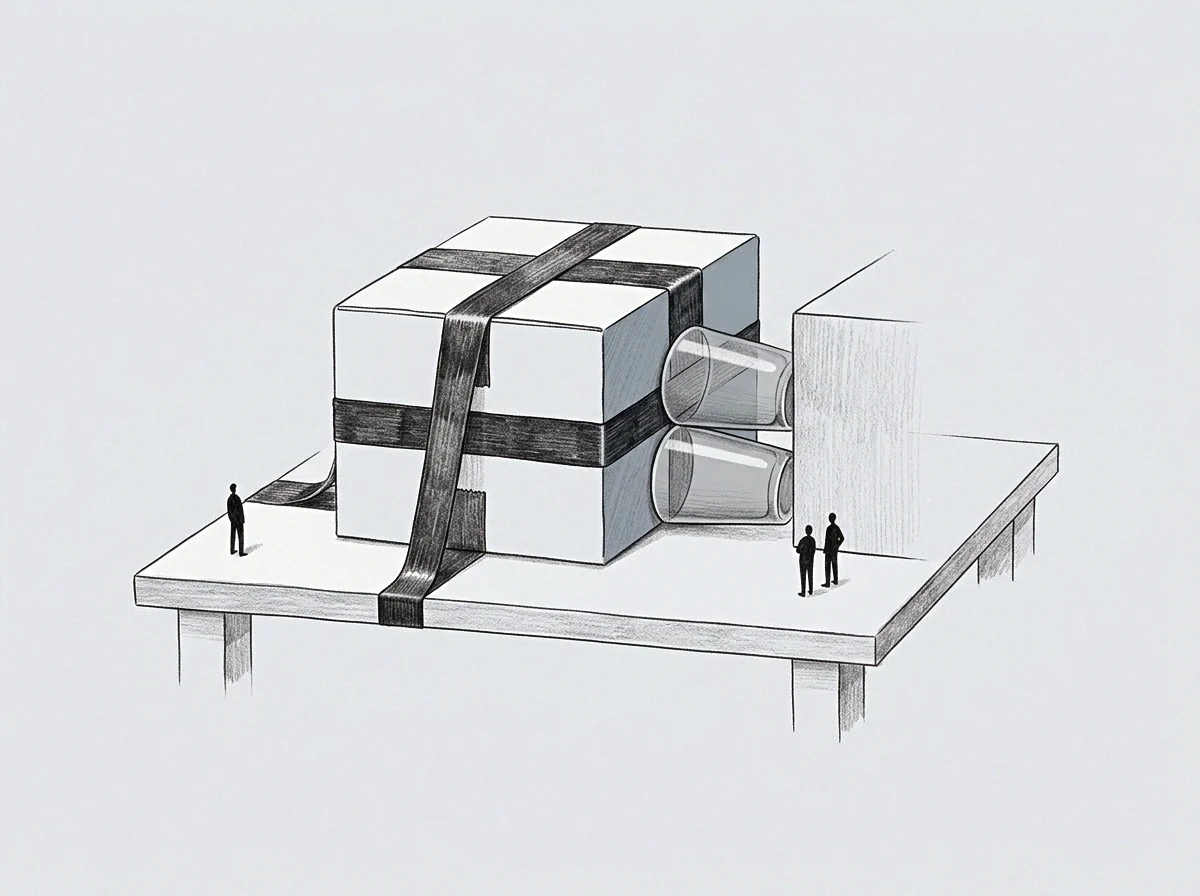
The operating perimeter requires definitive physical and systemic gates.
The primary move involves capping concurrent executive threads. An operator cannot sustain more than three unhedged operational loops without accumulating allostatic debt. Every active thread beyond this ceiling must be gated by explicit scope boundaries, firm termination dates, and contractual transfer terms.
If a thread cannot be formally gated, it must be systematically dropped or reassigned, regardless of perceived strategic urgency.
Communication architecture requires parallel structural renovation. The founder must establish an absolute operational buffer between internal systems and the external world. Asynchronous messaging queues, dedicated triage operators, and strict temporal blackouts remove chronic vigilance demands from the central nervous system.
The autonomic apparatus down-regulates only when it senses that unannounced, volatile demands cannot reach the desk during recovery periods.
Physical restoration follows institutional remediation. Once structural hedges isolate the individual from continuous volatility, the neuroendocrine axis can recalibrate. Cortisol rhythms normalize over months of uninterrupted nocturnal sleep.
Autonomic tone recovers gradually, marked by a progressive rise in baseline heart rate variability. Cellular repair pathways, suspended during protracted threat mobilization, re-engage to clear systemic inflammatory debris.
The operator who successfully navigates this transition emerges with a fundamentally transformed operational stance. The romantic narrative of limitless personal endurance yields to a disciplined accounting of biological reserves. The executive recognizes that long-term enterprise capacity mirrors the health of the underlying biological substrate.
They manage operational exposure with the same rigor applied to balance-sheet liquidity, refusing to stake physical longevity against enterprise volatility.
A founder who establishes rigorous operating hedges preserves biological reserves, ensuring structural endurance outlasts market turbulence.