
Setting Stated Terms to Manage Incoming Operational Load
Stating explicit intake terms creates structural boundaries that throttle incoming operational demands and protect cognitive capacity from unbounded task sprawl.

Intake

Load Transfer Dynamics Under Unstated Limits
Incoming operational demand routes toward whichever node responds quickest. When an operator absorbs tasks without publishing clear criteria for acceptance, the rest of the organization treats that capacity as elastic. In physiological terms, this is how allostatic load accumulates: continuous low-grade adaptation wears down baseline performance over time.
The sender resolves their own ambiguity simply by passing the task to an operator who has routinely absorbed friction without pushing back.
Unchecked absorption creates an unbalanced distribution of operational risk. The person who accepts tasks without stated criteria assumes full liability for delivery, while the originator avoids the mental effort of scoping what they actually need. In control systems, an unconstrained feedback loop causes the regulator to swing wildly during sudden surges of input.
It absorbs volume until capacity breaks without warning, catching observers off guard because they mistook silence for limitless capacity.
A system transferring load increases input against any regulator that fails to set a clear boundary.

The Mechanics of Structural Demarcation
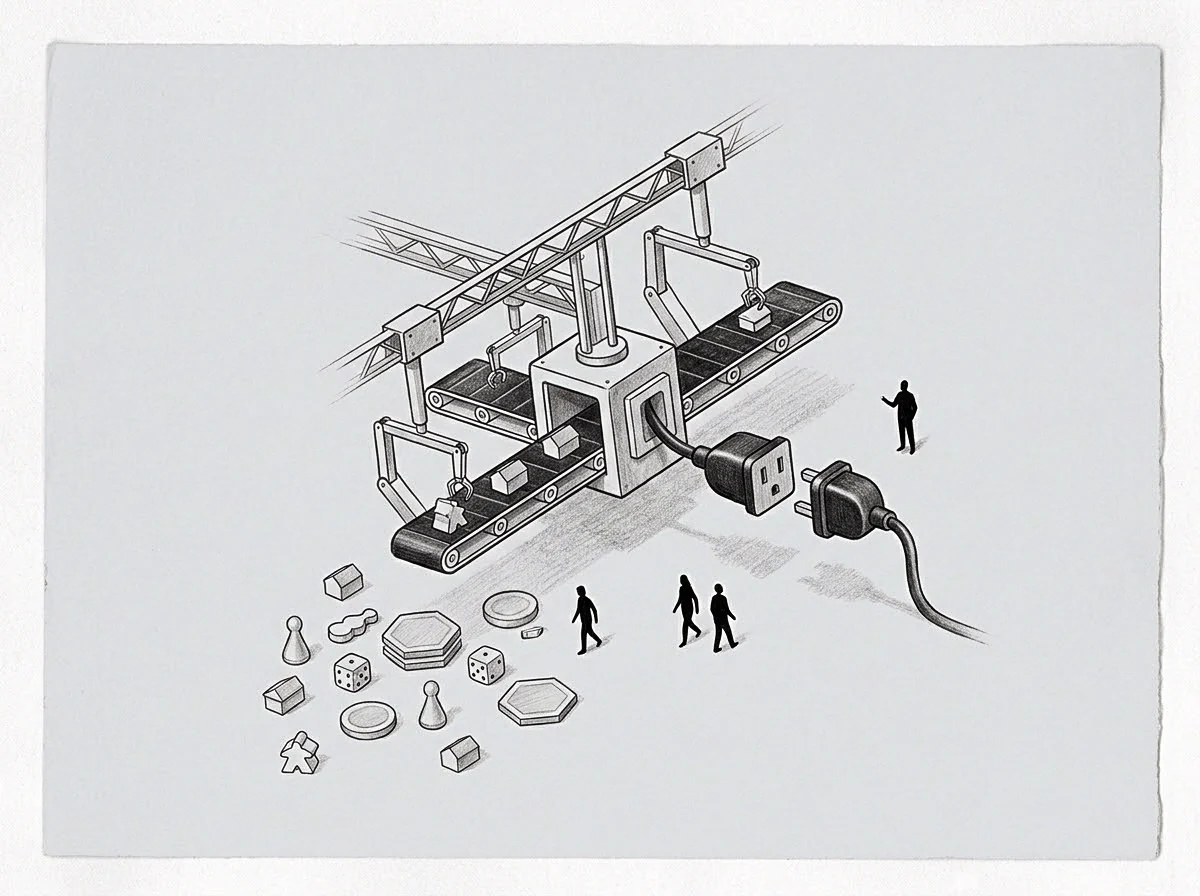
Publishing concrete acceptance conditions reroutes incoming demand. A clear standard acts as a gate, forcing the sender to structure a request before passing it along. If an incoming task lacks required specifications, it stops at the perimeter instead of eating into the receiver’s working attention.
Operating agreements rely on explicit dependencies, such as a written clause requiring structured briefs and forty-eight hours of review time to shift the coordination burden back to the sender.
Valve

Controlling Ingress Concurrency
Working memory degrades quickly when too many operational threads run in parallel. When intake outpaces throughput, half-finished tasks pile up, multiplying the context switches required throughout the day. Imposing a hard concurrency limit caps active work at a manageable number, holding new tasks in a queue until open ones finish cleanly.
Systems maintain stability by throttling incoming requests at the perimeter. In a situation where an operator handles five simultaneous client deliverables alongside steady internal queries, the lack of a concurrency cap guarantees constant disruption. New messages break into primary tasks, driving up switching costs and dropping overall output.
Capping active engagements protects execution quality across active projects.
| Operating Policy | Mean Lead Time | Task Switching Overhead | Error Rate Under Surge |
|---|---|---|---|
| Unbounded Concurrency | 14 Business Days | 38 Percent | High Variance |
| Static Concurrency Ceiling | 4 Business Days | 9 Percent | Stable Low Baseline |
| Dynamic Load Gating | 6 Business Days | 14 Percent | Controlled Low |
Accepting work without limits steadily erodes execution quality. Without explicit concurrency controls, organizations run into chronic delivery delays and long-term exhaustion of operational capacity across critical roles.

Draft
Defining Execution Specifications
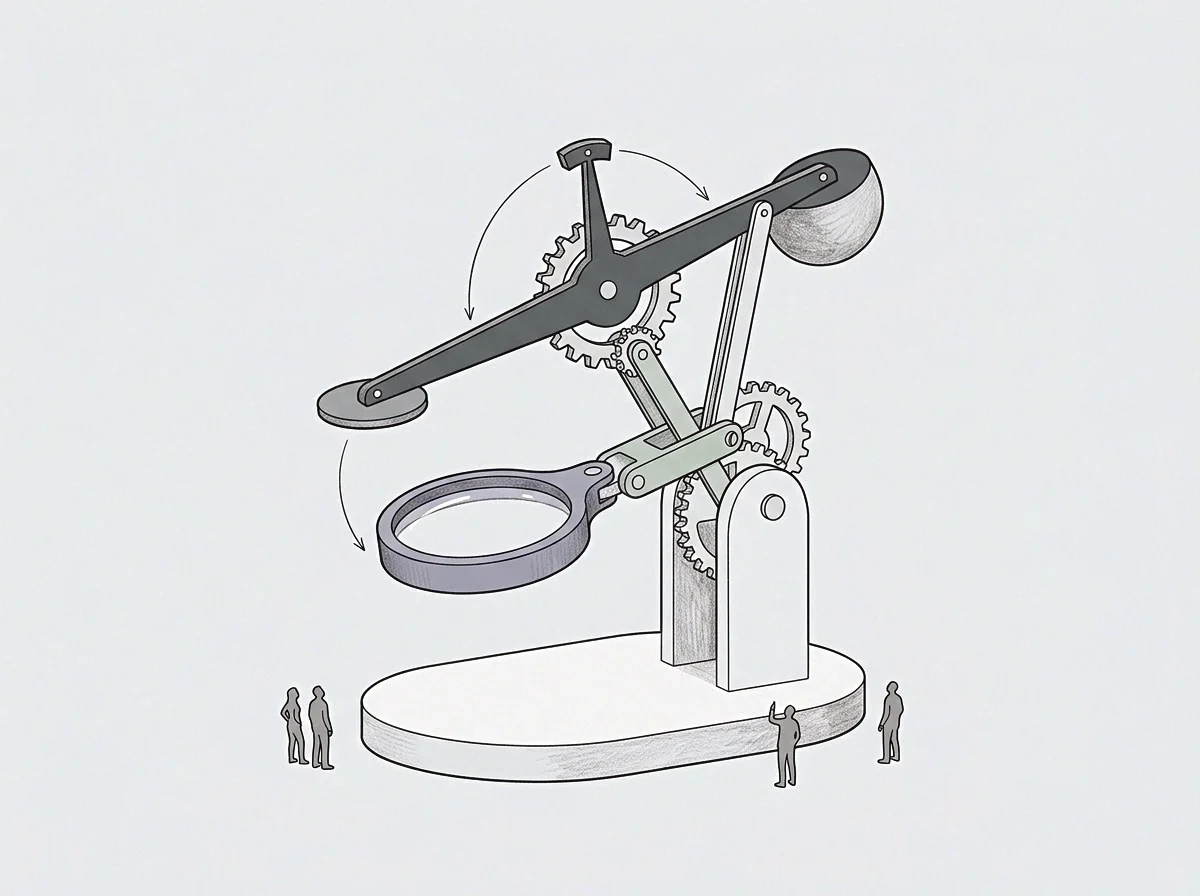
Execution requires an unambiguous definition of what a complete request looks like before work starts. When tasks arrive half-formed, the receiver expends significant energy chasing down missing context through recursive communication cycles. A standardized intake document cuts out exploratory back-and-forth by setting clear data prerequisites for every common operational request.
- Prerequisite Data Bundles supply the technical parameters and access credentials required before a task is assigned.
- Explicit Completion Criteria establish observable standards for resolving a task without ambiguous interpretations.
- Designated Escalation Pathways channel blocking issues to specific roles within fixed response windows.
Setting these parameters stops unvetted issues from eating into active operational bandwidth. With clear specifications in place, unscheduled work that arrives without the required details simply waits for the next standard intake cycle.
Clear entry criteria stop unstructured work at the gate before execution starts.
The operational team takes on the work once all standard intake parameters are submitted in full.
Tariff
Pricing Operational Interruptions
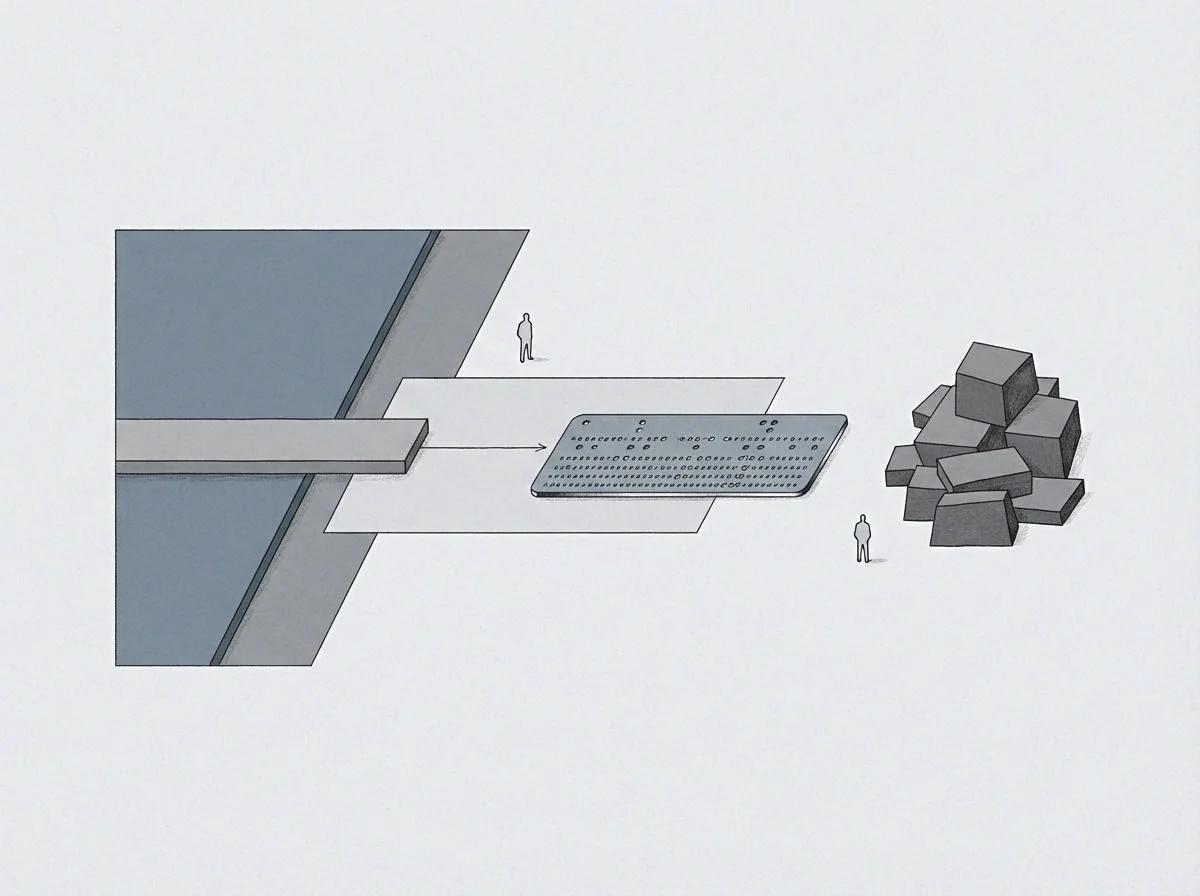
Asynchronous communication protects focused work by separating the arrival of a message from the reply. Real-time interruptions carry an immediate switching penalty that breaks sustained concentration. Publishing an expected response window sets reasonable expectations for turnaround while shielding analytical tasks from constant interruption.
Structured response windows encourage external teams to batch their requests rather than firing off single, fragmented prompts. Urgent requests can bypass the queue only when they meet specific emergency criteria, attaching an operational cost to true interruptions. That friction discourages casual escalations and nudges teams to resolve minor discrepancies on their own.
A consistently held response window trains external teams to organize their demands before sending them.
A deliberate layer of friction at intake raises the quality of work completed across the organization.
Tenure
Preserving Long Term Operational Headroom
Sustained execution depends on keeping some organizational capacity unallocated. Running operational roles at constant maximum utilization wipes out the margin needed to handle unexpected market shocks or internal failures. Stating explicit operating conditions protects that buffer, setting clear boundaries around scheduled maintenance, recovery, and strategic planning.
Building long-term durability starts with accepting that human attention and energy have hard limits. Clear terms let operators turn down out-of-scope requests without causing relational friction, anchoring limits in documented policy rather than personal stamina. The boundary functions as a structural fixture in the organization, keeping operations dependable over long stretches of time.
It remains an open question whether early-stage organizations can enforce strict intake boundaries during periods of severe instability without losing commercial velocity.