
Structural Friction Between Autonomous Subsystem Authority and Unhedged Governance Capacity in High Load Organisations
Autonomous subsystems transfer tail risk to central governance when execution authority expands without dedicated monitoring capacity under heavy operational load.

Notch
Four engineering leads deploy fourteen direct database schema changes in a single evening while the central architecture group reviews crisis tickets from a regional outage. Local teams possess full execution rights to modify production tables to meet immediate squad throughput targets. Central governance holds theoretical veto power over architectural risk, yet central monitoring queues sit unread.
Operating under peak load, central leaders clear operational roadblocks by approving requests without verification. The arrangement functions smoothly while squad traffic remains low and predictable.
Operational surges expose the structural mismatch between local authority and governance bandwidth. Autonomous squads accelerate delivery by bypassing central reviews, transferring tail risk directly to governance functions that lack processing headroom. Load transfers fast.
The central layer operates unhedged, carrying ultimate organizational liability while losing visibility into subsystem commitments. Governance becomes a reactive bottleneck, intervening only when an unmonitored local change triggers a global subsystem failure.

Local Speed and Central Squeeze
Subsystem autonomy functions as a decentralization mechanism designed to increase decision velocity. Squads evaluate local conditions, adjust software configurations, and ship features without central latency. That autonomy operates on isolated metrics such as release frequency and local uptime.
Central governance evaluates cross-cutting systemic constraints, including regulatory compliance, capital expenditure, and operational stability. When total organizational volume rises, the central oversight layer reaches structural capacity limits far sooner than distributed execution squads.
Local delegation without real-time telemetry shifts governance from continuous moderation to delayed structural intervention when operational load saturates the center.
Unhedged governance capacity creates covert operational debt across high-load environments. Squads interpret central silence or rapid approvals as structural validation. Silence masks accumulation.
As governance bandwidth saturates, oversight degrades into arbitrary sampling or automated stamp approvals. The central authority retains theoretical jurisdiction over decisions it cannot examine, creating a systemic liability gap that expands with operational velocity.
A squad building a real-time data ingestion engine provides a concrete demonstration of this dynamic. Assume the squad operates with autonomous authority over database driver choices and schema designs. The central architecture group mandates compliance with global data loss prevention standards but allocates zero direct review hours to the squad’s sprint cycle.
To meet a ninety-day delivery deadline, the squad implements an unencrypted local caching layer. The governance layer receives a notification ticket, leaves the ticket in an unreviewed queue due to ongoing infrastructure emergencies, and silently allows deployment. The squad achieves local performance metrics while central governance carries unhedged regulatory compliance risk.
Failure to align subsystem authority with central evaluation capacity forces organizations into sudden operational halts. When unmonitored subsystem decisions aggregate into systemic failures, governance layers execute emergency freezes, revoking local authority and imposing rigid manual approvals across all operational units.

Stance
Operational teams routinely optimize for local execution velocity at the direct expense of central risk capacity. As local teams encounter immediate delivery pressures, squad leads select choices that compress local timelines while shifting long-term maintenance burdens, security exposures, and architectural complexity downstream. Central governance mechanisms, designed for low-velocity baseline traffic, lack the analytical capacity to process these transferred risks in real time.

Why Do Autonomous Units Transfer Downstream Tail Risk?
Incentive design within autonomous squads explicitly rewards local target realization while insulating squads from global structural failure. A product team evaluated on monthly active user growth prioritizes feature release cadence over standardized security protocols or cross-system compatibility. Central governance layers absorb the variance generated by these squad-level optimizations.
When twenty squads simultaneously transfer minor operational variances, the cumulative load saturates central risk management capacity.
Unhedged capacity defines a state where central governance holds explicit responsibility for organizational survival but possesses no structural buffers, automated safeguards, or analytical reserves to absorb incoming variance. The center operates at maximum capacity during baseline operations. The boundary breaks.
Any operational surge forced by subsystem exception requests creates an immediate backlog, forcing governance figures to choose between complete operational paralysis and blind delegation.
Structural friction manifests across three distinct breakdown points when subsystem speed intersects unhedged governance bandwidth:
- Asymmetric Telemetry Gap local execution metrics obscure the structural debt accumulating in central oversight queues.
- Unhedged Debt Accumulation exception requests bypass verification protocols during peak operating surges.
- Intervention Delay Rupture central authorities freeze operational units only after tail risk breaches global limits.
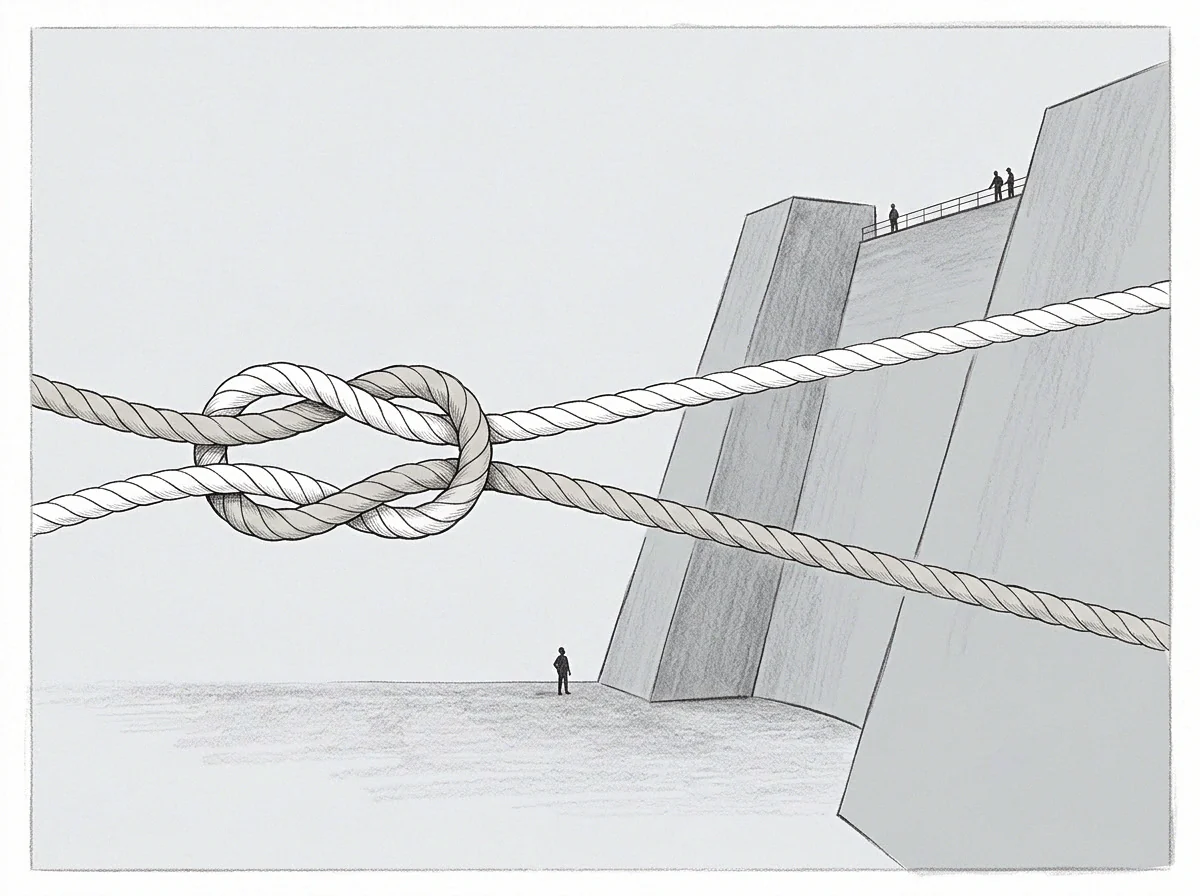
Variance Dynamics in Delegated Authority
Central oversight mechanisms lose fidelity when decision velocity exceeds review throughput. Local squad leads recognize the central capacity ceiling and utilize governance latency to advance non-standard configurations. Oversight becomes an audit.
Governance teams, overwhelmed by exception ticket volume, transition from preventive architecture reviews to post-incident damage control.
Stating concrete operational boundary terms eliminates the friction of continuous negotiation during load spikes.
Local speed creates global friction. When unhedged governance teams discover accumulated subsystem debt, the administrative response is abrupt and total. Governance officers deploy emergency freeze orders, revoking squad autonomy and imposing mandatory multi-stage clearance workflows.
Autonomous squads view these sudden interventions as arbitrary bureaucracy, while central leaders view squad execution as undisciplined liability generation.
Local squad leads describe central governance as an unreliable bottleneck that approves changes blindly during surges and blocks execution unpredictably during audits.

Bridge
Evaluating organizational friction requires measuring the ratio between local decision rights and central processing capacity. Systems operating with high local autonomy and low governance bandwidth inevitably default into high friction regimes during load surges. The table below details structural characteristics across competing delegation and governance arrangements.
| Control Mode | Subsystem Authority Level | Governance Telemetry Cost | Downstream Systemic Friction |
|---|---|---|---|
| Unbounded Delegation | Full local decision rights | High residual monitoring cost | Severe intervention rupture |
| Rule-Gated Autonomy | Threshold-bounded execution | Moderate automated logging | Predictable queue friction |
| Explicit Stated Limit | Hard boundary terms | Minimal active surveillance | Low structural friction |
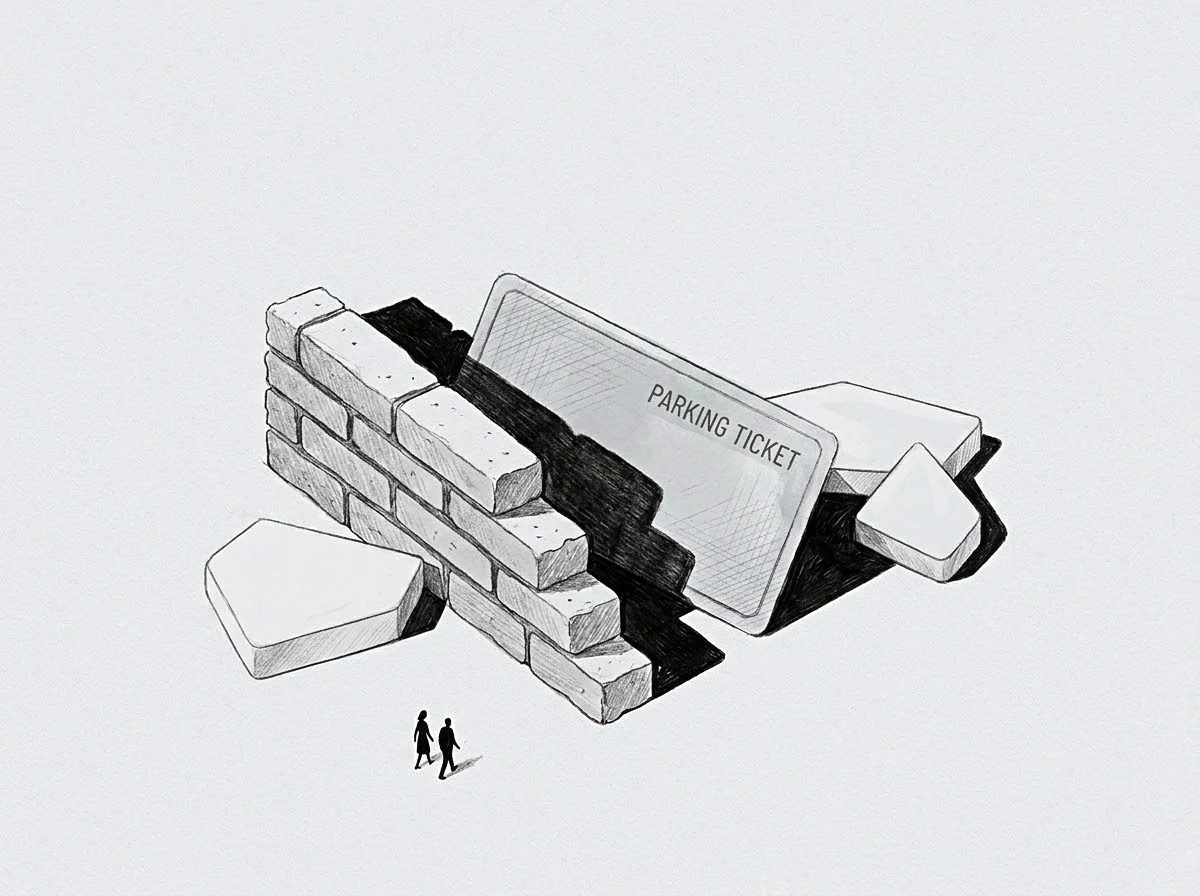
Governance Capacity and Telemetry Constraints
Effective governance under high load depends on automated telemetry rather than active personal oversight. When central authority relies on manual reviews, human governance officers become single-point bottlenecks. Headroom drops to zero.
A central architecture board capable of processing ten technical design documents per week collapses when fifty autonomous product pods submit custom database choices simultaneously.
Informal guidelines fail under operational stress. Guidance statements such as ensure systems are scalable or coordinate with security when necessary provide zero operational boundaries. Local squads interpret vague guidance as permission to proceed, while central teams interpret the same statements as mandatory pre-approval requirements.
Risk sits unhedged.
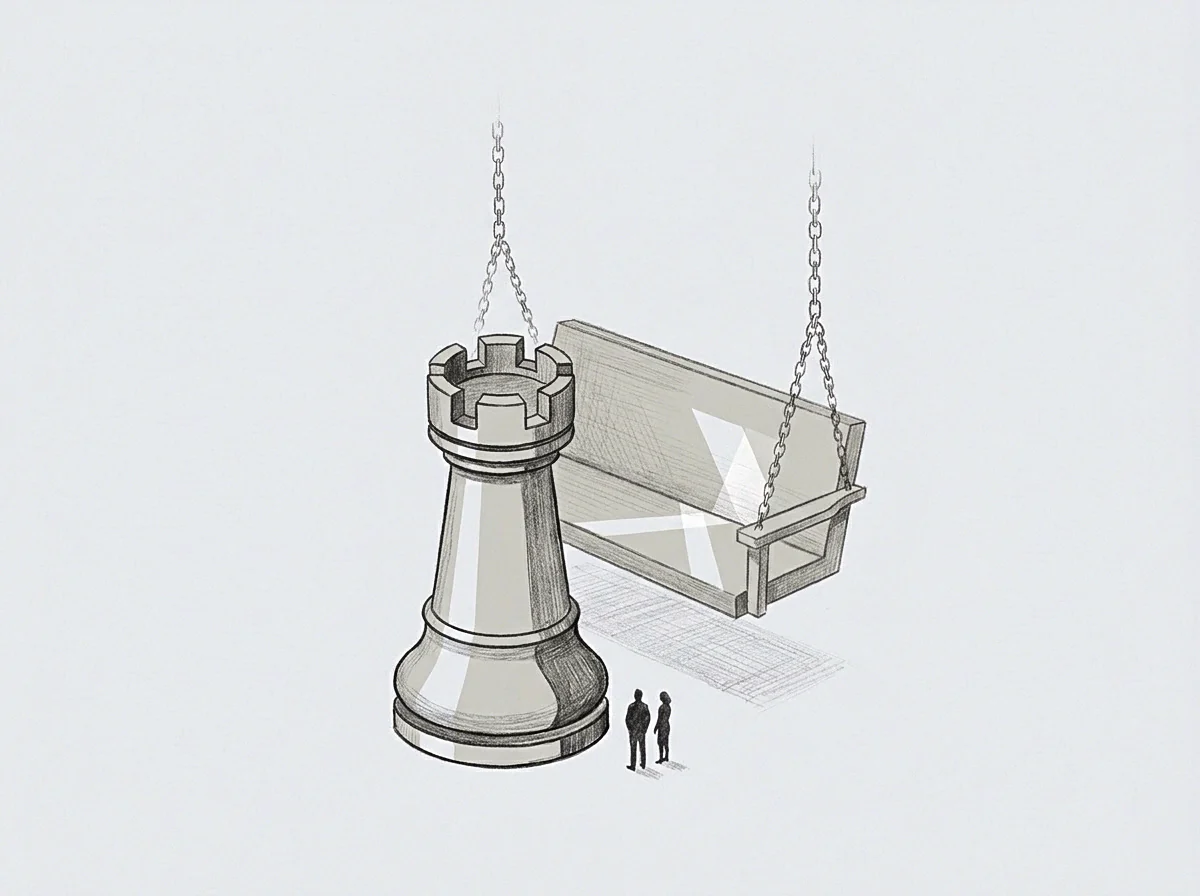
Hard Limits Against Soft Alignment
Replacing vague guidance with explicit stated limits creates hard operational walls that subsystems cannot cross without explicit system state changes. A stated limit operates as a physical constraint rather than a interpersonal negotiation. Stating that no squad may initiate external service connections exceeding fifty milliseconds latency without automated failover configuration provides an unambiguous, state-gated boundary.
Hard limits reduce governance monitoring load by converting continuous human surveillance into automated rule checking. Local squads retain full authority to move within stated parameters, while central governance intervention triggers only when an explicit quantitative limit is crossed. This shift preserves central bandwidth for genuine systemic anomalies.
Including explicit threshold parameters within subsystem operating agreements alters the governance function from continuous manual authorization to automated boundary enforcement.
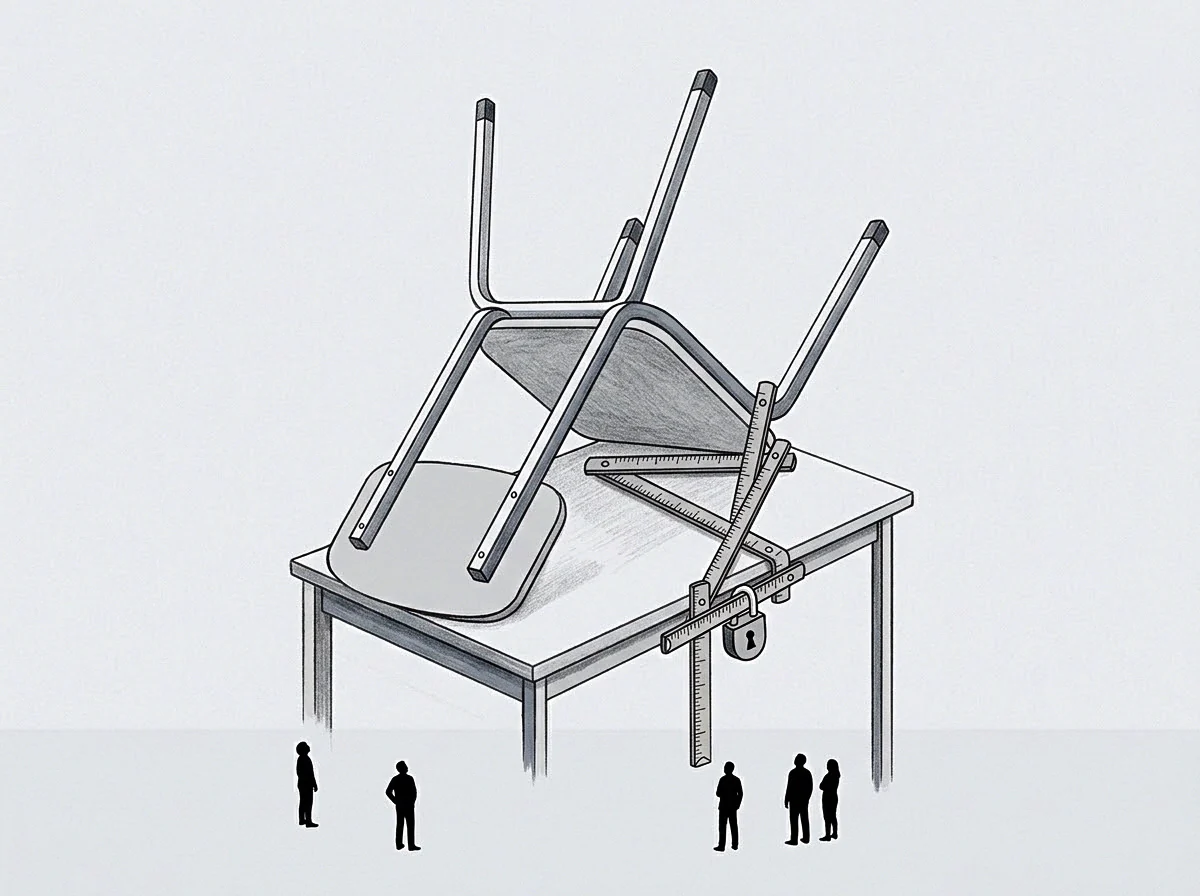
Margin
Hedging governance capacity requires establishing structural buffers within central oversight functions before operational load reaches peak thresholds. High-throughput organizations prevent systemic friction by bounding subsystem authority through automated controls, reservation of central processing headroom, and explicit state-gated limits.

Structural Interventions for Hedged Governance
Dynamic load-transferring systems automatically push against governance boundaries until physical or administrative resistance stops forward momentum. The buffer expires. When governance boundaries rely on human energy, pushing squads deplete oversight capacity rapidly.
Establishing hedged capacity involves constructing automated barriers that protect central governance from continuous exception processing.
Implementing structural governance reforms follows a sequential progression across operational units:
- Define explicit single-variable boundary conditions before expanding local operational rights.
- Set hard latency ceilings on central exception reviews that trigger automated rollback rather than silent approval.
- Reserve twenty percent of central governance capacity strictly for architectural and compliance audits.
Terms clear the thread. Tail risk lands centrally. Implementing quantitative boundaries permits local squad leads to calculate operational availability without engaging in narrative negotiation with central leaders.
Squads determine compliance locally against stated parameters before initiating execution cycles.
An unhedged governance layer operating at full capacity converts every local exception into a global crisis.

Operational Capacity Reserves
Governance headroom requires dedicated preservation. Organizations that allocate one hundred percent of central leadership bandwidth to active ticket processing lose the structural capacity needed to manage unexpected systemic crises. Capacity reservation mandates that central teams operate at a maximum eighty percent utilization baseline during standard operations.
Reserving central bandwidth allows governance officers to absorb operational variance during subsystem spikes without degrading baseline review standards. Subsystems maintain decision velocity within bounded parameters, while governance maintains the analytical capacity needed to evaluate systemic risk metrics continuously.
Decentralized execution velocity remains directly constrained by the processing capacity of the central oversight mechanism.

Post
Sustainable organizational throughput relies on structural balance between local squad execution rights and central risk processing capacity. High-load environments collapse when local decision authority expands without corresponding investment in central telemetry, automated policy enforcement, and dedicated governance headroom. Delegating execution rights without establishing hard stated limits forces central leaders into reactive emergency interventions that disrupt operations across the entire organization.
Governance holds no buffer. Authority shifts downstream. Stating limits once as hard quantitative parameters establishes physical operational walls that manage squad behavior without continuous human monitoring.
Local squads gain explicit clarity regarding decision boundaries, while central governance reserves processing bandwidth for strategic architectural protection. The capacity collapses. The setpoint shifts.
Systemic stability relies on hard physical limits rather than continuous administrative goodwill.
Managing structural friction requires shifting governance from continuous manual supervision to automated boundary enforcement. Organizations that construct explicit state-gated limits maintain high subsystem throughput while preserving central risk stability under heavy operational load.