
Resolving The Gap Between Intellectual Attachment Insights And Somatic Baseline Function Under Pressure
Autonomic threat detection operates milliseconds faster than cortical insight, requiring repeated visceral co-regulation under pressure to rewire somatic function.
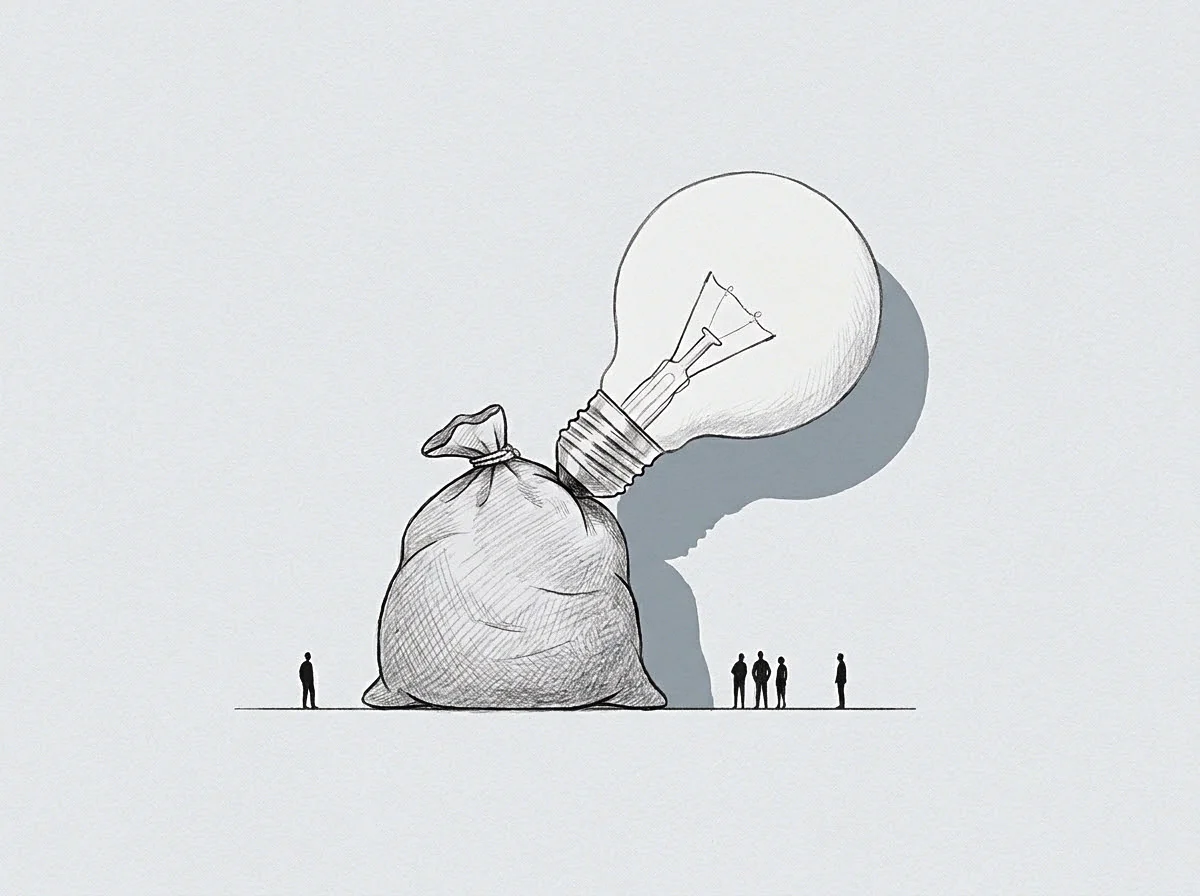
Latency
Four messages arrive simultaneously on a Sunday evening while operational stability drops. The executive in the seat experiences an immediate surge in blood pressure, constriction in the chest, and peripheral vasoconstriction before reading the second line. Intellectual mastery of developmental psychology provides a thorough vocabulary for these reactions.
That conceptual familiarity remains isolated in the prefrontal cortex while subcortical circuits execute reflexive threat protocols. The autonomic nervous system evaluates environmental safety on a millisecond timescale. Analytical models operate seconds later.
Subcortical threat detection bypasses conscious cognitive evaluation. The amygdala and brainstem initiate defensive mobilization prior to any deliberate processing of the event. A person who understands childhood relational patterns perfectly can still experience severe somatic panic when an operational partner goes silent during a capital call.
Cortical comprehension observes the visceral reaction after the physiological baseline has already destabilized.
Under unbuffered operational pressure, intellectual knowledge of relational safety functions as an observer rather than an intervention.
Knowledge of a pattern does not alter the reflex that produces it. When load escalates, autonomic survival strategies override higher-order mental constructions. The body acts on its historical template long before the intellect can explain why the reaction is disproportionate.
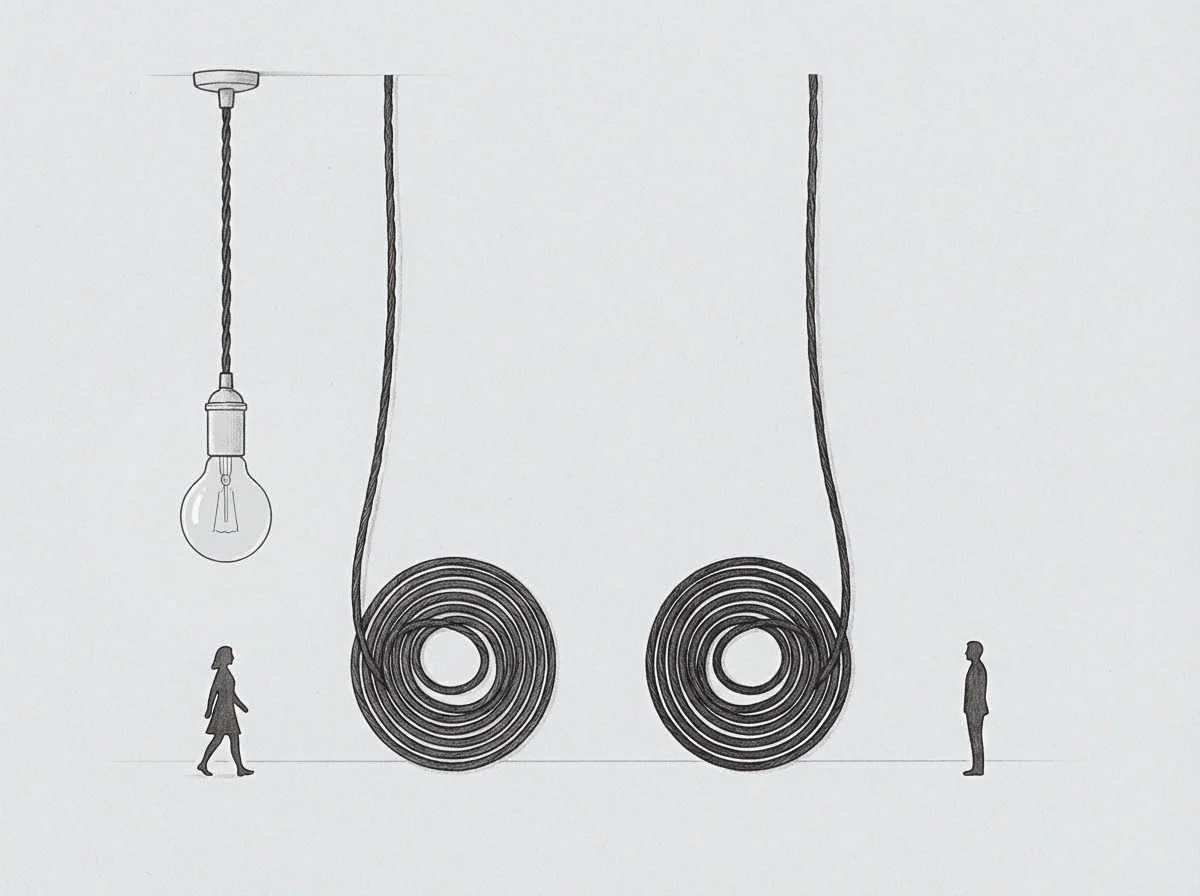
Cortical Speed Versus Autonomic Reflex
The speed differential between cognitive appraisal and autonomic response explains why insight alone fails to stabilize physiology. Neuroception processes sensory information through unmyelinated pathways that prioritize speed over detailed accuracy. A dropped connection, an ambiguous tone in an email, or a sudden demand for funds triggers an immediate defensive response.
Metabolic resources redirect away from abstract reasoning toward immediate survival mechanisms.
This physiological sequence occurs below the threshold of voluntary control. The founder analyzes the relational dynamic with clinical precision, yet the visceral baseline remains locked in acute mobilization. Somatic state dictates the boundaries of available thought.
An individual in high sympathetic arousal cannot access the neural networks responsible for social engagement and nuanced perspective. The autonomic baseline governs the intellect, never the reverse. When an individual attempts to override this biological reality through sheer willpower, the unaddressed somatic strain compounds over quarters into chronic physiological fatigue.
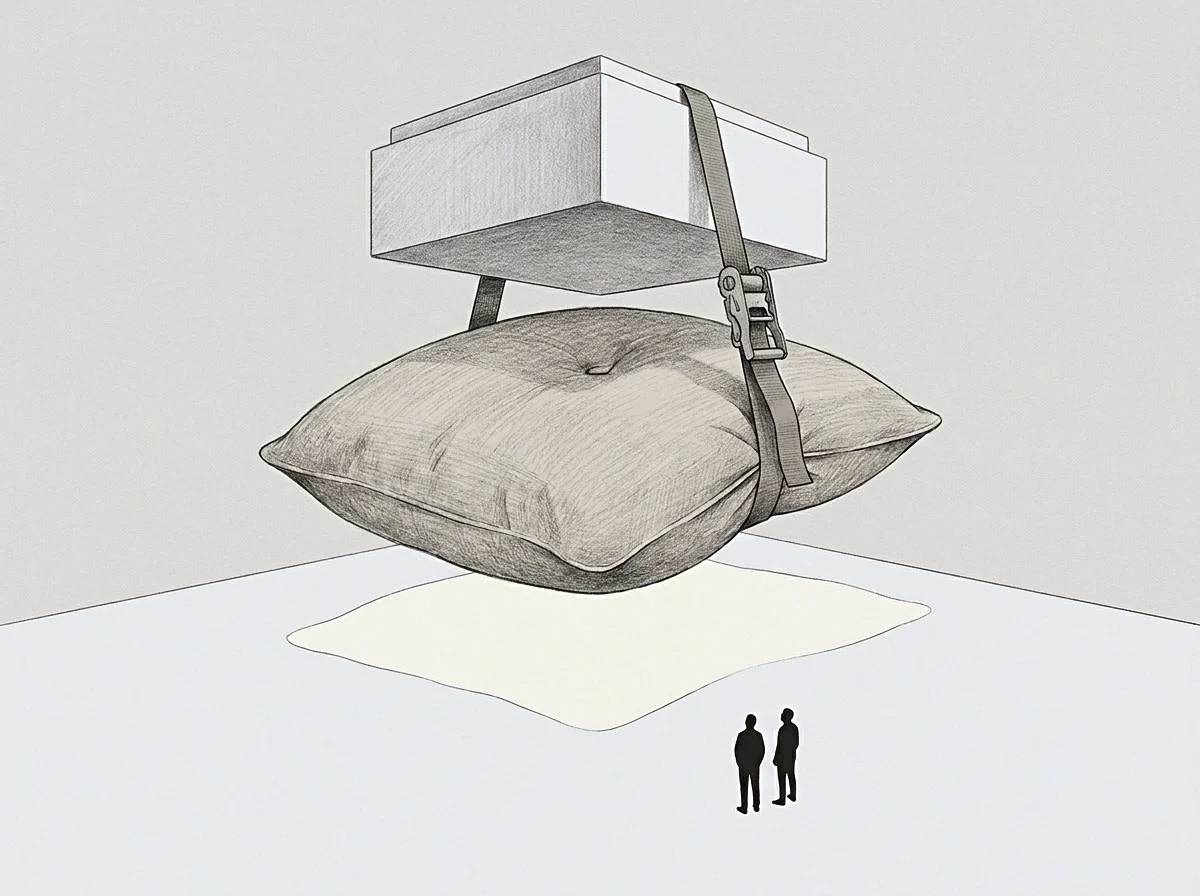
Room
Physical presence alters the biological balance of an executive team during a crisis. Human nervous systems do not operate as isolated processing units. Social baseline theory demonstrates that the brain conserves metabolic energy by assuming proximity to reliable conspecifics.
When an individual faces severe operational risk in total isolation, the brain budgets the entire burden as a solo survival task. The metabolic price of sustaining equilibrium under these conditions is exceptionally high.
A stable operator sitting at the conference table changes the baseline mathematics. The presence of a regulated nervous system down-regulates autonomic arousal without a single verbal intervention. The calm of another person acts as an external biological regulator.
This transaction occurs beneath language through vocal prosody, respiratory cadence, and micromovements. An individual whose early environment lacked reliable co-regulation often developed a reverse template, functioning as the baseline for others while lacking the internal receiver to absorb incoming regulation.
The nervous system budgets threat as a solitary expense whenever reliable proximity is absent.
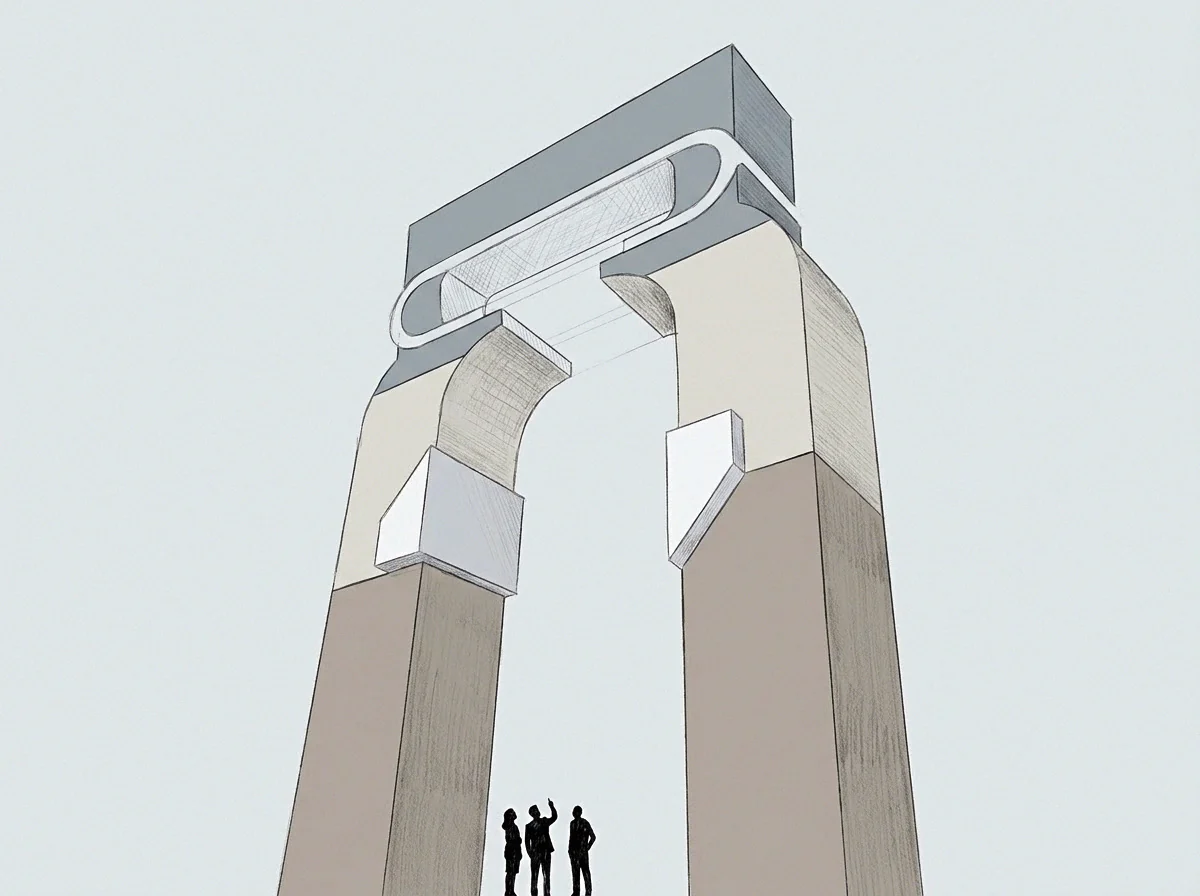
In high-stakes environments, teams lean heavily on the person who appears unflappable. The baseline individual absorbs the collective distress of the room, stabilizing the organization through sheer physiological containment. The cost of that stabilization remains completely invisible to those who benefit from it.
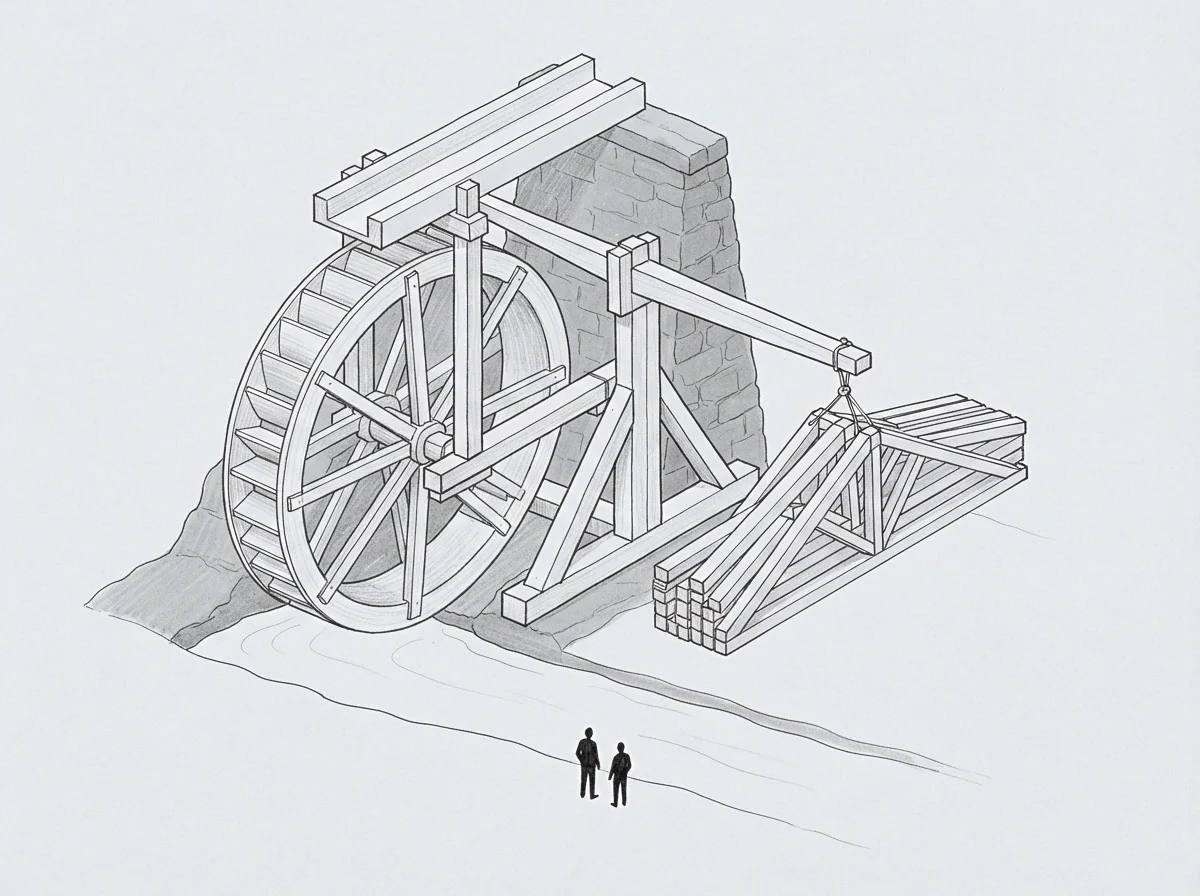
The Distribution of Threat Signals
Nervous systems under load negotiate safety through physical cues rather than logical presentations. When threat levels rise, individuals without an integrated somatic receiver display distinct operational behaviors:
- Isolated Threat Containment occurs when an executive absorbs organizational volatility internally while projecting total operational composure to the executive board.
- Receptor Invalidation emerges as a physical inability to register genuine support from colleagues, processing incoming help as an operational liability.
- Somatic Dissociation Under Load manifests as a complete severance of bodily awareness during crisis execution, followed by severe physical collapse once the immediate threat subsides.
The external party reads this unrelenting steadiness as limitless personal capacity and transfers additional responsibility to the unyielding seat.
Metabolism
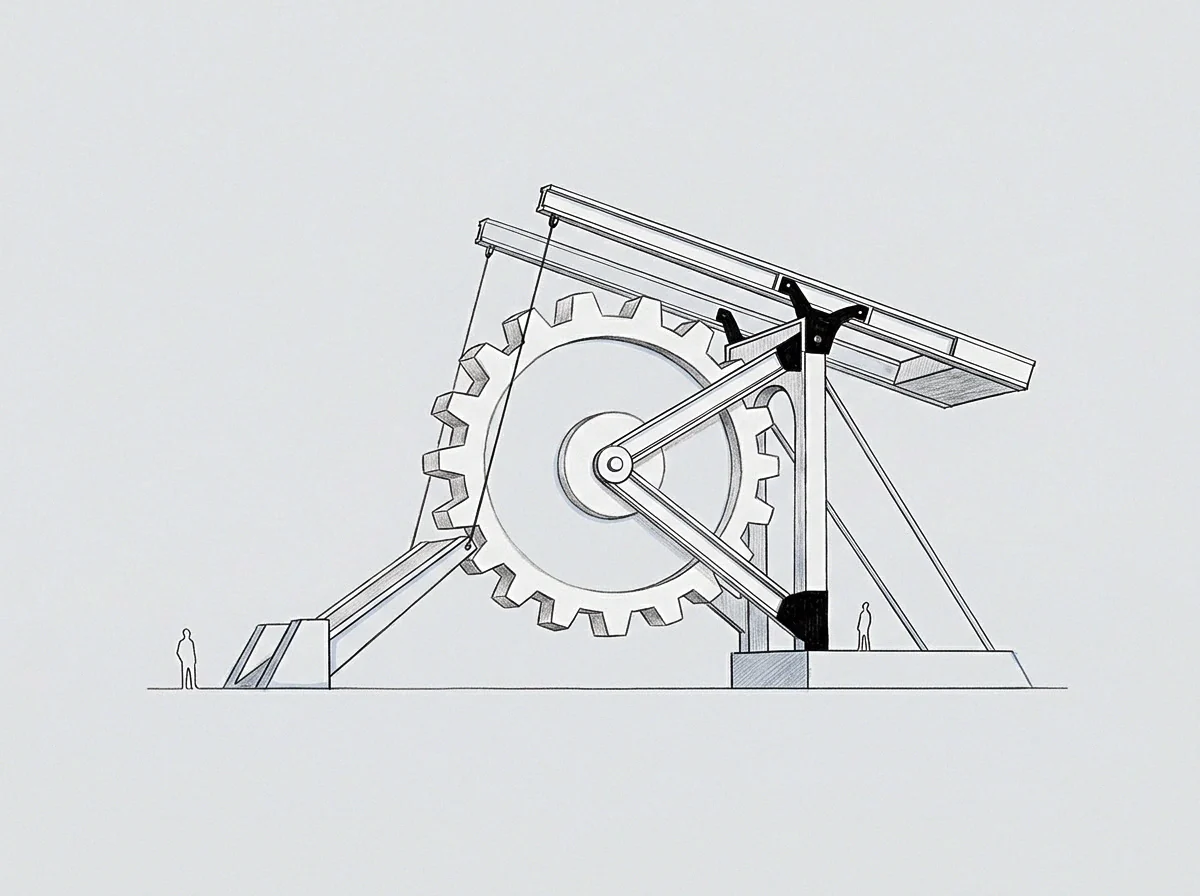
Energy consumption during isolated self-regulation follows a steep upward trajectory. The brain constitutes roughly two percent of total body mass while consuming twenty percent of basal metabolic output. Under perceived threat, cerebral glucose utilization increases dramatically as the prefrontal cortex struggles to suppress subcortical alarms.
An individual relying solely on cognitive analysis to soothe an activated nervous system spends enormous metabolic reserves on internal suppression.
Co-regulation acts as an energy-saving biological mechanism. Proximity to a trusted counterpart distributes the neural processing of threat, reducing the glucose requirements of the prefrontal cortex. When a leader lacks the capacity to borrow regulation from others, the entire operational burden falls on solitary homeostatic mechanisms.
Allostatic load accumulates rapidly. Over prolonged stretches of capital deployment or company restructuring, this solitary containment degrades tissue function, impairs sleep architecture, and degrades long-term decision horizons.
Solitary self-regulation consumes excessive neural glucose compared to shared biological containment.
Comparative Allocation Under Load
The gap between intellectual grasp and somatic reality creates measurable differences in operational endurance. The table below outlines how these two states process organizational friction under sustained pressure.
| Operational Dimension | Intellectual Comprehension Alone | Embodied Somatic Baseline |
|---|---|---|
| Neural Resource Utilization | Heavy prefrontal glucose consumption for suppression | Distributed autonomic regulation via social engagement |
| Threat Appraisal Speed | Delayed conscious categorization after physical spike | Rapid visceral stabilization through trusted co-presence |
| Response to Unscheduled Crises | Acute sympathetic activation hidden behind analytical speech | Measured parasympathetic tone with sustained biological headroom |
| Recovery Duration After Rupture | Protracted somatic hyperarousal lasting days | Rapid restoration of baseline heart rate variability |
The stated limit of human physiological capacity determines the ultimate ceiling of cognitive performance. The unstated contract of solitary endurance changes the moment biological boundaries receive explicit recognition.
Habituation
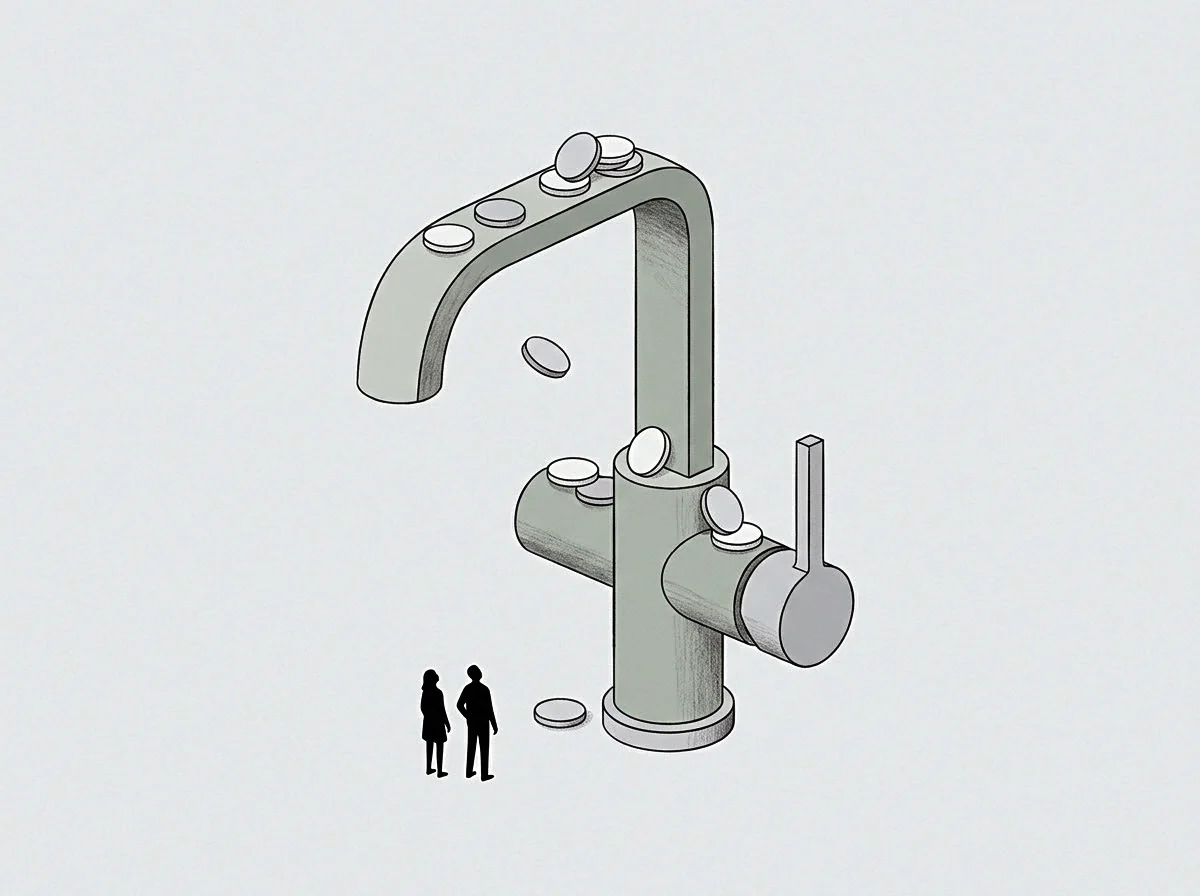
Structural modification of autonomic responses occurs through repeated visceral safety. Reading texts on developmental bonding builds cognitive maps, but biological neural pathways update only through actual somatic exposure to reliable presence under real load. Earned security represents a physical reconfiguration of neural architecture.
The brain requires visceral proof that distress can be communicated without triggering abandonment or catastrophic retaliation. Cortical control drops offline when the pressure exceeds structural capacity.
Updating the somatic baseline demands physical proximity during moments of genuine operational vulnerability. An executive who routinely conceals somatic activation must experience being seen in a state of high arousal by a counterpart who remains calm and unthreatened. This micro-experience contradicts the historical baseline.
Repeating this sequence hundreds of times under varying degrees of professional stress rewires the neuroception of safety.
Autonomic safety maps update through repeated exposure to stable presence under actual load.

Can Physical Capacity Precede Intellectual Agreement?
Physical adaptation frequently runs ahead of conscious conceptual acceptance. An individual can begin borrowing calm from an associate long before admitting any personal need for assistance. Visceral systems register the safety of a room before the analytical mind yields its defensive posture.
Somatic baseline integration occurs in subtle physiological gradations over quarters of continuous collaboration.
- Visceral Acknowledgment begins when an individual allows somatic activation to remain visible in the room rather than actively suppressing bodily cues.
- Active Load Sharing occurs when real operational risk is exposed to a counterpart without the baseline operator preemptively solving the crisis alone.
- Stabilized Reciprocity settles as the nervous system learns to alternate smoothly between providing biological containment for others and resting in the steady baseline of a peer.
The development of a functional somatic receiver transforms professional collaboration from an exhausting metabolic expenditure into a sustainable biological exchange. The physical capacity of the nervous system expands through direct relational proof, steadily aligning bodily function with intellectual insight.