
Structural Governance Parameters Allocating Decision Authority Before Executive Resource Depletion
Pre-set governance parameters allocate authority away from depleted executive seats to rested secondary operators before cognitive exhaustion impairs sign-off quality.

Scale
Four binding capital commitments await approval on a terminal screen at midnight while operating reserves sit near floor limits. After fourteen consecutive hours of cross-border negotiation, the primary operator’s attention has slipped past any reasonable margin. Evaluation quality drops as blood glucose falls and sustained physical stress accumulates.
A tired executive signs approvals that a rested mind rejects, because exhaustion ruins the ability to price tail risks under pressure. Governance structures that depend on real-time discretion during acute fatigue break down precisely when stress peaks. The ability to weigh downside exposure disappears long before the person at the desk notices the drop.
Work environments handling continuous deal flow need hard parameters that engage before cognitive failure sets in.

Metabolic Exhaustion and Asymmetric Risk Processing
Deliberative work draws down finite physiological reserves under uninterrupted load. Fatigue narrows focus, pushing decisions toward quick shortcuts and unexamined defaults. High-stakes capital allocation past baseline capacity produces wide, erratic variance in outcomes.
When energy runs out, the simple urge to empty an inbox overrides risk controls.
Decision quality declines linearly with hours spent in continuous operational sign-off without baseline rest.
When authority remains fixed in one seat regardless of condition, operational strain becomes unhedged risk. The firm takes on structural weakness whenever sign-off stays tied to an exhausted role. Late-night concessions made just to clear an administrative backlog compound quickly.
Over time, the cost of those minor compromises easily outstrips the capital lost on any single bad trade.

Threshold
Pre-set quantitative limits remove reliance on real-time evaluation once personal capacity falls. Operating agreements define explicit boundaries where sign-off shifts automatically to secondary operators or dedicated governance bodies. Setting rigid spending limits before a crisis hits stops reactive moves under pressure.
A viable threshold functions as a wall rather than a suggestion. Once committed capital or operational exposure crosses the metric, authority moves without asking for executive consent.

Structural Boundaries Across Operational Domains
Governance works by separating decision permissions from immediate individual willingness. Predetermined metric thresholds force operational pauses, buying time until full evaluative capacity returns.
| Domain | Standard Governance Parameter | Depletion Trigger Condition | Delegated Authority Destination |
|---|---|---|---|
| Capital Commitments | Discretionary spending up to fixed balance threshold | Executive operational hours exceeding twelve in a single cycle | Secondary sign-off committee with independent veto |
| Contract Alteration | Unilateral modification rights for core commercial terms | Three concurrent active deal negotiations in progress | General counsel seat with mandatory seventy-two-hour pause |
| Treasury Transfers | Single-signature wire authority for operating accounts | Daily transaction count passing pre-set volumetric limit | Dual-custody keyholders under mandatory physical separation |
| Personnel Termination | Immediate executive sign-off on strategic roles | Acute internal conflict escalation lasting over forty-eight hours | External governance board review on ten-day hold |
Consider a venture-backed company operating across three continents through an acute regulatory restructuring. Two equity partners have built together for five years without formal governance boundaries in writing. The primary executive holds sixty percent of the voting power and keeps sole sign-off on treasury transfers.
During a chaotic restructuring week, six emergency capital calls land across four timezone windows. Lacking automated controls, the executive signs off on a secondary debt facility carrying predatory covenants during a late-night session. The term sheet includes a change-of-control clause triggered by minor drops on the balance sheet.
A simple written parameter capping single-signature transfers during off-hours would stop the commitment outright, routing it to a secondary signatory who turns down the terms the next morning.
Which Decision Threshold Holds Under Acute Fatigue?
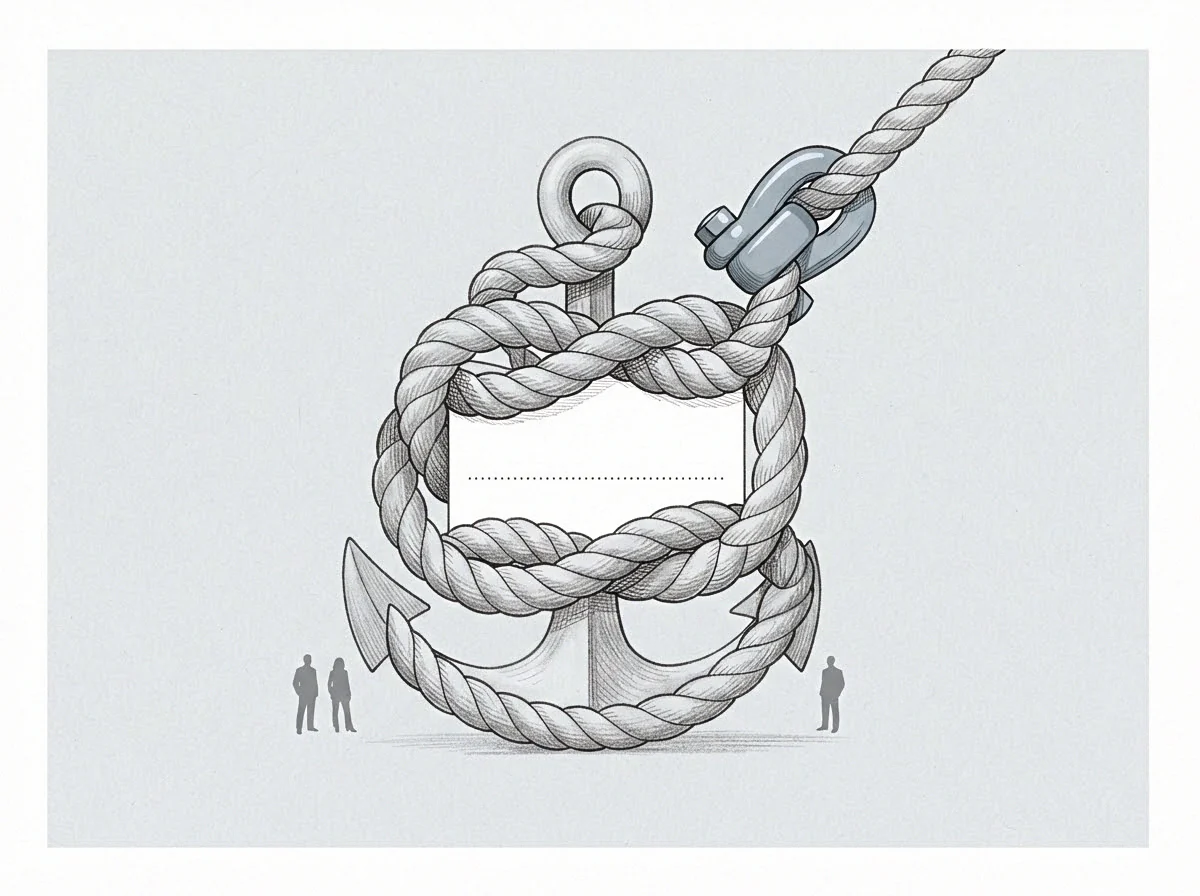
The only threshold that survives deep operational fatigue is a hard stop placed entirely outside executive override. Rules that leave room for discretionary exceptions fall apart under sustained pressure. A soft guideline turns into a direct liability the moment transaction pace outstrips an operator’s ability to calculate downside risk.
A parameter stated without an automated execution freeze converts into an informal recommendation under stress.
Governance fails whenever emergency controls require an impaired person to volunteer that they are exhausted. Self-assessment deteriorates right alongside cognitive performance, creating a blind spot at the worst possible time. Structural limits have to trigger on objective signals rather than an executive stepping aside willingly.
Explicit provisions capping continuous operating hours reassign sign-off rights automatically the moment the threshold is crossed.

Allocation
Resilience improves when decision authority spreads across separate operating nodes according to objective workload data. Reassigning permissions has to happen before performance slips. That handover must run without friction, passing sign-off duties to designated deputies.
When incoming transaction volumes cross baseline thresholds, routing shifts automatically to protect decision quality.
Orderly redistribution depends on structural criteria laid out during routine planning rather than improvised during triage. Four standards govern authority transitions across active seats:
- Capacity metrics track incoming transaction queues against processing time limits to signal authority saturation before error rates rise.
- Sign-off caps restrict maximum single-decision exposure based on the active hour count of the seat holder.
- Delegation routing transfers authorization rights to designated deputies without requiring manual authorization from the primary seat.
- Mandatory holds enforce non-negotiable waiting windows on structural capital decisions arriving outside standard operational hours.
Delegated authority builds safety by spreading accountability across independent participants. Deputies operate within defined charter limits, preventing scope creep during a temporary transfer. Unambiguous rules remove any doubt about who holds the pen during an acute handover.
Operational safety increases when authority transfers to rested seats before cognitive saturation occurs.
When authority shifts according to settled protocols, operating pace stabilizes while capital protections remain intact. The primary operator steps away from sign-offs without stalling the business or causing friction. The team works within pre-approved boundaries while the lead seat recovers normal working capacity.
Secondary operators stay strictly within the written limits of the charter for the duration of that window.

Lock
Execution locks freeze strategic pivots and unusual treasury transfers whenever key risk indicators cross baseline thresholds. The lock is a physical mechanism that disregards verbal overrides and executive pressure. Major commitments made while operating capacity is near zero present severe, unhedged risks to owners.
Mandatory cooling-off periods shield company assets from panic and late-night exhaustion, staying active until verified baseline conditions return across monitoring channels.

State-Gated Protocols for High-Asymmetry Acts
State-gated controls insulate core assets from compromised evaluation through structural interlocks. Actions like equity dilution, intellectual property transfers, and debt acceleration stay locked behind multi-party verification. No executive can clear these locks during an emergency without board concurrence.
The mechanism enforces patience right when internal panic calls for rash action.
Preventing hasty execution demands complete separation between proposing an action and authorizing it. The individual under operational strain cannot hold the only key needed for a major strategic transfer. Safety depends on maintaining this division across all critical governance workflows.
Strategic freezes protect underlying equity by imposing mandatory time delays on non-standard capital allocations.
Unchecked authority during periods of heavy fatigue leads directly to balance sheet damage. Organizations that fail to lock high-risk actions when energy runs out see governance unravel and assets drain. Enforcing strict locks prioritizes firm longevity over short-term expediency.
The floor holds when the rule stays simpler than the pressure against it.
Buffer
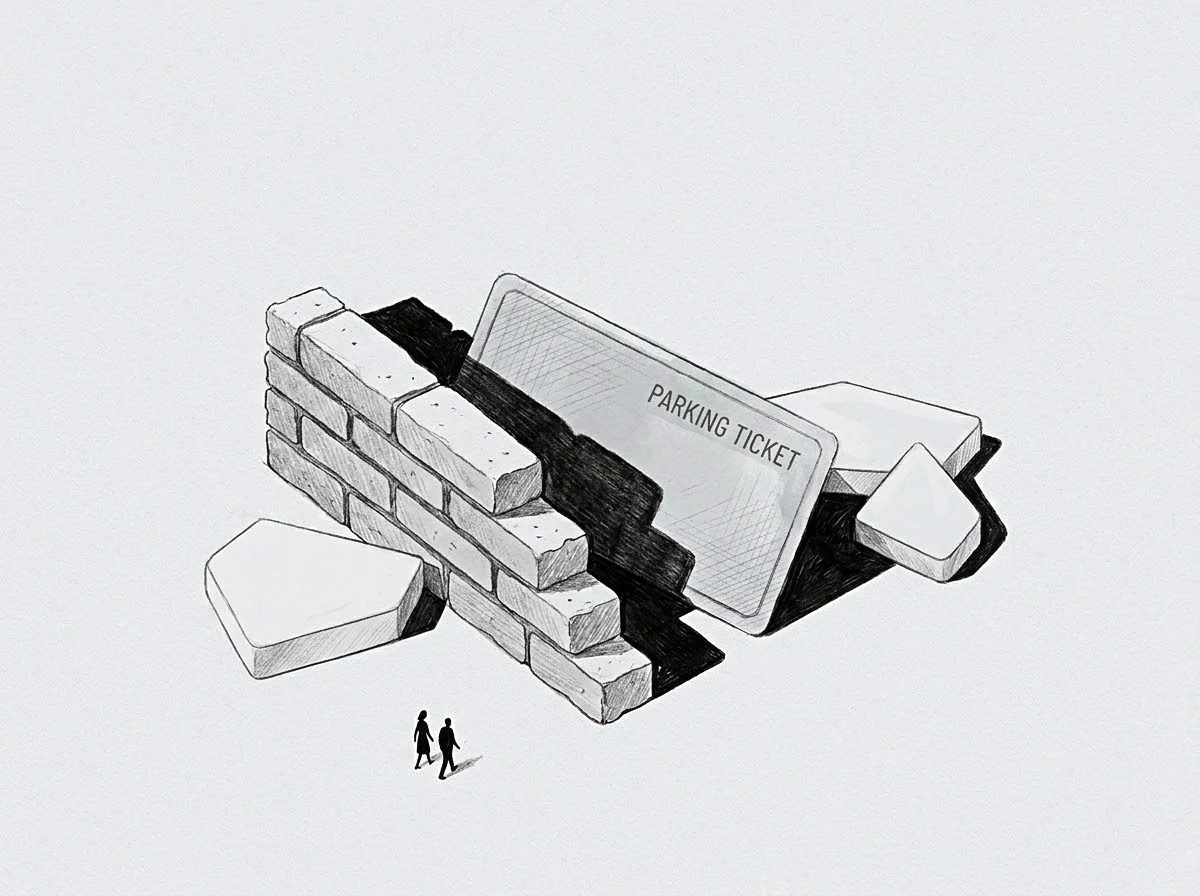
Structural reserves absorb the impact between relentless operational demands and limited executive stamina. Leaving deliberate space in authorization schedules keeps task saturation from causing wider administrative failure. Governance rules set firm ceilings on daily decision volume so leaders retain the attention needed for complex evaluation.
Protecting that capacity prevents the primary executive from burning out entirely during protracted crises.
Pacing depends on building deliberate friction into high-stakes workflows. Cooling-off windows, mandatory dual sign-offs, and staged reviews serve as practical buffers that filter out poor choices. These procedural hurdles keep tired managers from yielding concessions just to clear an inbox.
A structural buffer preserves institutional discipline even when personal energy runs dry.
Long-term survival depends on governance designed around real human limitations. Parameters that reallocate authority automatically protect both the operator and the equity base from catastrophic mistakes late in a cycle. Setting firm limits before a crisis arrives preserves continuity no matter how exhausted individual leaders become.
The governance framework stands long after executive stamina gives out.