
Structural Term Definitions for Managing Executive Capacity under Depletion
Structural terms replace human endurance with explicit operational constraints, rerouting institutional demand before it depletes biological reserves.

Load
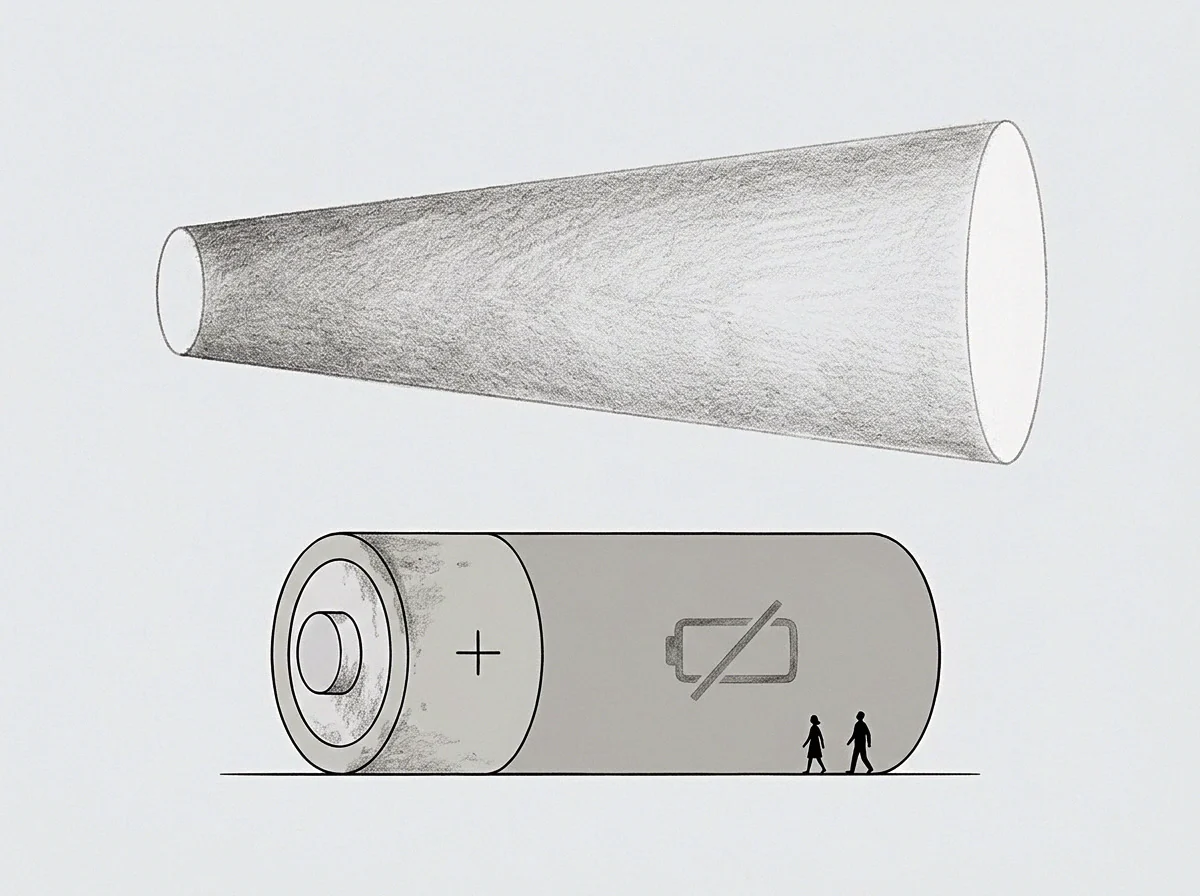
Four incoming requests wait on a screen at midnight while the operator reviews an unallocated balance in an empty room. Physical exhaustion alters how an individual processes operational inputs: deliberation slows, turning each ambiguous query into an immediate demand on the central nervous system. When working reserves drop toward zero, an unhedged operational structure continues to route external demands directly to the person at the desk.
The biological substrate registers ongoing allostatic load, the cumulative wear caused by chronic physiological adaptation to repeated stressors.
Depletion changes how cognitive control operates. Working under a deep physiological deficit narrows working attention, shortens planning horizons, and forces reactive choices. Most corporate structures assume the person in the central seat maintains steady judgment across all conditions.
Once exhaustion sets in, that assumption dissolves.
Under biological depletion, unhedged operational inputs bypass administrative buffers to strike central biological reserves directly.
A personal limit acts as an internal threshold of tolerance, whereas a stated limit functions as an external mechanical constraint. Internal thresholds tend to yield as external force mounts. The stated term changes the interaction by placing an explicit operational rule between the requester and the person in the seat.
Without it, the organization pushes against personal endurance until something breaks; with it, incoming work encounters an explicit term and redirects along preset pathways.

Operational Depletion Versus Mood Variation
Executive fatigue is an objective operational variable. The distinction between an underlying functional deficit and a passing mood is clear: biological fatigue degrades processing capacity, while mood fluctuates without necessarily lowering computational limits. Under true capacity reduction, the metabolic cost of evaluating decisions rises substantially.
The executive cannot simply decide to compute faster without burning biological substrate.
Research on cognitive fatigue shows that persistent prefrontal exertion degrades metabolic substrates, diminishing local glucose availability and disrupting neural coordination. When organizational design treats this physical exhaustion as a temporary failure of attitude, governance breaks down. Inbound volume remains identical while the biological capacity to process it deteriorates.
Consider an operator who spent three years building an enterprise without setting explicit rules on availability. Three direct reports route personnel disputes, budget sign-offs, and client escalations to a personal phone across the weekend. The operator tries to absorb each item through discipline alone.
By Sunday evening, the capacity to evaluate strategic risk fails entirely. The volume of requests did not multiply; the recipient simply exhausted their biological buffer.
Demands on the central seat continued uninterrupted because nothing stopped them. Finding no structural edge, the team kept sending work.

Frame
Structure begins when an executive specifies the terms under which operational assets engage. A stated term replaces personal endurance with explicit governance, creating a physical frame that redirects operational traffic before it touches the nervous system. Without that intervention, executive attention degrades into indiscriminate triage, burning through the organization’s primary coordination capacity.
A structural term establishes non-negotiable processing criteria, setting exact parameters for latency, scope of intervention, and resource allocation. Instead of relying on an operator to inspect every problem manually, the stated term operates on its own, routing minor disturbances into automated channels or subordinate operational tiers.

Architectural Boundaries Under Capacity Constraints
- Stated limit establishes a binary condition that ceases operational transmission once defined capacity thresholds are breached.
- Load transferring system reallocates real-time operational demands from depleted biological actors to predetermined procedural pipelines.
- Concurrency ceiling fixes the exact maximum count of open operational threads permitted to command executive attention simultaneously.
- Gated execution threshold stops discretionary decision pathways until biological recovery markers clear predetermined structural minimums.
These terms alter organizational mechanics. When an executive explicitly sets a concurrency ceiling of three active capital allocations, a fourth incoming transaction enters an unmonitored queue by default. The executive does not evaluate the fourth proposal to decide its priority; the operational frame excludes the input automatically.
A concrete operating constraint transfers structural weight from human muscle to written governance.
Operational terms function with mechanical indifference. An executive who clarifies these parameters transfers responsibility for structural discipline from personal willpower to explicit organizational policy. Subordinates and counterparties interact with the stated standard rather than negotiating with an exhausted person, allowing the parameter to stand on its own terms.

Whose Capacity Absorbs The Volatility?
When an unexpected crisis hits an under-resourced organization, volatility must be absorbed somewhere. If organizational protocols lack pre-negotiated limits, that volatility lands directly on the executive’s physical nervous system. If the structural term exists, the system forces operational trades elsewhere: project milestones slip, client communication pauses, or subordinate capital outlays stop.
The term decides where the impact falls before it occurs.
| Governance Dimension | Unhedged Executive Operating Mode | Term Governed Structural Mode |
|---|---|---|
| Demand Routing | Incoming work routes straight to biological attention. | Incoming work encounters predetermined operational gates. |
| Resource Allocation | Allocation follows loudest real-time interruption. | Allocation follows hard structural capacity ceilings. |
| Systemic Visibility | Counterparties read silence as executive failure. | Counterparties read silence as an active policy state. |
| Failure Domain | Biological breakdown and total executive collapse. | Controlled latency slippage and deferred operational items. |
Under this shift, the operator stops acting as the sole shock absorber for enterprise disruption. When an emergency strikes, the term holds the parameter steady while secondary operations buffer the variance. The executive remains functional because the operational frame took the shock.

Signal
A communication channel conveys structural meaning through its latency. When an operational actor sends a dispatch and receives an immediate reply, the channel indicates complete availability. When the message sits unanswered across a specified operational window, the counterparty receives a definite signal about structural priorities.
Silence functions as an active operational stance.
Executive availability is derived through systematic operational friction. An executive cannot protect capacity by issuing emotional pleas for privacy; organizational actors respond to real-time turnaround rather than stated preferences. Counterparties study actual response cadences to calculate where real boundaries sit.
If an operator claims exhaustion yet answers an electronic notification within ninety seconds, the recipient infers complete availability regardless of the disclaimer.
Consider an investor demanding revised financial statements on a Saturday afternoon. The unhedged operator reads the message, feels an immediate surge of urgency, and spends two hours generating the document, preserving the investor’s calm by consuming personal biological reserves. The investor learns that weekend access is viable, cheap, and structurally validated, cementing the precedent through the channel itself.
Cadence signals real operating priority long before verbal declarations register.
Take the alternative sequence. The investor sends the identical dispatch, but the message meets an explicit terms architecture: non-critical fiscal revisions process during standard institutional hours between Tuesday and Thursday. The channel remains completely silent until the designated operating window opens.
The investor checks the channel, finds no activity, and absorbs the friction locally. The operational silence functions as a structural barrier.

Derived Availability Across Operational Interfaces
Subordinates, partners, and external counterparties calculate executive capacity through repeated behavioral probes. In control theory, an active feedback system determines system properties by injecting an input signal and recording output latency. Organizational counterparties operate identically: they send queries to discover precisely where the executive will break pattern.
Every immediate response to an unhedged query invites an immediate secondary query.
A quiet channel indicates that a structural boundary has taken hold. When counterparties recognize that low-priority requests yield zero immediate output, their behavior shifts. They cease routing marginal questions to the executive desk, looking within subordinate documentation or resolving ambiguities on their own.
The friction preserves central executive reserves by altering peripheral habits.
Operational effort transfers entirely to the sender when the receiver maintains silence. If the sender requires immediate resolution for a non-essential concern, that sender must expend local effort to locate alternative solutions. Structural terms hold precisely because they reallocate operational expenditure back to its point of origin.
The team notes that the operator is away from the desk until Tuesday and resolves the inventory issue internally.

Cost
Preserving central capacity requires paying explicit organizational penalties. A stated structural term prevents human collapse, yet it introduces real institutional friction. The primary trade-off balances biological stamina against operational velocity.
When an executive enforces strict concurrency limits, certain initiatives stall, specific counterparties express frustration, and short-term execution metrics suffer. The enterprise absorbs transactional drag to preserve executive durability.
That penalty is both predictable and quantifiable. When an operator limits immediate availability, counterparties initially register the restriction as institutional arrogance or operational negligence. An organization accustomed to instant executive intervention experiences friction when that access ends.
The enterprise must tolerate delayed cycle times on marginal decisions to maintain the attention and energy required for catastrophic risk assessment.
State Gated Action Against Volitional Choice
A recurring breakdown in executive management involves treating capacity constraints as failures of personal willpower. Certain cognitive operations are strictly state-gated acts: their execution depends entirely on underlying neurochemical baselines and physical rest states. When an individual reaches advanced metabolic depletion, no quantity of volitional effort can generate high-fidelity strategic synthesis.
Attempting to force an unhedged strategic choice under extreme fatigue generates downstream errors whose eventual resolution consumes ten times the energy conserved.
Other operational duties function as decision-gated acts, which proceed reliably through procedural compliance even when physical reserves run low. A mature structural terms design separates these duties cleanly. An exhausted executive delegates state-gated strategic adjudications to rigid recovery windows while allowing decision-gated procedural operations to execute via standardized checklists or subordinate personnel.
Consider an enterprise evaluating an acquisition during an intense operating period. The lead executive has logged ninety hours of operational crises over six consecutive days. Deciding whether to adjust transaction covenants is a state-gated act requiring nuanced risk assessment and metabolic stamina.
If structural terms require executive signing on transactions above five million dollars, but the executive’s capacity has breached safe operating baselines, an unhedged firm forces the decision through sheer exhaustion. The result is an overlooked liability clause that costs several million dollars three quarters later.
Conversely, a firm utilizing explicit capacity governance enforces a quarantine term: major legal covenants cannot receive executive signature if physiological monitoring or continuous operational tracking indicates acute capacity depletion. The transaction pauses forty-eight hours until biological baseline returns. The deal counterparty complains vocally about the delay, creating immediate social friction.
The executive absorbs the social complaint, preserves the covenant review until cognition clears, and catches the liability flaw upon resumption.
The quarantine term mandates an immediate pause on high-consequence capital commitments whenever executive rest markers register below specified parameters, trading real-time closing speed for legal protection.