
Allostatic Load From Continuous Operational Alerts Despite Corporate Entity Insulation
Corporate legal insulation limits financial debt while continuous alerts drive real neuroendocrine wear through unbroken sympathetic arousal.

Shell
Limited liability partitions financial capital from personal assets through a statutory construct. Incorporation creates an independent juristic person that signs leases, incurs debt, and defends lawsuits in its own name. The commercial codes of Delaware, the United Kingdom, and continental jurisdictions draw an unyielding line around that entity, protecting shareholders from creditors when trading insolvency arrives.
The human autonomic nervous system recognizes no statutory fiction. When an automated paging system fires at three in the morning regarding a database replication failure, the hypothalamic-pituitary-adrenal axis of the operator initiates a neuroendocrine cascade identical to an unshielded physical threat.
The charter stops nothing.
A legal entity absorbs monetary judgments while redirecting operational alarms to the living bodies tasked with maintaining its uptime. Modern cloud infrastructures, real-time banking pipelines, and customer escalation queues dispatch uninterrupted telemetry directly to personal mobile devices. The resulting physiological wear accumulates inside the biological organism rather than inside the limited liability company.
That biological wear is allostatic load, defined within stress physiology as the cumulative systemic degradation produced by sustained neuroendocrine adaptation to chronic operational demands.
A statutory liability shield leaves autonomic arousal completely uninsulated during continuous operational alerts.
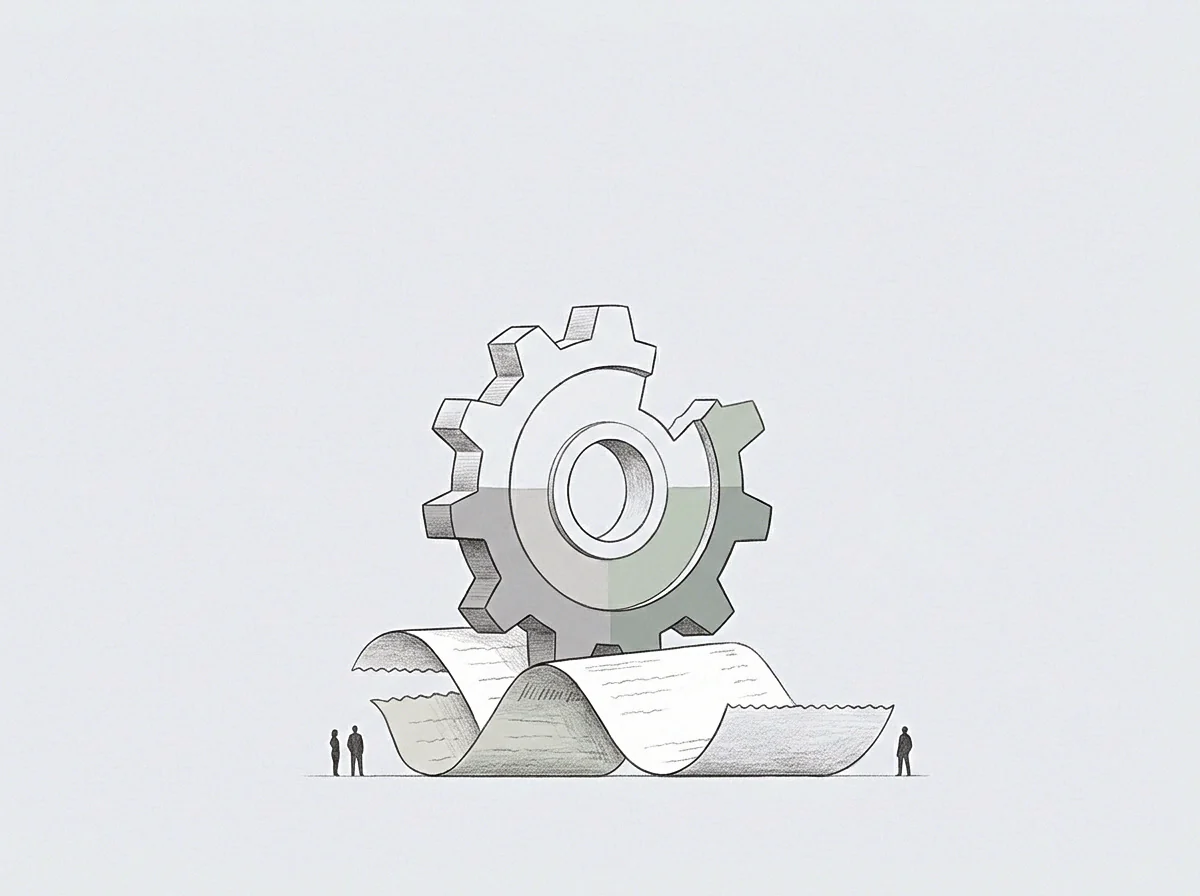
Statutory Distance and Somatic Proximity
Corporate law treats the company as an autonomous actor with its own obligations. The operational layer operates on raw physical connectivity, binding individual engineers and executive operators to instantaneous event streams. A founder who owns seventy percent of common stock often believes the legal structure grants psychological separation from commercial failure.
When customer traffic drops or payment gateways fail, that founder experiences rapid heart rate elevation, glucocorticoid secretion, and peripheral vasoconstriction regardless of entity registration.
Biology ignores legal paper.
The gap between corporate legal insulation and physiological exposure widens as an enterprise scales its alerting software. Notification engines trigger loud auditory signals for disk exhaustion, SSL certificate expirations, and unexpected webhook timeouts. Each event forces an immediate shift in focus, demanding cognitive arbitration and emotional regulation from the human recipient.
A commercial contract specifying four nines of service availability acts as a legal obligation on the enterprise, yet the physical maintenance of that availability extracts metabolic energy directly from the person holding the on-call rotation. The standard indemnification clause protects personal bank balances from external contractual claims without altering the biological toll of holding primary operational responsibility.
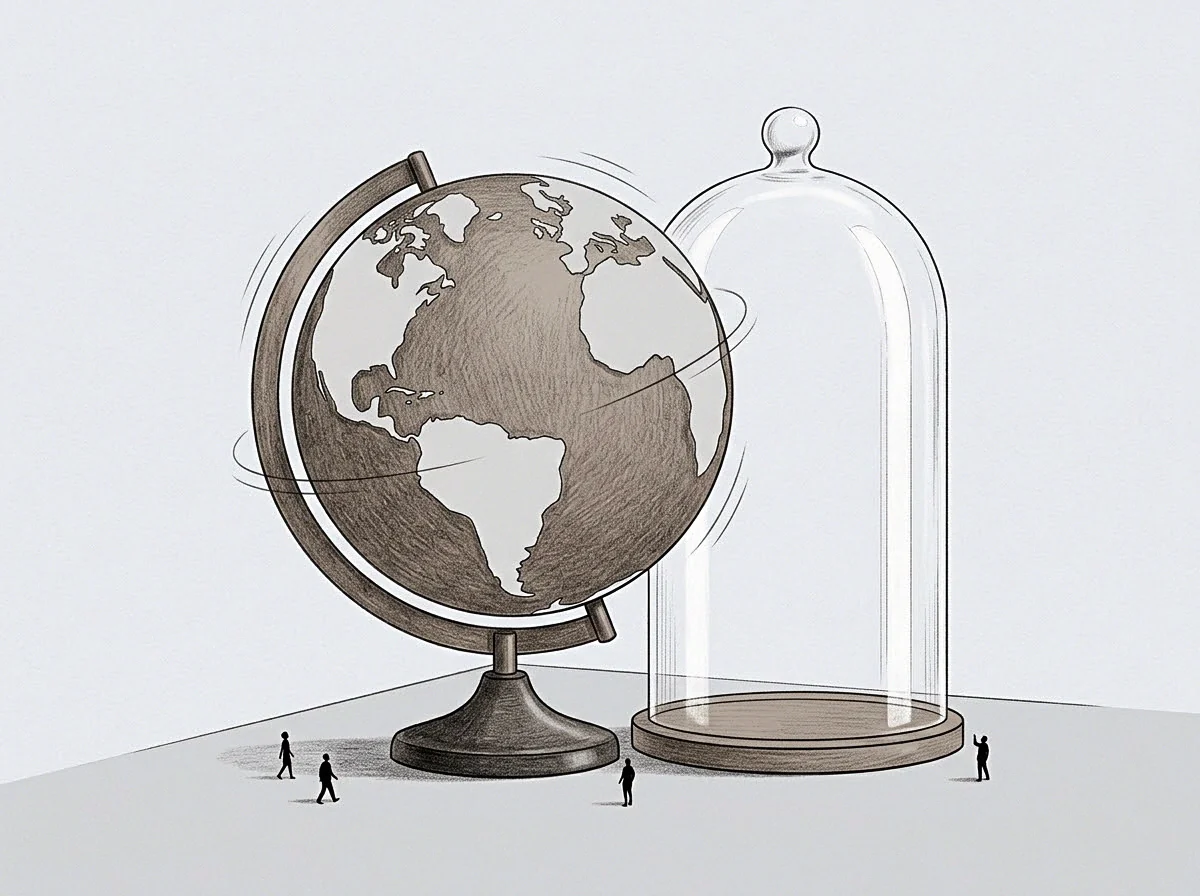
Bell
The phone vibrates twice on the nightstand at twelve minutes past two. A monitoring hook detected an elevated error rate across three application nodes, generating an automated ticket that routes through an incident management platform. The operator reaches across the bed, reads forty characters of raw stack trace, and opens a diagnostic terminal.
Heart rate climbs immediately. The operator verifies database connectivity, confirms memory pressure on the primary cluster, and cycles the affected workers before attempting to return to sleep. The entire intervention takes eleven minutes, yet the autonomic nervous system remains in a high-vigilance state for another ninety minutes.
That occupied the first slot.
Continuous operational alerts fragment the resting period into brief intervals of conditional suspension. The human brain cannot initiate restorative slow-wave sleep while anticipating an unscheduled acoustic interrupt. Event-driven architectures amplify this vulnerability by broadcasting automated system metrics to individual team members without filtering for severity.
The stream of incoming alarms converts the domestic living environment into an active monitoring room, destroying the physical separation between commercial operations and biological recovery.

Production Alarms and Interrupted Sleep
Notification volumes rarely correlate with existential company risk. Automated monitoring tools dispatch hundreds of informational notices alongside urgent production outages, transferring the work of semantic triage onto the exhausted operator. When every minor anomaly fires an audible notification, the brain treats the signaling channel as an open loop that requires constant scanning.
The daily alerting stream distributes across four distinct operational channels:
- System Infrastructure Alerts arrive via automated telemetry scripts when server thresholds, disk capacities, or network latencies exceed defined bounds, demanding technical diagnostics under artificial time constraints.
- Commercial Payment Exceptions ping the recipient through financial gateway webhooks indicating disputed transactions, chargeback spikes, or failed merchant settlements that threaten daily operating liquidity.
- Customer Service Escalations land in communication workspaces when enterprise clients experience configuration hurdles, transferring relational anxiety directly to the senior team.
- Internal Team Mentions ping through collaborative project boards at all hours as distributed workers tag leadership on administrative blockers, consuming cognitive headroom.
That consumed another slot.
The compounding effect of these disparate communication channels is cognitive switching cost, where the brain pays a metabolic penalty for reorienting executive attention between commercial survival and administrative trivia. When alarms sound repeatedly throughout the work week, cognitive capacity drops sharply, leaving the operator in a state of chronic vigilance. The channel stays open.
The partner sleeping on the other side of the bed observes the illuminated screen, turns away, and remarks that waking up every forty minutes for a company with separate legal personality seems senseless.
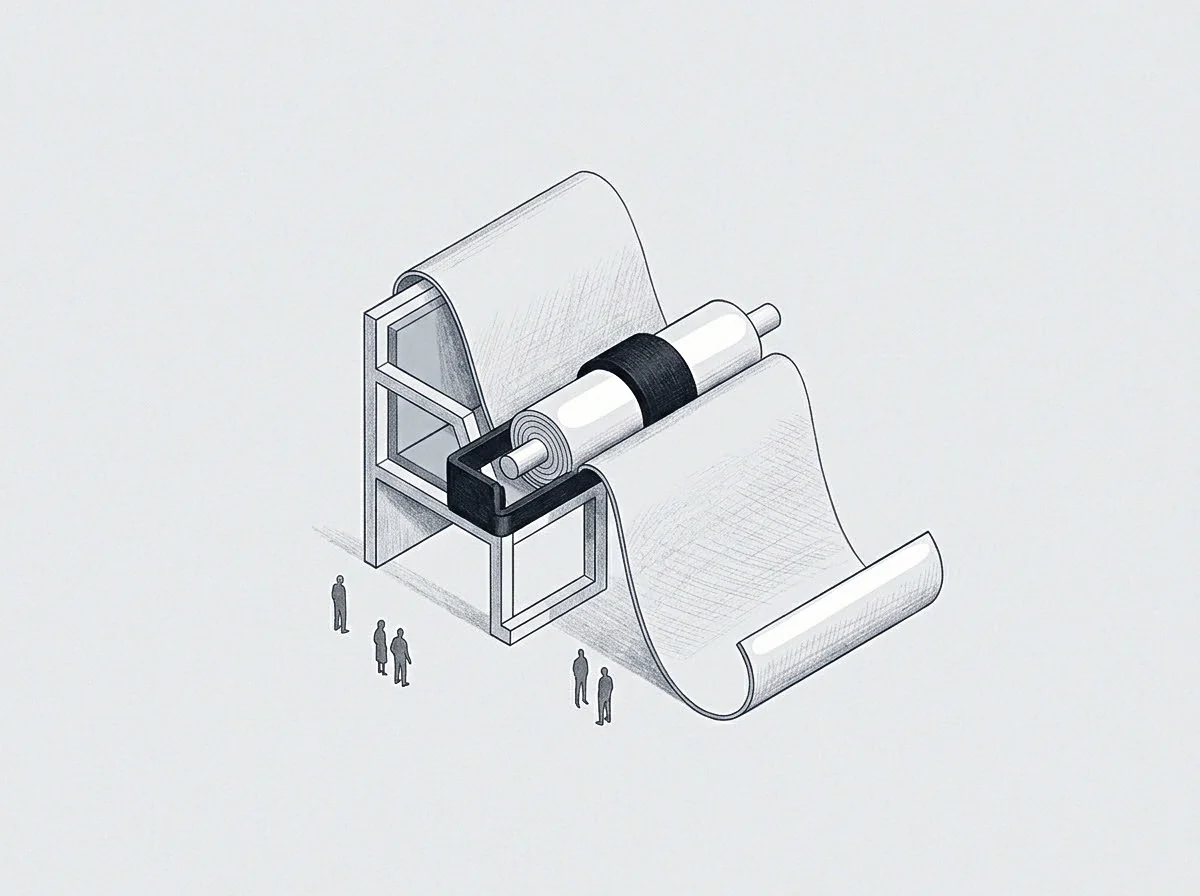
Circuit
Repeated exposure to acute stressors transforms short-term autonomic adaptation into systemic wear. The sympathetic-adreno-medullary axis releases epinephrine and norepinephrine within milliseconds of an alarm sound, elevating arterial blood pressure and mobilizing serum glucose. Minutes later, the hypothalamic-pituitary-adrenal axis releases cortisol to sustain energy production for an anticipated physical struggle.
In industrial environments with continuous digital alerts, the physical struggle never arrives. The operator sits stationary in a task chair, processing lines of error text while their circulatory system absorbs sustained hormonal surges.
The contract remains intact.
Chronic activation of these neuroendocrine circuits produces measurable biological changes over multi-year cycles. Vascular endothelial cells experience inflammatory stress from repeated blood pressure elevations, while baseline glucocorticoid sensitivity declines through receptor downregulation. Stress physiologists measure allostatic load through a composite index of neuroendocrine, cardiovascular, metabolic, and immune biomarkers, including glycated hemoglobin, dehydroepiandrosterone sulfate, high-density lipoprotein, resting systolic pressure, and serum interleukin-6.
Longitudinal studies on continuous shift workers demonstrate that individuals exposed to unpredictable nightly alerting exhibit significantly higher allostatic scores than peers working identical weekly hours on predictable schedules. This baseline finding rests upon cohorts of clinical night-shift workers and maritime watchstanders; an equivalent sample of corporate founders operating under high equity concentration would likely reveal even steeper neuroendocrine markers due to concentrated fiduciary anxiety.
Sustained allostatic load forces biological throttling before clinical pathology appears.

Endocrine Wear and Regulatory Throttling
When allostatic load approaches biological ceiling, the central nervous system deploys defensive throttling to prevent cardiac or cellular collapse. Throttling is a measured down-regulation of voluntary cognitive effort, operational initiative, and emotional responsiveness enacted by a nervous system defending its surviving homeostatic reserves. Observers frequently misinterpret this state as clinical depression.
In depression, a person experiences persistent loss of pleasure and pervasive self-reproach across all environments. In throttling, the biological system remains capable of focused execution when isolated from incoming load, but locks down completely when exposed to additional operational pings.
The third slot locked.
Just as a marine steam boiler uses automated pop-safety valves to release pressure before the metal seams burst, the nervous system shuts down discretionary motivation to preserve core autonomic stability. Sleep fragments under anticipation. A throttled operator continues executing routine maintenance while dropping creative tasks, unread financial reports, and strategic negotiations.
A second established finding in neuroendocrinology demonstrates that recovery from elevated allostatic load requires prolonged periods without sympathetic interrupts, typically taking six to eighteen months of structural calm to normalize baseline cortisol curves. Does an enterprise legal structure survive if its primary operator enters full autonomic shutdown while holding undivided operational authority?
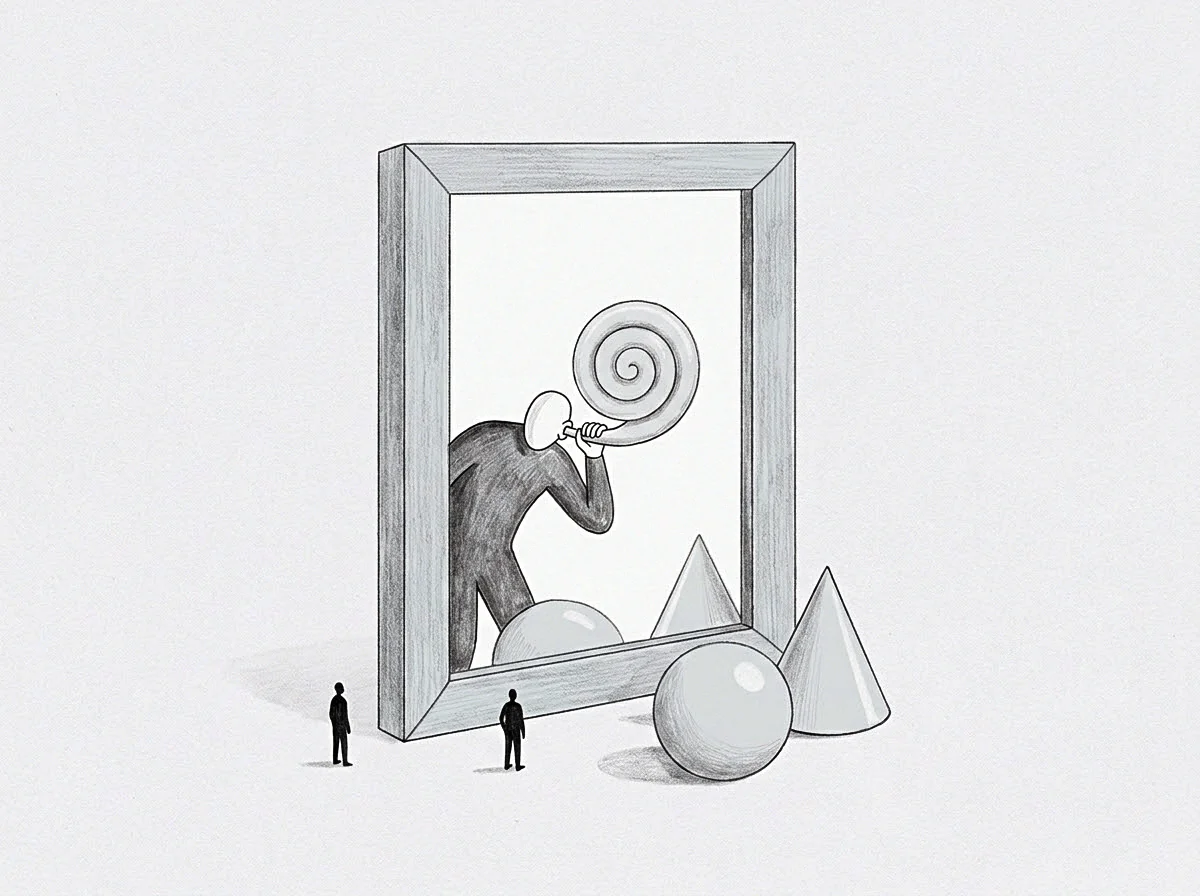
Split
Legal entity insulation protects personal balance sheets from corporate obligations. It creates no partition between the operational alerts of the enterprise and the autonomic nervous system of the operator. The corporate form operates on statutory definitions, whereas the human body operates on biophysical inputs.
When the enterprise accepts twenty-four-hour availability agreements with commercial clients, the entity registers the contract while the individual provides the biological reserve.
Silence carries operational weight.
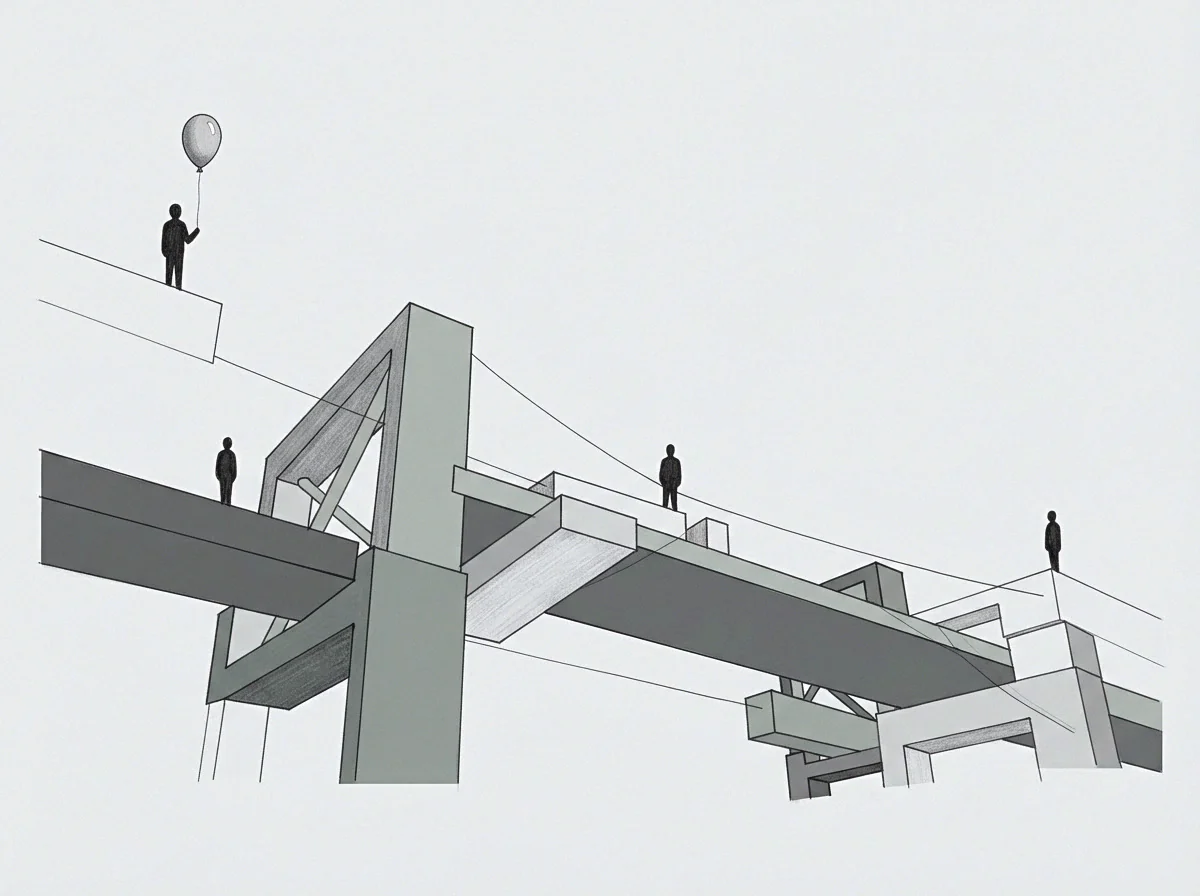
Can Statutory Separation Arrest Autonomic Arousal?
Statutory separation functions exclusively within courtrooms, commercial registries, and banking records. A corporate certificate of incorporation establishes that the debts of the company belong to the company alone. It cannot prevent an unexpected mobile alert from releasing cortisol into the bloodstream of an executive who bears ultimate responsibility for resolving the event.
The corporate entity is an abstraction incapable of experiencing exhaustion, sleep deprivation, or endocrine depletion. The person in the operational seat provides all of the autonomic stabilization required to keep the abstract entity functioning.
| Dimension | Corporate Entity Layer | Autonomic Human Layer |
|---|---|---|
| Primary Shield | Statutory limited liability statutes | No biological barrier to incoming stimuli |
| Liability Scope | Bounded strictly by capital assets | Uncapped expenditure of metabolic reserve |
| Event Reception | Recorded passively in corporate journals | Triggers instantaneous sympathetic arousal |
| Recovery Method | Financial recapitalization or restructuring | Uninterrupted neuroendocrine rest periods |
| Failure Signature | Judicial insolvency and corporate dissolution | Allostatic exhaustion and systemic throttling |
The veil holds legally.
The difference between these two layers creates an ongoing hazard for early-stage operators. Because the legal shield successfully insulates personal wealth from trading debts, the person assumes their operational commitment remains similarly contained. The human body, however, provides an unmetered line of credit to the corporate entity in the form of autonomic regulation, executive focus, and sleep architecture.
The entity consumes this credit continuously without recording the liability on its financial balance sheet.
A company remains legally solvent while exhausting the biological balance of its sole operator.
Modeled Operational Exposure Under Concentrated Equity
Assume two individuals form a commercial software partnership with equal ownership, operating without salaried engineering staff for thirty-six months. The corporate charter insulates each partner from individual liability regarding service uptime defaults. Assume further that the production system generates an average of eleven automated alert interruptions between the hours of ten at night and six in the morning each week.
Over three years, this cadence produces over one thousand seven hundred discrete sympathetic activations during normal biological sleep windows.
That cleared no capacity.
Partner A monitors the primary alert channel continuously, triaging each ping within three minutes to maintain contractual metrics. Partner B turns mobile data connections off entirely at nine in the evening, relying on Partner A to handle nighttime incidents. At the end of thirty-six months, the company remains legally clean with zero corporate debt, yet Partner A exhibits elevated resting blood pressure, blunted diurnal cortisol variation, and cognitive throttling that prevents participation in long-term strategic planning.
Partner B retains normal neuroendocrine function. The formal legal structure treats both partners identically, while the operational arrangement concentrated the entire allostatic toll into one body. The desk cannot fully defend whether equity concentration alone causes this asymmetric operational absorption, or whether individual differences in vigilance temperament dictate who accepts the incoming alerts; under this uncertainty, the prudent operator explicitly specifies nighttime on-call schedules within employment agreements rather than relying on informal goodwill.
When this distinction is ignored, the operational burden hollows out the functional capacity of the individual until the business suffers structural paralysis.
Gate
Preserving human physiological capacity alongside a continuous operational enterprise requires physical barriers between incoming system events and the autonomic nervous system. The legal structure cannot provide this barrier; the engineering architecture must. The primary intervention is alert gating, which converts unstructured event streams into discrete, scheduled, and bounded operational batches.
The body pays cardinal figures.
An operator running at biological ceiling cannot recover by attempting mental detachment while the alert volume remains unchanged. The nervous system reacts to sensory cues, not philosophical rationalizations about corporate detachment. When the phone sounds, the neuroendocrine cascade occurs before the conscious mind can remind itself that the business is an independent limited liability entity.
Gating the ingress of alerts removes the sensory trigger entirely, allowing autonomic recovery to proceed without sympathetic interruptions.
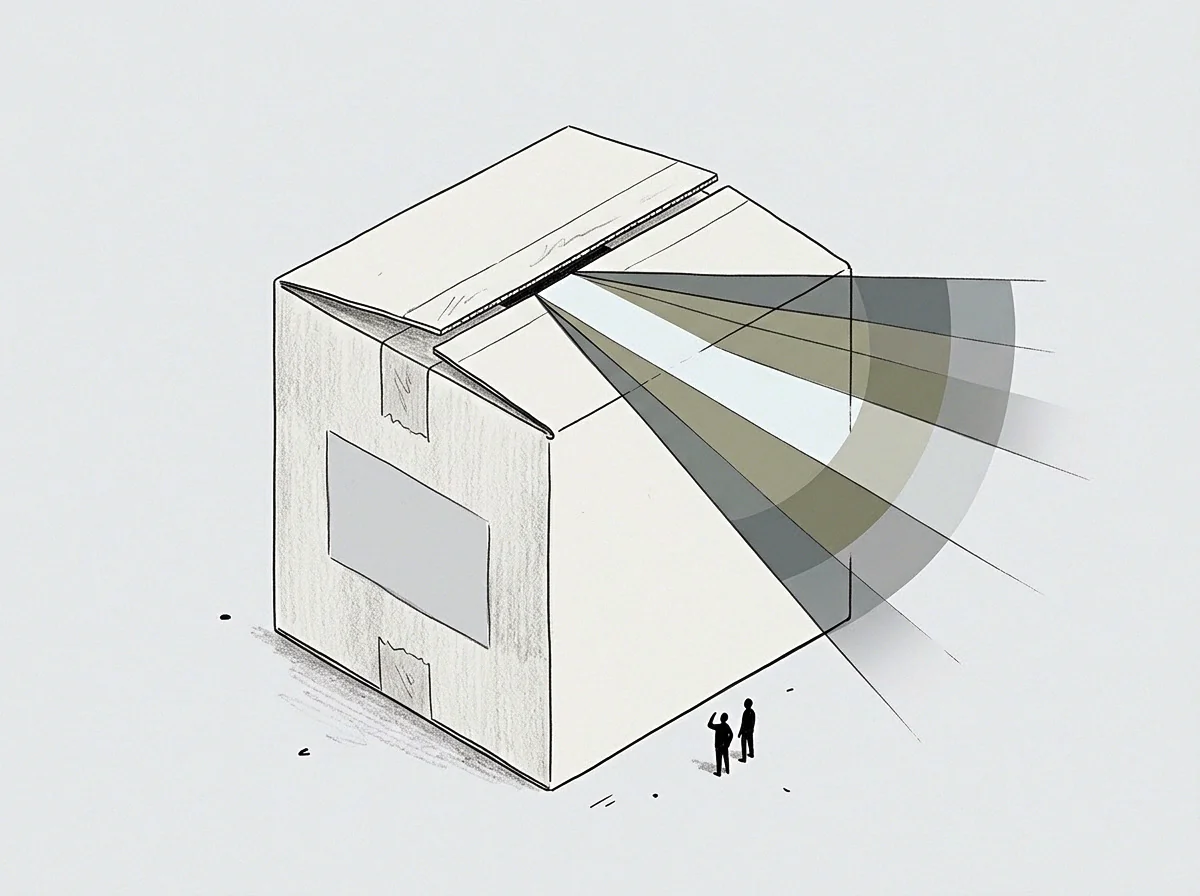
Bounded Ingress and Structural Quorum
A sustainable operational design enforces strict boundaries on what telemetry can wake an individual during non-working hours. Rather than permitting every server alert to reach a single person, the organization implements structural filters:
- The technical team routes non-critical operational warnings exclusively into asynchronous log systems that generate no acoustic or haptic notifications during off-hours, eliminating false alarms.
- The commercial management establishes explicit financial thresholds for middle-of-the-night incidents, restricting emergency wake-up pages to events that threaten complete data destruction or systemic business insolvency.
- The board introduces rotating external on-call support contractors, ensuring that the primary founder remains off the alerting chain for at least twenty-one consecutive days out of every month.
Gating operational alerts restores the biological boundary that statutory incorporation promised but could never physically supply. When notifications arrive through bounded channels with defined scope and clear remediation terms, the cognitive system holds an unencumbered resting period. The enterprise functions as intended, operating as an asset that generates revenue without consuming the cellular health of the person who built it.
An alert that rings everywhere at all hours protects nothing and breaks the person who hears it.