
Persistent Adrenocortical Overdrive Caused By Uncut Operational Telemetry Following Personal Enterprise Legal Insulation
Uncut operational telemetry drives chronic adrenocortical activation in founders by feeding sensory threat signals past formal corporate legal boundaries.
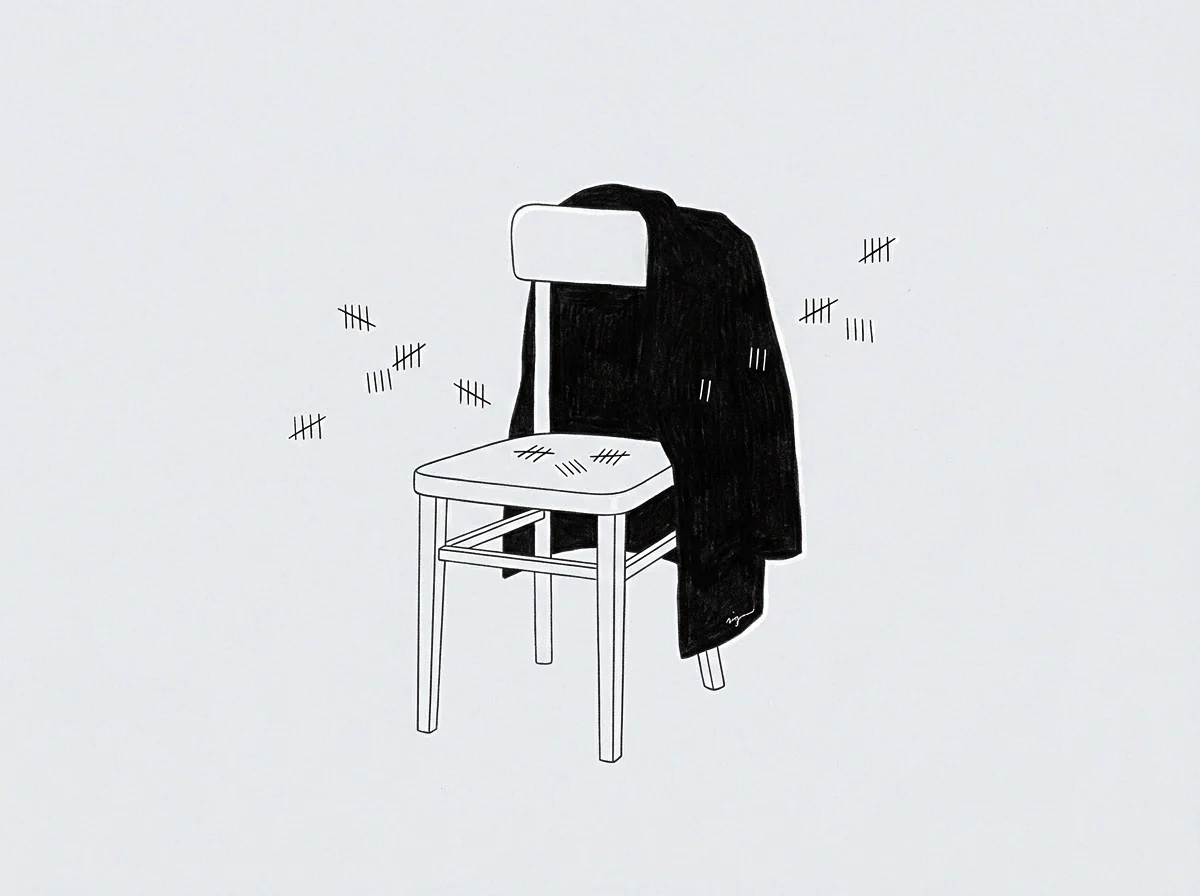
Shell
Articles of organization establish a separate statutory entity. The filing erects a formal wall between company obligations and personal assets, shielding personal bank accounts, real property, and private equity from corporate creditors. This legal insulation alters the contractual exposure of the operator.
The biological organism inside the office receives no direct benefit from the statute. The autonomic nervous system does not parse the corporate veil.
The human brain monitors survival cues through sensory input rather than through legal protections. When an enterprise operates, incoming operational signals arrive without interruption: server error logs, customer churn notices, cash runway projections, payment gateway timeouts, chargeback disputes, and database latency spikes. These signals register as threats to resource security.
The hypothalamic-pituitary-adrenal axis activates in response to incoming environmental telemetry regardless of corporate classification.
Statutory entity separation shields personal assets under commercial law while leaving biological threat detection systems fully exposed to incoming operational telemetry.
The discrepancy between legal insulation and biological exposure produces a persistent neuroendocrine state. The operator signs documents confirming limited liability, then spends eighteen hours observing operational alerts. Cortisol output remains high.
Epinephrine spikes on every unhandled application error. The body behaves as if personal survival remains directly coupled to real-time machine performance.
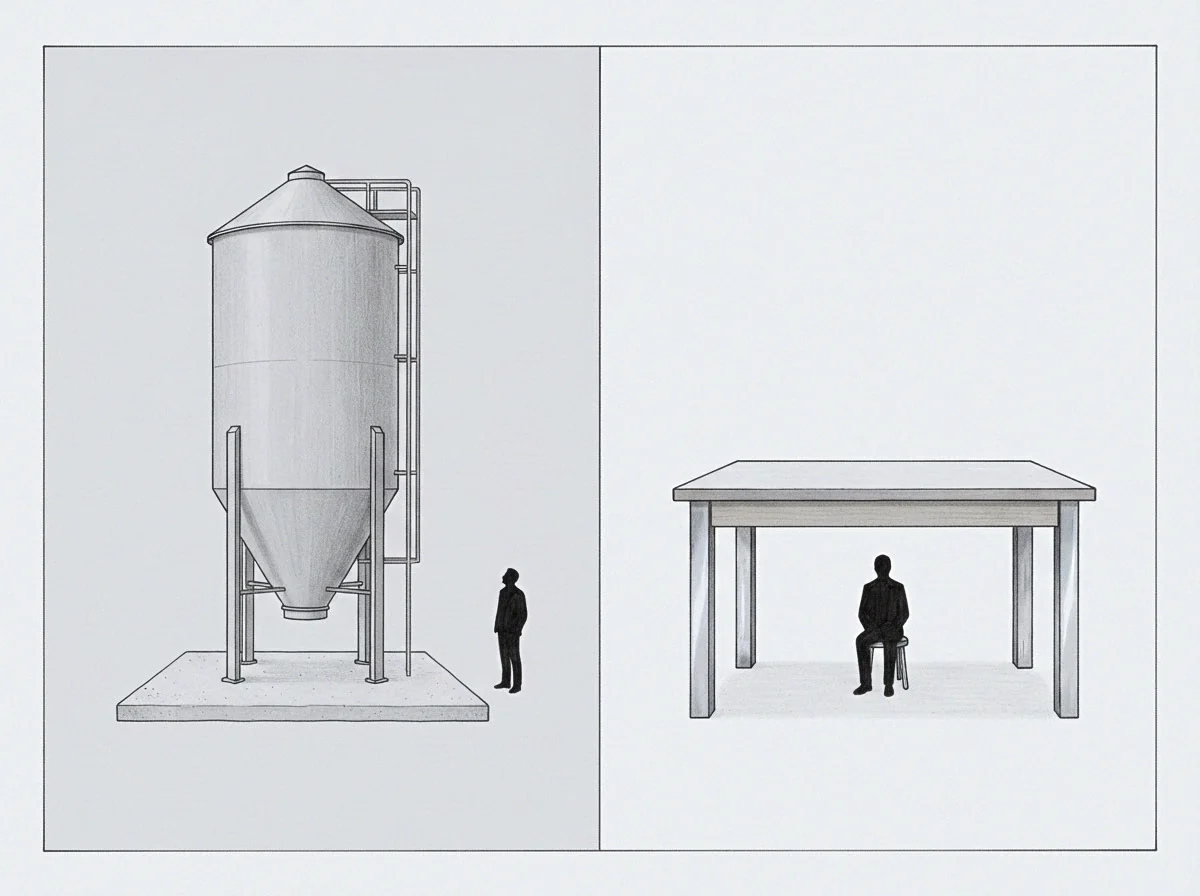
Corporate Veil and Biological Exposure
Corporate statutes treat an enterprise as an independent person. The business holds debts, enters leases, and files defensive motions. The operator acts as an agent.
In contrast, stress physiology responds to perceived loss of control and uncertainty. Threat appraisal mechanisms monitor environmental stability. A dropping cash balance registers as imminent caloric restriction.
An angry customer communication registers as social expulsion. The hypothalamic paraventricular nucleus coordinates the release of corticotropin-releasing hormone upon processing incoming operational distress signals, initiating a systemic adrenocortical response that ignores entity boundaries.
Failure to sever incoming telemetry produces biological strain. The adrenocortical system remains elevated for months following corporate entity restructuring, leading to circadian disruption, elevated morning glucose, arterial stiffness, and suppressed immune function.

Current
Operational data flows into personal devices across twenty-four-hour operating windows. Push notifications deliver instant status updates regarding system downtime, disputed transactions, customer support tickets, and team escalations. Each notification functions as a sensory cue demanding cognitive evaluation.
The nervous system assigns processing priority to novel signals carrying negative operational variance.
The hypothalamic-pituitary-adrenal axis regulates systemic homeostasis through cortisol secretion. Under normal baseline conditions, circulating cortisol follows a diurnal curve: levels peak approximately thirty to forty-five minutes following morning waking, declining steadily throughout the afternoon and evening to reach a nadir near midnight. Continuous operational telemetry flattens this diurnal curve.
The constant influx of system alerts prevents the normative decline in evening adrenocortical output.
A flattened diurnal cortisol curve develops whenever evening operational alerts interrupt neuroendocrine recovery intervals.
Continuous alerting creates an ungated sensory environment. The brain processes operational exceptions as urgent territorial disturbances. The operator remains in a physiological state optimized for acute crisis remediation, maintaining elevated blood pressure, heightened vigilance, and rapid pulse rates throughout sedentary administrative hours.

Endocrine Costs of Persistent Telemetry Ingestion
Allostatic load describes the systemic wear accumulated through ongoing neuroendocrine adaptation to chronic challenge. Every unread operational message consumes an active processing slot. When fifty alert streams deliver uninterrupted feeds into a single mobile interface, cognitive load reaches ceiling.
The autonomic nervous system remains biased toward sympathetic tone.
- Glucocorticoid receptor resistance develops when target tissues downregulate receptor sensitivity following months of elevated systemic cortisol.
- Sympathetic tone dominance suppresses vagal brake activity, maintaining elevated resting heart rates during designated rest periods.
- Sensory gating exhaustion degrades the capacity of the thalamus to filter ambient operational noise from critical existential threats.
A persistent state of alarm alters sleep architecture. Elevated nocturnal cortisol suppresses stage three slow-wave sleep and fragments rapid eye movement cycles. The operator wakes with low physical restoration.
The biological machinery deteriorates while the company dashboard reports optimal operational uptime.
Persistent micro-alerts from background enterprise processes inflict measurable endocrine wear alongside acute enterprise insolvency threats.

Screen
The physical terminal anchors the sensory loop. A desk holds three monitors displaying continuous telemetry: real-time application performance metrics, infrastructure health charts, communication channels, and financial transaction logs. The eye tracks moving graphs.
Color changes from green to red trigger rapid pupillary dilation and sympathetic activation. The hardware sits three feet from the operator, transmitting unresolved industrial loops directly into human retinas.
Telemetry streams differ by urgency, yet devices display them through identical audiovisual alerts. A non-critical background task failure produces the same chime as an enterprise client cancellation. The brain mobilizes systemic resources for the highest probable threat implied by the sound.
Ungated audio alerts force the autonomic system to treat minor background failures with the biological urgency of catastrophic solvency collapse.
The operator monitors dashboards during meals, transit, and early morning waking. Personal enterprise legal insulation creates an intellectual perception of security that the physical screen directly dismantles. The presence of the terminal maintains constant anticipatory stress.
The organism anticipates the next operational anomaly, preserving elevated adrenocortical readiness during hours when physical action remains impossible.
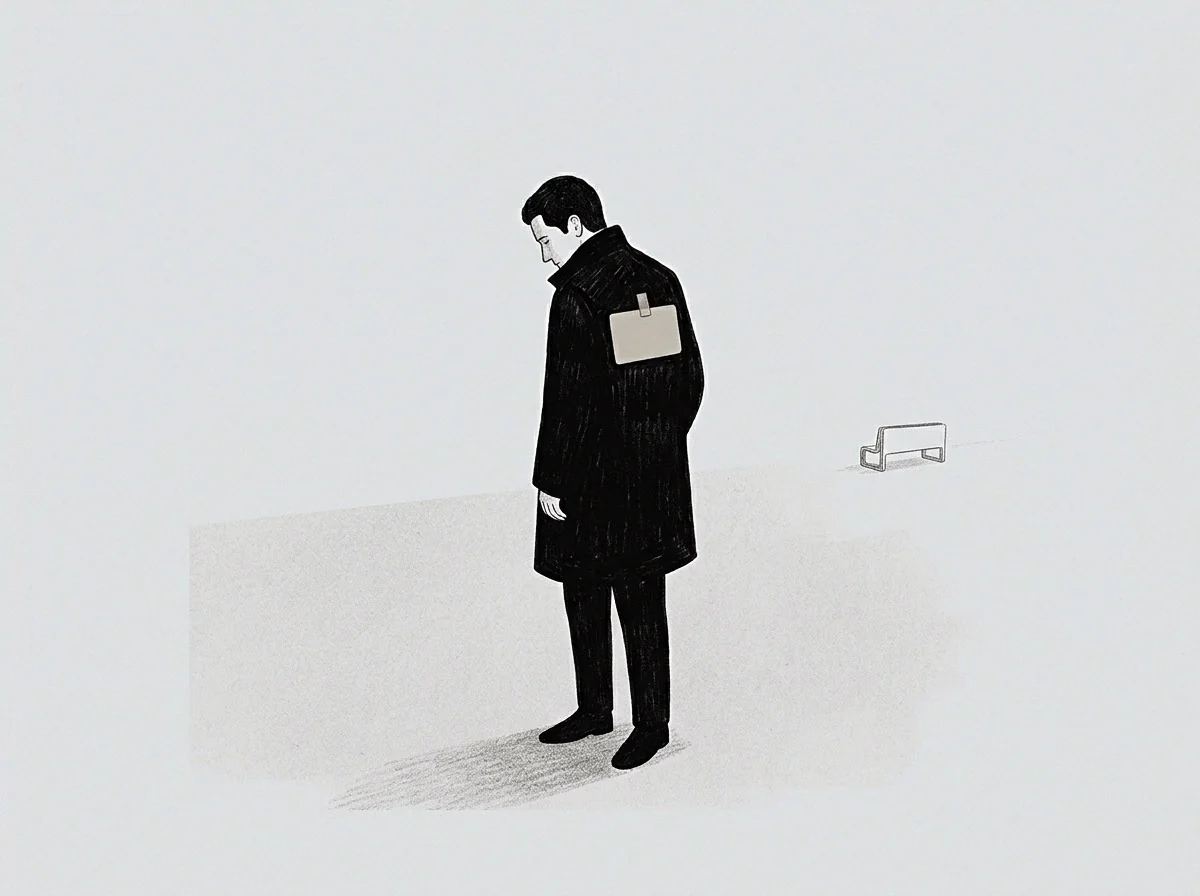
Concurrency Ceilings and Notification Streams
Human attention operates within a strict concurrency limit. Working memory holds approximately four active processing items simultaneously. Incoming telemetry streams overwhelm this capacity within minutes.
When fifty threads remain ungated, cognitive headroom drops to zero. The operator enters throttling, a regulatory state where execution slows to preserve core functions.
- Raw log aggregation floods personal communication devices with unprocessed machine telemetry, destroying informational boundaries.
- Channel uncoupling failures keep the founder listed as the primary escalation point for all third-tier infrastructure anomalies.
- Threshold miscalibration produces high false-alarm rates, triggering repeated acute adrenocortical spikes for benign operational variances.
The enterprise runs smoothly while the operator deteriorates. Team members rely on the operator for immediate triage, interpreting rapid responses as personal devotion rather than biological distress.
The dashboard is running fine, so there is no reason for leadership to change the alerting schedule.

Divide
Statutory protection and operational isolation represent distinct structural boundaries. A corporate entity insulates capital reserves, personal real estate, and future earnings from court-ordered observations against the business entity. Operational isolation insulates the biological person from the ongoing sensory exhaust of the operating firm.
Conflating statutory insulation with operational isolation causes the operator to maintain enterprise alerting pipelines that ruin physical health.
The corporate veil functions through legal codification. Courts respect entity distinctions when owners maintain corporate formalities, separate bank accounts, avoid commingling of funds, and execute formal board resolutions. The nervous system functions through sensory gating.
The biological organism achieves operational calm when external alert pipelines terminate at designated third-party intermediaries, escalation protocols, or scheduled review windows.
| Dimension | Personal Enterprise Legal Insulation | Biological Operational Severance |
|---|---|---|
| Primary Object | Personal real estate, investment accounts, statutory liability | Hypothalamic-pituitary-adrenal axis, sleep cycles, attention |
| Governing Authority | Commercial courts, state business codes, corporate filings | Autonomic neurophysiology, sensory processing thresholds |
| Failure Mechanism | Commingling funds, piercing the corporate veil, personal guarantees | Unfiltered notification feeds, zero telemetry boundaries |
| Implementation | Limited liability formations, corporate bylaws, operating agreements | On-call rotations, gated dashboards, batched daily digests |
| Operational State | Independent legal personhood for commercial transactions | Continuous restorative neuroendocrine diurnal pacing |
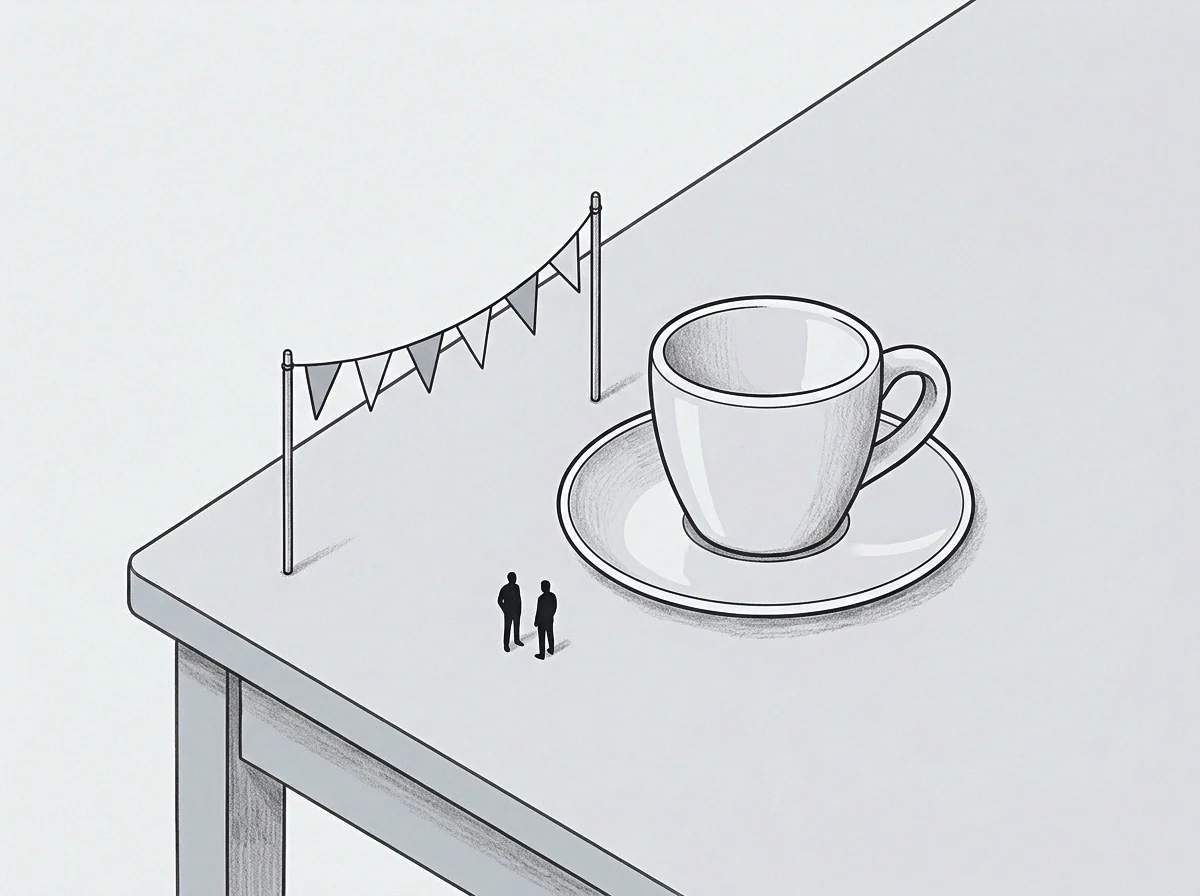
Where Does Corporate Immunity Yield to Cortical Arousal?
Statutory immunity shields private wealth without lowering circulating glucocorticoids. When an operator signs an operating agreement, the legal perimeter closes. The sensory perimeter remains wide open.
Every exception log routes directly to personal hardware. Threat appraisal circuitry activates continuously, keeping allostatic load high.
Under formal corporate severance, third-party operational proxies absorb frontline telemetry. Designated site reliability engineers, automated escalation trees, and customer support leads receive raw system notifications. The founder receives batched summaries during designated operational windows.
This boundary matches sensory intake to the statutory insulation already established on paper.
The corporate charter limits shareholder liability, but only a signed operational service level agreement containing strict personal telemetry blackout clauses protects biological longevity.

Valve
Restoring biological homeostasis requires installing operational valves between company telemetry and personal devices. The operator cuts the continuous digital pipe. Telemetry belongs to production monitoring systems, dedicated team escalation channels, and centralized logging tools.
It does not belong on personal handsets, bedside tables, or private communication threads.
Gating incoming data preserves cognitive headroom. An operator establishes precise parameters: error rates below predetermined thresholds stay in centralized logs; routine customer inquiries route to support personnel; financial transactions batch into a single morning financial report. System exceptions must reach critical existential thresholds before bypassing operational filters to alert executive leadership.
A system operating without an incoming telemetry valve transfers every machine friction directly into the founder adrenal cortex.
Gating changes the daily physical environment. The phone ceases to chime at midnight. The diurnal cortisol curve recovers its steep downward evening slope.
Deep sleep returns as the brain detects a prolonged absence of immediate survival cues. The operator steps out of persistent adrenocortical overdrive, gaining the cognitive capacity required for long-horizon enterprise governance.

Establishing Structural Telemetry Boundaries
Implementing an operational valve involves mechanical actions. The operator logs out of production alert channels on personal mobile devices. Monitoring platforms transfer primary on-call responsibilities to trained operational staff or contracted response teams.
Production systems generate a single morning summary detailing system health, cash flows, and operational escalations. The morning summary occupies one fixed time slot on the calendar.
Physical separation reinforces digital boundaries. Computing terminals stay inside dedicated work areas. Private hours remain free of operational displays.
The body relearns that absence of immediate telemetry does not indicate impending commercial death.
Severing the data stream at the router resets the endocrine system to biological baseline.