
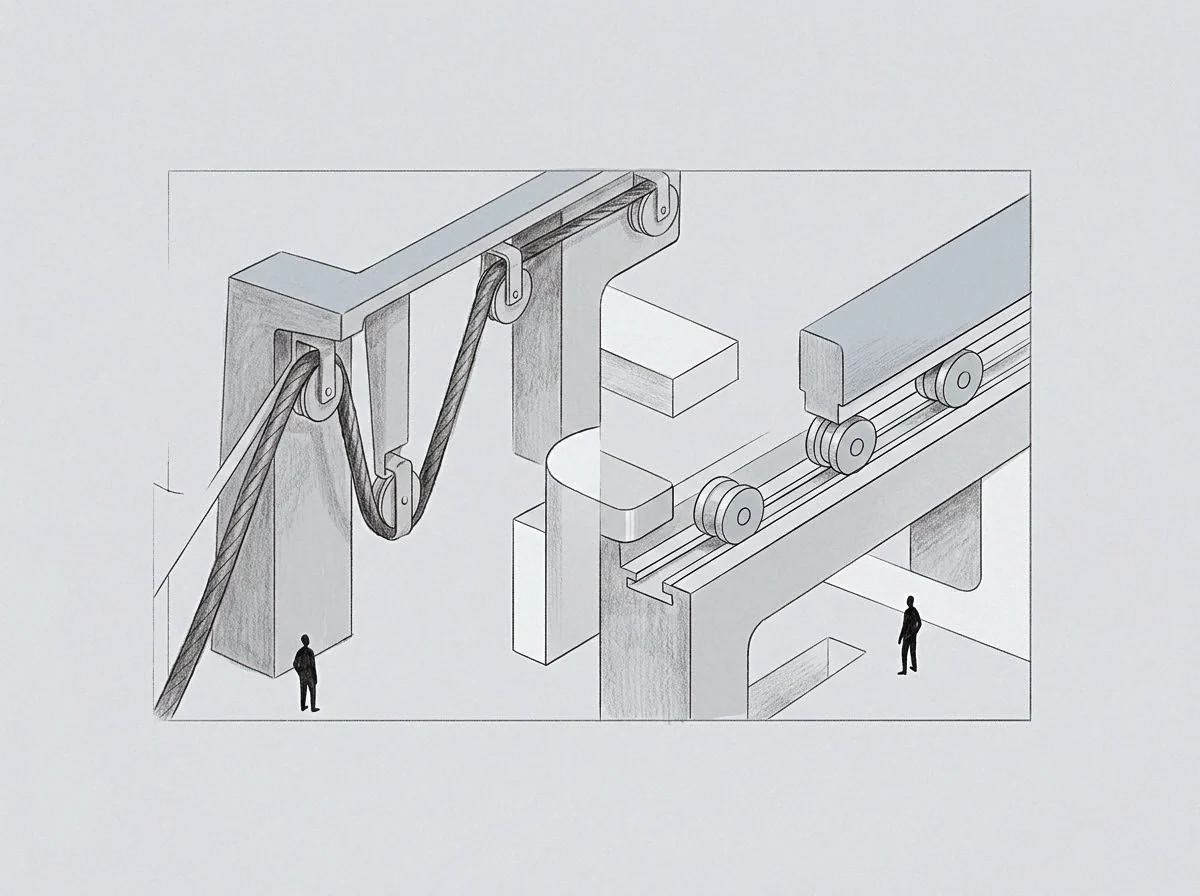
Attentional Residue and Memory Decay in Operations
Uncompleted task switches leave cognitive capacity attached to prior context, degrading working memory and introducing execution errors in active operations.
Uncompleted task switches leave cognitive capacity attached to prior context, degrading working memory and introducing execution errors in active operations.
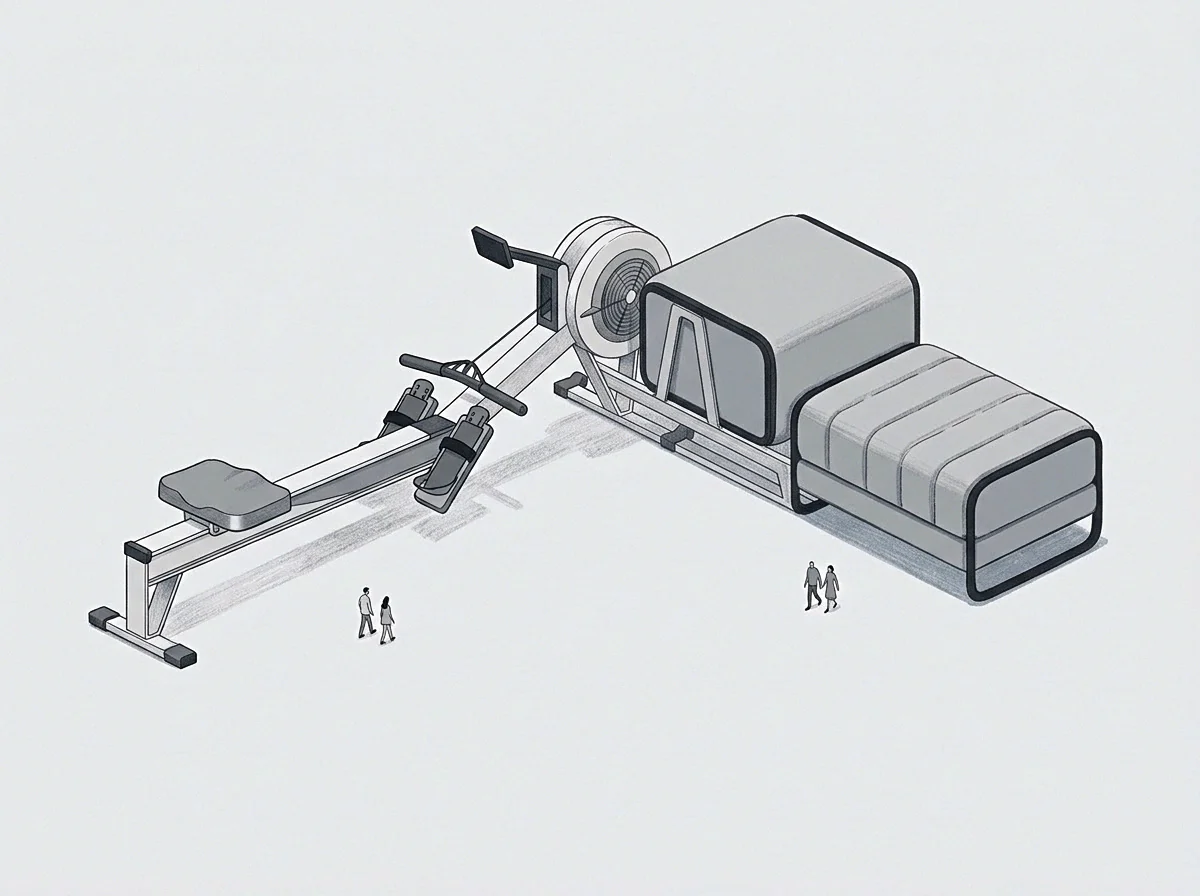
Executive throughput bottlenecks occur when centralized clearance rights outpace processing capacity, requiring explicit state gated delegation thresholds.
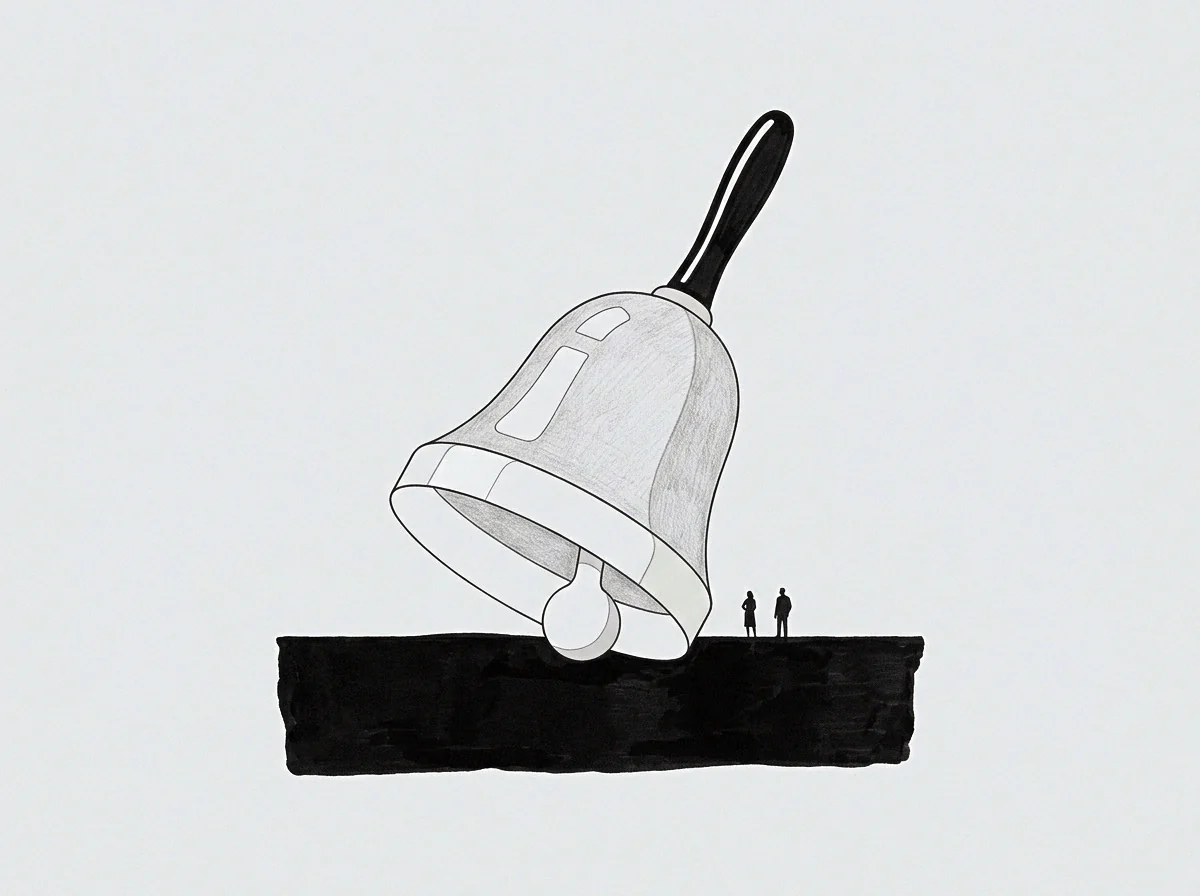
Social baseline theory demonstrates that human brains delegate threat regulation to trusted peers, lowering metabolic costs while increasing load on leaders.

Stating concrete operational limits shifts decision accountability to middle management layers before executive cognitive reserves deplete.

High-growth corporate systems collapse when individual operational capacity replaces explicit governance terms to absorb continuous transactional throughput.

Derived availability protocols lower allostatic load across high pressure teams by replacing manual interruption triage with deterministic latency rules.
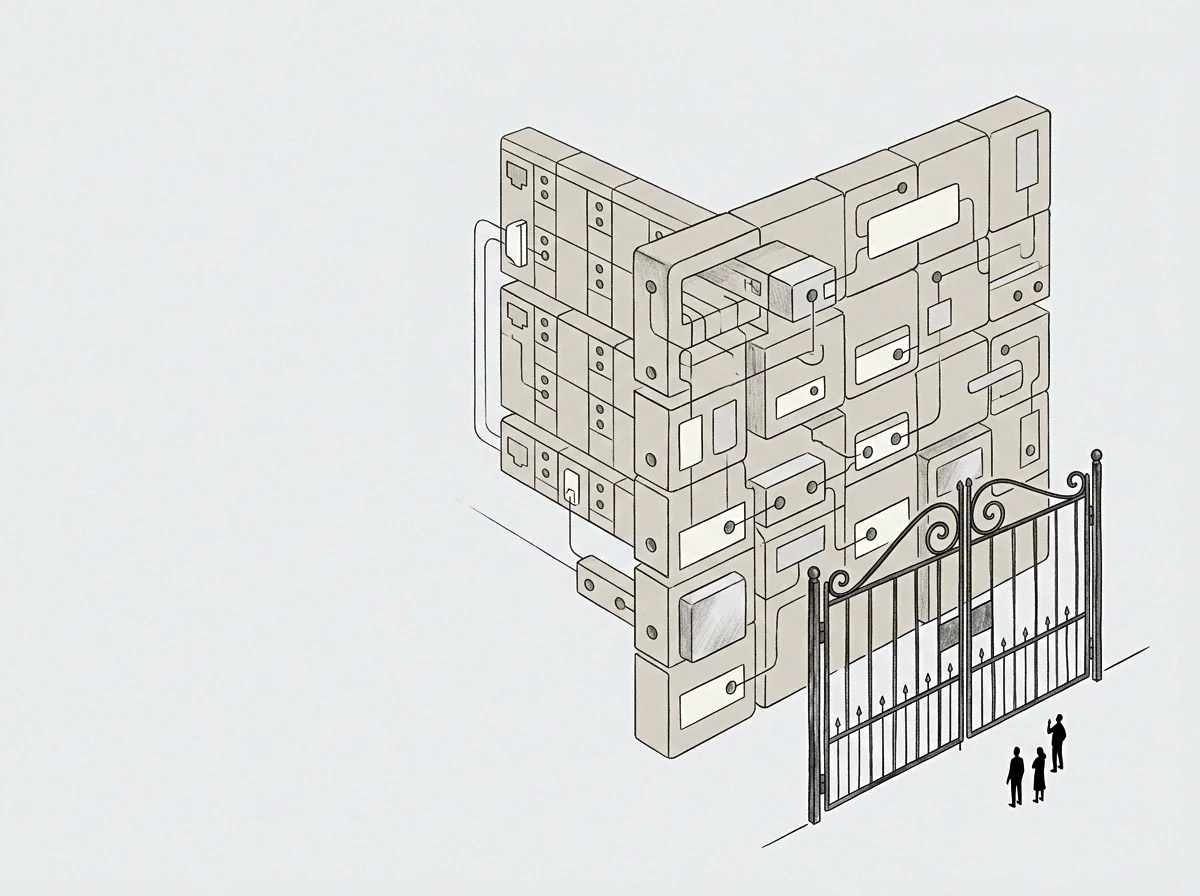
Physical proximity to a regulated partner lowers baseline autonomic threat expenditure by allowing the central nervous system to outsource environmental monitoring.
The terms are written where they belong. Each field holds three desks, and every entry a desk writes raises the terms it uses, each term given a meaning, a mechanism and the places it appears. The record on these pages stays first person and hand made; the fields grow the nomenclature.