

Operational Escalation Routing During Unplanned Volumetric Scaling
Automated backpressure and state-gated escalation routing protect engineering capacity during unexpected volumetric spikes by shedding non-critical operational load.
Automated backpressure and state-gated escalation routing protect engineering capacity during unexpected volumetric spikes by shedding non-critical operational load.

Executive tenure contracts incorporate structural co-regulatory mechanisms to lower autonomic load and prevent decision degradation in isolated leaders.
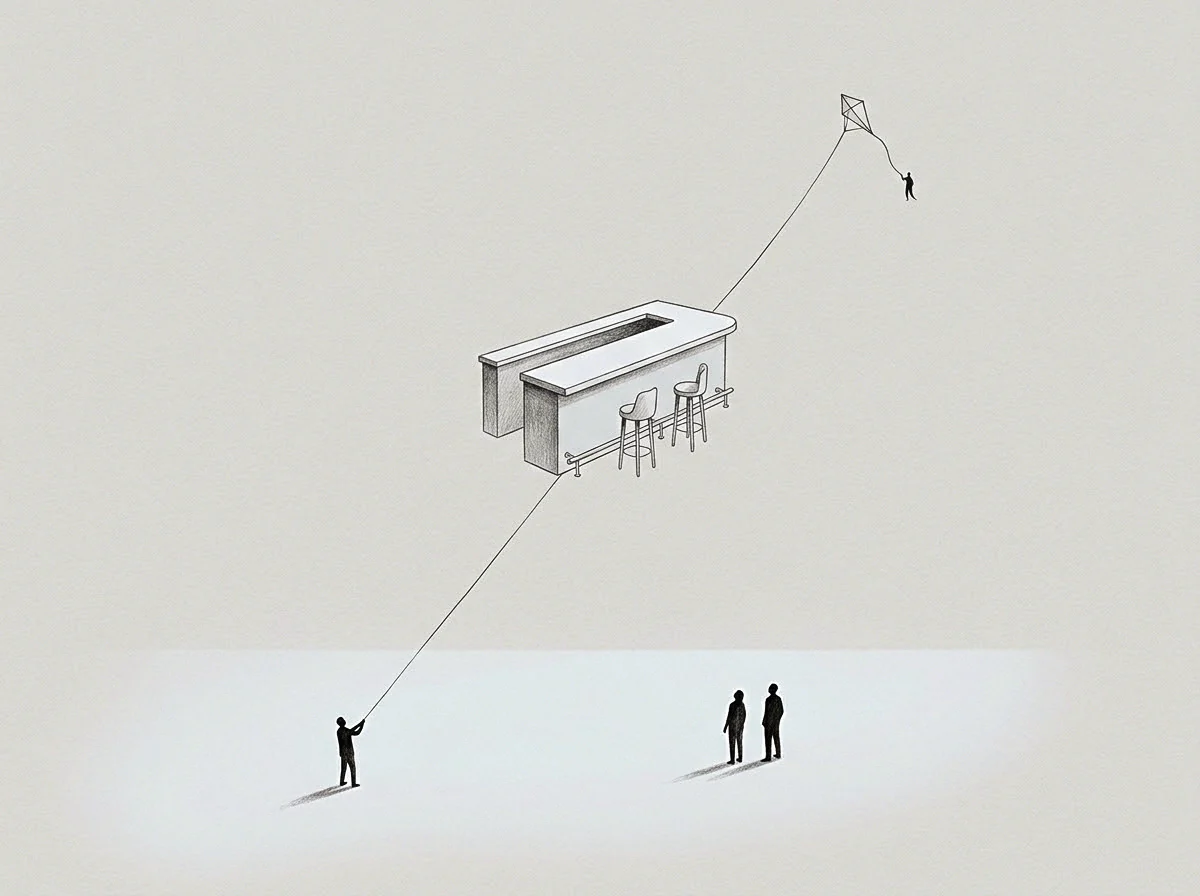
Contractual stated terms transform subjective capacity boundaries into objective operational walls that regulate incoming operational load automatically.

Continuous high load forces physiological throttling to protect core throughput, requiring structural gating of open loops to prevent systemic capacity failure.

Executive capacity throttling protects overloaded working memory by dropping novel synthesis while preserving structured execution, differing from clinical depression.

Structural capacity under investor consent rights is preserved by replacing ad hoc approvals with explicit contractual thresholds and budget carve-outs.

Threshold gated governance interfaces convert prospective administrative obligations into deterministic state-triggered executions, eliminating mental tracking load.
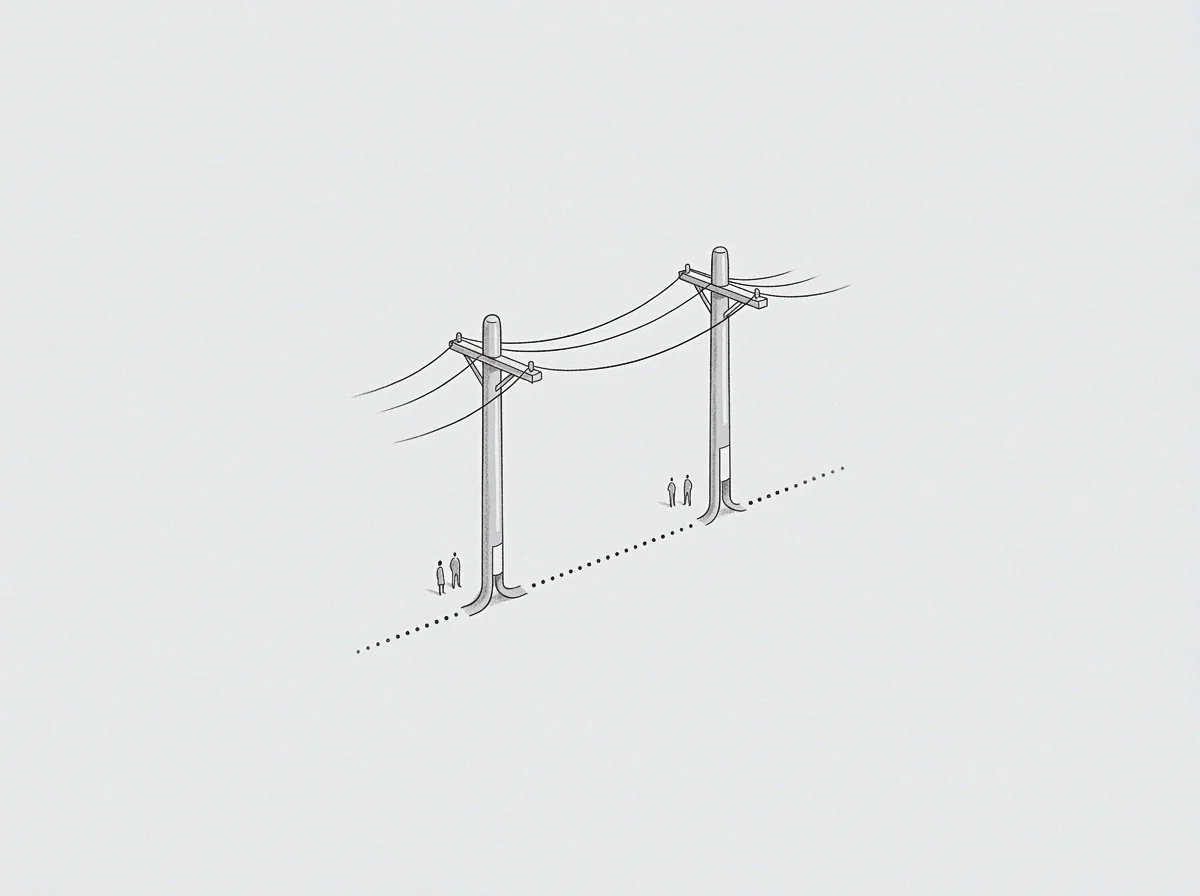
Chronic leadership stress suppresses cardiac vagal tone; quantitative recovery protocols use biometric tripwires to restore prefrontal decision bandwidth.

Working memory buffers fail predictably under high concurrency because unclosed operational loops demand continuous prefrontal rehearsal.

Prolonged executive overload downregulates prefrontal glucocorticoid receptors, breaking stress inhibition; recovery requires strict thread gating to restore receptor sensitivity.

Reconciling exploratory branches with fixed deadlines requires quarantining unhardened code while extracting verified specifications for subsequent releases.

Stated concurrency limits restrict context switching across isolated operational threads to prevent cross-stream allostatic load accumulation.

Human working memory holds four active incident threads maximum before context switching forces automatic drop of operational state data.

Uncompleted task switches leave cognitive capacity attached to prior context, degrading working memory and introducing execution errors in active operations.

Ungated relational loops consume working memory slots, elevating allostatic load and triggering protective operational throttling under pressure.

Operational concurrency limits trigger protective task throttling, whereas clinical major depressive episodes reflect a systemic breakdown of affective regulation.

Decoupling executive function from desensitized receptors shifts operational control from neuroendocrine arousal to external substrates and mechanical protocols.

System throttling is an adaptive physiological down-regulation caused by allostatic overload, distinct from clinical depression's neurochemical failure.

Prefrontal concurrency collapses when ungated active threads exceed working memory slots, forcing executive throttling that standard metrics misdiagnose as depressive fatigue.
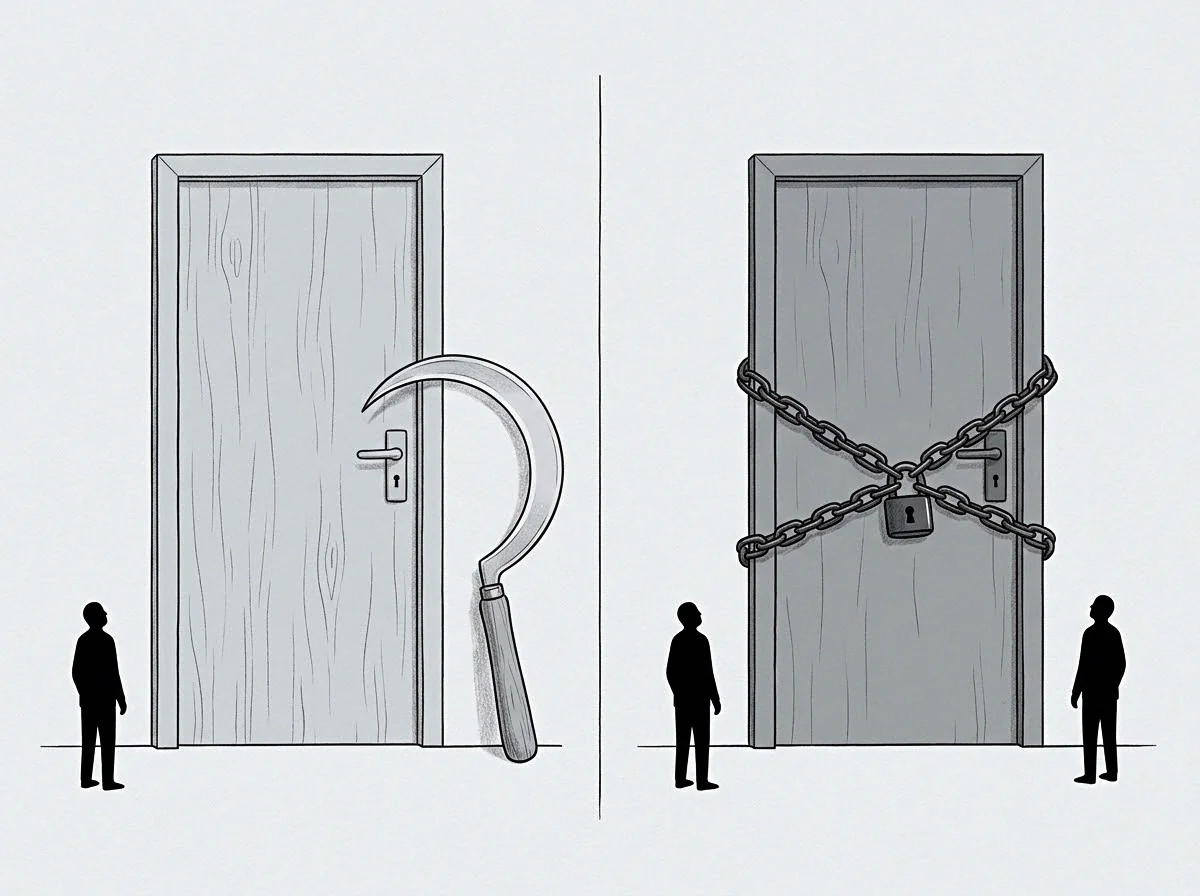
Complex governance contracts consume executive working memory through state monitoring, reducing cognitive headroom available for operational execution.

Systemic availability limits are derived directly from explicit governance terms that convert operational pressure into structural resistance.

Allostatic load accumulates when an individual acts as an unbuffered regulatory dampener for surrounding anxiety, exhausting personal biological reserves.
The terms are written where they belong. Each field holds three desks, and every entry a desk writes raises the terms it uses, each term given a meaning, a mechanism and the places it appears. The record on these pages stays first person and hand made; the fields grow the nomenclature.