
Autonomic Nervous System Recovery Markers Across Persistent Asynchronous Work Demands
Persistent asynchronous work demands suppress nocturnal vagal recovery markers through continuous background vigilance and unbroken adrenergic tone.
Signal
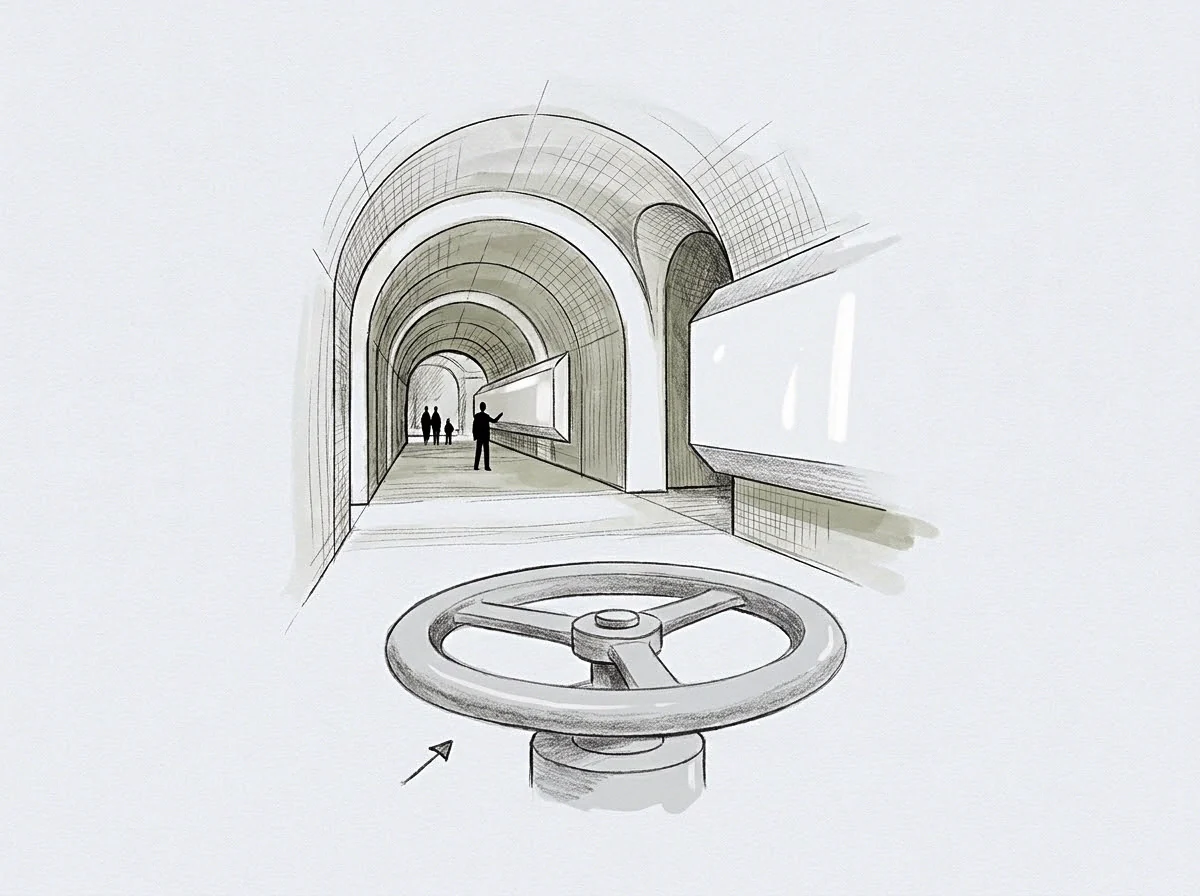
A silent terminal receives four messages across forty minutes past midnight. The display stays dark, yet the cardiac interbeat interval shortens within ninety seconds of the packets arriving on the host server. The physiological apparatus reacts to incoming load before the eyes ever register text on a screen.
Asynchronous communication relies on sustained background vigilance, keeping the autonomic nervous system in continuous readiness. When notification channels stay open, the organism treats the surrounding environment as unresolved territory. Parasympathetic reactivation requires clear cessation signals, which distributed systems systematically withhold.
Markers of autonomic recovery depend directly on vagal nerve signaling to the sinoatrial node. Heart rate variability tracks the millisecond shifts between consecutive heartbeats, recording the balance between sympathetic drive and parasympathetic braking. In a rested state, respiratory sinus arrhythmia produces broad swings in the interbeat interval as acetylcholine releases during exhalation.
Chronic asynchronous queues flatten these intervals. The high frequency band of heart rate variability contracts, signaling vagal withdrawal, while persistent low-grade adrenergic signaling prevents the heart muscle from dropping to true baseline resting rates during sedentary stretches.
A notification channel without a closed state keeps the vagal brake disengaged.
Continuous monitoring shows clear traces across the twenty-four-hour cycle. When work inputs arrive through unscheduled queues overnight, cardiac deceleration fails to materialize. A healthy baseline shows resting heart rate falling overnight alongside an increase in the root mean square of successive differences.
Background vigilance flattens this nocturnal trough. The root mean square of successive differences stays compressed through sleep, mirroring daytime cognitive load. The body cannot tell the difference between an unanswered message in an inbox and an active environmental hazard.
Baroreflex sensitivity provides a concurrent index of vascular autonomic competence. This reflex buffers blood pressure fluctuations by adjusting heart rate through autonomic pathways. Continuous asynchronous processing dampens baroreflex sensitivity, producing arterial rigidity and impaired vagal modulation.
The organism maintains vascular constriction to support executive focus, yet this constriction outlasts the active engagement, lingering while an item occupies the second slot on the working stack.
Whether nocturnal heart rate variability compression stems directly from anticipatory autonomic monitoring or secondary sleep architecture fragmentation remains an open question.
Wire

Continuous Input Queues and Adrenergic Tone
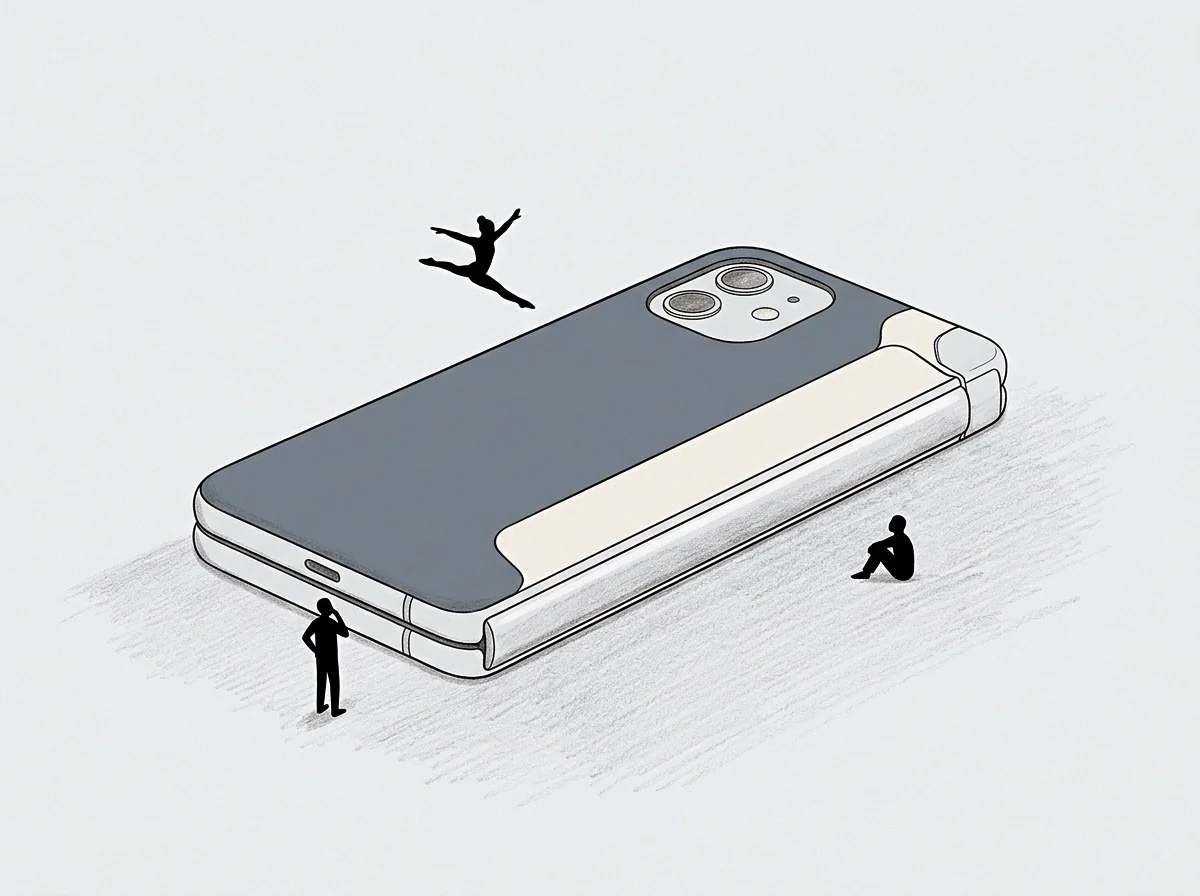
Physical communication conduits maintain an ongoing connection that shifts physiological baselines. The nervous system registers every latent conduit as an ungated thread. An ungated thread commands a discrete share of working capacity, pinning autonomic arousal above a baseline threshold.
The body supports this readiness by sustaining micro-elevations of cortisol and norepinephrine throughout daylight hours. Clearing catecholamines requires long pauses between cognitive tasks. Asynchronous platforms, however, deliver micro-stimuli at intervals shorter than the clearance half-life of peripheral epinephrine.
The metabolic cost compounds through repeated micro-arousals. Each incoming message triggers an orienting response that suspends restorative processes. Even without an immediate reply, the brain updates its predictive model of pending work.
The prefrontal cortex allocates attention to track the sender’s status, calculating turnaround times and reputational exposure. This computational effort sustains sympathetic preganglionic neuron discharge in the spinal cord, keeping vascular resistance elevated across the entire workday.
Nocturnal Autonomic Profiles
Sleep architecture exposes the wear of continuous inputs. Normal rest involves cycles of non-rapid eye movement sleep where parasympathetic dominance drives core temperature down and elevates cardiac vagal tone. Under constant asynchronous demands, deep slow-wave sleep diminishes while stage two light sleep expands.
Vagal tone stays suppressed, leaving cardiac output elevated above baseline resting parameters.
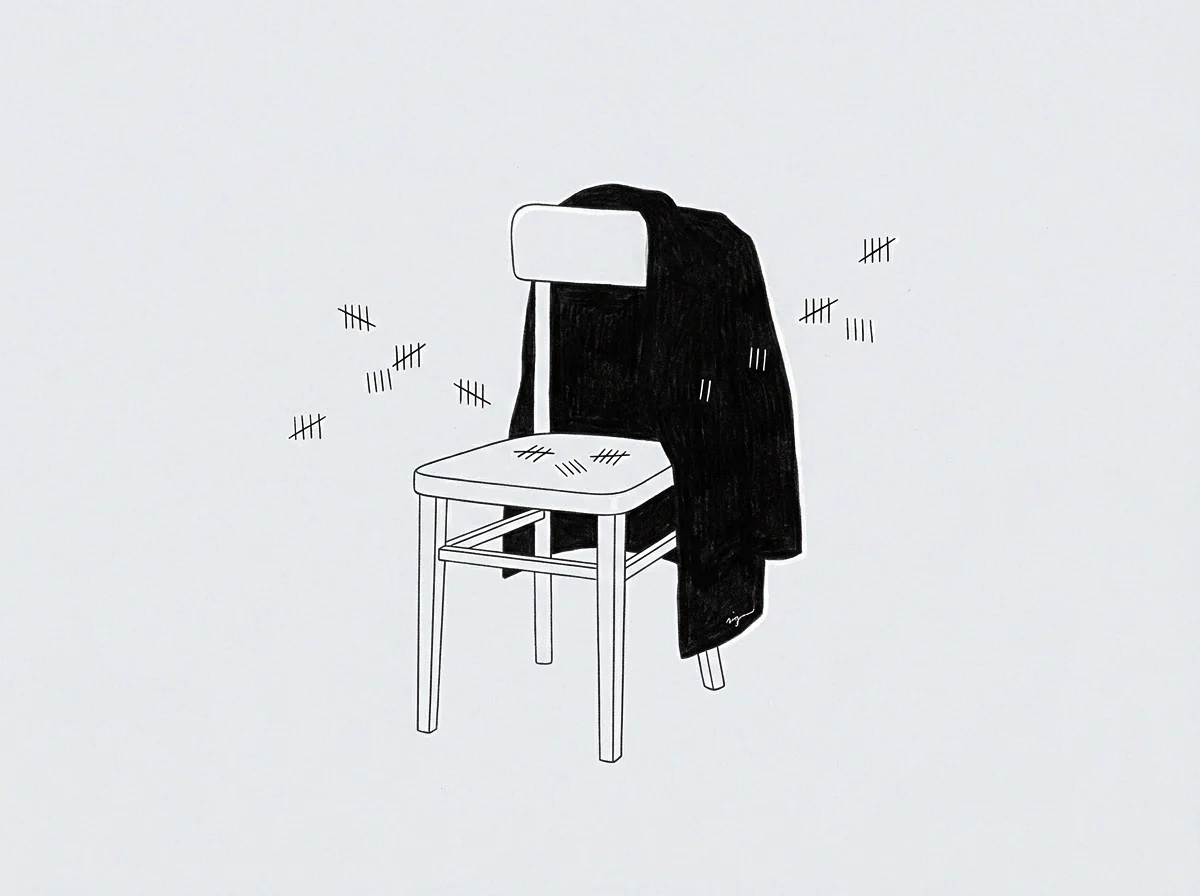
Polysomnographic recordings show frequent autonomic micro-arousals without full behavioral awakening. Heart rate accelerates dozens of times per night, driven by autonomic instability. These spikes track the subjective experience of unrefreshing sleep despite eight hours of physical rest.
The underlying physiology simply runs an uninterrupted daytime vigil.
The operational cost in working attention shows up as diminished executive capacity during subsequent working intervals.
Throttle

Differentiating Adaptive Throttling From Systemic Failure
Distinguishing active physiological throttling from structural failure dictates the appropriate intervention. A system running at capacity reduces non-critical allocations to preserve central processing integrity. Throttling is a protective down-regulation of responsiveness, designed to shield neural and endocrine tissues from damaging allostatic load.
Observers frequently mistake this state for depressive withdrawal or apathy. The throttled operator executes existing obligations with mechanical regularity while refusing novel inputs, selectively depressing energy expenditure to prevent receptor desensitization.
Systemic collapse presents differently. Collapse involves a breakdown in homeostatic regulation, marked by severe neuroendocrine exhaustion, flattened diurnal cortisol slopes, and chronic parasympathetic depletion. Throttling maintains functional regulatory machinery behind a defensive barrier.
When incoming demands stop entirely, a throttled system demonstrates a rapid rebound in vagal control. A collapsed system shows blunted autonomic responsiveness regardless of load removal.
A throttled system preserves its core machinery by restricting incoming peripheral connections.
The concurrency limit represents the maximum count of ungated operational threads a single nervous system can track at once. When asynchronous demands exceed this ceiling, the sympathetic nervous system triggers protective conservation. The operator experiences cognitive narrowing, emotional flattening, and reduced social engagement.
These reactions represent adaptive autonomic dampening rather than characterological deficits.
- Vagal withdrawal latency measures the elapsed seconds between input arrival and parasympathetic suppression. Shorter latencies indicate heightened anticipatory vigilance.
- Nocturnal root mean square rebound evaluates nighttime parasympathetic recovery capacity. Depressed rebound values expose allostatic wear across successive weeks.
- Baroreflex gain recovery charts the restoration of arterial pressure buffering. Compromised gain values reveal sustained vascular tone under persistent cognitive load.
When an operator works at capacity for long stretches, outbound communication slows down and becomes purely transactional.
Slate

Autonomic Marker Divergence Under Varying Communication Constraints
Contrasting synchronous interaction against asynchronous communication reveals divergent physiological impacts. Synchronous interaction produces acute sympathetic spikes followed by clear termination boundaries. The meeting ends, the room clears, and the vagal brake re-engages within thirty minutes.
Asynchronous interaction generates low-intensity, boundary-free sympathetic activation that persists across sixteen hours. The absence of definitive completion prevents autonomic downshifts, keeping cardiovascular and endocrine parameters elevated throughout the evening.
| Autonomic Marker | Synchronous Demand Baseline | Asynchronous Demand State | Physiological Implication |
|---|---|---|---|
| Root Mean Square of Successive Differences | High nocturnal elevation (45 to 65 ms) | Suppressed nocturnal elevation (18 to 28 ms) | Persistent vagal withdrawal during sleep windows |
| Nocturnal Heart Rate Nadir | Reached within three hours of sleep onset | Delayed until final hour of sleep onset | Impaired core metabolic deceleration |
| Low Frequency to High Frequency Ratio | Balanced sympathovagal ratio (1.2 to 1.8) | Sympathetic dominance (2.8 to 4.5) | Unresolved cognitive monitoring states |
| Baroreflex Sensitivity Gain | Rapid daytime recovery (12 to 18 ms/mmHg) | Blunted continuous gain (5 to 8 ms/mmHg) | Sustained peripheral vascular resistance |
The data demonstrates that asynchronous demands cause deep baseline suppression despite lower peak intensity. Synchronous meetings tax working memory acutely, yet discrete endings permit rapid homeostatic recovery. Asynchronous demands distribute load continuously, eliminating restorative pauses.
The cardiovascular system remains stuck in an intermediate operating state, unable to achieve genuine recovery.
This dynamic alters long-term endocrine regulation. Salivary alpha-amylase, an index of sympathetic nervous system activity, remains elevated into evening hours when asynchronous queues stay active. Concurrently, the evening cortisol curve loses its steep decline, flattening the diurnal rhythm.
The biological apparatus behaves as though the working day has no closing perimeter.
A stated protocol requiring explicit queue closures before eighteen hundred hours immediately lowers nocturnal resting heart rate by four beats per minute.

Notch

How Do Structural Boundaries Re-Engage Parasympathetic Tone?
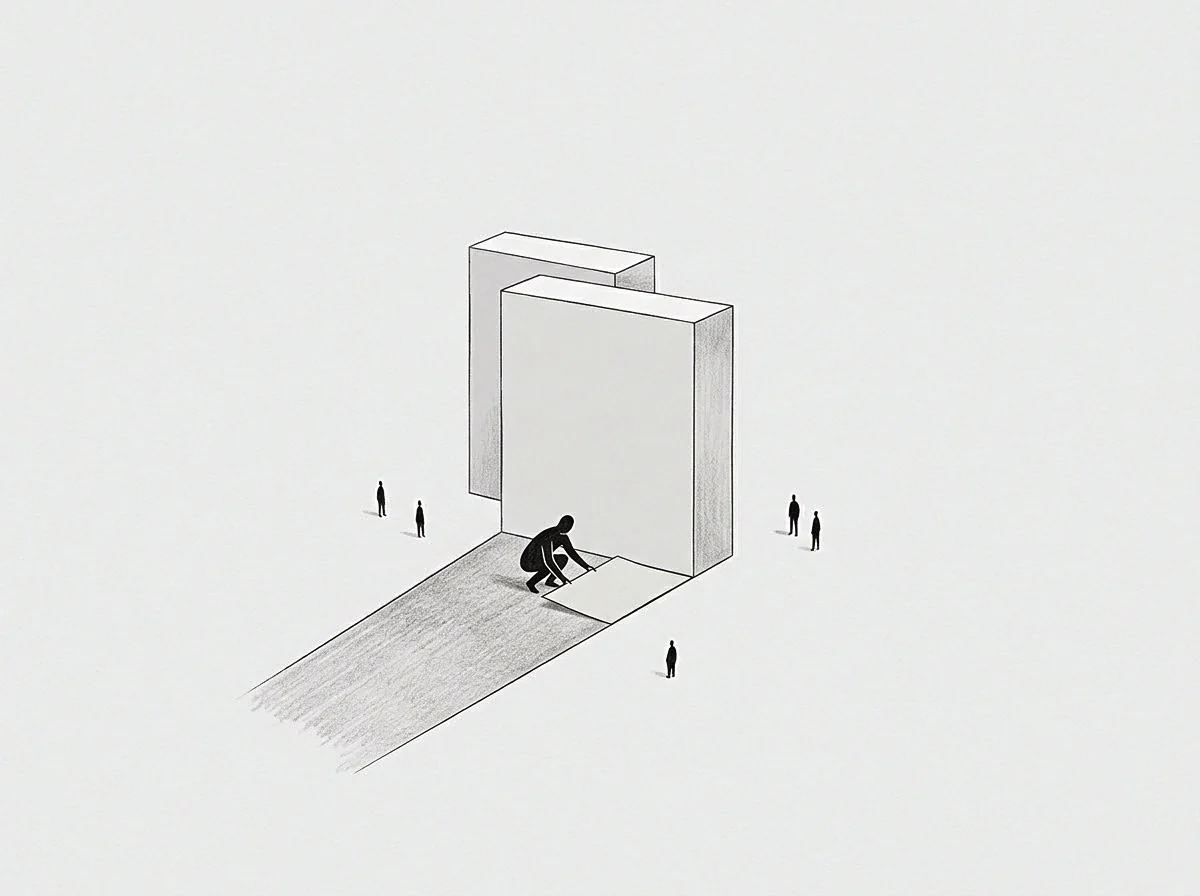
Re-establishing autonomic recovery markers requires environmental changes rather than cognitive reappraisal. The nervous system ignores deliberate intentions to detach when sensory inputs indicate live conduits. Structural gating eliminates anticipation by removing the technical capacity for transmission during recovery windows.
When a terminal is physically disconnected or network routing is paused, the central autonomic network registers genuine safety. Vagal outflow increases only after the possibility of incoming communication disappears.
Gating turns an open loop into a bounded event. A project channel left open around the clock occupies a permanent slot in executive working memory, sustaining sympathetic tone. The same project confined to a daily sixty-minute processing window frees up autonomic resources for the remaining twenty-three hours.
The difference comes down to predictability. Autonomic physiology handles high acute intensity provided the endpoint is certain. Indeterminate low intensity produces structural exhaustion.
Parasympathetic restoration begins only when the physical possibility of incoming demand ceases.
The restoration of the vagal brake follows distinct temporal dynamics once gating occurs. Peripheral norepinephrine concentrations fall within forty-five minutes of validated queue termination. Heart rate variability markers, specifically the high frequency power band, begin climbing within ninety minutes, signaling active parasympathetic modulation of cardiac tissue.
Full baroreflex sensitivity restoration requires three consecutive nights of gated rest, showing that vascular recovery lags behind cardiac pacing.
Organizations often resist structural gating due to perceived latency costs. The physiological evidence indicates that continuous availability degrades decision quality through chronic autonomic fatigue, producing compounding error rates that exceed the cost of queue latency. An operator working on compressed vagal tone makes risk-averse, defensive decisions designed to conserve cognitive energy.
Setting hard perimeter gates protects executive capacity by safeguarding nocturnal restorative architecture.
Autonomic recovery requires complete isolation from transmission channels for a duration twice as long as the uninterrupted work span.