Meaning
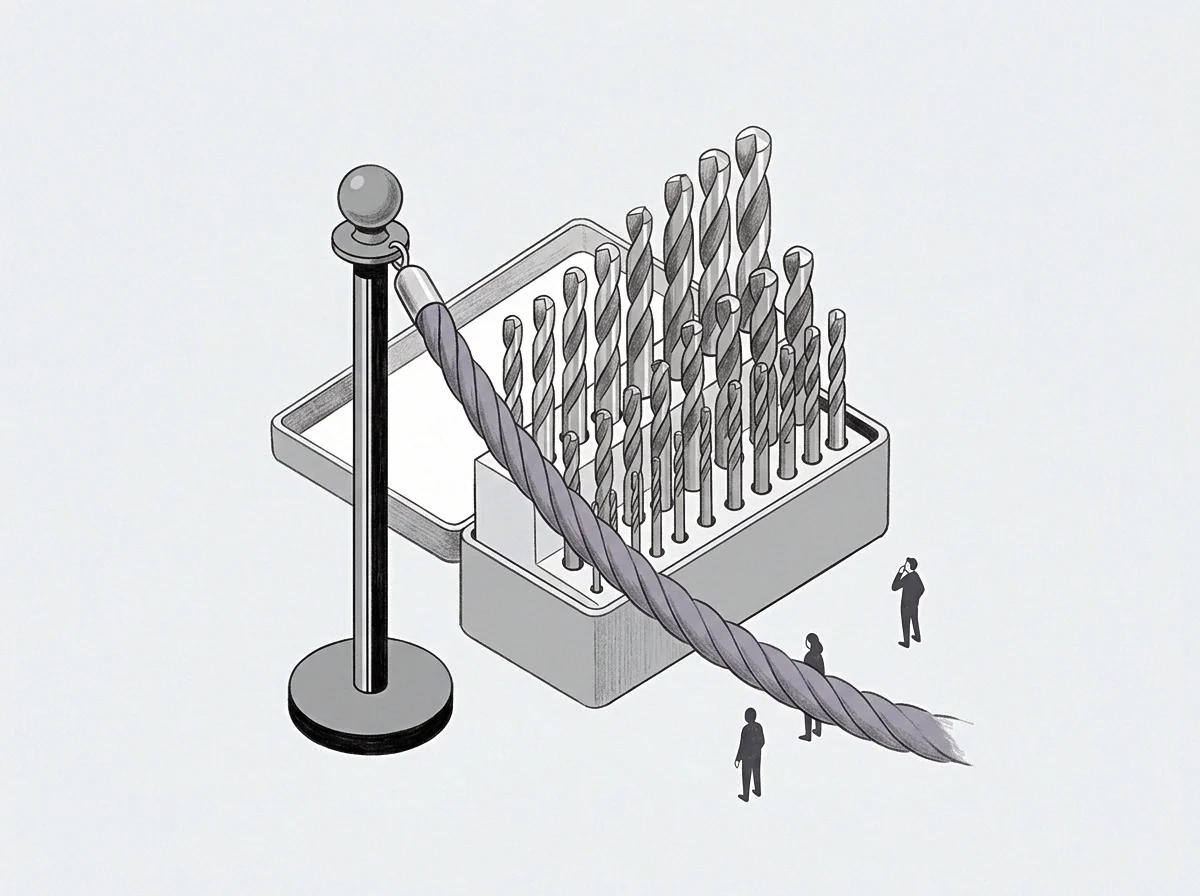
A cardiovascular regulation index quantifies the change in heart rate per unit change in blood pressure, representing the efficiency of the autonomic feedback loop that maintains hemodynamic stability. In demanding roles, tracking baroreflex sensitivity offers insight into how stress impairs the body’s natural pressure-regulation systems. This index is measured in milliseconds per millimeter of mercury, indicating the speed of heart rate adjustments.
The metric is constrained by intrinsic arterial stiffness and does not measure psychological stress directly.
Regulatory Mechanism
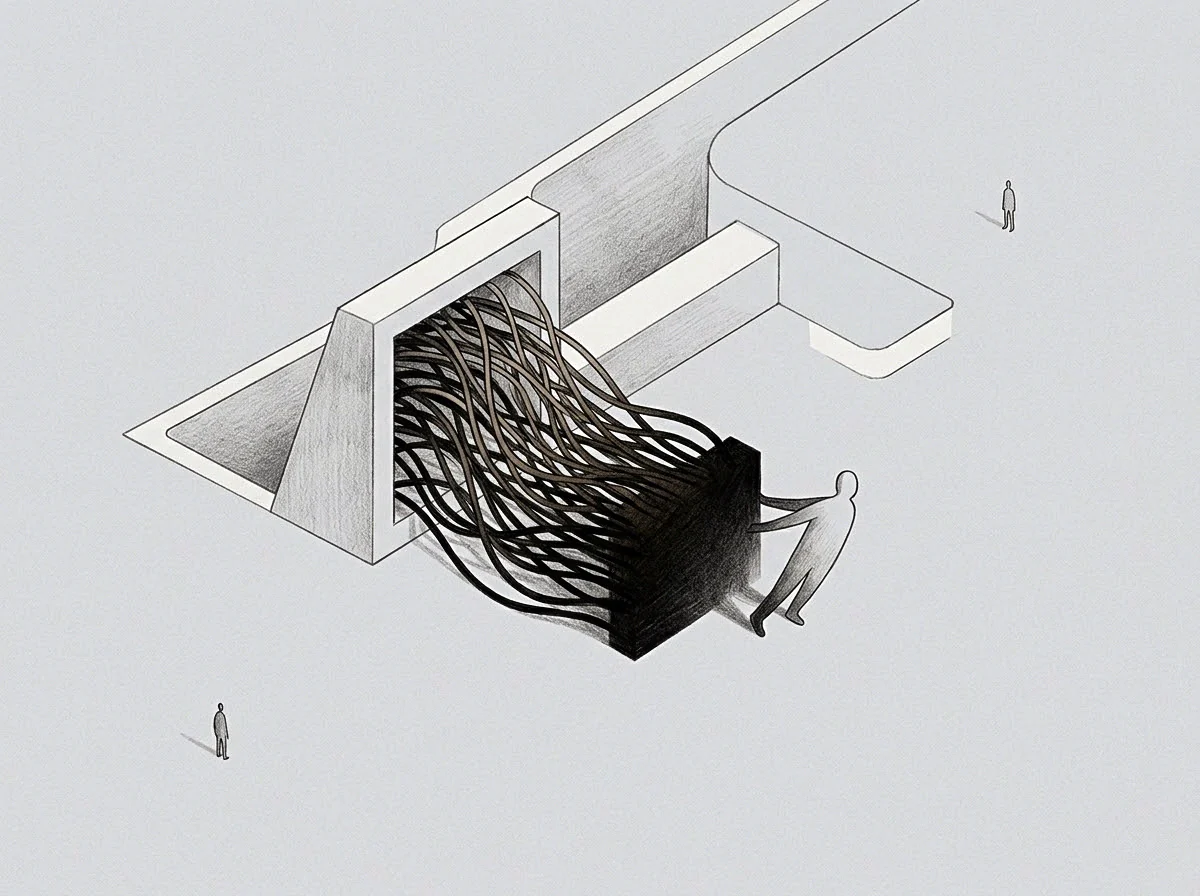
A feedback loop involving arterial baroreceptors continuously adjusts heart rate to buffer blood pressure fluctuations. High baroreflex sensitivity enables rapid compensation for pressure spikes caused by sudden cognitive load or physical repositioning. When the feedback loop is desensitized, the individual experiences larger swings in blood pressure during stressful encounters.
This mechanism ensures that blood flow to the brain remains stable under pressure.
Performance Depletion
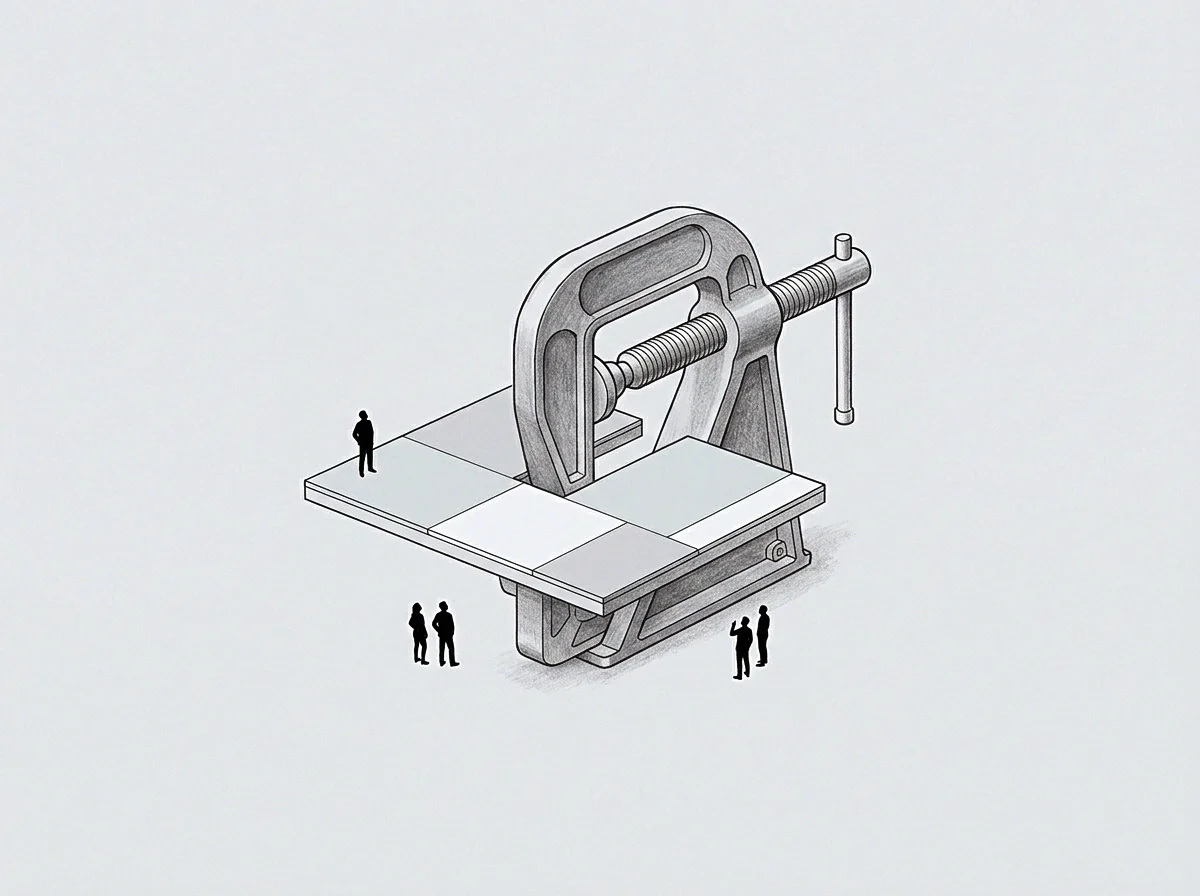
Cumulative stress and sleep deprivation degrade autonomic control, causing a measurable drop in cardiac efficiency. As baroreflex sensitivity declines, the physiological effort required to maintain concentration during long meetings increases. This exhaustion is measured in elevated cardiac load.
Operational Constraint
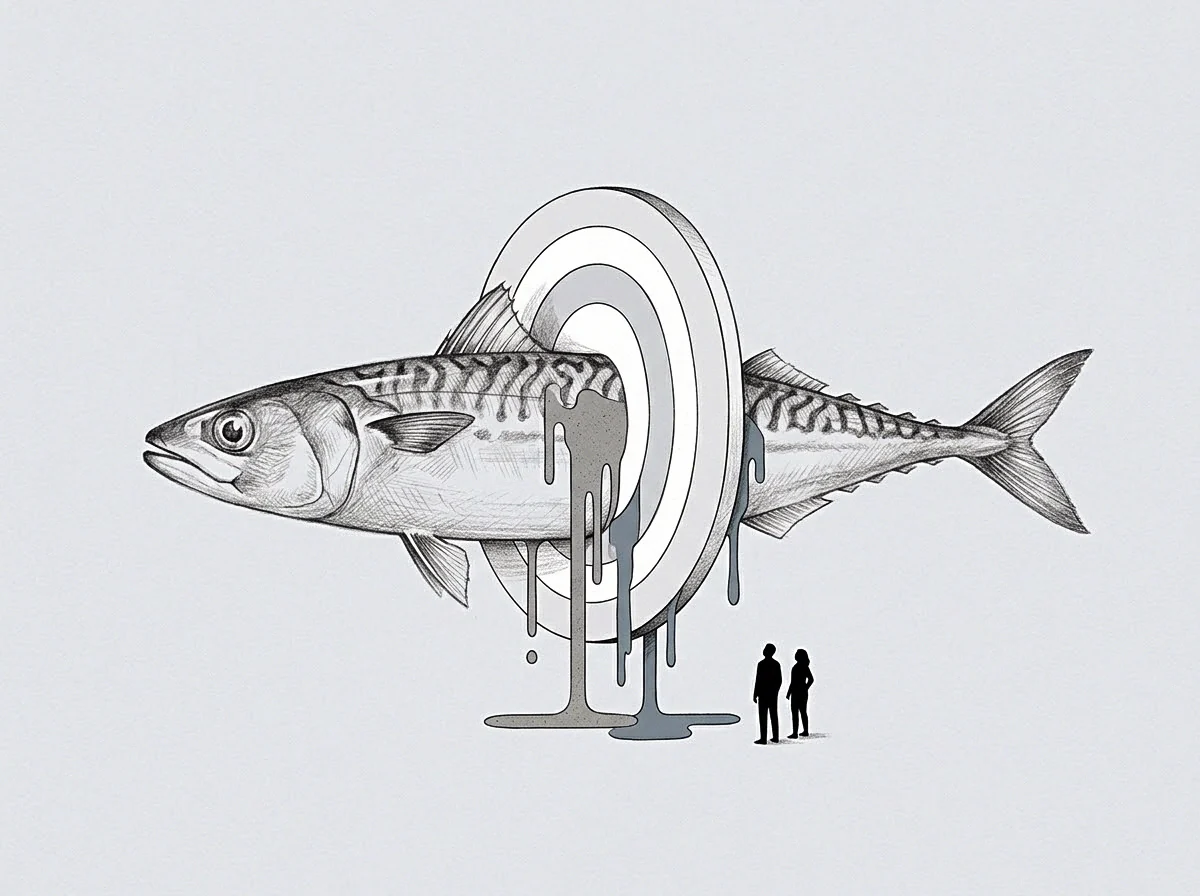
Chronic work pressure reduces the adaptability of the cardiac control system over time. Reduced baroreflex sensitivity persists even after short breaks if the baseline stress remains high. This constraint establishes the limit of sustainable workload.