
Endocrine Baseline Normalization Schedules Following Full Governance Risk Structural Insulation
Endocrine normalization lags structural insulation because peripheral steroid receptors require months of verified safety to recalibrate baseline feedback loops.
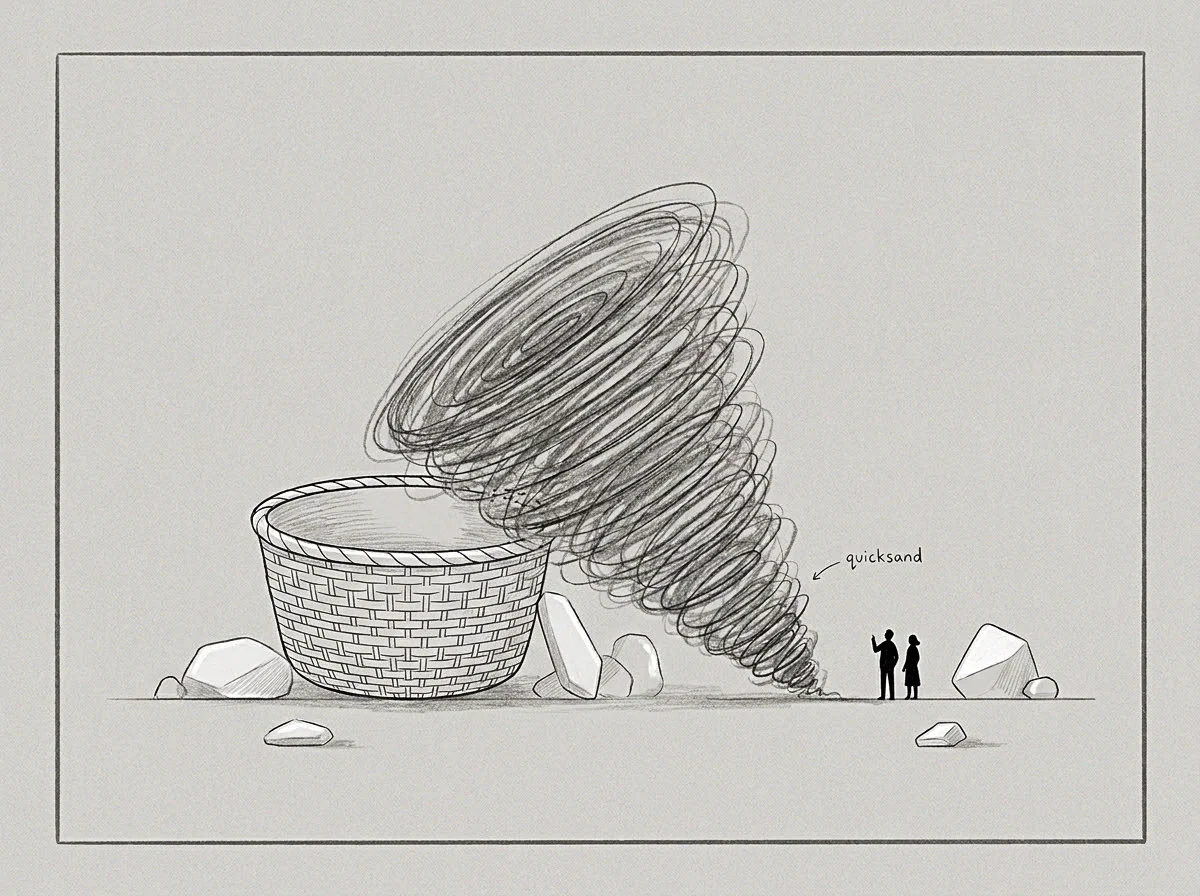
Shield
The indemnification deeds are executed, personal guarantees on operating leases stand revoked, and delegated authority resolutions transfer fiduciary liability to an independent management committee. The founder sits in an office where no regulatory subpoena, creditor claim, or direct personal exposure can land. Every contract maintains a clean perimeter.
Yet at three in the morning, heart rate stays at eighty-eight beats per minute, peripheral arterioles remain constricted, and the adrenal cortex secretes cortisol on an unaltered emergency rhythm. Legal exposure dissolved at signature, but the biological apparatus behaves as though the deposition begins at noon.
Corporate risk insulation alters legal liability instantly through contractual firewalls, but physiological systems possess no equivalent switch. When an operator spends thirty-six months under chronic fiduciary peril, the hypothalamic-pituitary-adrenal axis and sympathetic nervous system reorganize around uninterrupted threat suppression. The nervous system registers governance exposure as immediate survival.
Document-level threat removal leaves the somatic state fully mobilized, circulating catabolic hormones through tissues that have lost responsiveness to resting signals.
A structural firewall eliminates legal liability while tissue remains bathed in the chemistry of imminent disaster.
The error after structural insulation lies in expecting endocrine baseline recovery to mirror the legal calendar. Board sign-off takes seconds. Peripheral steroid receptor resensitization requires months of verified physical safety before baseline feedback loops re-establish their original set points.
The biological machinery continues burning high-grade glycogen to defend a perimeter contracts have already cleared.

Execution Signatures and Structural Severance
Structural insulation functions as an external gate. In standard governance architectures, the founder stands as the primary legal target for wage claims, intellectual property disputes, insolvency actions, and regulatory penalties. Carrying that exposure drains specific working capacity.
Every incoming message registers as a potential liability vector, forcing the adrenal glands into continuous micro-adjustments of cortisol and epinephrine. That ongoing endocrine output preserves alertness at the direct expense of vascular elasticity and cellular repair.
Severing this exposure involves three distinct governance instruments: comprehensive director indemnification backed by independent escrow, complete transfer of operational officer status to licensed managers, and the formal extinction of personal asset pledges. Once these three conditions settle, administrative queries stop presenting existential risk. The legal exposure drops to zero, though that zero exists exclusively on paper.
When an irrevocable trust structure replaces personal asset pledges, the immediate operational result is the formal removal of statutory liability from the individual desk.
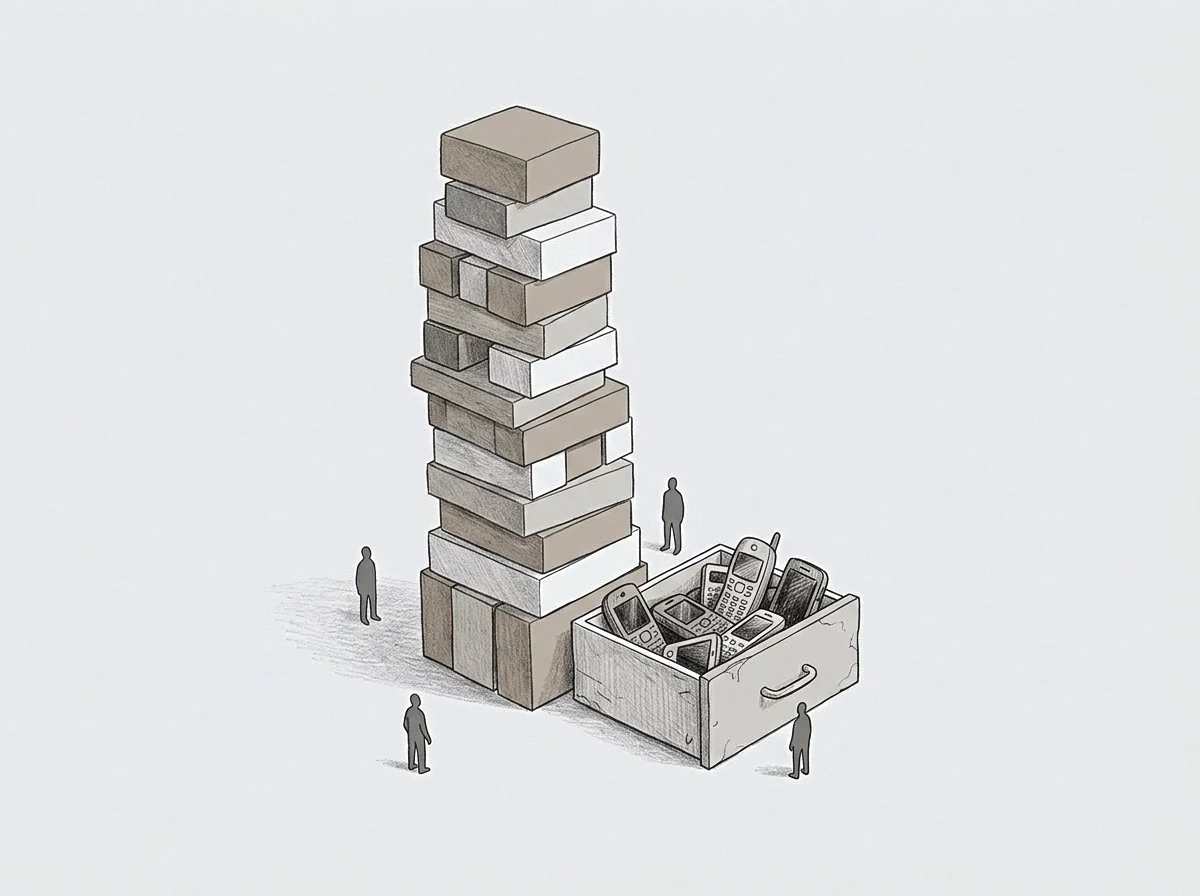
Room
The physical space changes immediately when governance insulation takes effect, as the secondary phone line stops sounding and the calendar empties of emergency litigation calls, insolvency consultations, and audit interrogations. For the person who held the seat, the resulting silence feels heavy. Sensory inputs fall off while somatic tone remains wound tight, the body interpreting sudden operational stillness as the quiet before an ambush.
Sleep architecture shows this mismatch with mechanical regularity. During acute fiduciary exposure, hypercortisolemia maintains nocturnal vigilance, fracturing slow-wave sleep and suppressing rapid eye movement phases. Once structural insulation closes, founders often expect unbroken sleep to return overnight.
Instead, early morning awakenings accelerate. The adrenal glands continue executing their programmed dawn surge, elevating blood glucose for confrontations that no longer appear on the calendar.
- Vigilance drift persists as hyperarousal in low-stimulus environments, prompting the operator to scan innocuous corporate filings for hidden legal claims.
- Sympathetic lock maintains high peripheral vascular resistance despite normal daytime readings, leaving hands and feet cold during neutral board meetings.
- Somatic pacing prompts involuntary muscular tension across the neck and diaphragm throughout hours meant for rest, leaving the chest braced against impact.
The nervous system requires physical evidence of safety rather than legal declarations. A contract remains in a binder while the brain stem reads posture, respiratory rate, and the volume of incoming administrative alerts. When incoming communication halts abruptly, regulatory circuits treat the vacuum with suspicion, sustaining defensive hormonal output until prolonged low-threat periods confirm the absence of risk.
A silent room registered by an adrenalized nervous system reads as an impending strike.
Emptying the schedule immediately after structural insulation accelerates systemic strain. Sudden withdrawal of operational friction removes the counterweight against which the operator paced neuroendocrine output. Stripped of tactical targets, hormonal drive turns inward, generating restless pacing, irritability, and autonomic confusion as unspent reserve occupies the morning hours.
Filling the calendar with replacement venture projects to burn off this somatic excess compounds neuroendocrine exhaustion and risks deeper cardiovascular strain.
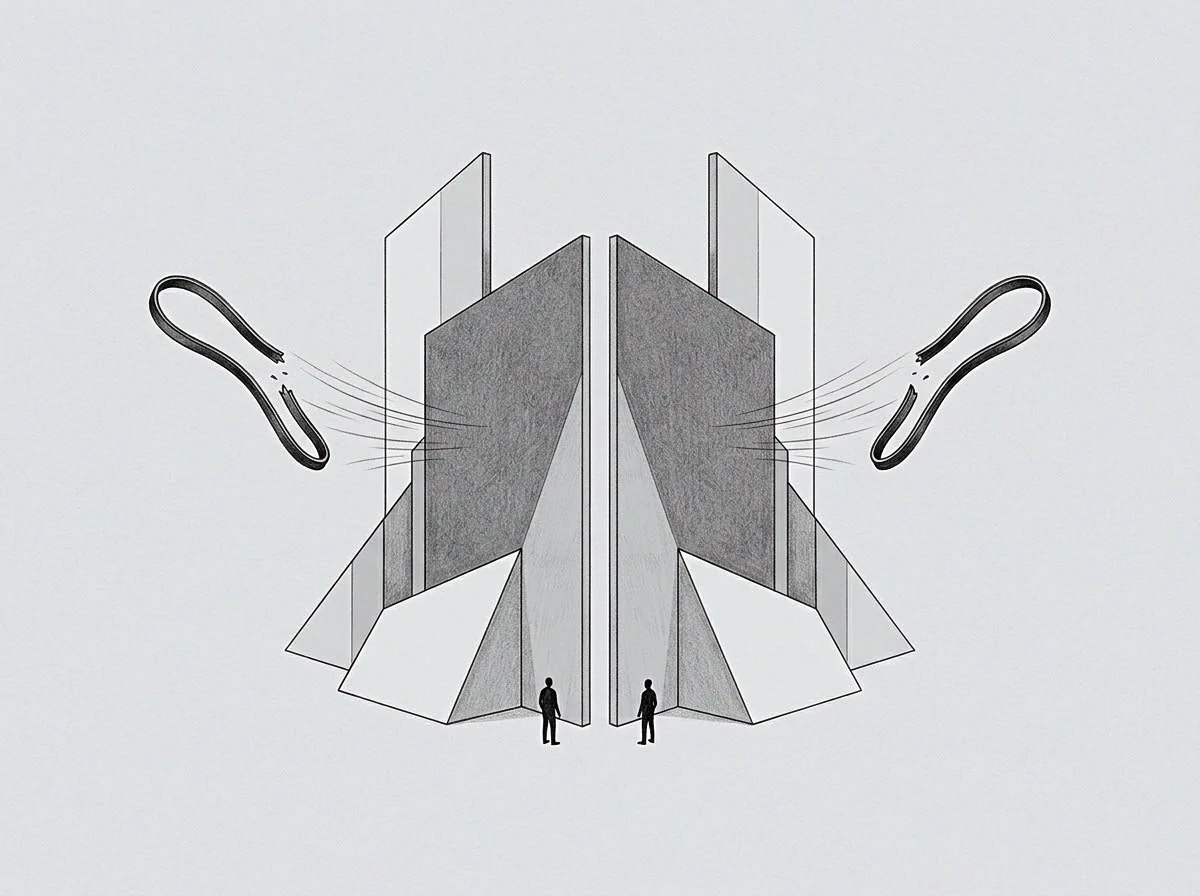
Lag
Endocrine recovery follows a non-linear decay curve governed by negative feedback kinetics. The hypothalamic-pituitary-adrenal axis operates through receptor density distributed across the hippocampus, hypothalamus, and pituitary gland. Sustained elevation of circulating glucocorticoids downregulates these glucocorticoid receptors to shield neurons from excitotoxicity.
When a legal threat clears, circulating adrenocorticotropic hormone drops slowly because central feedback sensors remain desensitized.
Cortisol clears from the bloodstream with a half-life of roughly ninety minutes, but resetting central glucocorticoid receptor density requires twelve to twenty-four weeks. During this interim window, the pituitary continues signaling for adrenal output on slight ambient provocation. A minor administrative notification triggers an endocrine response calibrated for an existential regulatory freeze.
The biological lag remains structural, physical, and predictable.
Laboratory findings across chronic occupational stress populations illustrate this hysteresis. Salivary cortisol curves taken during active governance crises exhibit a flattened diurnal profile, with elevated evening cortisol and a blunted morning awakening response. Measuring that awakening surge isolates the regulatory system under zero external load.
Salivary cortisone and free cortisol levels show that three months post-insulation, the diurnal curve remains largely flat, taking months to re-establish its peak-to-trough amplitude.
Feedback receptor density resets on biological timescales that ignore corporate transaction dates.
The table below outlines the physiological transition stages following full structural governance insulation, based on longitudinal endocrine profiles observed across executive cohorts undergoing ownership separation without operational continuity.
| Recovery Phase | HPA Axis Status | Autonomic Tone | Receptor State | Functional Presentation |
|---|---|---|---|---|
| Decoupling (Weeks 1 to 4) | Elevated basal cortisol | Sympathetic overdrive | Downregulated GR | Nocturnal vigilance and restlessness |
| Trough (Weeks 5 to 16) | Hypocortisolemic crash | Parasympathetic rebound | Partial resensitization | Severe fatigue and cognitive slowing |
| Oscillation (Weeks 17 to 32) | Erratic morning spikes | Mixed autonomic tone | Regenerating MR and GR | Variable daily energy and low latency |
| Settling (Weeks 33 to 52) | Restored diurnal curve | Homeostatic balance | Normalized receptor field | Stable capacity and sustained focus |
The transition between decoupling and the trough marks a major inflection point for the founder. As circulating catabolic hormones finally drop, underlying cellular exhaustion surfaces. Tissues operating on adrenaline reserves find their metabolic substrate depleted and glycogen stores low.
Thyroid conversion rates alter, reducing active triiodothyronine to enforce systemic rest, leaving the operator abruptly incapacitated.
The rate of mineralocorticoid receptor normalization depends on baseline capillary density and the prior duration of sleep restriction, leaving it unclear whether complete autonomic resilience fully returns to pre-crisis parameters.
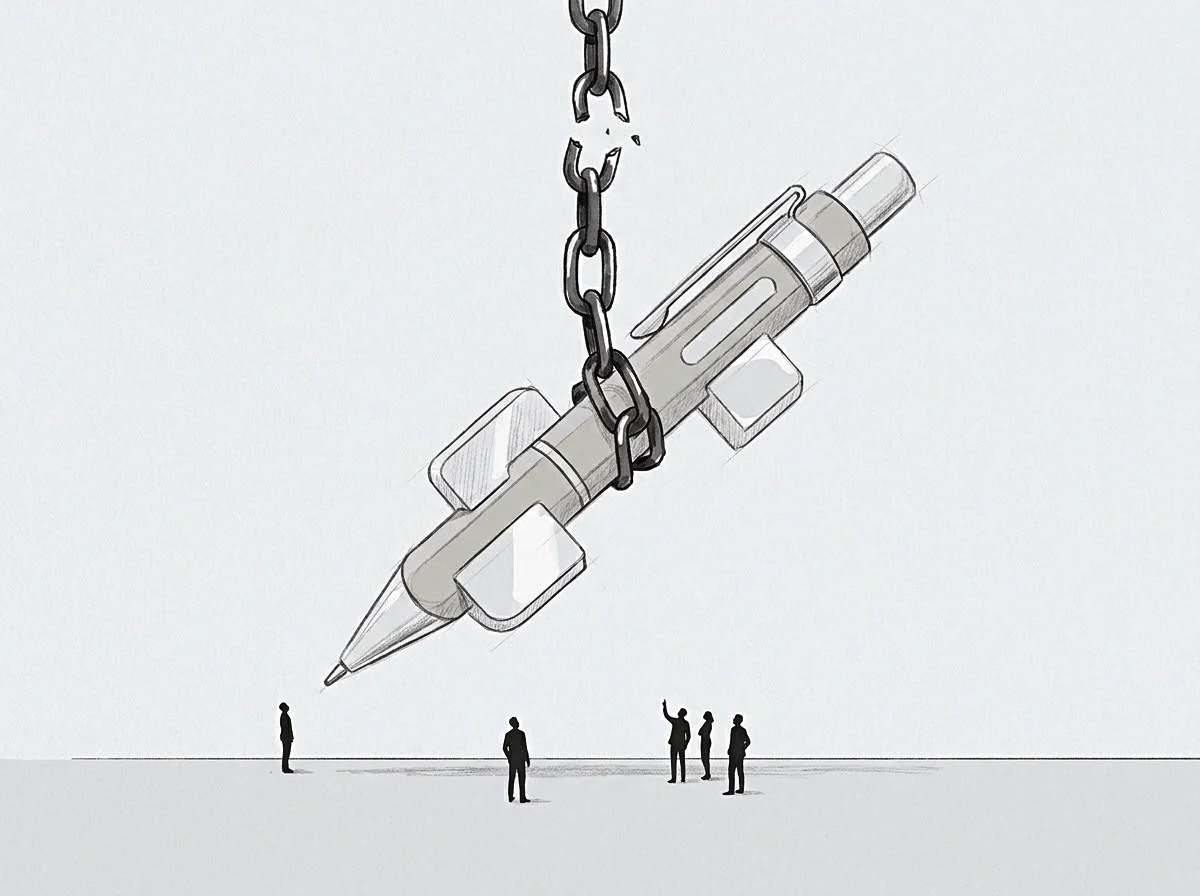
Trough
The drop into hypocortisolemia often arrives without warning around the sixth week post-insulation. The founder wakes to find that getting out of bed requires heavy effort: muscle tone feels flaccid, mental processing speeds drop, and routine logistics feel unmanageable. For years, elevated catecholamines and glucocorticoids masked cumulative systemic wear.
With the structural firewall holding and hormonal output crashing, the physical capacity cost of past governance strain reveals itself.
This state is routinely misread as clinical depression. Practitioners observe low affect, motor retardation, sleep alterations, and loss of initiative, often prescribing selective serotonin reuptake inhibitors. That assessment mistakes a throttled endocrine system for a neurotransmitter deficit.
In practice, the shutdown operates as a protective biological brake, cutting off self-initiated projects to preserve organ integrity and replenish metabolic substrate.
Does Peripheral Receptor Sensitivity Reset Automatically?
Receptor sensitivity resets through sustained exposure to lower hormone concentrations while the pituitary pauses stimulation during target organ recovery. The adrenal cortex atrophies slightly under sustained high-dose ACTH exposure, decreasing in physical volume. Rebuilding that cellular architecture requires time and raw material: cholesterol, ascorbic acid, pantothenic acid, and continuous circulatory perfusion.
Distinguishing endocrine throttling from psychiatric disorders rests on three objective physical criteria:
- Postural blood pressure response indicates aldosterone status, showing orthostatic drops upon standing rather than the stable cardiovascular metrics typical of unipolar affective disorders.
- Stimulus reactivity demonstrates preserved motivational capacity, where the individual responds clearly to genuine external emergencies while struggling to generate momentum for optional tasks.
- Metabolic rebound pacing shows distinct functional improvement following single periods of solid caloric intake and deep sleep, whereas depressive presentations maintain flatter affect across variable nutritional states.
The throttled state protects the organism from self-inflicted damage. When an operator attempts to bypass this phase using stimulants, high-dose caffeine, or intensive physical exertion, the biological brake engages more forcefully: the adrenals fail to respond, peripheral conversion of thyroid hormones halts, and chronic inflammatory markers climb as the immune system, released from cortisol suppression, surges with reactive cytokines.
The escrow account confirms the legal severance is settled, even as the founder exhibits the physical presentation of post-operative recovery.
Pacing
Baseline normalization requires deliberate metabolic gating. While structural insulation protects against external liabilities, internal pacing guards against premature autonomic re-engagement. If an operator treats the post-insulation phase as an immediate opportunity to rebuild, launch new vehicles, or manage complex private investments, the recovering neuroendocrine axis fractures under the load.
The biological envelope allows zero surplus capacity during the trough.
The normalization schedule runs in quarters rather than days. The first ninety days serve physiological clearance alone, requiring self-directed goals to remain at zero. Cognitive work needs tight boundaries: brief durations, explicit ending points, and no open-ended risk.
The calendar operates not as a scheduling tool, but as a physical barrier against incoming demands.
Capacity returns in direct proportion to the rigidity of the gates built around waking attention.
Every open loop consumes metabolic capacity. Even a minor unresolved personal negotiation or unvetted private investment costs the neuroendocrine axis an ongoing pulse of vigilance. Structural insulation ultimately requires operational quarantine: the founder delegates administrative, financial, and personal maintenance to third parties operating under explicit, non-discretionary mandates, retaining zero decision rights over active disputes.
Physical movement during this restoration period must avoid glycolytic exhaustion. Long, low-intensity walking rebuilds parasympathetic tone without triggering hypothalamic alarm, whereas high-intensity training drives cortisol production and prolongs the lag phase. Nutrition must prioritize blood glucose stability to lift glycemic stress off an adrenal system unable to handle counter-regulatory swings.
Predictability remains the primary requirement.
An insulated operator rebuilds capacity only by calibrating physical exertion to the current hormonal floor rather than to newly acquired legal freedom.