Meaning
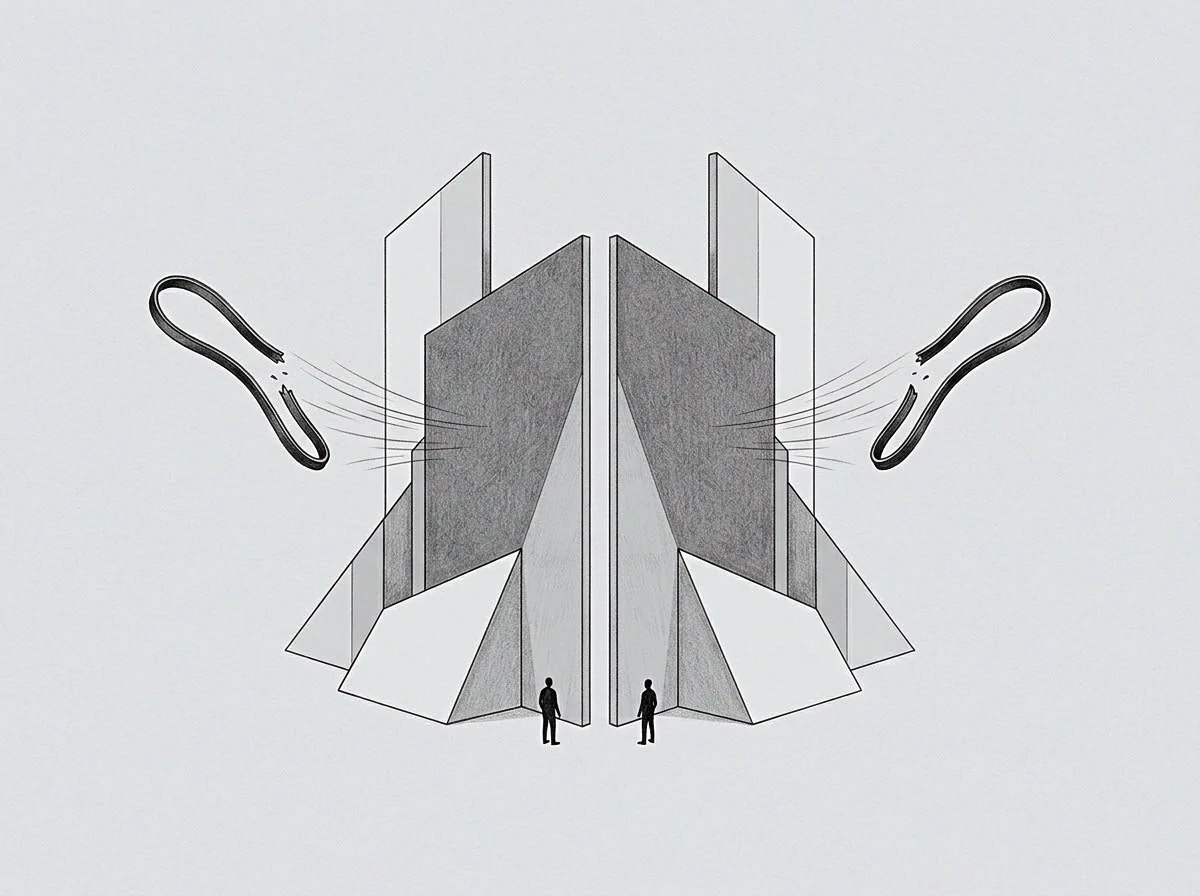
Muscle tension and physiological arousal remain present in the body even when it is in a resting state. This level of somatic tone indicates how well the nervous system balances tension and relaxation during periods of inactivity. A healthy system returns to a low state of readiness when threat levels subside.
Physiological State
Chronic startup stress keeps the sympathetic nervous system continuously active, preventing deep relaxation. A persistently high somatic tone manifests as tight muscles, shallow breathing, and elevated blood pressure. This chronic state of preparedness depletes physical energy reserves and disrupts sleep.
Over time, the body forgets how to relax, which leads to chronic pain and cardiovascular strain.
Cognitive Connection
The brain interprets high physical tension as a sign of ongoing danger, which prevents mental rest. This feedback loop between body and mind makes strategic thinking and emotional regulation difficult. Removing the physical tension is necessary to restore cognitive clarity and reduce anxiety.
Recovery Practice
Gentle movement and deep breathing exercises help lower muscle tension and signal safety to the brain. Regular practice reduces somatic tone and allows the nervous system to transition out of its defensive state. This physical shift is necessary for long-term health and mental recovery.