
Heart Rate Variability Shifts After Leaving Enterprise Management Roles
Leaving enterprise management triggers a delayed vagal tone rebound as the nervous system processes the reduction of ungated open loops.
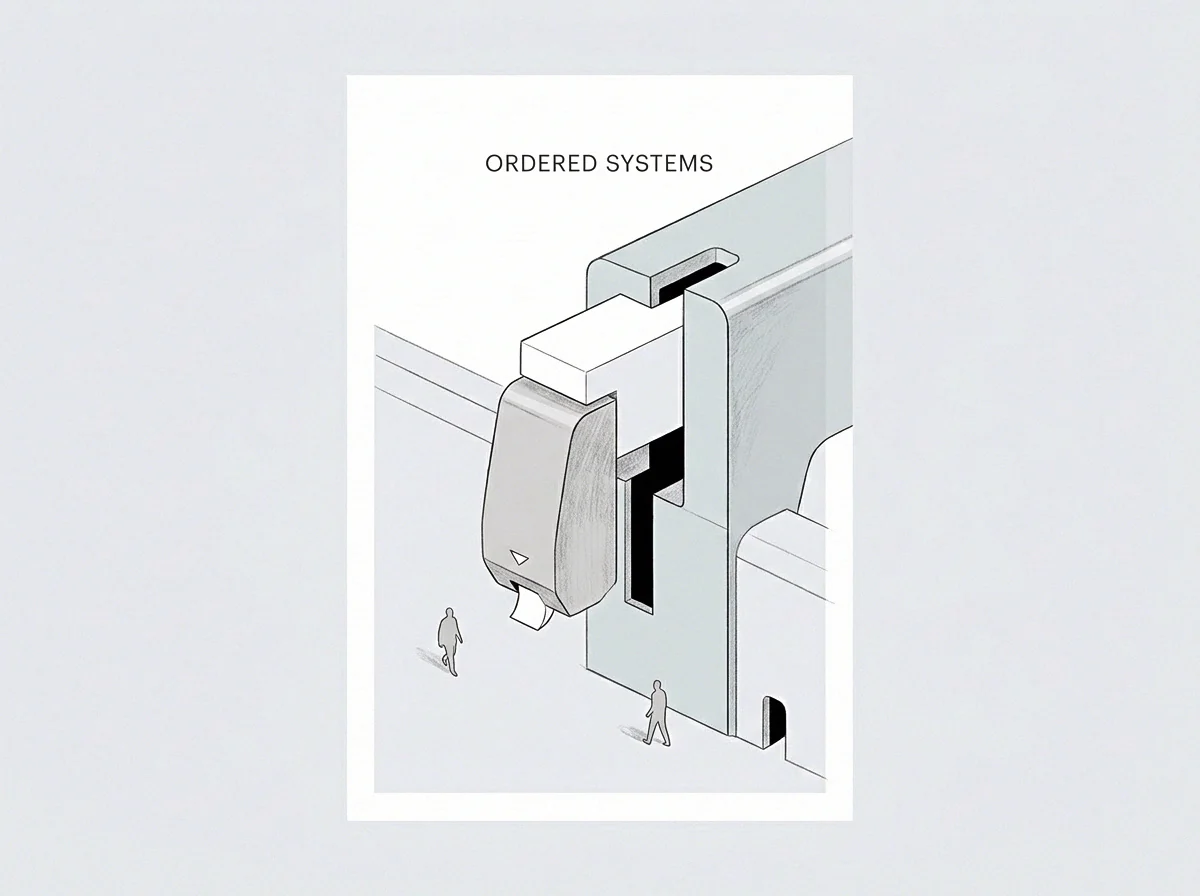
Tension
Enterprise leadership positions enforce continuous sympathovagal suppression through open operational accountability. Constant responsibility for capital allocation, board inquiries, and organizational restructuring keeps the sympathetic nervous system persistently engaged, establishing chronic sympathetic dominance across an executive tenure.
In an unstrained autonomic nervous system, sympathetic activation during immediate demands alternates with parasympathetic recovery during rest. The central autonomic network, directed through the prefrontal cortex, regulates cardiac pacing via the vagus nerve. Under continuous executive demands, prefrontal activity stays focused on threat appraisal and decision-making, blunting vagal activation and keeping heart rate variability suppressed.
Prolonged operating demands shift baseline autonomic tone well before an executive registers fatigue. The resting cardiac rhythm turns uniform and fails to respond to normal respiratory cycles. Biomarkers show suppressed root mean square of successive differences (RMSSD) alongside flattened high-frequency power values, where cardiac unresponsiveness reflects depleted regulatory reserves under persistent operational friction.
Chronic sympathetic elevation depresses high-frequency heart rate variability whenever open operational threads remain ungated.
Years spent under high arousal reset arterial baroreceptors to accommodate elevated resting vascular pressures, leaving the subcortical networks managing vigilance perpetually engaged.

Autonomic Baseline Under Enterprise Load
Longitudinal tracking of corporate officers shows that managing simultaneous operational priorities depresses parasympathetic tone across waking hours and overnight sleep. Unlike acute physical exertion, which triggers temporary drops in HRV followed by direct recovery, corporate administration introduces irregular, unbuffered disruptions. The cardiovascular system settles into sustained readiness, resisting short-term recovery intervals.
This persistent tone alters cardiac responses to standard cognitive tasks. Routine strategic adjustments trigger outsized sympathetic spikes, and recovery intervals between events deteriorate. The physical outcome includes sustained blood pressure elevation, higher fasting cortisol, and a flattened diurnal cortisol curve.
Treating this sustained physiological state as routine operational drive leads operators to overlook the initial markers of autonomic exhaustion.
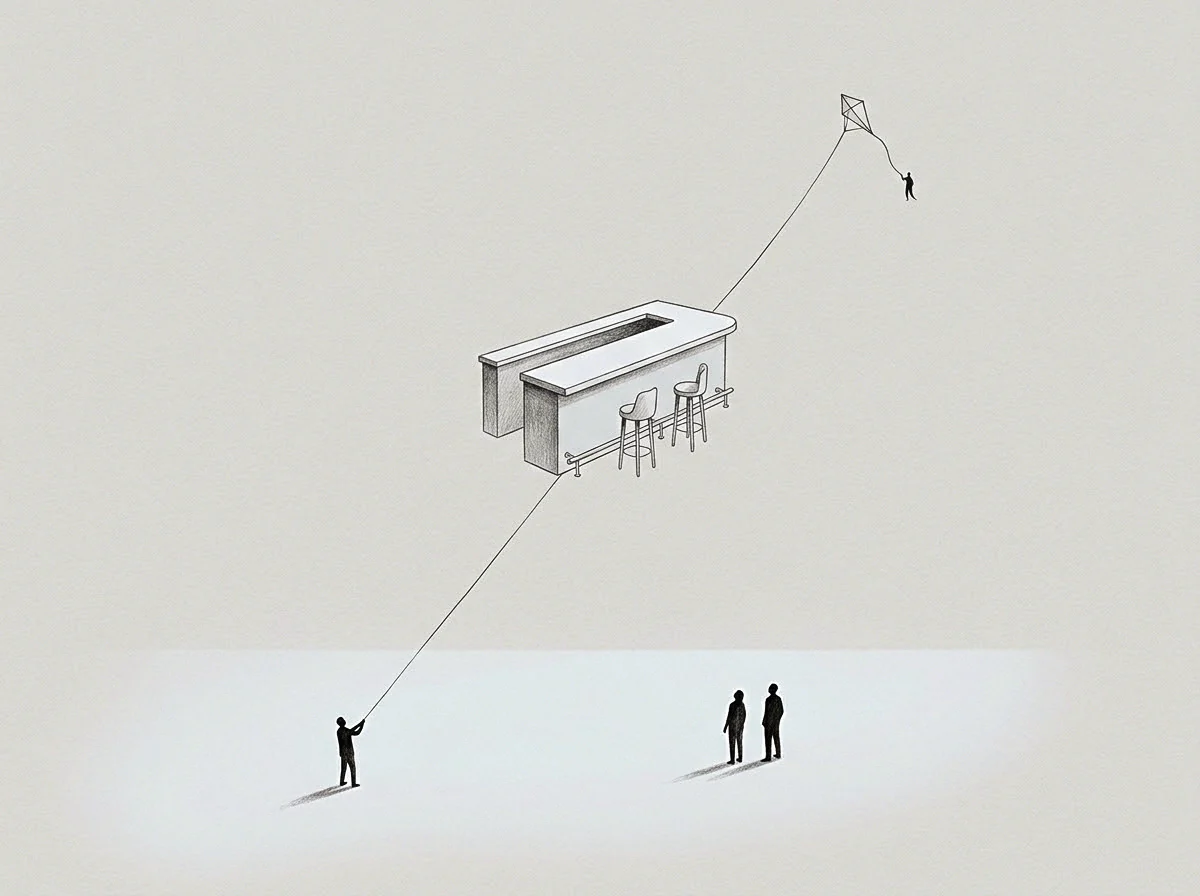
Desk
Leaving an executive post removes formal authority without producing immediate shifts in autonomic patterning. While vacating an institutional role causes an abrupt drop in external inputs, heart rate variability rarely rebounds on contact. Departing executives frequently show flat or volatile HRV readings during the opening weeks away from the role.
This delay reflects lingering anticipatory vigilance. Conditioned by years of unpredictable operational demands, the central autonomic network continues scanning for interruptions even after incoming communications stop.
Because vagal tone reflects underlying physiological reserve, stepping away from a post does not immediately reset an internal model that treats downtime as unmanaged risk. Parasympathetic tone stays suppressed until subcortical networks register that operational liabilities have cleared entirely.
The physical body tracks real operational accountability rather than intellectual intent.
During this initial transition period, the body exhibits distinct physiological failure modes:
- Anticipatory Hypervigilance maintains continuous sympathetic tone during non-working hours as the brain waits for unannounced operational escalations.
- Sleep Architecture Rupture causes fragmented deep sleep cycles because the autonomic nervous system refuses to downshift into slow-wave parasympathetic dominance.
- Circadian Desynchronization flattens the cortisol awakening response, leaving the individual fatigued in the morning yet restless at night.
An enterprise functions under incoming leadership while the previous executive remains in an unsettled autonomic state. The new team directs daily operations while the departing officer works to downregulate a system primed for emergency calls.
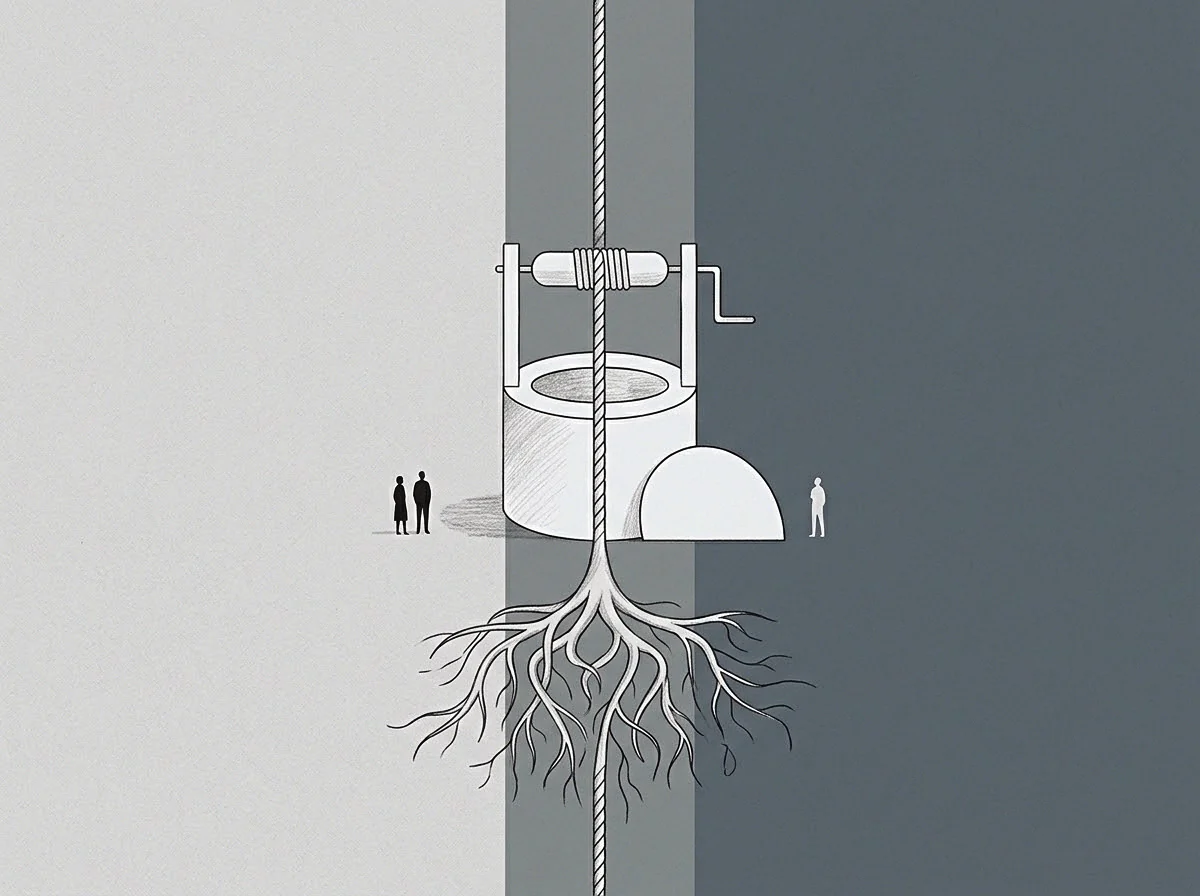
Latency
The time between leaving an institution and regaining autonomic baseline stability depends on how an individual clears outstanding commitments. Discharging allostatic load requires closing open loops retained in active memory, and physiological adaptation lags behind intellectual detachment.

What Causes the Extended Lag in Vagal Recovery?
Vagal recovery tracks the clearance rate of allostatic strain accumulated during executive service. Neural circuits that maintain heightened vigilance require weeks or months of unthreatened conditions to reset. While cognitive systems process the removal of formal authority immediately, lower autonomic centers adjust at a much slower rate.
Because nocturnal HRV marks parasympathetic restoration, elevated readings emerge only after the brain stops modeling risks during sleep. Monitoring a former company’s share price, trade coverage, or successor milestones keeps the autonomic network treating those variables as active operational obligations.
| Metric | Enterprise Role | Acute Exit Phase | Restored Baseline |
|---|---|---|---|
| Root Mean Square of Successive Differences (RMSSD) | 15 – 28 ms | 22 – 35 ms | 45 – 70 ms |
| High-Frequency Power (HF-HRV) | Suppressed (< 300 ms²) | Unstable (300 – 600 ms²) | Normal (> 1000 ms²) |
| Baroreflex Sensitivity | Low (< 8 ms/mmHg) | Moderate (8 – 12 ms/mmHg) | High (> 15 ms/mmHg) |
| Cortisol Awakening Response | Blunted / Flat | Erratic Peak Timing | Sharp Morning Spike |
Biometric records from executive transitions show that parasympathetic recovery develops along an uneven path. Baseline readings frequently swing between extremes before settling into stable resting vagal tone.
Vagal tone rebound requires complete structural termination of operational liability rather than mere vacation.

Allostatic Clearing Profiles
Allostatic resolution depends on the absolute removal of operating responsibility. Retaining advisory provisions or unconstrained consulting availability prolongs sympathovagal imbalance, whereas full separation allows baroreflex sensitivity curves to settle back into standard resting ranges.
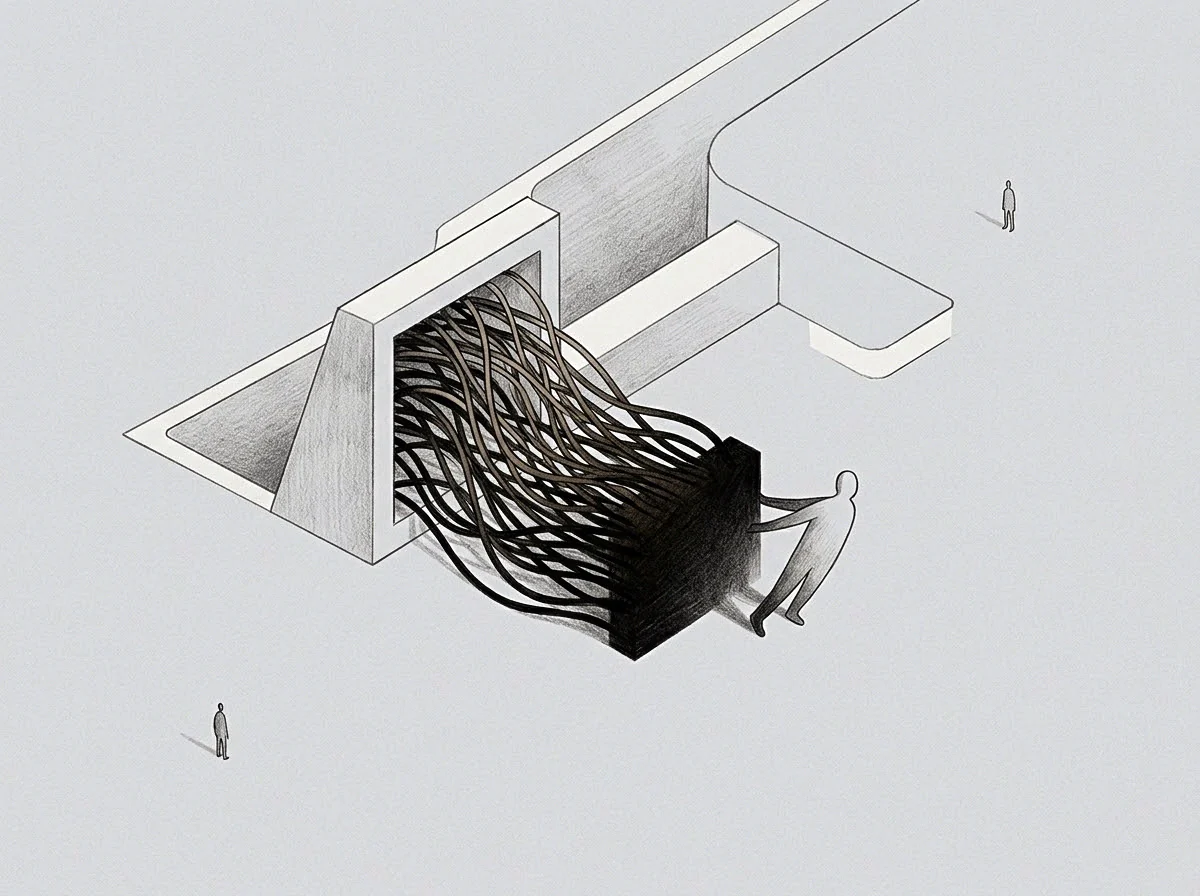
Loop
Open obligations draw on cognitive bandwidth well after corporate titles expire. A frequent misstep after departing an executive role is taking on open-ended commitments like advisory roles, angel investments, or board positions, each of which claims working memory.
Unbounded threads with ambiguous scopes and open timelines force the prefrontal cortex to run continuous background checks. Autonomic baselines do not reset when an operator trades a primary corporate post for ten informal advisory obligations.
The regulatory cost of a commitment depends on its boundaries rather than its calendar duration. A structured board position with predetermined quarterly meetings takes minimal autonomic reserve, whereas an informal arrangement to field ad hoc messages from a founder occupies sustained regulatory attention.
Autonomic recovery expands only when active concurrency drops below the threshold of open operational monitoring.
The post-exit management sequence requires strict limits on new commitments:
- Unrestricted advisory commitments consume cognitive headroom and maintain high sympathetic tone.
- Open-ended board roles recreate unpredictable operational alerts that suppress vagal activity.
- Early-stage venture formation introduces uncapped financial and strategic threads before autonomic recovery completes.
Carrying multiple open operational tracks keeps vagal tone depressed, regardless of personal interest or how manageable the assignments feel.

Rest
Restoring autonomic dynamic range depends on placing firm constraints on incoming obligations. Regulatory tone rebuilds once the central nervous system spends sustained time free of uncontained operational commitments.
Because active accountability sustains heightened arousal, transitioning from continuous sympathetic drive to vagal flexibility requires explicit gates around scope, dates, and terms for any new engagement. Terminating an operational line fully releases its processing slot, allowing heart rhythms to recover their responsiveness.
Morning RMSSD records and resting heart rate metrics trace the progress of autonomic recovery, where gains in vagal values demonstrate rebuilt neural capacity for operating under complex demands.
What degree of autonomic headroom can be permanently preserved once a high-concurrency role is taken up again?