
Managing Chronic Regulatory Wear to Prevent Enterprise Leadership Paralyzing Exhaustion
Chronic executive exhaustion is an involuntary neuroendocrine downshift driven by allostatic wear from constant unstructured organizational arbitration.
Overhang
Three laptops sat open on the pine conference desk at midnight, their screens throwing cold white rectangles against dark glass. Four separate executive escalations arrived within forty minutes, each demanding immediate arbitration between department heads who had stopped speaking directly. The executive in the center chair felt no panic, no sharp distress, and no desire to flee.
Breathing stayed shallow and mechanical. A heavy somatic weight pinned the body to the chair while the inbox counter ticked upward, producing a quiet inability to touch the keyboard or select an incoming alert. The capacity to arbitrate disputes had reached absolute zero while analytical comprehension remained intact.
The biological engine under this paralysis is allostatic load, defined within stress physiology as the cumulative physiological wear resulting from sustained neuroendocrine responses to chronic environmental challenges. Sustained arbitration forces the autonomic nervous system to produce constant sympathetic arousal, flooding neural pathways with cortisol and catecholamines to maintain heightened vigilance. Over months of enterprise leadership, this protective adaptation converts into systemic wear.
The brain resets its baseline expectations of threat, keeping metabolic expenditures elevated even during operational pauses. Every unresolved personnel friction and impending cash flow date acts as an unclosed physiological loop, consuming systemic reserves without generating operational velocity.
Sustained physiological arousal without recovery intervals forces neuroendocrine systems to downregulate dopamine receptor sensitivity to preserve core biological stability.
Executive performance decays predictably across distinct operational zones. Working memory degrades first, followed by cognitive flexibility and the emotional regulation necessary to absorb peripheral organizational panics.

Somatic Responses to Chronic Escalation
Sustained neuroendocrine activation alters autonomic vascular tone, provoking chronic muscle contraction along the neck, shoulders, and lower back. Digestive motility slows because sympathetic activation diverts perfusion away from enteric systems toward skeletal muscle and cerebral cortex. Sleep architecture deteriorates through frequent nocturnal awakenings, truncating deep slow-wave repair periods and rapid eye movement sleep.
The executive wakes unrefreshed, operating on peripheral epinephrine surges that masquerade as baseline energy until the physical reserve collapses under an ordinary scheduling conflict.
Enterprise teams misread this systemic wear as a lack of commitment or a sudden strategic hesitation. Subordinates increase escalation frequency to force clarity, mistakenly assuming that silence signals indecision rather than complete receptor exhaustion. The enterprise accelerates demands precisely when the central regulatory apparatus loses the neurochemical substrate required to parse simple operational trade-offs.
Operating an enterprise without structural dampeners forces the leader to absorb systemic volatility directly into physical tissue, steadily degrading biological health until involuntary autonomic collapse freezes operational decision-making entirely.
Deceleration
A central nervous system running at absolute capacity initiates protective downshifts to preserve fundamental organismic survival. This protective state is throttling, an involuntary reduction in processing speed and operational engagement deployed by the organism when biological inputs exceed metabolic recovery capacity. Clinical observers routinely mistake this adaptation for major depressive episodes, failing to recognize that the underlying mechanism is an adaptive physiological governor rather than a mood pathology.
Throttling arrests non-essential executive computation, preventing catastrophic biological failure by refusing to process additional ungated inputs.
The distinction between protective throttling and clinical affective collapse carries massive diagnostic consequences. A leader experiencing throttling demonstrates immediate operational competence when shielded from secondary noise, retaining strategic discernment whenever input volume drops below the processing threshold. Affective depressive episodes, conversely, present persistent anhedonia, pervasive feelings of worthlessness, and broad cognitive slowing that survive even prolonged operational vacations.
Confusing these states leads to inappropriate interventions, such as urging an exhausted leader to rest passively without repairing the structural leaks that produced the wear.
Diagnostic Differences in Executive Exhaustion
Clinical misattribution occurs when organizational boards rely entirely on subjective self-reporting rather than functional capacity assessments. A leader subjected to chronic demands experiences acute cognitive friction when switching contexts, generating somatic symptoms that mirror melancholia. The biological objective of throttling remains strictly conservationist: the nervous system reduces peripheral metabolic expenditure to sustain essential organ functions.
| Operational Dimension | Protective Throttling | Clinical Affective Collapse |
|---|---|---|
| Systemic Motivation | Preserved strategic intent obstructed by severe neurochemical depletion | Pervasive loss of interest across all professional and personal domains |
| Response to Isolation | Immediate cognitive clarity upon temporary removal of incoming communication | Persistent cognitive dullness and rumination despite complete workload removal |
| Somatic Presentation | Sympathetic hyperarousal transitioning into motor inhibition and fatigue | Vegetative neurovegetative shifts with sustained psychomotor retardation |
| Decision-Making State | Selective execution focused entirely on survival-critical enterprise functions | Generalized abulia extending to basic operational and personal choices |
Research across occupational health and endocrine physiology establishes that prolonged allostatic strain elevates baseline inflammatory cytokines, directly impairing prefrontal striatal connectivity. This neuroinflammatory state dampens dopamine signaling, making task initiation feel physically impossible even when systemic consequences are catastrophic. The leader stares at urgent contract documents without reading them, unable to cross the physical gap between intention and action.
Enterprise boards frequently misinterpret this state as willful disengagement or moral weakness.
A system throttled by sustained load recovers functional throughput only when incoming operational demands drop below baseline metabolic processing thresholds.
The executive team interprets the sudden executive withdrawal as personal abandonment, stating privately that leadership vanished exactly when guidance was needed most.
Table
Executive governance occurs within physical meeting spaces where informal behavioral dynamics dictate regulatory expenditures. At the physical mahogany conference table, leadership behavior functions as the central shock absorber for enterprise anxiety. Under social baseline theory, the human brain conserves precious metabolic resources by outsourcing threat detection and affective stabilization to trusted social partners.
When senior colleagues demonstrate competence, an executive nervous system registers shared risk, downregulating personal stress chemistry. In pathological enterprise structures, this dynamic reverses entirely: the executive becomes the sole regulator for the entire organization, absorbing collective fear while receiving zero reciprocal stabilization.
The human brain reads enterprise leadership as an acute physical exposure. When an executive sits before direct reports, board members, and external investors, those counterparties continuously offload systemic anxiety into the central seat. Every unmade decision, ambiguous directive, and operational dispute gets redirected upward to the primary leader.
This dynamic transforms executive leadership into continuous borrowed regulation, where subordinates stabilize their own cognitive stability by consuming the leader’s finite emotional reserves. Over extended quarters, this unidirectional emotional transfer depletes the executive’s capacity to govern personal attention.
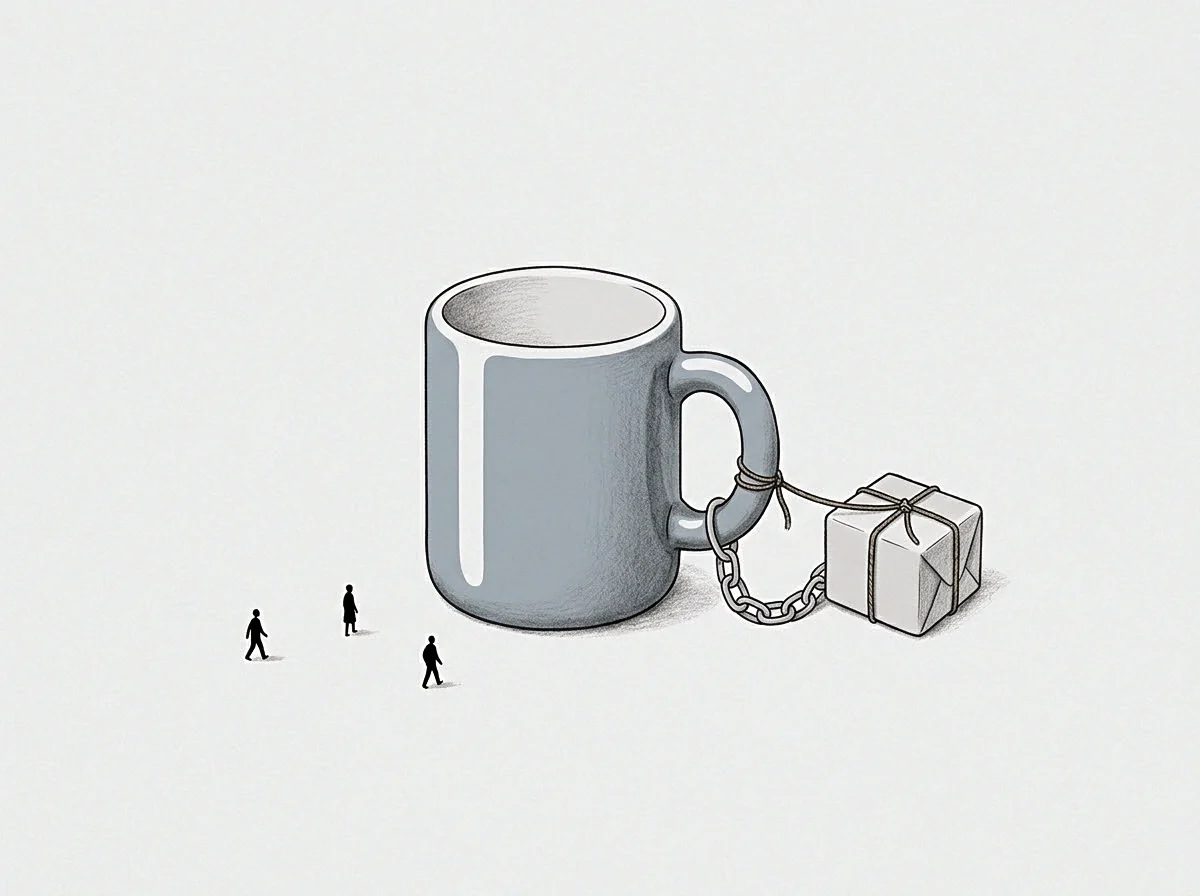
Mechanics of Asymmetric Regulatory Transfers
Unidirectional emotional offloading happens through predictable behavioral exchanges during leadership meetings. Direct reports present surface-level problems while withholding tentative operational solutions, compelling the leader to supply both analytical framing and executive courage. This dynamic forces the leader to expend extensive prefrontal energy validating minor details, managing fragile professional relationships, and absorbing unspoken hostilities between functional division leaders.
The regulatory cost compounds exponentially when the executive attempts to project synthetic optimism to protect organizational morale.
- Interpersonal regulation demands sustained conscious control over micro-expressions and vocal cadence during acute organizational crises.
- Affective absorption occurs whenever senior executives resolve conflicts between department heads who refuse direct peer-to-peer engagement.
- Context switching between distinct operational domains consumes discrete attentional units, generating cognitive fatigue that degrades overall analytical output.
- Performative composure forces continuous suppression of authentic physiological distress to prevent enterprise wide panic cascades.
Suppression of authentic emotional responses demands substantial metabolic energy from the ventromedial prefrontal cortex. When sustained across operational quarters, this continuous inhibition triggers profound somatic wear, elevating heart rate variability deficits and circulating glucocorticoid concentrations. The leader experiences severe systemic fatigue that sleep cannot repair, because the underlying cause remains an unbroken social demand for unilateral emotional governance.
The operational governance clause establishing mandatory peer arbitration for cross-departmental conflicts shifts the primary regulatory burden away from the chief executive seat and forces functional directors to resolve coordination frictions independently.
Bracket
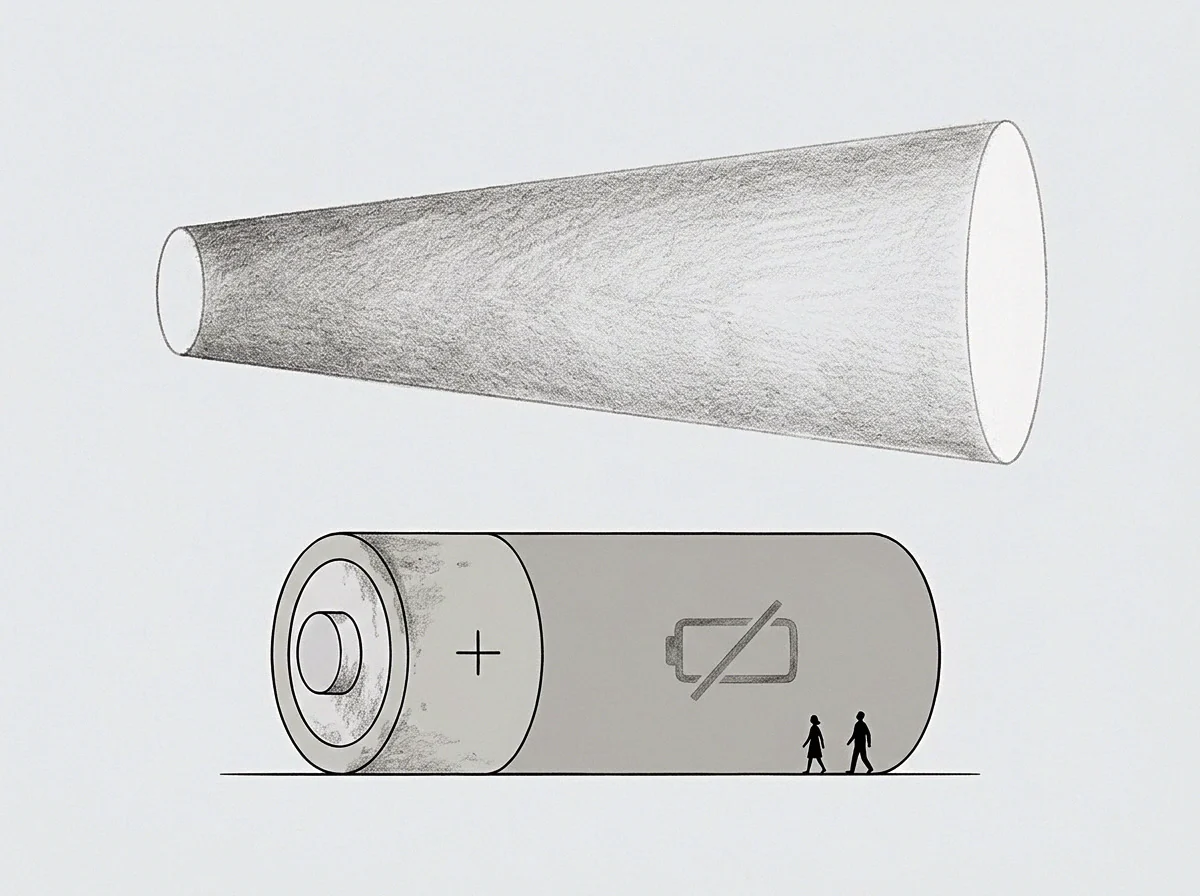
Systemic endurance depends upon structural boundaries that strictly constrain incoming cognitive inputs. Every open strategic loop, unclarified executive performance review, and pending corporate transaction consumes an attentional unit known as an ungated thread. A leader can easily direct ten distinct initiatives if each initiative maintains a precise scope, an explicit review date, and clearly defined operational terms.
Conversely, four ambiguous strategic questions lacking explicit parameters consume an executive central nervous system completely, keeping regulatory mechanisms pinned at ceiling around the clock.
Constructing operational brackets isolates critical executive processing capacity from continuous peripheral interruption. An effective bracket establishes rigid structural barriers around decision architecture, delineating exactly when, where, and under what conditions specific operational matters enter the executive perimeter. This architectural intervention limits active executive concurrency to three critical vectors, routing all peripheral issues into structured asynchronous holding pipelines that require zero continuous cognitive surveillance.

Can Throttled Execution Prevent Complete Structural Collapse?
Throttled execution functions as an emergency operational brake, deliberately reducing enterprise processing velocity to protect the core human operating system from irrecoverable physical damage. By intentionally declining non-essential strategic debates, freezing discretionary platform initiatives, and delegating tactical oversight to secondary operators, the executive creates the metabolic space required for neuroendocrine normalization. Throttling shifts enterprise posture from expansion to structural consolidation, trading speculative growth for immediate biological survivability.
A cognitive thread bounded by unambiguous scope, fixed delivery dates, and explicit acceptance terms consumes negligible metabolic reserve.
Operational brackets function through strict administrative parameters that eliminate ambient cognitive friction across the executive suite. The executive implements absolute structural firewalls that govern information flow:
- Fixed intake windows restrict operational escalations to designated weekly sessions, eliminating continuous random interruptions that disrupt prefrontal focus.
- Standardized dispute protocols require division heads to document analytical trade-offs, financial models, and strategic options before scheduling executive arbitration meetings.
- Terminal authority grants transfer complete autonomous control over specified budget thresholds directly to secondary operations personnel without leadership review.
The practice of leaving strategic questions open across weekends produces continuous background neurological strain. The brain treats unresolved professional obligations as immediate environmental threats, maintaining elevated sympathetic arousal during off-hours. A leader who fails to bracket open operational loops operates in a permanent state of emergency, accelerating the onset of paralyzing executive exhaustion.
A cognitive thread left without clear terms extracts continuous physiological rent from the person responsible for its resolution.

Release
Recovery from chronic regulatory wear begins with the systematic shedding of accumulated systemic friction. The executive restores internal headroom by systematically terminating ambiguous corporate projects, divesting non-core operational responsibilities, and establishing non-negotiable stated limits on personal availability. Headroom represents the measured gap between incoming operational demands and maximal nervous system capacity.
When headroom drops to zero, the executive experiences immediate decision paralysis; expanding headroom restores analytical acuity, emotional stability, and strategic vision.
Reclaiming operational headroom demands aggressive structural de-escalation rather than temporary wellness retreats. The executive establishes clear behavioral boundaries, refusing to serve as the default emotional regulator for corporate stakeholders. Subordinates learn to tolerate operational ambiguity without immediate executive intervention, developing internal problem-solving capacities that previously lay dormant.
The executive transitions from an active real-time operational shock absorber into an asynchronous strategic architect, stepping out of immediate operational loops to protect long-term cognitive endurance.

Structural Reductions in Chronic Administrative Burden
Structural release requires an honest inventory of all active enterprise obligations. The executive evaluates ongoing corporate initiatives against strict biological costs, ruthlessly discarding secondary projects that consume disproportionate regulatory energy relative to their strategic value. The executive seat requires systematic insulation from daily noise through the introduction of capable chief operating officers and independent arbitration mechanisms.
This reorganization protects central cognitive reserves, ensuring that executive attention remains focused on critical existential vectors.
The human nervous system rebuilds its regulatory reserves slowly across multiple quarters of reduced operational friction. Cortisol receptors gradually resensitize, inflammatory markers subside, and prefrontal neurochemistry stabilizes as operational unpredictability declines. The leader rediscovers the capacity for spontaneous strategic thinking, complex long-range planning, and calm organizational direction.
This renewed vigor reflects a well-designed executive architecture that respects biological limits rather than personal moral fortitude.
What remains unresolved is whether an enterprise accustomed to consuming its founder’s nervous system can successfully adapt its operational habits before the leadership layer imposes absolute structural detachment.