
Calculating Latency In Enterprise Decisions Under Severe Exhaustion
Enterprise decision latency under severe exhaustion measures structural processing lag caused by allostatic depletion, shifting choices toward default outcomes.

Queue
Four enterprise commitments sit unratified while incoming capital queries hit an exhausted operational layer. The delay between a strategic signal and its authorization expands from hours to weeks when biological reserves drop. Operational friction manifests as a lengthening processing lag that standard enterprise reporting fails to capture accurately.
An enterprise operator facing allostatic overload slows response times across administrative functions. Strategic queues fill with unreviewed vendor agreements, deferred executive hires, and uncommitted product specifications. Strategic momentum declines while secondary management layers wait for primary sign-offs that remain stationary in the executive inbox.
Operational delay measured at the executive level indicates systemic capacity depletion rather than temporary prioritization decisions.
Delaying a structural choice creates asymmetric liabilities for downstream operational units. Engineering teams halt architectural pivots while waiting for executive sign-off, absorbing payroll costs without advancing deliverables. Product divisions maintain legacy codebases past their retirement dates because authorization for capital reallocation sits in an unreviewed approval queue.
Processing backlogs alter how external counterparties evaluate enterprise reliability. Institutional investors track response speeds on due diligence requests, converting increased latency into a higher risk premium during capital pricing. Commercial partners interpret missing signatures as tactical negotiation, missing the biological exhaustion driving the operational pause.
When executive capacity drops to zero, incoming requests remain open while the system accumulates unresolved choices. Department heads begin generating workaround protocols to bypass stagnant approval gates, creating informal governance structures that operating agreements never authorized. The administrative debt accumulates until organizational velocity collapses under the weight of unmade choices.
Drift
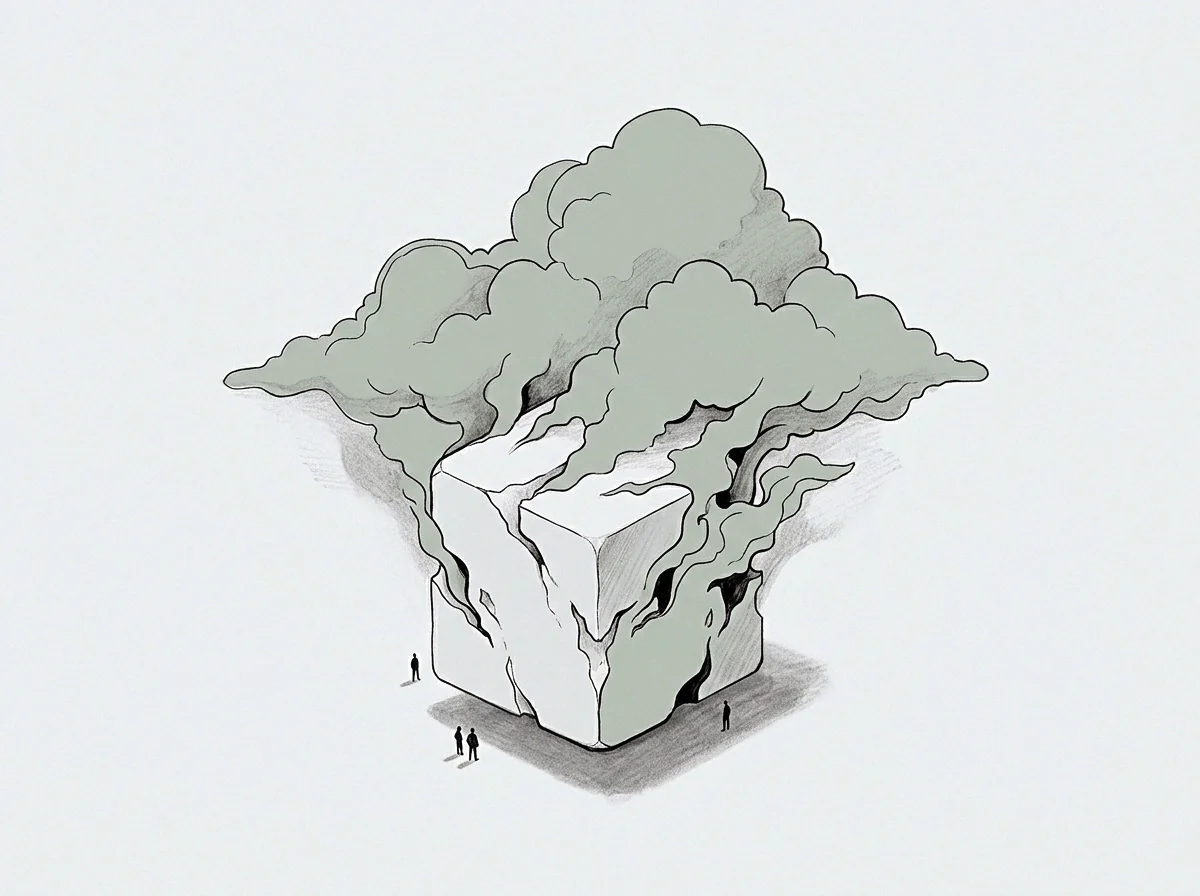
Cognitive setpoints governing risk tolerance alter under continuous operational pressure. The evaluation threshold for new initiatives shifts downward as biological fatigue impairs prefrontal processing capacity. What appears as prudent operational conservatism often reflects a physiological inability to synthesize multi-variable financial projections.
Continuous physiological strain resets the neural threshold for complex option evaluation. When sleep debt accumulates over consecutive quarters, executive function shifts from multi-scenario optimization to simple risk avoidance. Options containing moderate ambiguity suffer automatic rejections, while default trajectories receive passive approval regardless of long-term economic return.
Information degradation occurs when biological recovery remains incomplete across consecutive operational quarters. The enterprise leader misinterprets routine operational noise as urgent operational threats while missing systemic risks in capital allocation.
A cognitive setpoint shifted by fatigue forces the executive system to treat operational passivity as a defensive position.
Systemic shifts in decision quality show distinct patterns across prolonged exhaustion periods.
- The evaluation ceiling drops when complex analytical trade-offs require more working memory than an exhausted operator retains. High-variable strategic choices undergo forced simplification into binary, lower-fidelity comparisons.
- Risk asymmetry perception skews toward immediate pain avoidance rather than long-term value creation. Immediate administrative demands take priority over structural growth initiatives.
- Default choice selection becomes the dominant operational outcome across all enterprise governance queues. Non-action replaces active strategic direction as the default decision mode.
- Processing fatigue velocity accelerates throughout the business day, causing late-afternoon submissions to suffer exponentially higher rejection rates. Rejection serves as the fastest method to clear an active queue.
Evaluating enterprise opportunities while operating in a depleted state systematically undercounts long-term upside while overcounting immediate implementation friction. The organization shifts from value generation to energy conservation.
Unstated changes in evaluation criteria create confusion among department leads who submit proposals structured for baseline state criteria. When an exhausted executive applies hidden energy-conservation filters to standard capital requests, functional teams lose confidence in corporate allocation logic.

Scale
Measuring response intervals across distinct operational states reveals hidden execution costs. Standard governance assumes constant executive evaluation speeds regardless of cumulative fatigue. Field observations across enterprise leadership indicate that decision latency scales non-linearly once allostatic capacity drops past baseline recovery limits.
Systematic mapping isolates how processing capacity decays under prolonged work cycles. When operational strain stays within nominal recovery bounds, decision latency tracks predictable administrative complexity. Once biological recovery fails, decision times spike by orders of magnitude while evaluation quality drops.
| Evaluation Parameter | Baseline Operational State | Exhausted State |
|---|---|---|
| Processing Window | 24 to 48 hours | 14 to 21 days |
| Error Filtering Depth | Multi-variable scenario modeling | Single-variable surface screening |
| Default Bias | Active optimization | Passive preservation |
| Reversibility Threshold | High tolerance for calculated pivots | Rigid avoidance of path alterations |
Different categories of operational choices absorb friction at varying rates during cognitive fatigue. Low-friction administrative approvals move through depleted executive channels with minimal delay, creating an illusion of standard operating speed. High-friction capital allocations and organizational restructuring proposals stall completely, accumulating systemic latency that destabilizes long-term strategy.
The contract requires predictable performance metrics across all leadership functions. Operating under unacknowledged cognitive deficits introduces unpriced volatility into corporate governance structures.
Subordinate executives interpret long response delays from the central seat as implicit instruction to pause departmental changes. Operational momentum decays while divisions await clarity that the central seat lacks the biological bandwidth to formulate. The entire enterprise scales down its operational tempo to match the processing speed of its exhausted founder.
The board notes the extended turnaround on capital deployment documents and observes that operational approvals now take three weeks instead of two days.

Debt
Unresolved operational friction converts directly into long-term financial liabilities. Every week a structural choice spends stalled in an approval queue increases the ultimate capital required to execute the maneuver. Enterprise agility drops while operational debt compounds silently behind standard accounting balance sheets.

How Does Deferred Processing Create Covert Operational Debt?
Postponing systemic choices forces sub-optimal compromises across secondary administrative tiers. When executive sign-off on enterprise software procurement stalls for months, engineering units procure fragmented, short-term software subscriptions to maintain daily output. The resulting architecture requires extensive retrofitting once central authorization finally arrives.
Short-term operational workarounds implemented during periods of executive latency turn into permanent administrative complexity. The enterprise accumulates redundant tools, inconsistent vendor terms, and conflicting departmental mandates simply because central governance lacked the bandwidth to enforce unified standards.
Unmade enterprise decisions compound into structural complexity that consumes more executive energy than the original choice demanded.
Automated standard responses take over when cognitive capacity drops below minimum evaluation thresholds. Exhausted executives sign off on contract renewals without renegotiating terms, granting vendors pricing leverage that erodes operating margins.
Institutional inertia guides resource distribution when active executive oversight drops out due to severe cognitive exhaustion. Functional units with high initial budgets continue receiving capital allocations regardless of current performance, while underfunded strategic growth initiatives languish without central support.
Enterprise governance degrades into passive maintenance of existing operations. The organization loses its ability to react to competitive market shifts, surrendering strategic advantages to competitors who maintain functional decision speeds.
What structural liabilities accumulate when an enterprise operational layer runs at elevated decision latency for three consecutive quarters?
Gate
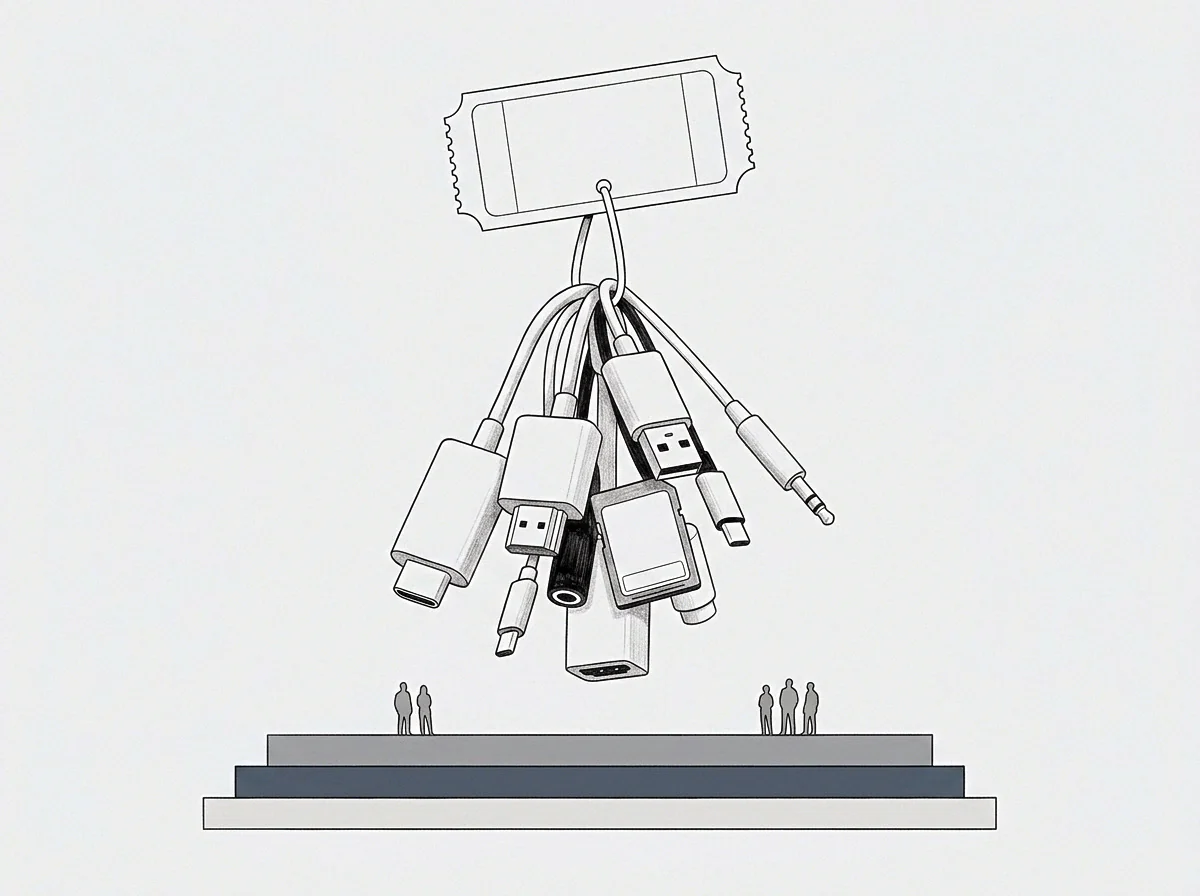
Imposing rigid operational thresholds protects enterprise capital from exhausted governance. Establishing strict, state-gated authorization bounds prevents depleted leaders from making permanent strategic commitments during temporary physiological troughs. Enterprise longevity depends on structuring governance loops that account for human cognitive limits.
Systemic boundaries enforce a pause on structural commitments when biological metrics register overload. Introducing mandatory evaluation holds on high-impact choices prevents impulse rejections and passive default acceptances. The system shields itself against executive fatigue by enforcing clear operational state gates.
Definite operational bounds replace discretionary availability with predictable availability windows. Executive leaders schedule high-complexity strategic reviews exclusively during measured peak cognitive states, delegating routine operational sign-offs to functional leads.
A stated operational limit protects enterprise governance by converting executive fatigue from a covert hazard into a visible systemic parameter.
Transitioning from continuous availability to state-gated decision windows demands clear communication across all enterprise stakeholders. Department heads adjust proposal schedules to align with established executive review windows, improving submission quality while reducing queue times. Operational clarity replaces continuous administrative urgency.
Protecting enterprise capital requires framing executive capacity as a finite, non-linear system resource. When biological load reaches structural ceilings, halting strategic approvals preserves value more effectively than forcing compromised authorizations. Enterprise governance systems that build explicit capacity gates protect long-term assets against the silent costs of severe operational exhaustion.