
How Social Baseline Theory Explains Prefrontal Exhaustion In Executive Leadership
Social baseline theory demonstrates that solitary executive command exhausts prefrontal circuits by forcing unilateral neural threat appraisal without social buffering.
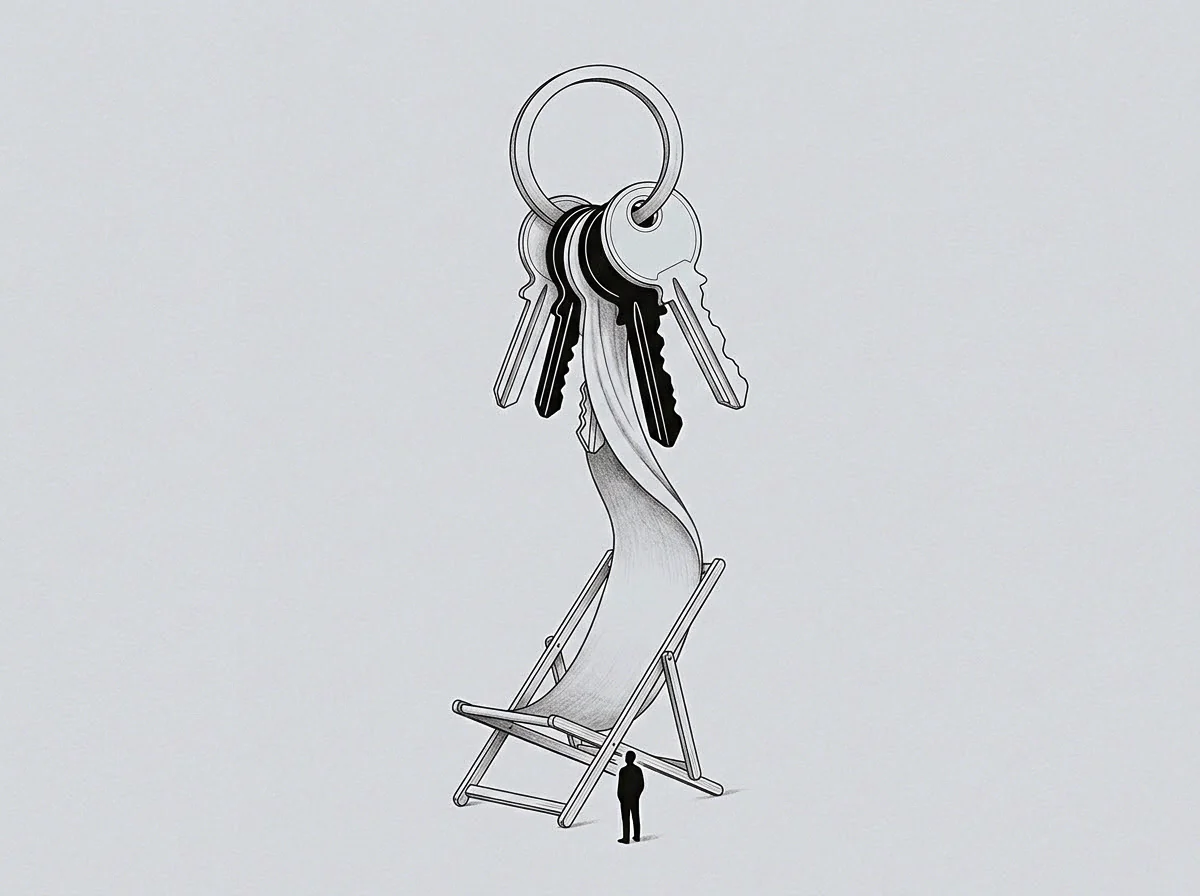
Circuit
Four direct reports sit across a conference table at nine in the evening, watching an executive read an operational crisis memo. The room remains silent because the person at the head of the table exhibits steady breathing, neutral facial motor tone, and an unhurried voice. Those observers immediately experience down-regulated autonomic arousal, lower cardiac acceleration, and reduced vigilance.
The human nervous system treats the proximity of a competent, predictable conspecific as a bioenergetic subsidy. When an executive displays unyielding composure, observers offload the caloric expense of their own threat responses onto that single individual. This dynamic shifts metabolic burden rather than eliminating it.
Social baseline theory describes the human brain as an organ adapted to distribute computational load across a trusted social unit. Under baseline conditions, proximity to reliable allies signals safety, which allows the prefrontal cortex to conserve metabolic resources. Solitary threat appraisal costs substantially more glucose, oxygen, and neural tissue engagement than shared vigilance.
An executive who acts as the sole emotional and cognitive anchor for an enterprise operates in artificial ecological isolation. The executive holds responsibility for enterprise survival while surrounded by subordinates who consume calm without returning regulatory support.
Under chronic load asymmetry, solitary threat appraisal expends prefrontal energy reserves that shared operational ownership normally conserves.
Prefrontal exhaustion occurs when anterior cingulate and dorsolateral prefrontal circuits run unmitigated vigilance operations across months without social distribution. The prefrontal cortex directs top-down executive functions: working memory, attentional shifting, impulse suppression, and probabilistic calculation. These tasks consume massive cellular resources.
In an operating team, a single leader often serves as the unreciprocated regulatory center, dampening alarm across departments. The metabolic expense of this unilateral suppression falls entirely on the leader’s prefrontal architecture. The brain interprets solitary command under threat as an ecological emergency.
Sustained unreciprocated vigilance leaves the prefrontal cortex depleted, degrading downstream decision velocity, emotional modulation, and operational appraisal.
Failure to recognize this one-way bioenergetic drainage leads to acute executive cognitive failure, characterized by sudden analytical paralysis, loss of working memory, and erratic strategic vacillation.
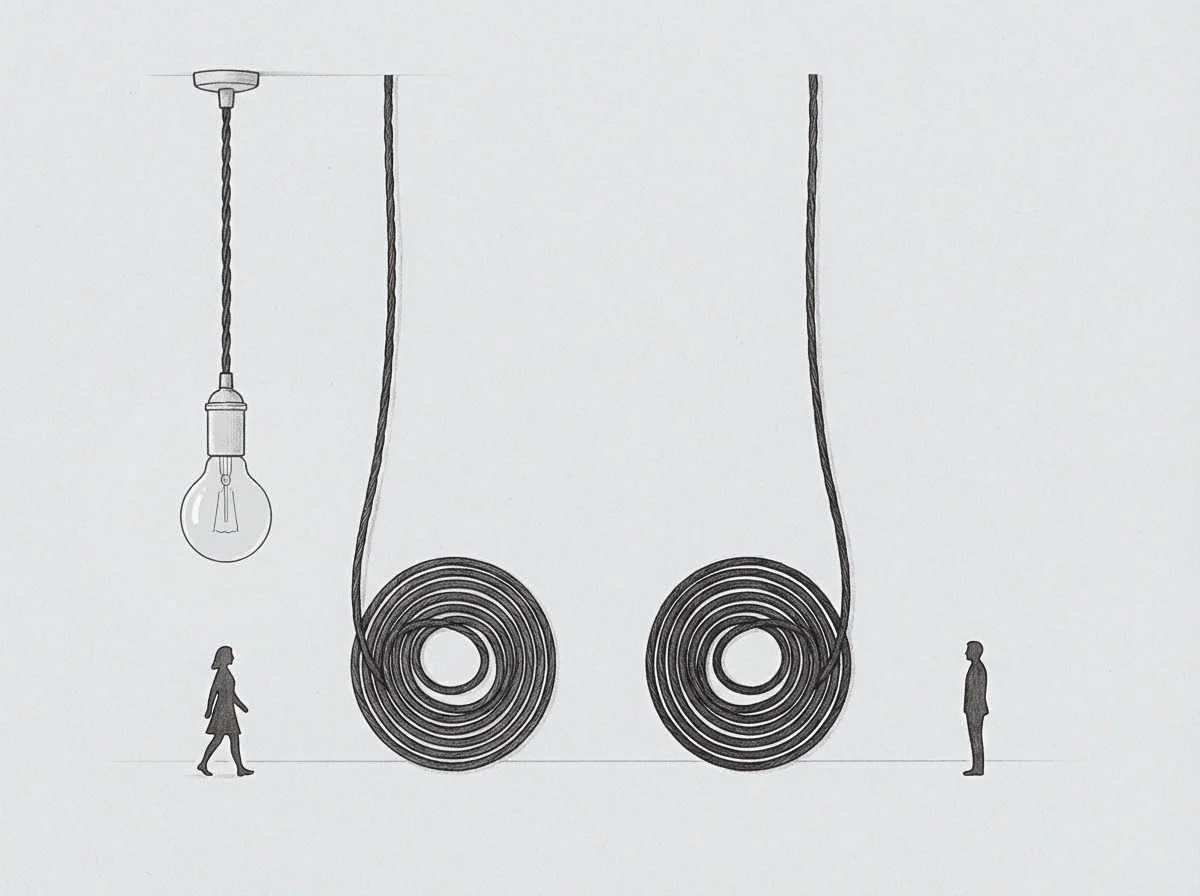
Chair
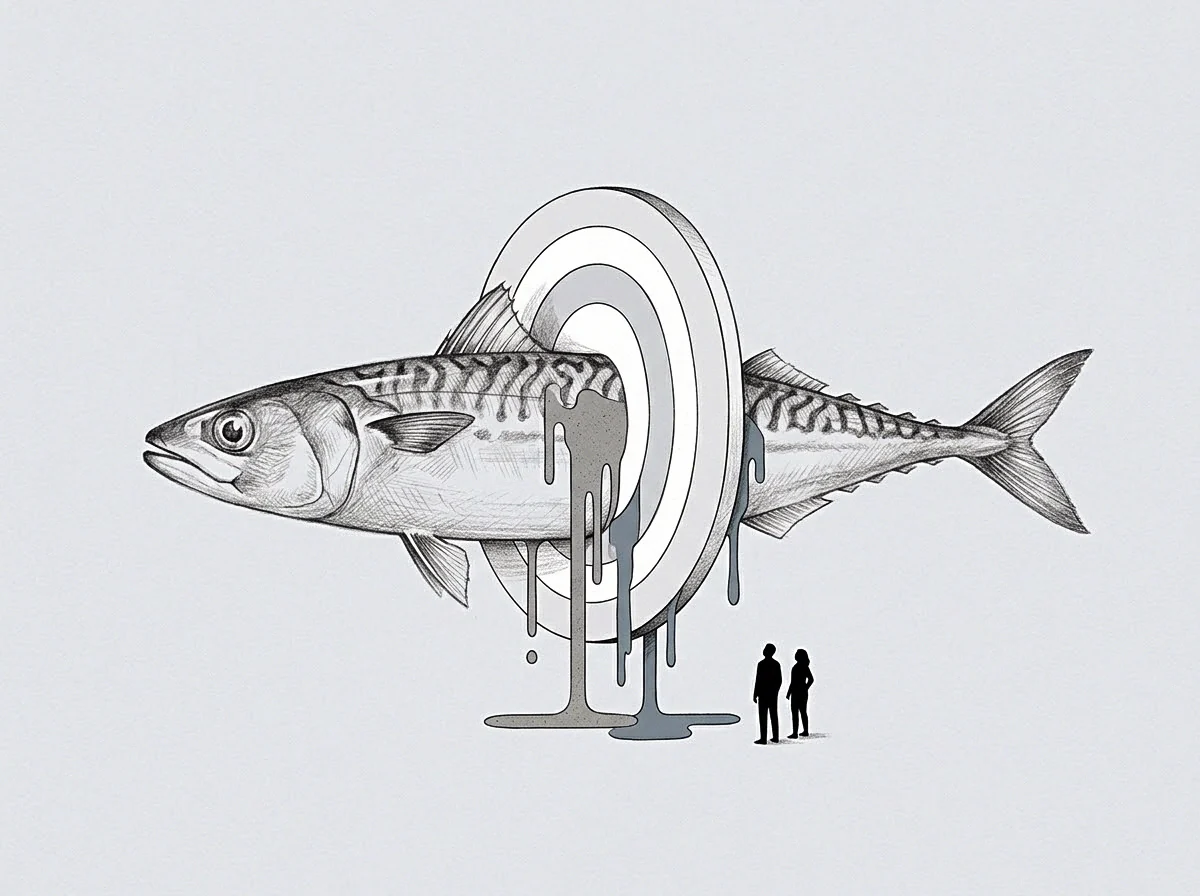
The Solitary Bioenergetic Center
Positioning inside an enterprise defines the direction of neural load transfer. The physical desk of an executive functions as an intake funnel for unstructured institutional threat. Subordinates present unresolved operational risk to the executive, seeking either a definitive decision or affective stabilization.
The person sitting in that seat absorbs systemic variance, returning structured certainty and visible emotional composure to the room. The team members depart with stabilized heart rates and clearer operational mandates. The leader remains behind, carrying sustained allostatic load across prolonged operating hours.
Repeated regulatory output without incoming social buffering drives severe prefrontal depletion. Laboratory measurements during threat exposure demonstrate that holding the hand of a stranger reduces neural threat responding in the right dorsolateral prefrontal cortex and anterior insula. Holding the hand of a dependable partner attenuates that neural activation even further.
When an individual faces threat entirely alone, neural threat appraisal activates at maximum amplitude. In corporate hierarchies, an executive faces continuous organizational hazard in psychological isolation. The structural distance between the executive and their reports prevents mutual reliance.
Reports look upward for stability, while the executive cannot display vulnerability without triggering organizational panic.
Calm displayed under operational distress reliably invites additional organizational strain.
The asymmetric transfer of regulatory stability produces an insidious organizational trap. Subordinates observe executive calm and conclude that the leader possesses endless physiological bandwidth. Consequently, the organization channels more chaotic problems toward that desk.
The team treats the leader’s stable affective state as an inexhaustible institutional resource rather than an active, metabolically expensive suppression of autonomic alarm.
Everything appears completely under control because the leader never flinches when catastrophic issues arrive at the desk.
Conduit
The Direction of Regulatory Transfer
Teams function as dynamic physiological units bound together by reciprocal autonomic cues. An operational hierarchy establishes specific pathways through which anxiety travels. Lower-tier employees encounter raw market volatility, technical failure, or fiscal contraction, converting those pressures into rapid escalation memos.
The executive acts as a terminal conduit, receiving high-entropy signals and emitting low-entropy directives. This continuous computational processing demands intense dorsolateral prefrontal activation.
Consider an enterprise scenario involving a forty-person operating team facing a critical cash shortfall. The chief executive and the operations partner manage the scenario across six consecutive months under specific structural assumptions:
- Asymmetric transparency prevents executive leaders from disclosing payroll peril to line managers, which forces leaders to absorb systemic ambiguity alone.
- Affective stabilization demands compel founders to suppress somatic fatigue during company-wide briefings, consuming prefrontal glycogen stores at accelerated rates.
- Structural isolation eliminates lateral peer buffering, ensuring that every operational escalation terminates at the executive layer without reciprocal regulatory absorption.
The operations partner detects the executive’s physiological fatigue and offers tactical task delegation. The offer fails to relieve prefrontal exhaustion because mechanical task offloading does not equal bioenergetic distribution. The ultimate existential threat remains bound to the executive’s individual accountability.
Social baseline theory confirms that cognitive relief requires genuine risk distribution, not polite task reallocation. If the leader remains solely culpable for enterprise survival, the brain maintains top-down vigilance circuits at ceiling activation.
The dynamic creates profound alterations in the executive’s internal regulatory structure over extended timeframes. When an individual spends years functioning as the unreciprocated baseline for others, their internal model of support collapses. The executive internalizes an operational rule where safety exists only through unilateral control.
That internal model actively resists incoming help, interpreting delegation as added risk. The leader becomes trapped in continuous prefrontal overdrive, unable to construct a functional receptor for external stabilization.
Real bioenergetic relief arrives only when ultimate enterprise hazard is genuinely divided across equal partners.
Gauge

Is Neural Load Redistribution Sustainable Under Asymmetry?
Measuring the differential cost of solitary control versus shared load reveals the exact physiological mechanisms behind prefrontal collapse. When executives attempt to lead without structural co-regulation, autonomic wear accumulates across four distinct domains. The following comparison delineates biological indicators across isolated versus distributed operating states.
| Physiological Domain | Solitary Operating Mode | Distributed Baseline Mode |
|---|---|---|
| Neural Threat Appraisal | Sustained hyperactivity in dorsal anterior cingulate cortex and amygdala | Attenuated insular and cingulate activation via social presence |
| Prefrontal Glucose Consumption | Continuous top-down executive expenditure to suppress motor alarm | Conservation of prefrontal glycogen through distributed vigilance |
| Autonomic Tone | Elevated sympathetic output with low high-frequency heart rate variability | Predominant parasympathetic brake with flexible autonomic recovery |
| Allostatic Wear | Accelerated glucocorticoid resistance and systemic neuroinflammation | Down-regulated neuroendocrine stress cascade via shared accountability |
The systemic data indicates that leadership exhaustion is a bioenergetic deficit caused by absent social baselines rather than an individual cognitive flaw. When an executive operates within a high-concurrency environment, managing ten conflicting operational vectors simultaneously, the prefrontal cortex burns through glucose reserves rapidly. If lateral peers share true fiduciary liability, the brain down-regulates ambient threat appraisal by fifteen to twenty-five percent.
This down-regulation preserves executive bandwidth for complex synthesis and strategic discernment.
A shared fiduciary governance structure measurably lowers prefrontal metabolic expenditure by re-establishing human baseline social safety.
Establishing true social baselines within executive tiers requires explicit changes in operating agreements and executive communication patterns. The intervention does not center on interpersonal sentiment. Structural modifications must legally and operationally reallocate existential risk.
- The stated limit protocol establishes non-negotiable operational boundaries where decisions pass to lateral partners once prefrontal fatigue thresholds appear.
- Symmetrical hazard pools bind executive compensation, legal exposure, and corporate liability equally across multiple principals rather than concentrating exposure onto one individual.
- Synchronous lateral debriefs force daily unvarnished risk assessments between equals without an audience of subordinate staff.
Executing an operational contract that explicitly distributes fiduciary survival risks across three equal managing partners directly terminates unilateral prefrontal exhaustion.
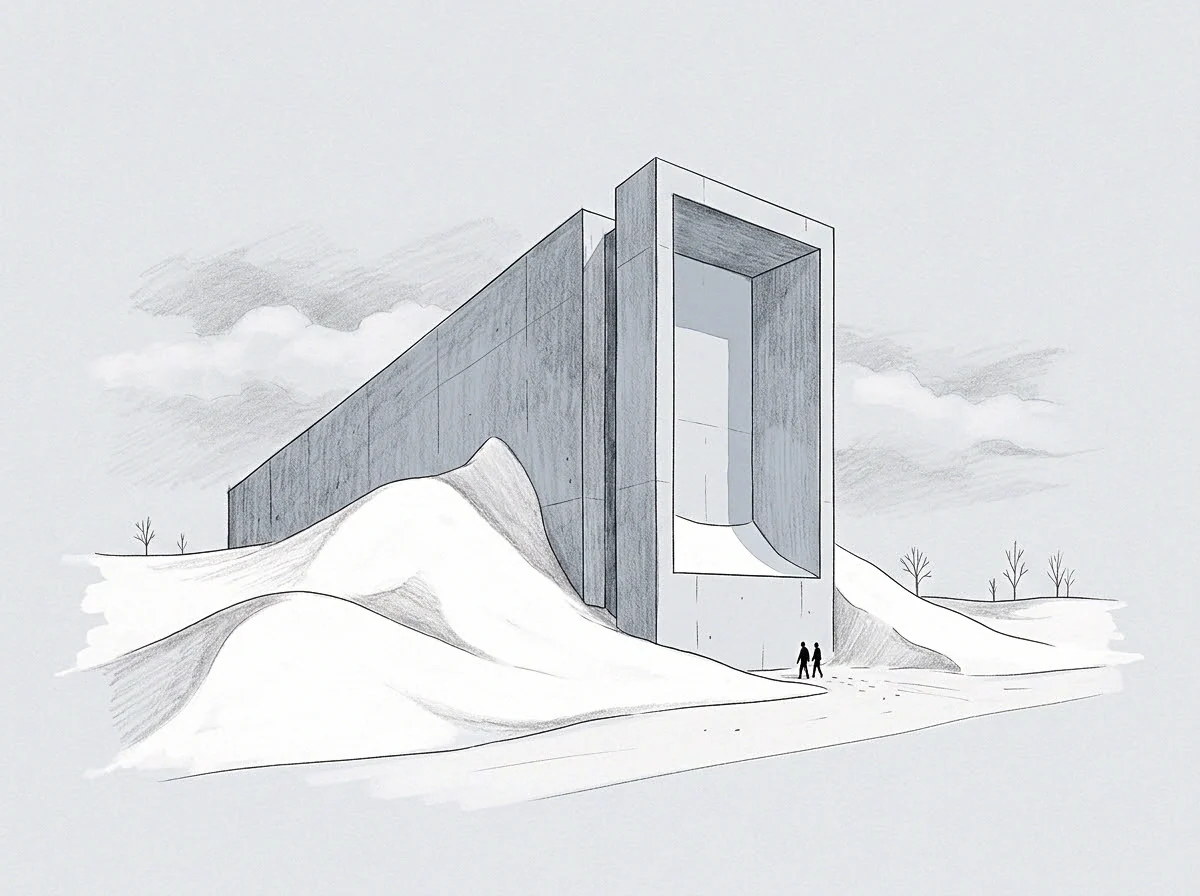
Shore
Reconstructing the Baseline
Restoring depleted executive prefrontal tissue demands physical interventions that align with evolutionary neurology. An exhausted executive cannot recover through solitary rest routines like meditation, isolated exercise retreats, or silent contemplation. While solitary downtime halts immediate cognitive intake, it leaves the central nervous system in an isolated appraisal state.
The brain continues to assess existential threats alone. Lasting neural recovery requires earned security, achieved through sustained exposure to reliable peers who demonstrate absolute operational competence under pressure.
The executive nervous system requires actual proof of lateral competence before relinquishing unilateral control. If an executive attempts to lean on a partner who folds under stress, the executive’s prefrontal vigilance reactivates with increased intensity. Rebuilding an effective social baseline requires months of low-stakes operational tests where lateral partners absorb meaningful risks without failing.
Over time, the executive’s anterior cingulate cortex registers that catastrophic outcomes do not occur when unilateral vigilance pauses. The brain gradually recalibrates its baseline assumptions, moving from expensive solitary suppression back to efficient, co-regulated social baseline functioning.
Neural recovery demands repeated behavioral proof that lateral partners will absorb systemic shock without collapsing.
Prefrontal restoration represents a physical, structural rebuilding of biological capacity. The brain rebuilds prefrontal dendritic spines, re-establishes normal glucocorticoid sensitivity, and restores vagal brake efficiency only when operating conditions reflect authentic safety. Leaders who reconstruct their operational lives around shared accountability, reciprocal regulation, and structural proximity preserve their strategic discernment across decades.
Organizations that configure leadership around solitary heroics burn through human cognitive tissue at an unsustainable pace.
How an enterprise structures governance to protect executive prefrontal architecture without diluting decisive operational authority remains unresolved across modern corporate institutions.