
Structural Governance Mechanisms For Sustained Multi Node Operational Risk Distribution
Structural governance distributes operational risk across multiple nodes by enforcing non-negotiable intake limits, latency buffers, and partitioned authority.
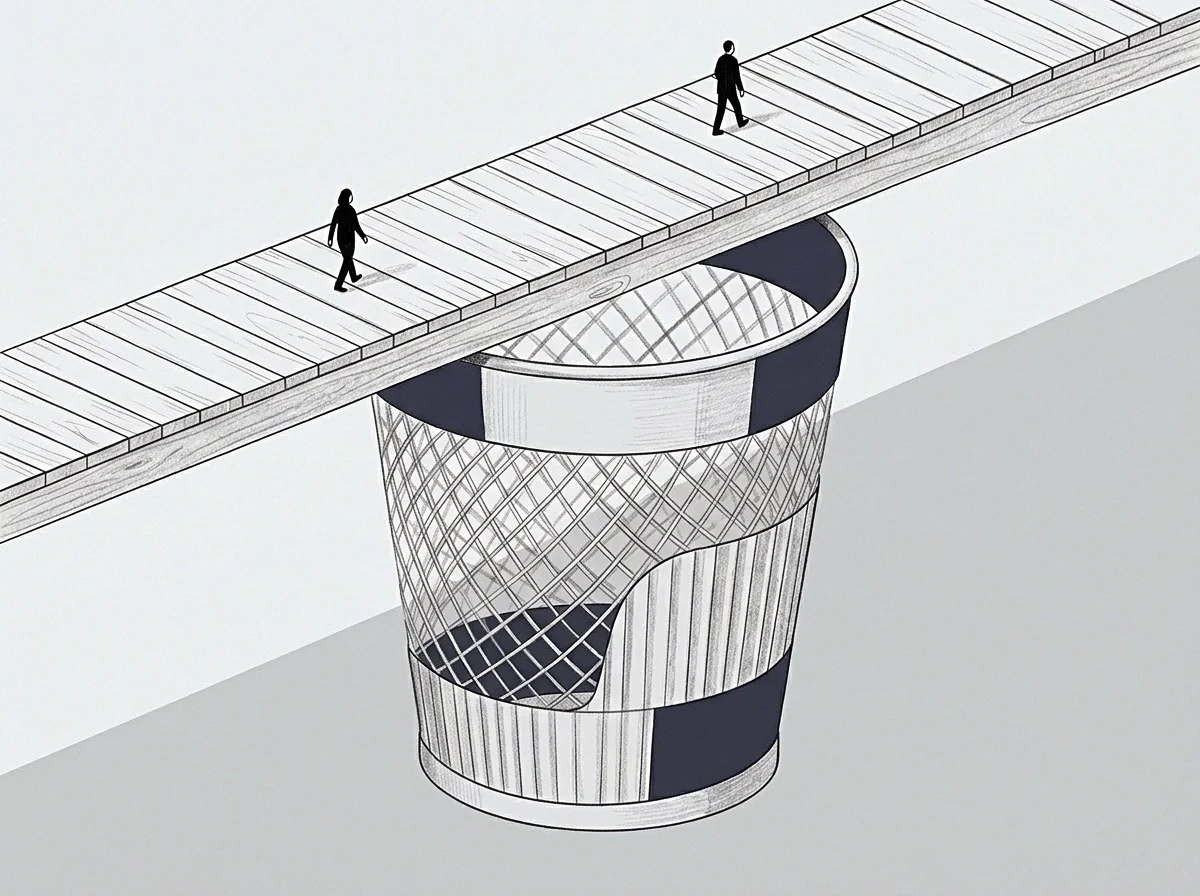
Load
Four operational escalation channels sit open on a workstation at midnight while secondary nodes remain idle. Incident notifications arrive every seven minutes from regional teams holding formal jurisdiction over the affected assets. Incident commanders route these tickets inward toward the central operator, who previously absorbed operational ambiguity without visible distress.
In operational systems, unpartitioned risk migrates along lines of demonstrated stability. The operator answers each query, restores transaction throughput, and carries the systemic strain in working memory, paying for team throughput with sleep and cardiovascular reserve.
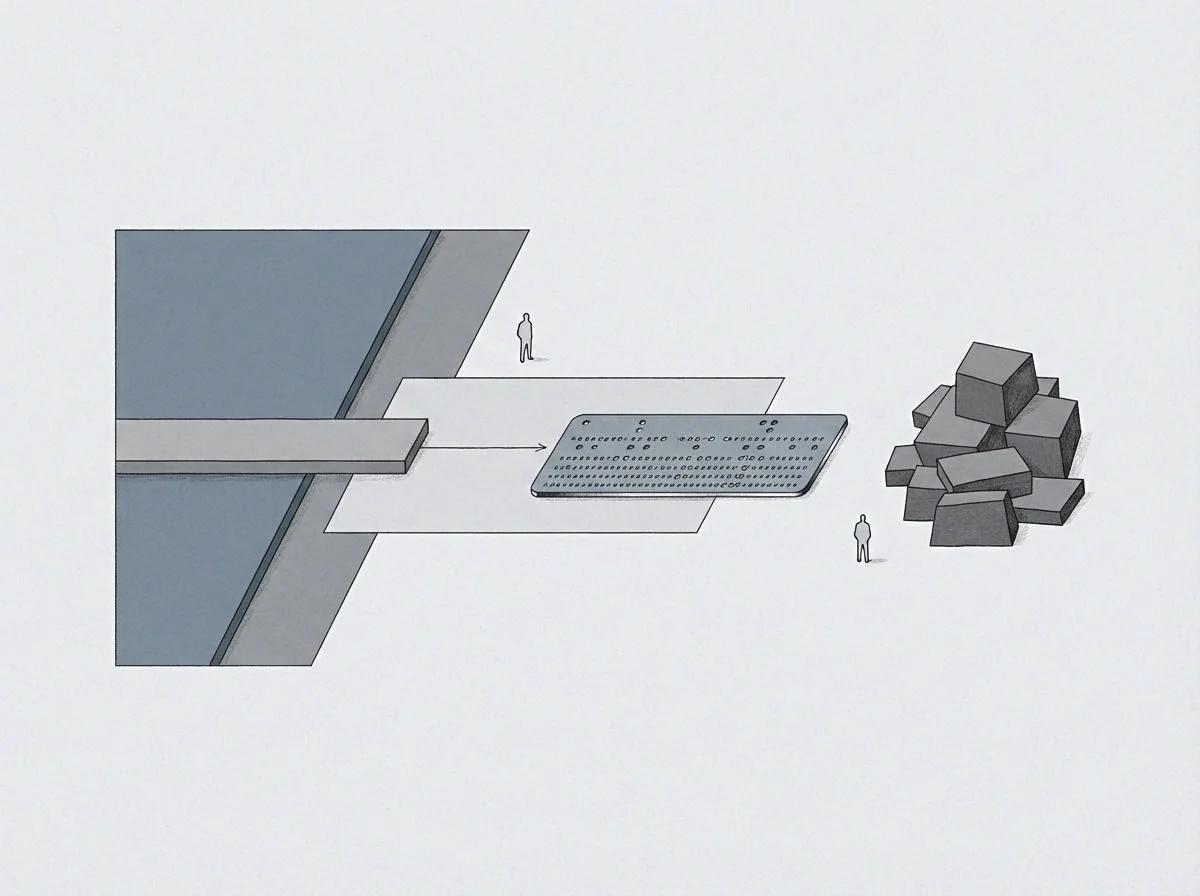
Escalation Trajectories Across Operational Baselines
Stress physiology research on allostatic load demonstrates that repeated neuroendocrine activation produces structural wear across vascular and neural tissues. When operational infrastructure lacks automated circuit breakers, human nodes absorb the unhedged variance. Social baseline theory indicates that the human brain budgets threat processing by factoring in proximity to competent conspecifics.
Proximity to a stable actor lowers the baseline neural cost of risk appraisal for the surrounding team. Peripheral operators treat an incident as manageable simply because the central operator remains visible in the communication loop, shifting analytical effort and regulatory strain onto that single point of contact.
A stable central node absorbs unhedged systemic variance whenever peripheral nodes operate without hard intake gates.
Peripheral actors experience genuine calm, drawing stability from the central actor without formal terms or explicit consent. Teams consistently read steady performance as surplus capacity. When an operational node demonstrates a regular heart rate and rapid issue resolution during acute failures, adjacent personnel increase their volume of non-triaged escalations.
The central operator internalizes that demand, treating baseline stability as an obligation to absorb peripheral disruption unilaterally.
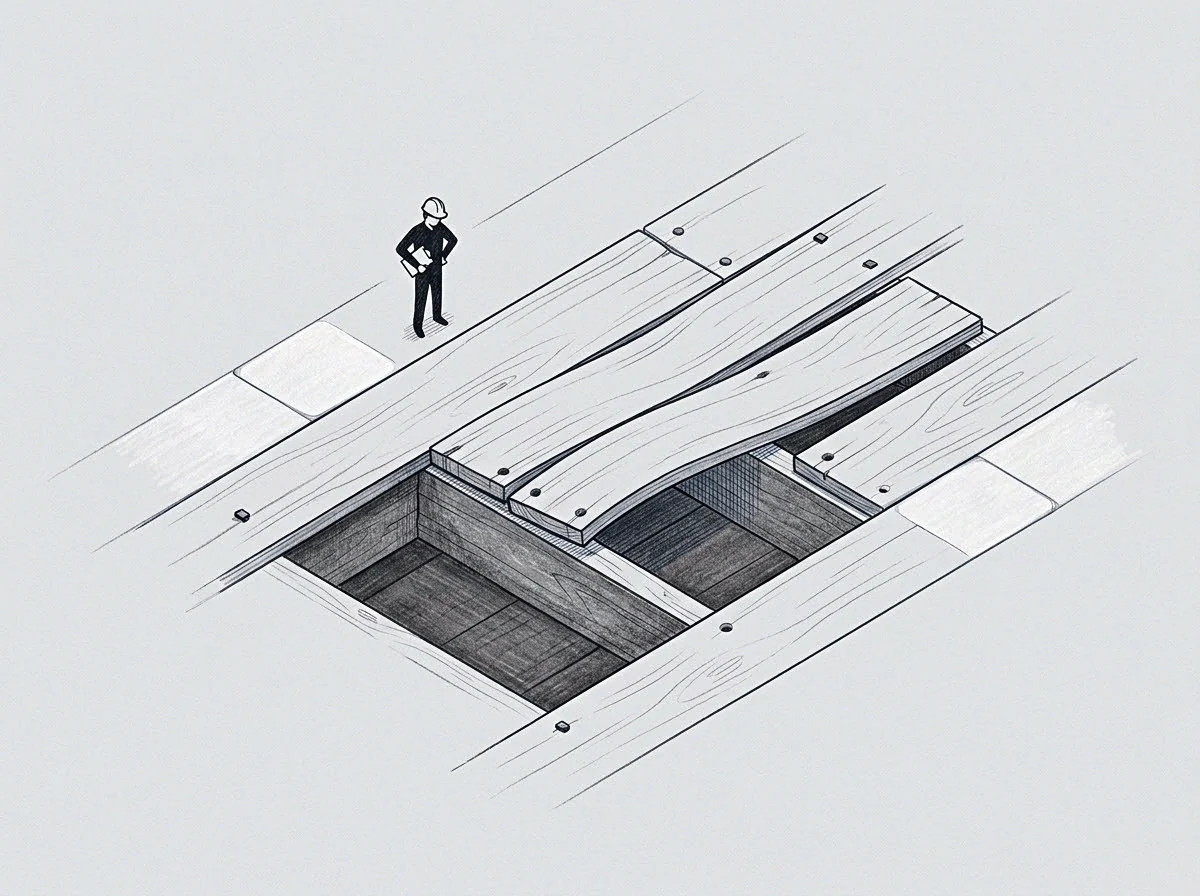
The Toll of Absorbing Systemic Shock
Physical exhaustion in operational leadership frequently reflects sustained metabolic depletion rather than raw task density. The central nervous system treats chronic, unshared risk exposure as a continuous environmental threat, where sustained sympathetic tone depletes glycogen stores and breaks down sleep architecture. The operator continues triaging production anomalies because governance rules place no stop on incoming queues.
Without mechanical limits, operational risk flows toward whichever node shows the highest baseline tolerance, continuing until biological exhaustion forces a shutdown of the central seat.

Split
Partitioning operational liability requires formal separation between incident intake and executive intervention. When risk is spread across multiple distinct operating points, each node retains bounded jurisdiction over specific failure domains. Cross-functional systems maintain structural integrity when exposure limits remain visible to every participant.
Decoupling personal baseline steadiness from triage protects individuals from biological exhaustion.
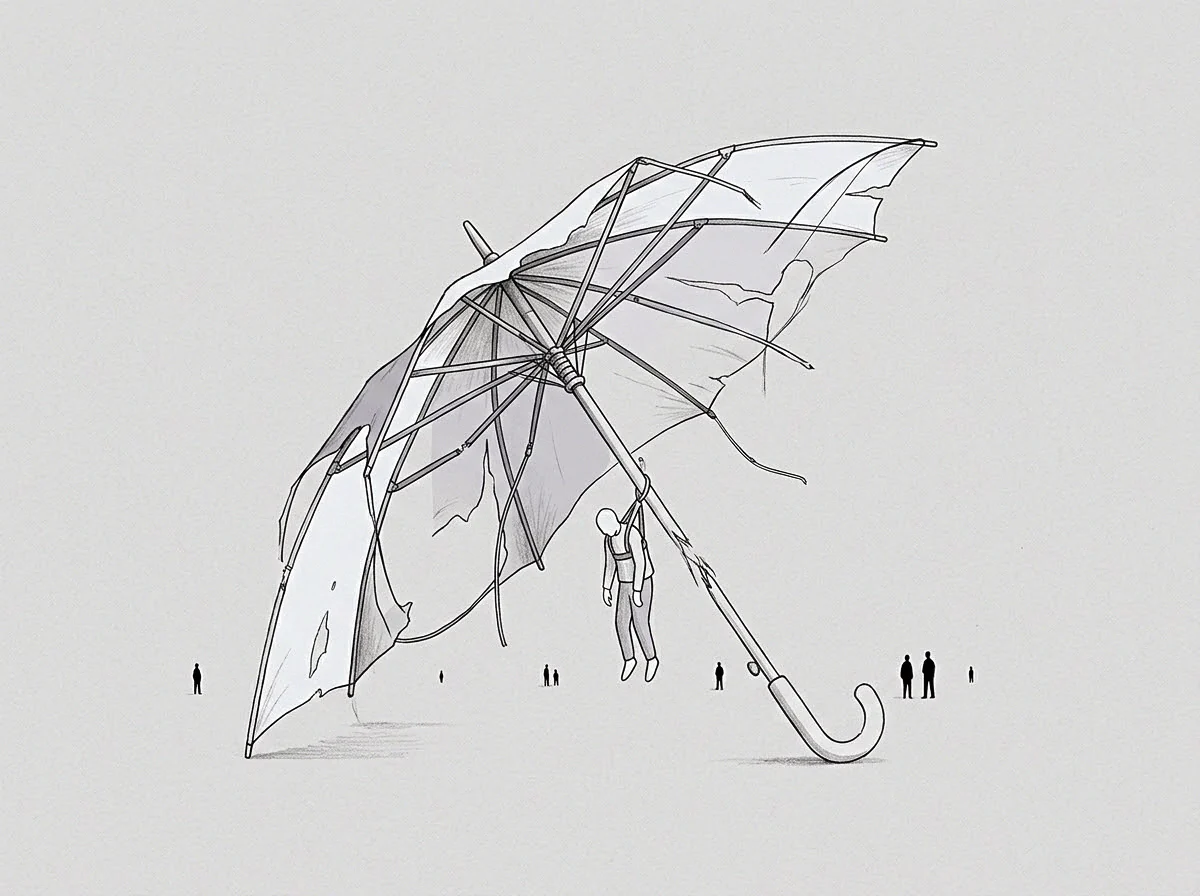
Structural Allocation of Decision Authority
Distributing operational risk across independent operating centers requires explicit terms for decision ownership. Each node takes exclusive responsibility for a defined failure class, preventing risk from pooling at a central hub. In laboratory evaluations of collective decision-making under acute threat, teams relying on a single central figure collapse when informational throughput exceeds four concurrent streams.
Decentralized operating protocols distribute sensory and regulatory burdens across discrete nodes, maintaining continuity through rolling infrastructure shocks.
| Governance Dimension | Single Node Concentration | Multi Node Partitioned Distribution |
|---|---|---|
| Intake Routing Mechanism | Informal bilateral escalation to central actor | Algorithmic routing to designated topic owners |
| Decision Authority Range | Centralized veto across all operational domains | Jurisdictional boundaries per operational node |
| Regulatory Expense Carrier | Central operator personal baseline capacity | Shared latency buffers and distributed rosters |
| Failure Recovery Dynamic | Sudden catastrophic stoppage upon operator exhaustion | Graceful degradation across independent operating segments |
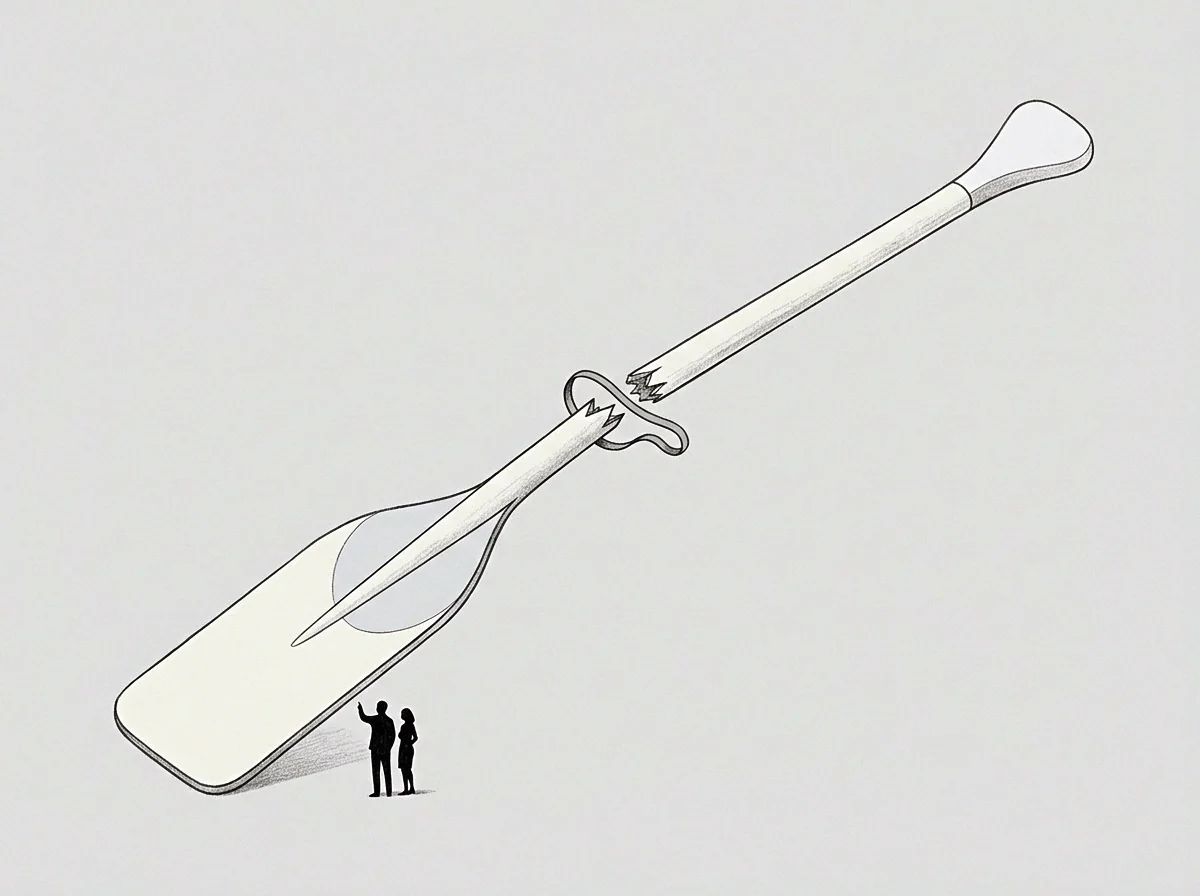
Bilateral Risk Partitions and Operational Headroom
Headroom represents the unallocated processing capacity available to an operating node before performance begins to slip. In single-node configurations, systemic volatility quickly exhausts cognitive and attentional headroom, forcing the node into constant crisis response and leaving zero room for preventative governance. Multi-node distribution splits incoming threat traffic into independent queues, preventing any single operator from carrying peak allostatic load across consecutive cycles.
The central operator leaves the desk at six in the evening as the shift rotates on schedule.
A partitioned operational contract enforces specific domain liability while barring peripheral escalations from bypassing local node filters.
Structural governance depends on explicit risk-transfer protocols. Peripheral units cannot hand off an unresolved anomaly without submitting complete telemetry and initial remediation logs. Establishing this jurisdictional boundary alters the escalation path, making local resolution less costly in time and effort than an inter-node handoff.
Bench
Personnel at active duty stations must rely on established protocols rather than personal devotion. Physical desks, rotation rosters, and handoff routines form the practical architecture of distributed risk governance. When an operator leaves a console, the governance protocol must transfer operational risk to the successor without conversational friction.
Attachment research indicates that individuals construct internal working models around relational predictability; if an operator learns that stepping away triggers systemic failure, the nervous system resists disengagement. Structured handoff protocols dismantle that loop.
Physical Seats and Delegation Realities
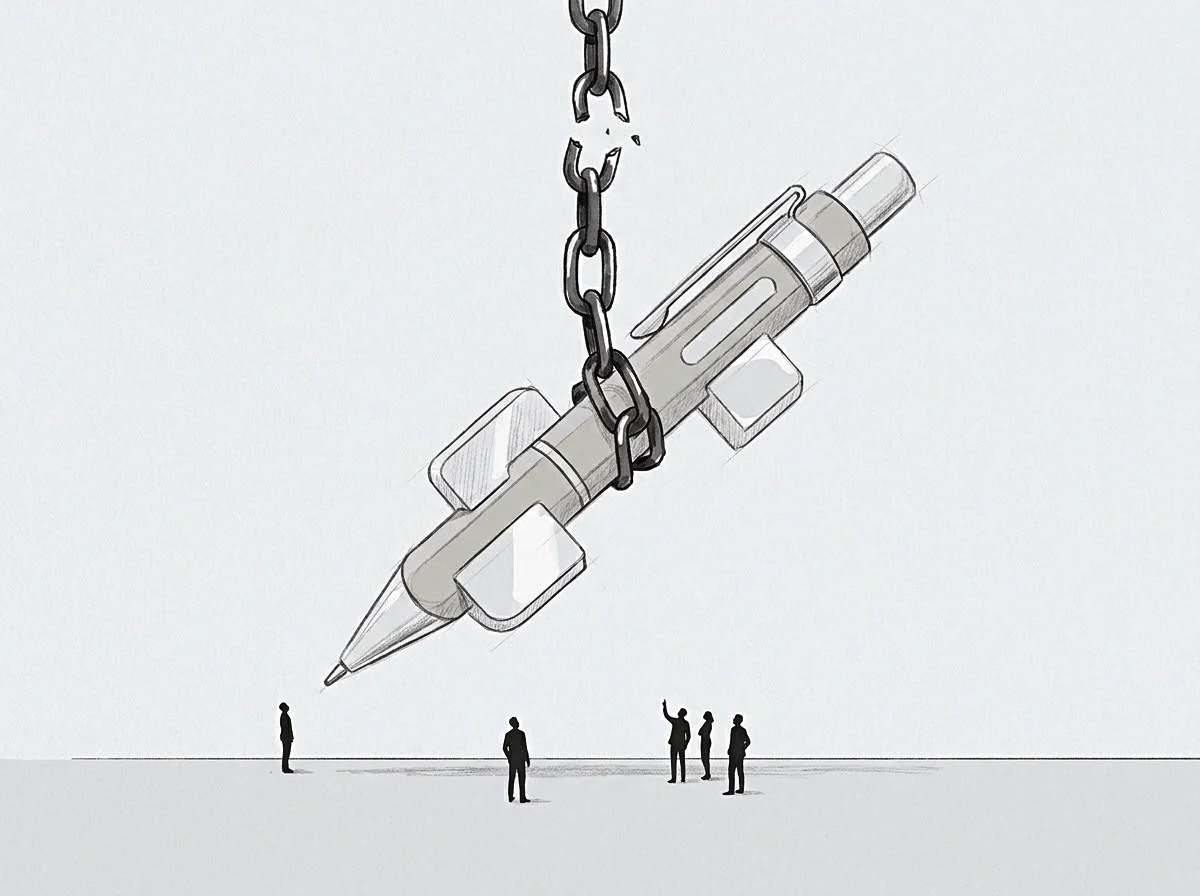
Distributing operational exposure requires verifiable redundancy. A backup operator who lacks institutional authority provides only nominal coverage. Genuine distribution requires secondary nodes to hold the same jurisdictional mandate, legal standing, and administrative credentials.
During a crisis, the secondary node executes mitigations without consulting the central figure. Research across aviation and petrochemical environments shows that junior operators hesitate to act whenever a senior operator remains reachable. Operational distribution therefore requires enforced silence from senior staff while secondary nodes run their shifts.
Does Distributed Governance Prevent Concentrated Strain?
Separating authority across multiple seats reduces cognitive strain only if secondary nodes stop seeking informal guidance. When governance establishes multiple desks but leaves backchannels open, risk migrates off-book. A junior desk pings the senior desk privately during unexpected telemetry shifts, and the senior desk answers out of habit.
Risk flows backward into the central position despite organizational charts, leaving the senior operator reading incident feeds on a mobile screen during off-hours.
Physical distancing breaks backchannel dependence. Operating agreements should prohibit primary operators from accessing monitoring telemetry during scheduled rest intervals. The secondary operator confronts the incident, handles the physiological pressure of direct accountability, and resolves the issue using documented runbooks.
Direct responsibility builds competence across secondary seats while extending central node longevity. The arrangement holds only if the off-duty operator ignores informal outreach.
The secondary operators solved the incident according to standard operating documentation while the senior partner remained offline.

Buffer
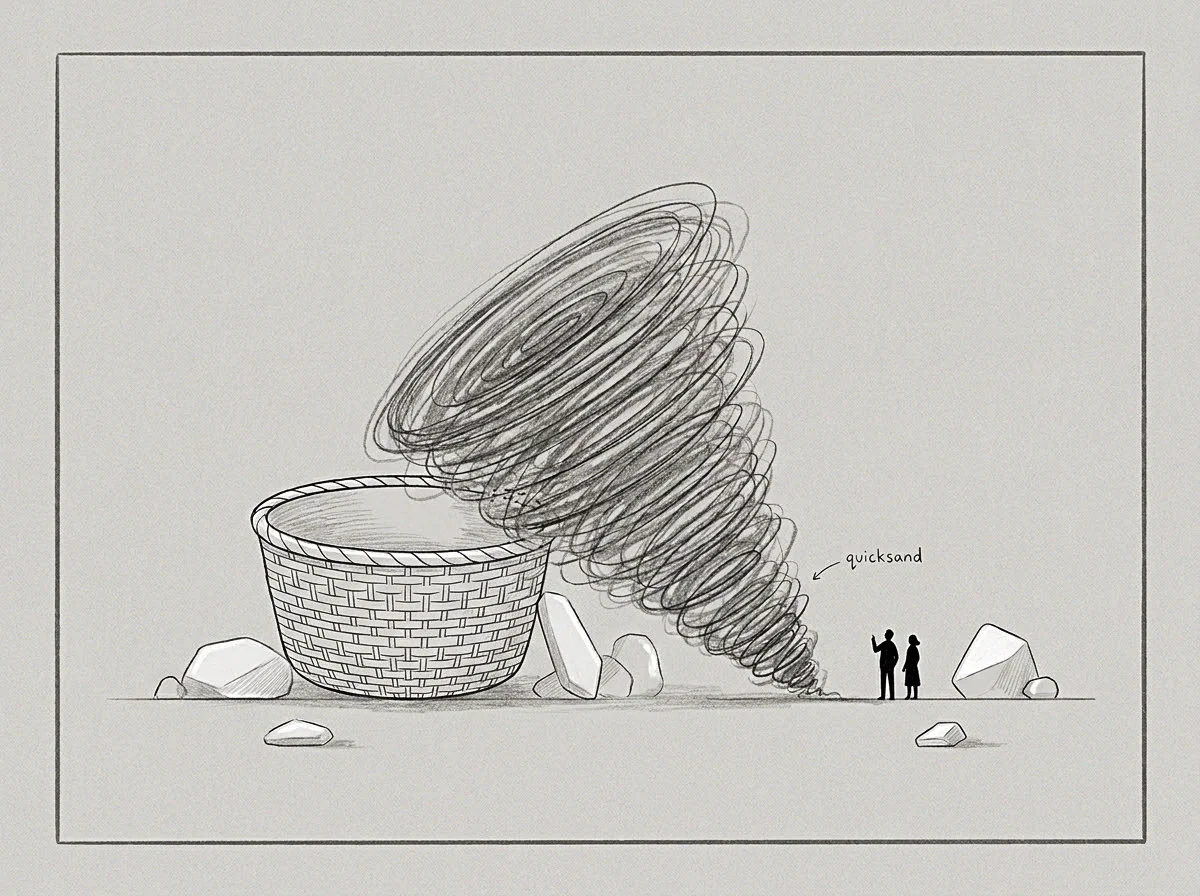
Temporal elasticity protects operating nodes from rapid cognitive and attentional depletion. When operational protocols demand immediate responses, staff operate under continuous sympathetic arousal. Structured evaluation delays separate initial alarm from deliberate action, giving operators time to determine whether an anomaly is an active hazard or routine noise.
Latency Windows and Operational Throttle
Governance mechanisms require deliberate operational damping. Automated alerting systems often produce artificial urgency, causing adrenaline surges across teams without operational need. Enforcing a twenty-minute triage window for non-terminal telemetry changes significantly reduces cortisol release on active shifts.
During this window, automated diagnostics gather contextual traces, sparing human operators manual collection under pressure and preserving focus for complex decisions.
- Structural Latency Buffers delay mandatory escalation signals for transient anomalies to verify persistent deviation.
- Intake Volume Throttles restrict concurrent ticket ingestion per operator seat to prevent working memory fragmentation.
- Bilateral Handoff Cool-Downs require outgoing operators to complete thirty minutes of non-operational debriefing before exiting duty.
- Decoupled Authority Boundaries permit secondary nodes to halt downstream systems without executive authorization during unhedged threat states.
Measured Physiological Recovery under Load
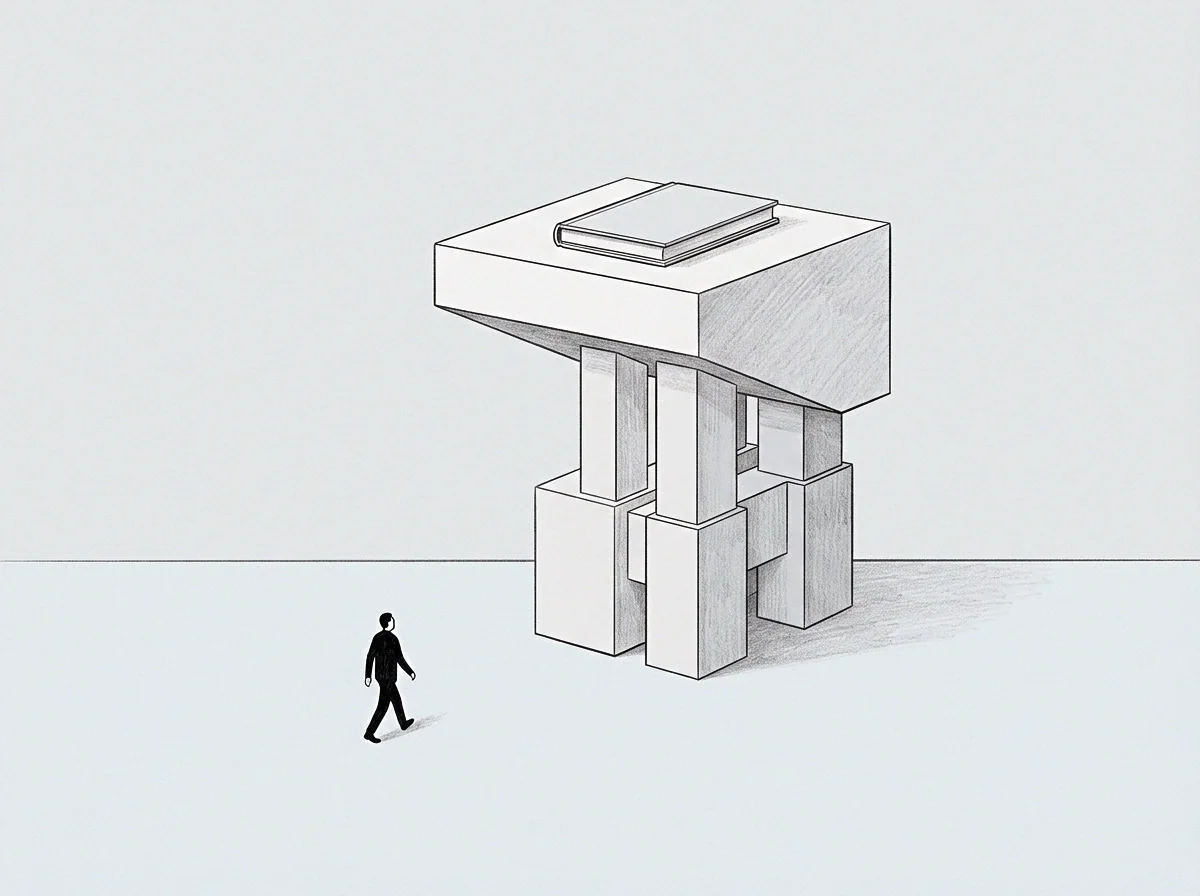
Continuous operational pacing degrades resilience over time. The human nervous system requires regular recovery intervals to re-establish autonomic balance. In occupational studies of air traffic controllers, mandated micro-breaks of twelve minutes every two hours prevented vigilance drops and sustained baseline processing speeds over long shifts.
Scheduled pauses allow staff to restore glucose levels and clear fatigue, keeping vigilance stable across shifts without depending on extraordinary personal effort.
A team that relies on individual heroics during normal operational volatility maintains flawed structural governance.
In maritime navigation, officers rotate watches regardless of sea conditions. A vessel moves through heavy fog because the watch rotation follows chronological time rather than the commanding officer’s apparent stamina. Rested personnel man the bridge while senior officers sleep below deck; safety comes from adhering strictly to the schedule.
Operational stability scales with the consistency of mandated rest intervals.

Limit
Non-negotiable operational boundaries protect organizations from systemic collapse. When a node reaches capacity, structural controls must deflect incoming work automatically rather than leaving it to negotiation. Expecting an exhausted operator to signal personal limits is ineffective, as chronic stress impairs the self-awareness required to recognize fatigue.
Mechanical throttling enforces the boundary when individual judgment breaks down.
The Stated Boundary Against Free Absorption
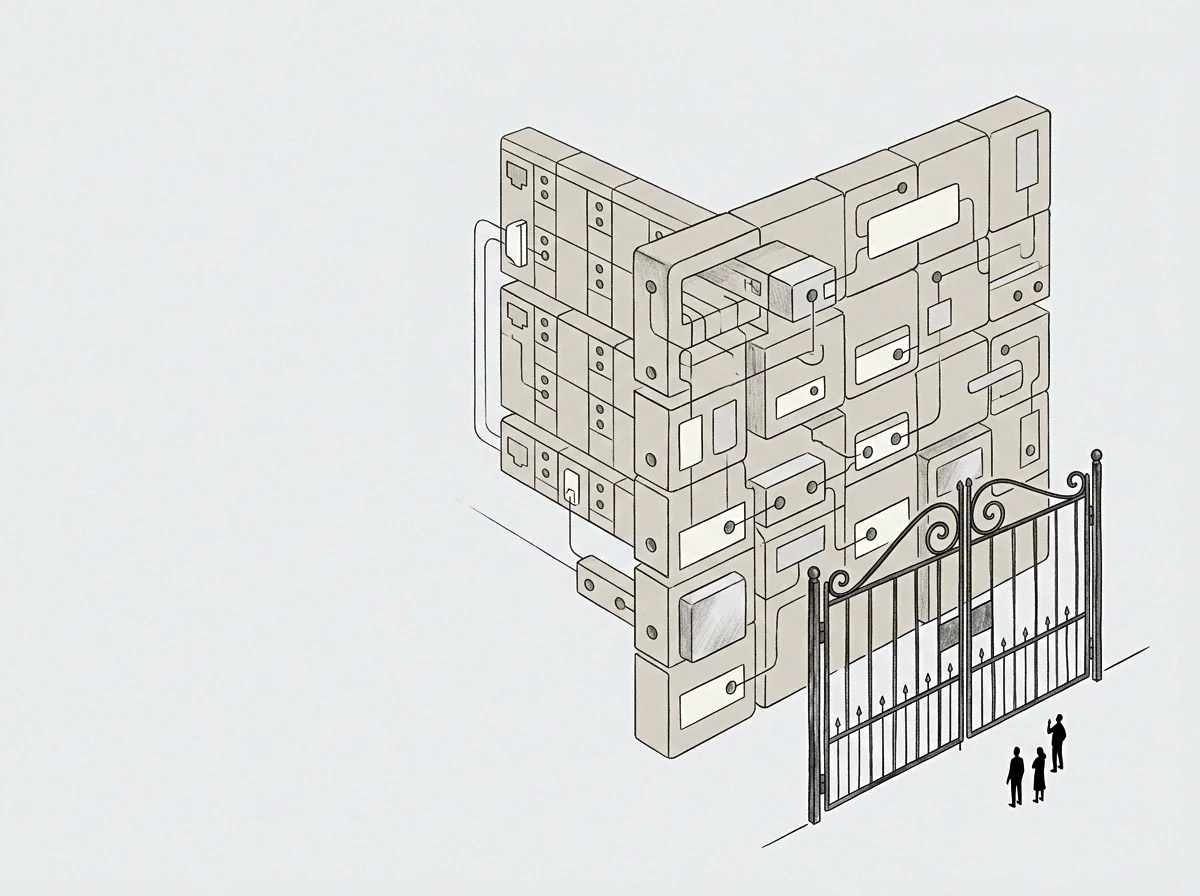
Operating protocols require explicit rejection criteria for incoming risk. When an incident ticket lacks standardized diagnostic data, the system rejects it automatically. This requirement forces peripheral senders to structure their operational data properly before drawing on central processing capacity.
Firm criteria remove interpersonal negotiation from handoffs: the operator does not debate whether to step in, because the protocol simply declines incomplete submissions.
Stating non-negotiable intake parameters terminates the covert relational contract that permits peripheral nodes to extract unmeasured regulation from steady operators.
Moving to distributed governance creates friction. Peripheral teams used to passing ambiguous problems to a central figure push back against structural gates, framing automated refusal as bureaucratic gridlock. The central operator feels acute pressure to step in and clear the queue manually, but doing so re-establishes single-point failure.
Holding the line requires absorbing peripheral frustration until teams adapt to handling their own baselines.
Repeated Contractual Execution as Structural Update
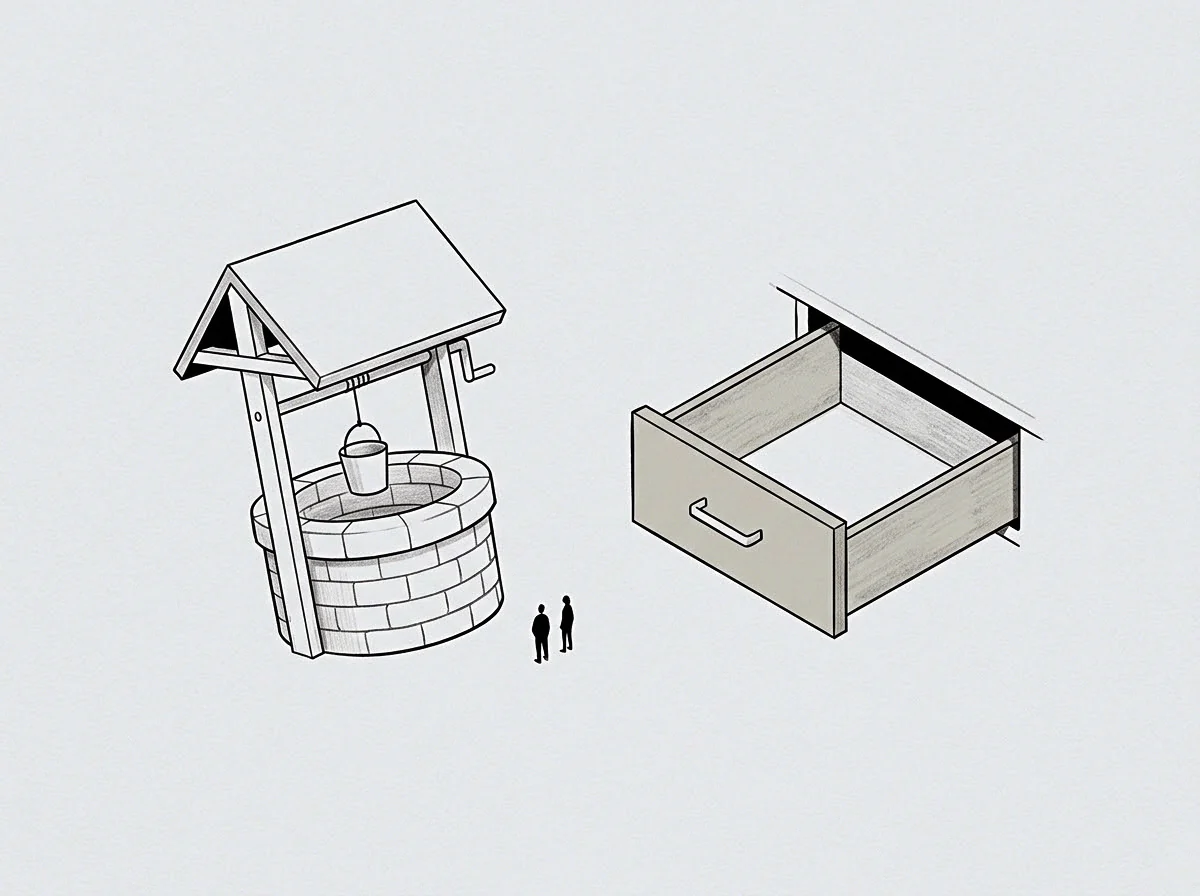
Sustainable risk distribution changes operating culture through direct repetition rather than conceptual agreement. Understanding governance models leaves ingrained habits intact. Work patterns change only when peripheral nodes consistently meet firm intake barriers, resolve incidents locally, and see operations continue without central intervention.
Over successive quarters, those nodes build practical self-sufficiency, while the central operator learns that stepping back does not cause systemic failure. That shared operating history establishes distributed resilience across every active seat.
What remains undetermined is the volume of localized failure an organization will tolerate before leadership dismantles the boundary and pulls the central operator back into the breach.