
Operational Working Memory Degradation across Multiple Active Channels
Operational working memory degrades when unclosed communication channels exceed prefrontal slot limits, causing information decay and context-switching interference.
Desk
The Architecture of Concurrent Channels
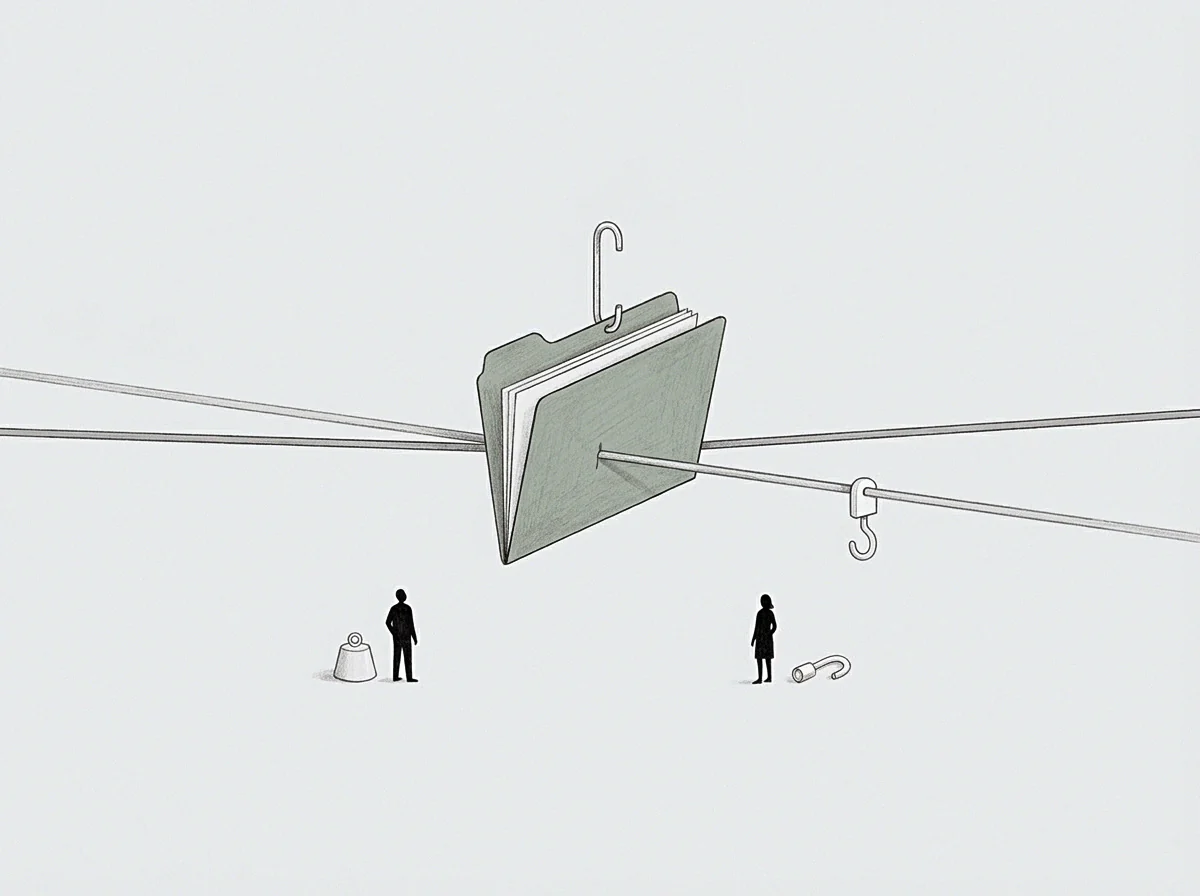
Four messaging streams sit unread while an engineer waits for an architectural decision and an investor requests an updated financial projection by morning. The operator attempts to draft the strategic document while keeping the open threads active in mind. Cognitive processing slows.
Retrospective recall drops. Small details from the messages slip out of awareness within minutes of reading. The state appears as emotional overwhelm, yet physiological measurements of working memory confirm a mechanical bottleneck in executive maintenance.
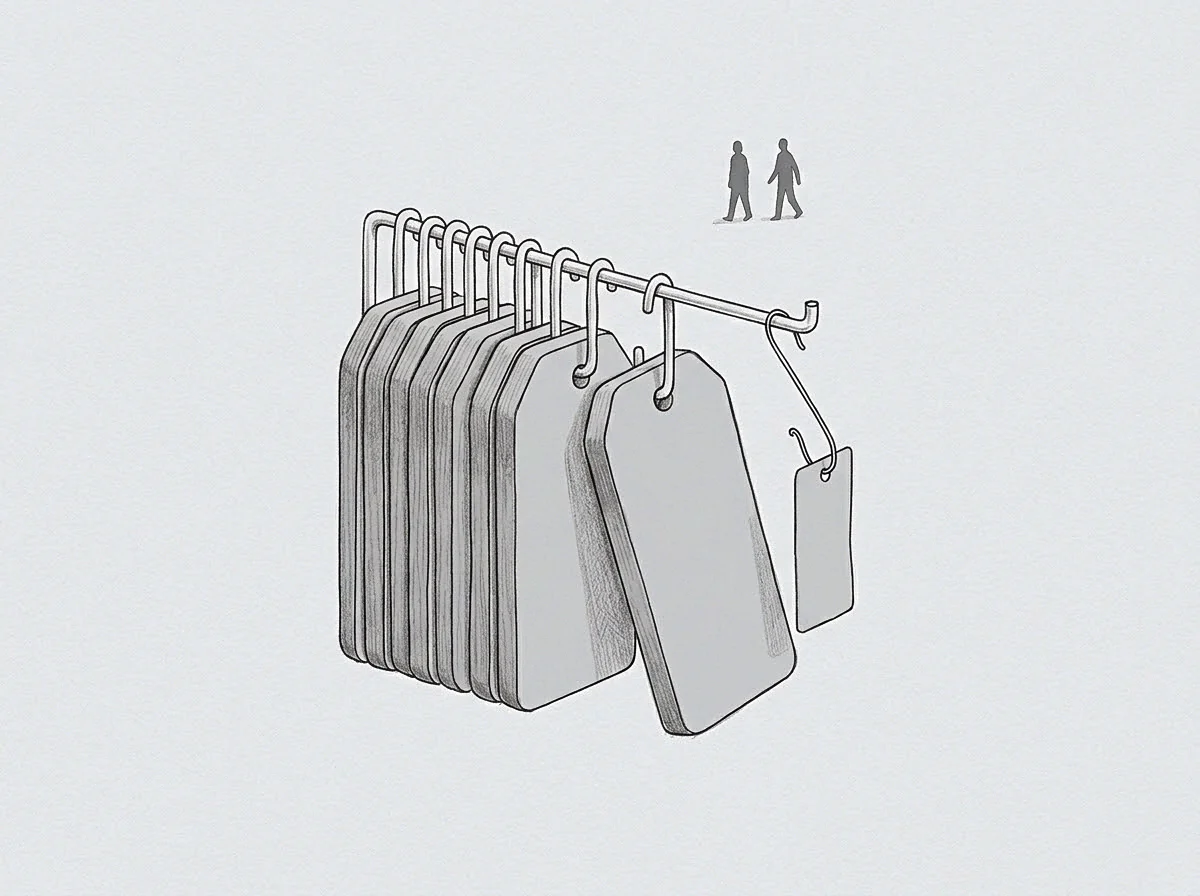
The human brain holds a strict limit of working memory slots, traditionally identified as four focus items or working clusters. When multiple communication channels remain active, each unclosed loop occupies one of these dedicated allocations. The workspace available for complex problem-solving shrinks proportionally.
Attention splits clean.
Working memory relies on the prefrontal cortex to store information temporarily while manipulating active concepts. Each active channel demands continuous active maintenance through subvocal rehearsal or attention refreshing. When five distinct operational issues compete for these four slots, the central executive drops item features, misses critical contextual qualifiers, and experiences rapid information decay across all channels simultaneously.
Storage drops to zero.
Operational working memory capacity drops rapidly when unclosed communication loops occupy executive storage allocations.
The Misreading of Attentional Throttling
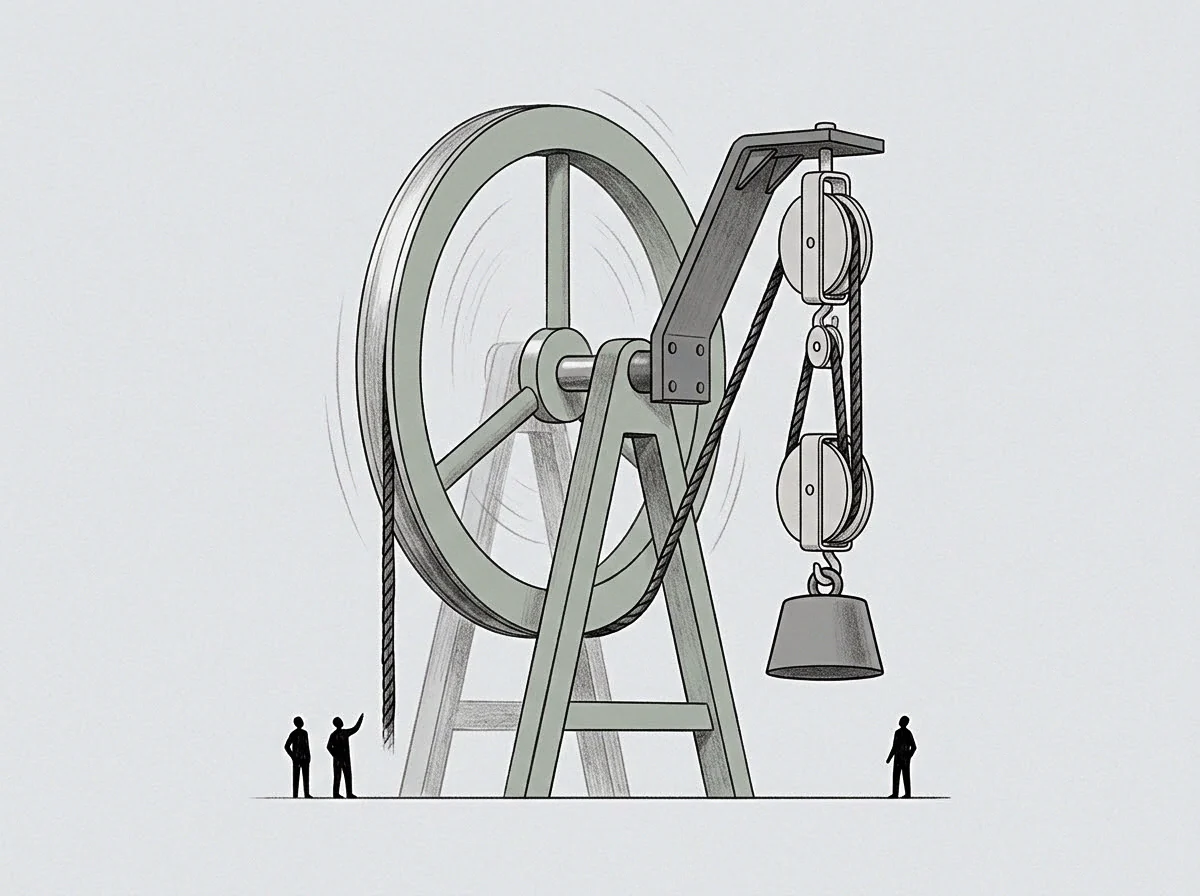
The operational degradation resulting from channel overload is frequently misdiagnosed as clinical burnout or emotional disengagement. A throttled system acts to preserve basic processing by shutting down speculative or reflective thought while retaining reactive execution. The operator continues answering routine pings while losing the ability to synthesize multi-variable strategy.
Memory clears slow.
The system degrades.
When external parties observe this sudden drop in strategic bandwidth, they interpret the shift as a loss of commitment or a failure of organizational leadership. The counterparty notes that responses have become brief, literal, and devoid of forward-looking initiative.
Capacity
Quantifying Executive Resource Limits
Working memory relies on distinct sub-components: the phonological loop for verbal data, the visuospatial sketchpad for spatial information, and the central executive for attentional routing. Incoming notifications across digital platforms force constant context reassignment within these sub-systems. The count stays fixed.
Information held across concurrent channels undergoes rapid decay unless refreshed by active attention. The decay half-life for un-rehearsed information in high-concurrency environments sits between fifteen and thirty seconds. When three distinct threads request decision output within the same minute, the working memory representation of the first thread suffers structural interference from the second and third threads.
The memory trace degrades before execution finishes.
| Channel Type | Slot Allocation | Decay Half-Life | Interruption Frequency |
|---|---|---|---|
| Gated Asynchronous Thread | 1 Slot | 120 Seconds | Low (Scheduled) |
| Ungated Operational Ping | 2 Slots | 30 Seconds | High (Unpredictable) |
| Open Strategic Negotiation | 3 Slots | 15 Seconds | Continuous |
| Data reflects executive control capacity under concurrent processing demands. | |||
Interference Mechanics and Slot Exhaustion
Proactive interference occurs when previously processed details disrupt the storage of new data, whereas retroactive interference happens when fresh inputs overwrite existing stored details. In environments with five active channels, both forms of interference execute simultaneously. A financial metric read in one thread bleeds into the product specification being reviewed in another.
Pressure builds fast.
Operating continuously at ceiling causes the prefrontal cortex to down-regulate working memory maintenance to protect basic autonomic regulation. The cognitive apparatus shifts from high-level reasoning to low-level habit structures. When channel overload forces slot allocation beyond structural boundaries, executive decisions default to immediate surface patterns rather than deep structural analysis.

Switch
The Worked Case of Un-Gated Operations
Consider an operational arrangement where a founder manages three distinct direct-report channels alongside an open board communication line. Assume all four channels operate without agreed delivery windows or scope boundaries. The operator attempts to draft a multi-year capital allocation plan between 09:00 and 12:00.
During this three-hour window, twelve incoming requests arrive across the four streams, each requiring brief working memory evaluation to determine urgency.
Every incoming message triggers an executive context swap. The central executive must flush the current contents of working memory, load the schema relevant to the incoming channel, form a temporary working representation, evaluate the priority, and then attempt to reload the original strategic schema. Context shifts cost time.
The time required to fully restore original deep-focus working memory content after a brief disruption ranges between fifteen and twenty-four minutes. Twelve disruptions within three hours guarantee that the strategic schema is never re-established in full fidelity. The strategy document produced under these conditions contains logical gaps, forgotten structural dependencies, and superficial metric targets.
A context shift between un-gated channels flushes active working memory slots before execution completes.
The Cost of Mental Loop Retention
Holding un-gated loops in working memory generates a persistent background load termed attentional residue. The operator retains micro-memories of unresolved questions while attempting to execute current tasks. The central executive allocates partial capacity to tracking the status of external threads, leaving reduced headroom for current primary tasks.
What structural modifications occur in working memory architecture when channel concurrency remains elevated over several months?
Leakage

Is Working Memory Degradation Reversible During High Concurrency?
Continued operation under multi-channel load forces the central executive to adopt aggressive information shedding policies. Working memory drops non-essential qualifiers first. Details such as dates, specific numerical boundaries, conditional logic clauses, and emotional tones attached to messages drop from the stored representation, leaving only crude categorical summaries.
The system manifests identifiable failure modes across daily executive tasks:
- Categorical Flattening occurs when nuanced proposals are reduced to binary choices due to insufficient working memory storage for multi-variable trade-offs.
- Temporal Transposition happens when historical constraints are misapplied to current situations because time-stamps drop from active storage.
- Instruction Bleed arises when rules from one active channel inadvertently dictate decisions made in an adjacent operational thread.
- Omission Errors emerge when multi-step procedures lose intermediate steps during context switches.
The degradation process follows a precise structural sequence. First, precision drops. Next, secondary context disappears.
Finally, basic execution loops stall as the central executive reaches total capacity saturation. The slot drops out.
Unclosed operational loops consume executive storage regardless of subjective emotional distress.
Shedding Mechanics Under Peak Load
To survive continuous cognitive input, the mind performs involuntary load shedding. It forgets pending commitments that lack physical tracking markers. It mislays recently acquired facts and exhibits word-finding delays during verbal communication.
These symptoms reflect an operational adaptation to excessive concurrency rather than underlying neurological decline.
The line holds firm.
Un-gated communication lines inevitably degrade executive working memory regardless of individual discipline or experience.
Vault
Structural Gating of Active Threads
Stabilizing working memory performance demands replacing open-loop processing with strict structural gating mechanisms. Gating converts an active internal loop that consumes working memory allocations into an externalized, static artifact that carries zero real-time cognitive cost. Scope sets the line.
The implementation of structural gates follows a sequential progression:
- Explicit temporal windows restrict channel accessibility to predefined processing blocks, preventing mid-execution interruptions.
- Standardized message protocols force senders to state scope, required decision criteria, and hard deadline dates within the first sentence.
- Asynchronous tracking logs record thread state externally, freeing the central executive from maintaining mental status updates.
The state changes fast.
When an open loop receives a defined scope, fixed execution date, and clear completion terms, its cognitive cost drops to zero. The working memory slot previously occupied by that thread clears immediately, restoring processing headroom to the central executive.
A stated term that defines execution scope, hard response date, and clear decision boundaries converts an active channel from an un-gated cognitive drain into a static external record.