
Preserving Founder Working Memory When Urgent Operational Panics Repeatedly Bypass Every Formal Intake Protocol
Executive working memory collapses under continuous operational panics unless automated circuit breakers and strict triage bounds isolate prefrontal maintenance.

Surge
Direct operational alerts flood real-time channels when a deployment fails or a key client threatens cancellation. A founder sitting in the primary operating seat experiences these signals as immediate demands on attention. Intake software, ticketing queues, and scheduled review meetings exist precisely to standardize incoming work.
Panic strips away these organizational buffers within seconds. The sender calculates that bypassing standard channels guarantees a faster response from the person holding ultimate responsibility.
Working memory handles four active conceptual chunks simultaneously under optimal conditions. An emergency ping forces an instant context switch, wiping the current mental working state to load the incident parameters. When three separate team members send simultaneous urgent messages across different chat apps, the working memory buffer collapses.
Decisions made in this state rely on short-term heuristic shortcuts rather than full system analysis.
The human prefrontal cortex manages working state through active retention loops. Interruption breaks these maintenance loops completely. Restoring the prior operational context takes between fifteen and twenty-five minutes once the emergency resolves.
Continuous panics eliminate the mental space needed to solve structural problems, locking the executive into a reactive loop.
Systemic capacity breaks when real-time interruption load exceeds the prefrontal maintenance rate.
Operational teams quickly observe which channels yield immediate responses. If a direct message to a founder bypasses a three-hour triage process, direct messages become the rational default for all time-sensitive work. The formal intake system becomes a ghost protocol, existing on paper while real operations run through raw personal interruption.
Over time, the organization loses its ability to rank issues by genuine severity.
Repeated operational intrusions extract a compound cognitive tax. Early in an emergency cascade, executive performance appears high because adrenaline sharpens temporary focal acuity. Sustained exposure degrades information synthesis, working memory span, and emotional regulation.
The executive stays stuck in survival routing, treating minor software bugs with the same internal urgency as a regulatory crisis.
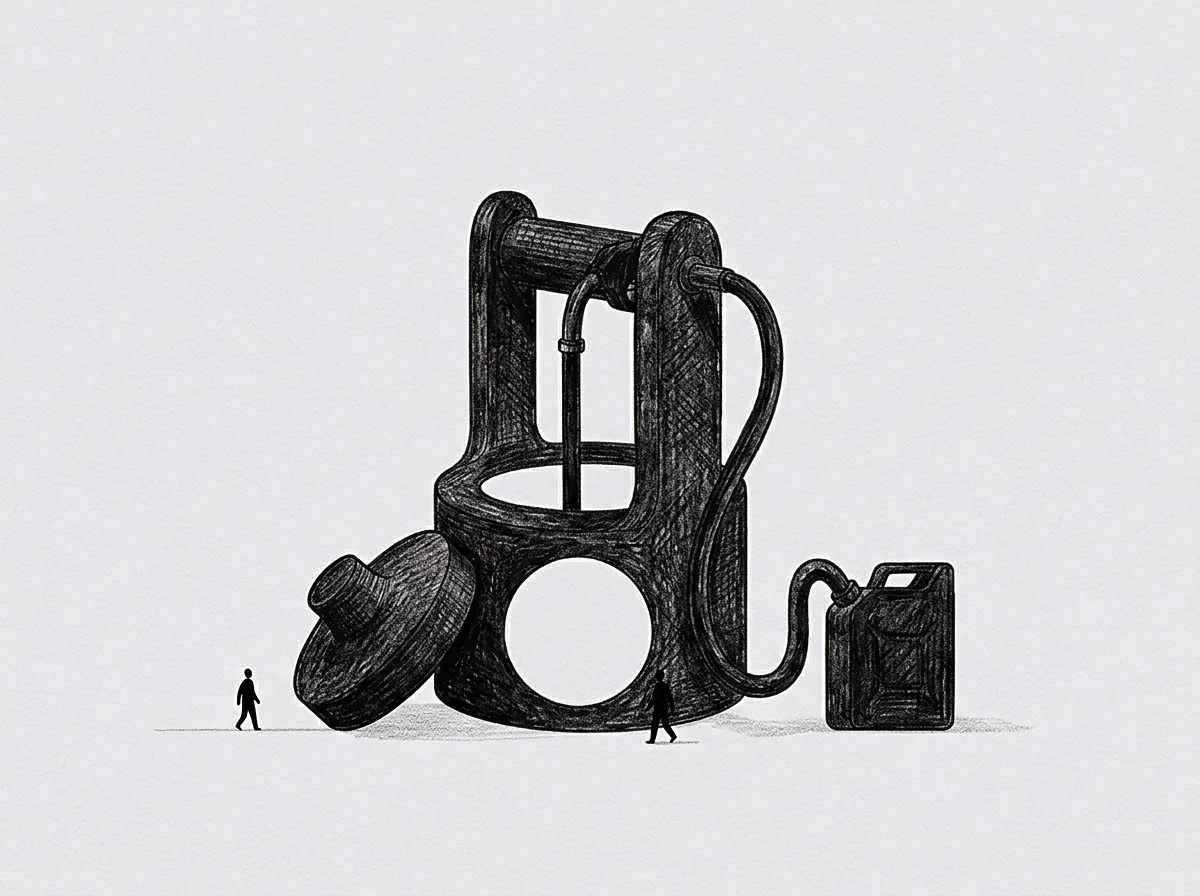
Valve
Structural choke points control raw incoming load before messages hit the executive layer. Operational panic operates on emotional velocity rather than factual severity. Without an external filter, every message arrives at maximum priority.
An incoming triage circuit evaluates incident parameters against explicit financial and operational thresholds before granting access to executive working memory.
The difference between cognitive state and subjective mood determines how systems perform under load. Mood reflects an output feeling with no structural authority. State forms the transfer function that dictates what an incoming input actually produces.
An executive in a low-capacity state cannot process complex architectural choices regardless of personal determination. Systems that depend on human willpower during crises fail reliably because crisis state drains the exact cognitive reservation required to enforce protocol discipline.
Formal intake mechanisms fail when they lack physical or automated enforcement. Soft guidelines asking staff to refrain from direct messaging during outages never survive an active system failure. Pressure pushes against soft guidelines until they buckle.
An intake route functions as a real barrier only when technical access is restricted or physically isolated.
| Routing Configuration | Founder Switching Load | Panic Attenuation Rate | Latency to First Intervention | Circuit Breaker Reliability |
|---|---|---|---|---|
| Direct Alert Relay | Maximum continuous disruption | Zero percent reduction | Under two minutes | Zero percent structural isolation |
| Asynchronous Intake Triage | Moderate intermittent disruption | Forty-five percent reduction | Fifteen to thirty minutes | Fifty percent structural isolation |
| State-Gated Escalation Circuit | Minimum controlled disruption | Eighty-five percent reduction | Determined by threshold criteria | Ninety-five percent structural isolation |
Engineers and operations leads naturally seek the shortest path to resolution during an outage. Direct access to executive authority offers rapid sign-offs on risky fixes or budget overrides. Removing this direct path forces teams to develop local diagnostic capability and operational resilience.
Intake protocols hold only when technical boundaries remove the option of personal appeal.
When intake protocol enforces an asynchronous buffer, incoming panics lose emotional momentum. A written incident report requires structured detail: affected users, estimated financial loss, reproduction steps, and attempted mitigations. The act of writing this report forces the sender to transition from reactive emotion to analytical problem formulation.
Many supposed emergencies dissolve during the ten minutes needed to complete the triage template.
Switch
Hard operational circuit breakers disconnect high-stress inputs automatically when incoming velocity hits designated bounds. Standard guidelines suggest behavioral changes, whereas circuit breakers change systemic routing physics. A switch operates without human decision during the moment of crisis.
When system monitoring detects an influx of critical alerts, direct notifications shut down and reroute to a designated incident lead.

What Threshold Forces Emergency Interruption Back Into Intake?
An emergency escalation channel requires quantitative activation conditions rather than subjective urgency assessments. Objective triggers protect working memory by taking human discretion out of the loop. If an incident does not threaten active revenue streams above a defined percentage or exposure tier, standard intake rules apply unconditionally.
- Financial exposure minimums set clear monetary baselines before direct executive alerts activate, insulating working memory from minor operational variances.
- Systemic downtime duration measures continuous service interruption length, ensuring minor blips remain strictly within automated operational engineering queues.
- Data integrity risk classifications identify severe database corruptions, routing security panics through pre-authorized compliance procedures immediately.
- Legal liability markers highlight active breach threats, triggering specific emergency protocols while stopping routine administrative noise from escalating.
Decision-gated actions depend on executive choice and mental clarity at the moment of execution. State-gated actions execute automatically based on system parameters regardless of human preference. Safeguarding cognitive health requires converting critical intake boundaries from decision-gated promises into state-gated automated blocks.
Automated circuit breakers eliminate the cognitive cost of deciding whether to ignore a panic.
Staff members adapt quickly to hard system rules once direct override paths close completely. Initial friction gives way to clear operational routines when team members realize direct messaging yields no acceleration. Structural enforcement replaces personal refusal, maintaining healthy working relationships while preserving executive mental clarity.

Buffer
Time isolation spaces give executive working memory room to recover between decision cycles. Continuous micro-interruptions leave prefrontal networks in a persistent state of hyper-arousal. Setting explicit buffer windows blocks incoming operational pings during focused strategic blocks.
Panic messages collect inside the triage queue until the scheduled processing window opens.
Cognitive degradation follows predictable patterns when sustained operational noise interrupts deep analytical work continuously. Identifying these operational warning indicators allows teams to recalibrate intake rules before systemic failure occurs.
- Context persistence failure appears when an executive loses track of multi-step strategic calculations due to incoming message pings.
- Heuristic decision regression manifests as relying on oversimplified binary choices to clear pending operational messages rapidly.
- Focus switching fatigue emerges through physical exhaustion following hours of processing small, disjointed operational alerts.
- Signal sensitivity attenuation occurs when the capacity to differentiate critical systemic threats from background operational noise degrades completely.
An operational incident managed through an asynchronous buffer yields better long-term fixes than one handled via immediate panic calls. When an incident arises, a thirty-minute delay allows local operators to attempt initial resolution steps. In over half of standard operational alerts, local teams resolve the core issue before the executive buffer window even opens.
Buffer windows create room for local resolution before executive intervention becomes necessary.
Protection of working state stays effective only when emergency channels carry a clear cost for misuse. Unrestricted emergency access leads to operational tragedy of the commons, where every department uses the express lane for routine tasks. Requiring a formal post-incident review for every bypass invocation deters unnecessary protocol breaches effectively.
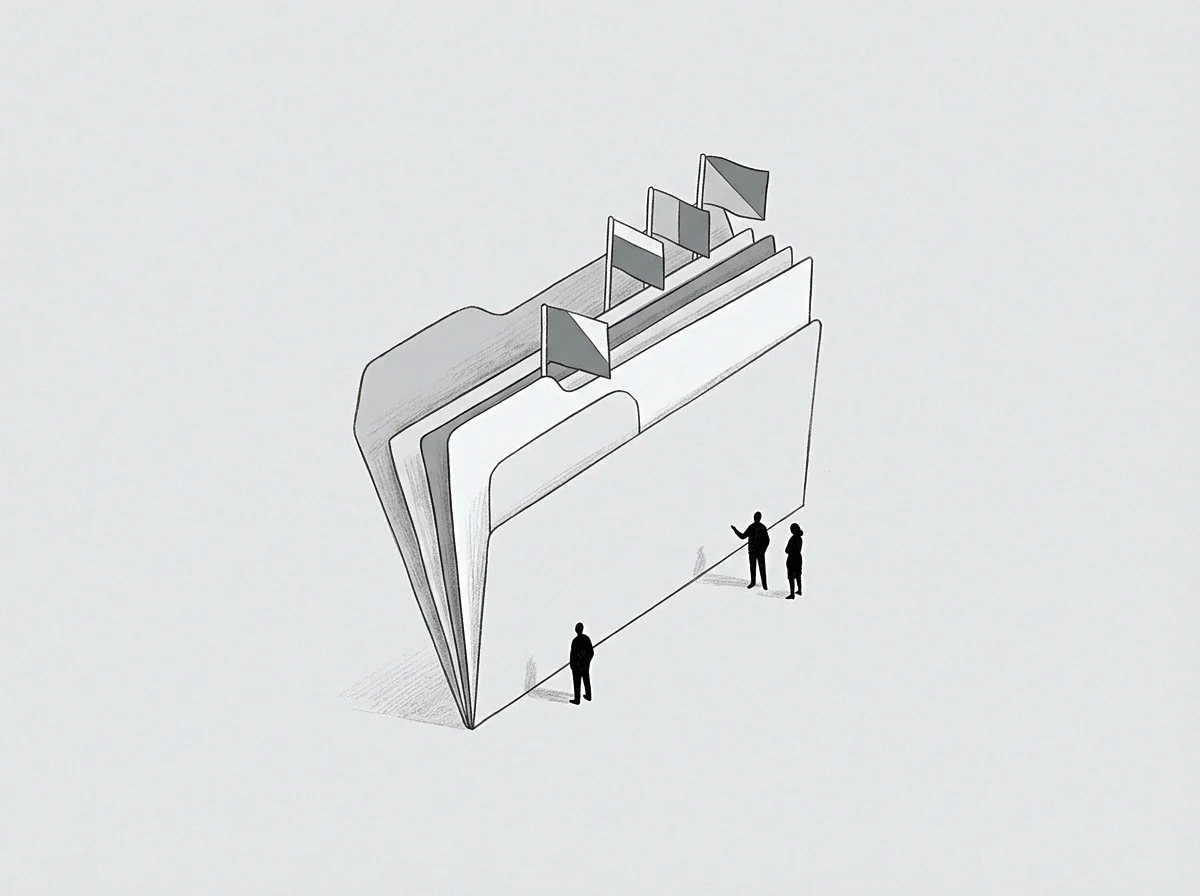
Fence
Permanent structural boundaries establish clear operational territories between leadership roles and front-line triage. Stating a limit verbally rarely deters an incoming operational wave during a system crash. A limit exists as a real wall only when backed by clear terms, alternative channels, and predictable systemic outcomes.
The organization must learn that executive availability is derived from explicit position parameters rather than emotional appeal.
When an urgent panic breaches formal intake channels, structured enforcement steps re-establish boundaries without escalating personal tension.
- Immediate message redirection transfers the incoming alert back into the formal ticketing queue without processing its contents directly.
- Channel restriction enforcement closes informal chat permissions for repeat protocol offenders, forcing all future communication through standard forms.
- Post-incident protocol audit reviews the root cause of the intake breach during regular operational debriefs to fix underlying process gaps.
- Threshold recalibration review adjusts alert triggers if legitimate emergencies are getting trapped inside standard triage queues repeatedly.
Long-term organizational stability relies on the continuous health of executive working memory. Bypassing formal intake protocols might save ten minutes during a single crisis, but it destroys systematic execution across months. Building automated intake valves, enforcing quantitative escalation switches, and maintaining strict temporal buffers preserve executive capacity for high-leverage decisions.
Systems optimize for what they measure. When an organization measures speed to initial response above all else, working memory becomes the burn pile for operational friction. Shifting systemic metrics toward first-contact resolution quality and protocol adherence protects leadership capacity while building resilient team operational habits.
The ultimate measure of organizational maturity is an operational engine that handles severe unexpected panics smoothly through established intake architecture without ever demanding executive context switching.
The operational team owns the incident until escalation criteria are met, at which point the system hands over clean diagnostic data rather than unstructured panic.