
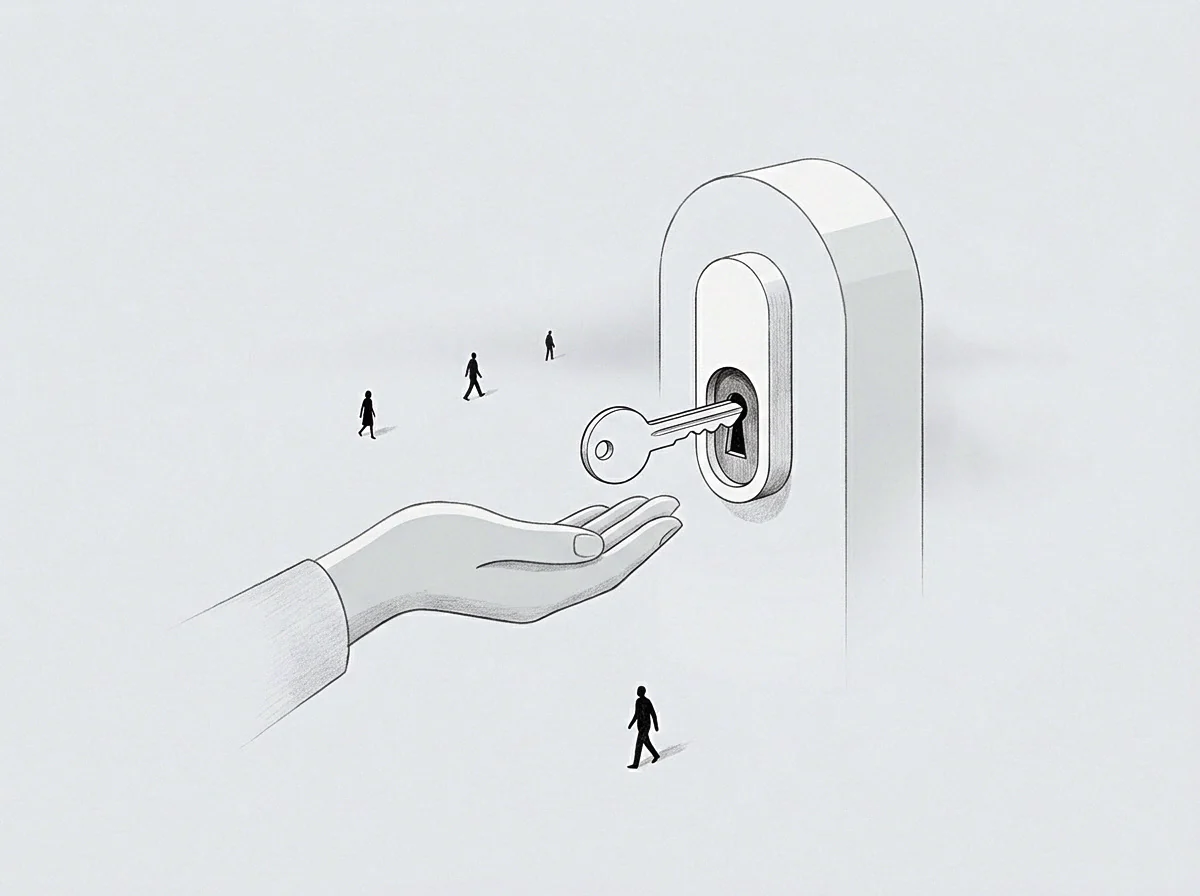
Calculating Operator Working Memory Limits Across Concurrent Incidents
Human working memory holds four active incident threads maximum before context switching forces automatic drop of operational state data.
Human working memory holds four active incident threads maximum before context switching forces automatic drop of operational state data.

Executive governance filters protect attentional bandwidth by establishing explicit operational latency floors and routing protocols upstream of leadership perception.

Cognitive concurrency caps represent structural processing limits under ungated operational load, whereas clinical anhedonia stems from neural reward pathway impairment.

Executive cognitive satiation is resolved by enforcing batched telemetry delivery windows and explicit threshold-based governance gates.

Concurrency limits in expanding management systems are determined by setting hard limits on parallel task intake based on human state capacity.
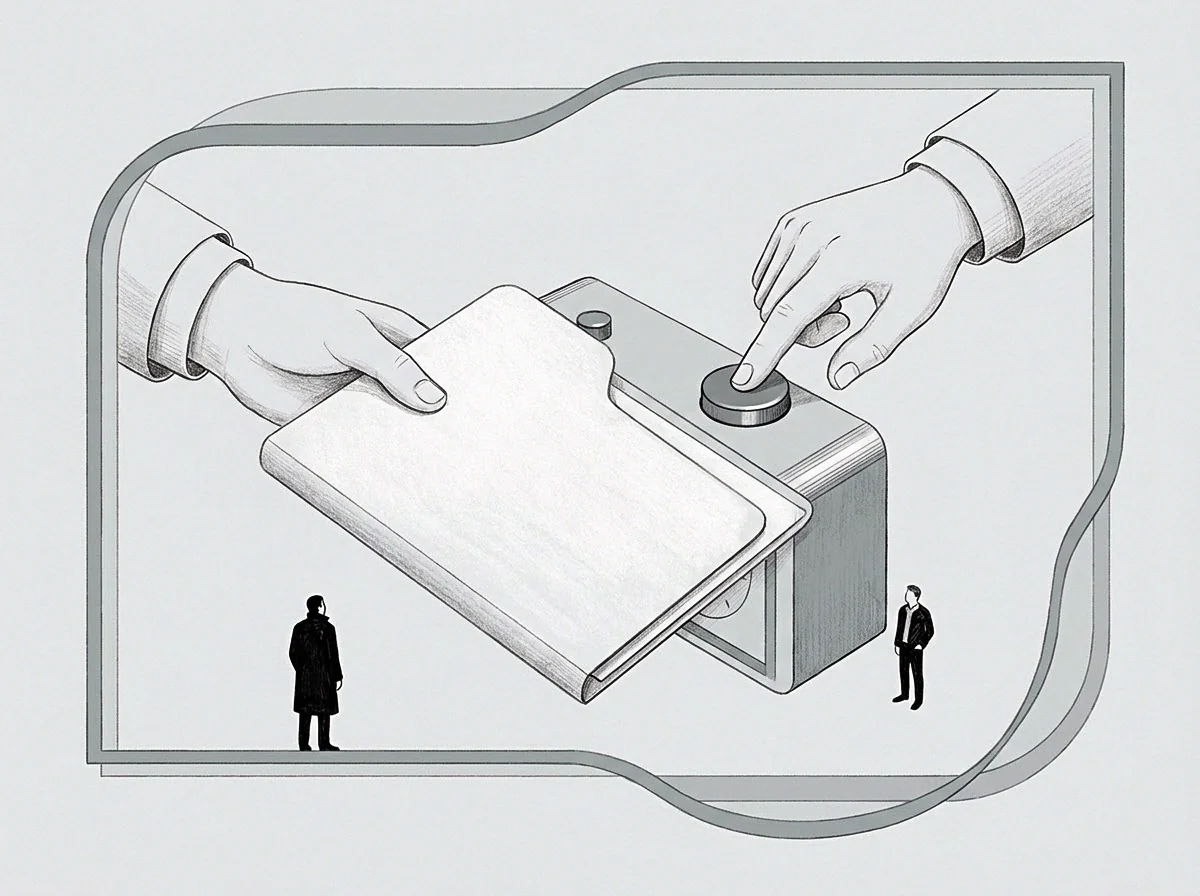
Biological allostatic load reflects cumulative physiological wear from chronic stress, whereas clinical depression involves primary mood and cognitive disruption.
Structural intake gates filter external operational demands through formal protocols to prevent biological allostatic accumulation in executive nervous systems.

System throttling is an adaptive physiological down-regulation caused by allostatic overload, distinct from clinical depression's neurochemical failure.
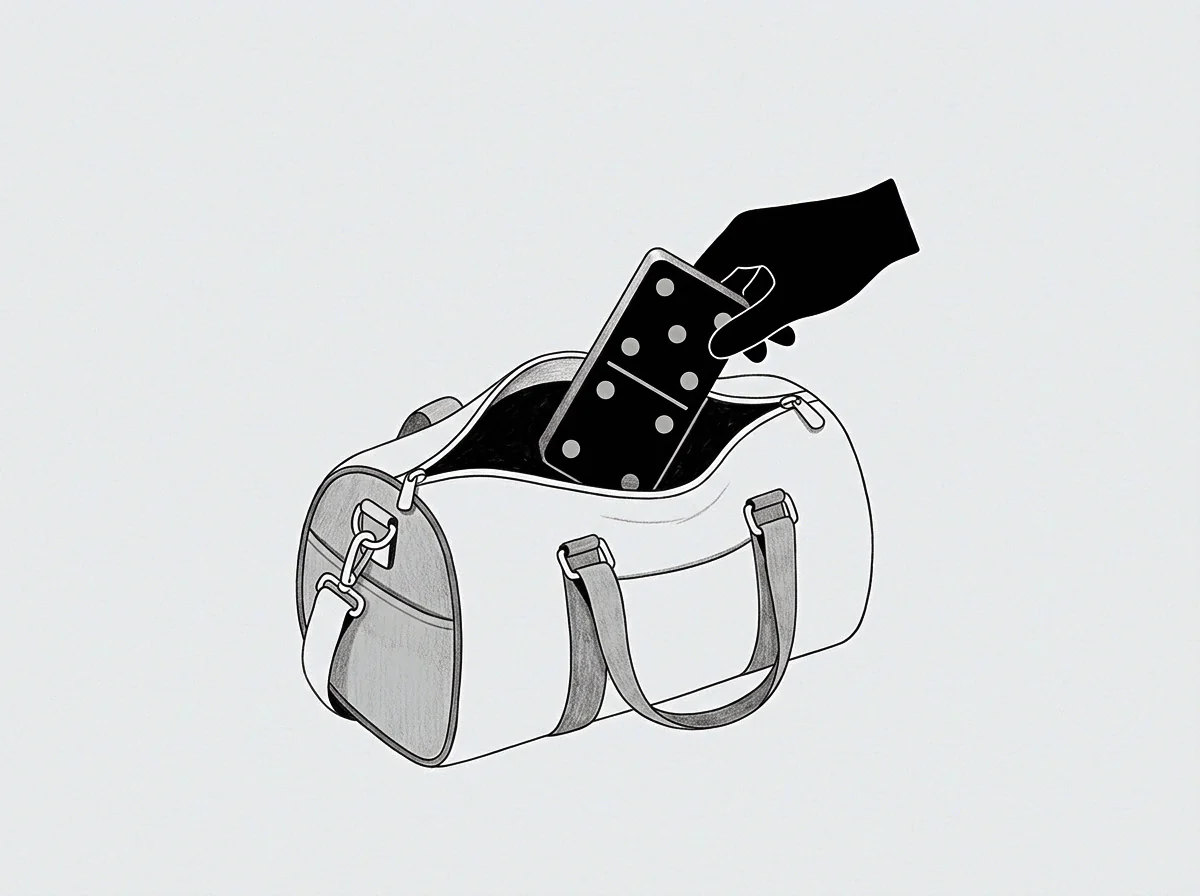
Prefrontal concurrency collapses when ungated active threads exceed working memory slots, forcing executive throttling that standard metrics misdiagnose as depressive fatigue.
The terms are written where they belong. Each field holds three desks, and every entry a desk writes raises the terms it uses, each term given a meaning, a mechanism and the places it appears. The record on these pages stays first person and hand made; the fields grow the nomenclature.