
Reversing Glucocorticoid Resistance Thresholds in Prefrontal Networks Following Prolonged Executive Saturation
Prolonged executive overload downregulates prefrontal glucocorticoid receptors, breaking stress inhibition; recovery requires strict thread gating to restore receptor sensitivity.

Saturation
High decision density held over consecutive months changes signal processing across prefrontal networks. When an operating seat faces constant regulatory demands without deliberate pauses, the hypothalamic-pituitary-adrenal axis sustains glucocorticoid release. Cortisol binding to receptors in the dorsolateral prefrontal cortex and anterior cingulate initially supports working memory allocation and emotional suppression, but chronic exposure erodes the regulatory loop.
The network shifts from high-sensitivity signaling into structural and functional saturation.
During acute stress, glucocorticoids sharpen prefrontal control over subcortical centers, pulling systemic hormones back to baseline through negative feedback. Prolonged overload breaks that architecture. Unbroken ligand binding prompts localized cellular changes in prefrontal neurons that lower the density and responsiveness of intracellular receptors.
Once prefrontal networks cannot shut down the response, peripheral and central cortisol levels stay high during non-working hours.
Systemic glucocorticoid elevations sustained without baseline recovery downregulate prefrontal receptor density and impair negative feedback regulation.
That shift damages the physical architecture of executive networks. Pyramidal neurons in the medial prefrontal cortex retract their dendrites, shedding the spines needed for excitatory synaptic input. As arborization shrinks across working memory circuits, cognitive headroom contracts, raising the effort required for simple prioritization, filtering, and managing open threads.
Throttled prefrontal networks are often mistaken for major depressive disorder or conventional burnout. True depressive pathology brings pervasive affective disruption and anhedonia across all contexts. Executive saturation, by contrast, presents as selective cognitive depletion and degraded emotional filtering, with baseline motivation for unburdened tasks left intact.
Treating this as a primary mood disorder with standard psychological talk therapy misses the mark, because the issue is glucocorticoid resistance at the receptor site rather than a defect in affective signaling.
Reading this physiological state as a lapse in willpower leads people to push harder against a compromised neural substrate, which only quickens dendritic loss and entrenches receptor resistance.

Receptor
At the intracellular level, glucocorticoid resistance in prefrontal networks traces back to adaptations inside glutamatergic pyramidal neurons. These receptors function as ligand-activated transcription factors. Once bound by cortisol, the receptor frees itself from heat shock proteins, homodimerizes, and enters the nucleus to attach to glucocorticoid response elements on DNA or interact with adjacent transcription factors.

Intracellular Mechanics of Signal Failure
Sustained saturation alters this pathway through several distinct molecular mechanisms:
- Chaperone Overexpression Increased FKBP5 expression produces an excess of FK506-binding protein 51, which traps the receptor complex and keeps it from entering the nucleus.
- Isoform Ratio Shifts Alternative splicing tips toward the non-binding beta isoform over the active alpha form, exerting dominant-negative inhibition within prefrontal nuclei.
- Epigenetic Hypermethylation Sustained promoter methylation at glucocorticoid receptor loci suppresses transcript volume across prefrontal circuits.
- Phosphorylation Blockade Hyperactive stress-activated protein kinases distort phosphorylation patterns, destabilizing the receptor and driving faster proteasomal degradation.
Together, these changes raise the threshold needed for glucocorticoid-driven transcription. Elevated circulating cortisol ceases to provoke normal genomic responses in the prefrontal cortex.
Intracellular accumulation of immunophilin chaperones prevents nuclear translocation of the glucocorticoid receptor during continuous hormonal exposure.
As prefrontal glucocorticoid resistance settles in, inhibitory oversight of the amygdala slips. Limbic hyper-reactivity produces continuous baseline vigilance. Analytical competence remains intact, but the neurological bandwidth to quiet automatic threat responses to small operational shifts is gone.
Restoring receptor sensitivity requires dropping ligand concentrations below the activation threshold long enough for receptors to recycle, chaperones to balance, and epigenetic marks to clear. Pushing past the resistance threshold for more than ninety days turns temporary functional throttling into structural remodeling that takes months to reverse.
Seat
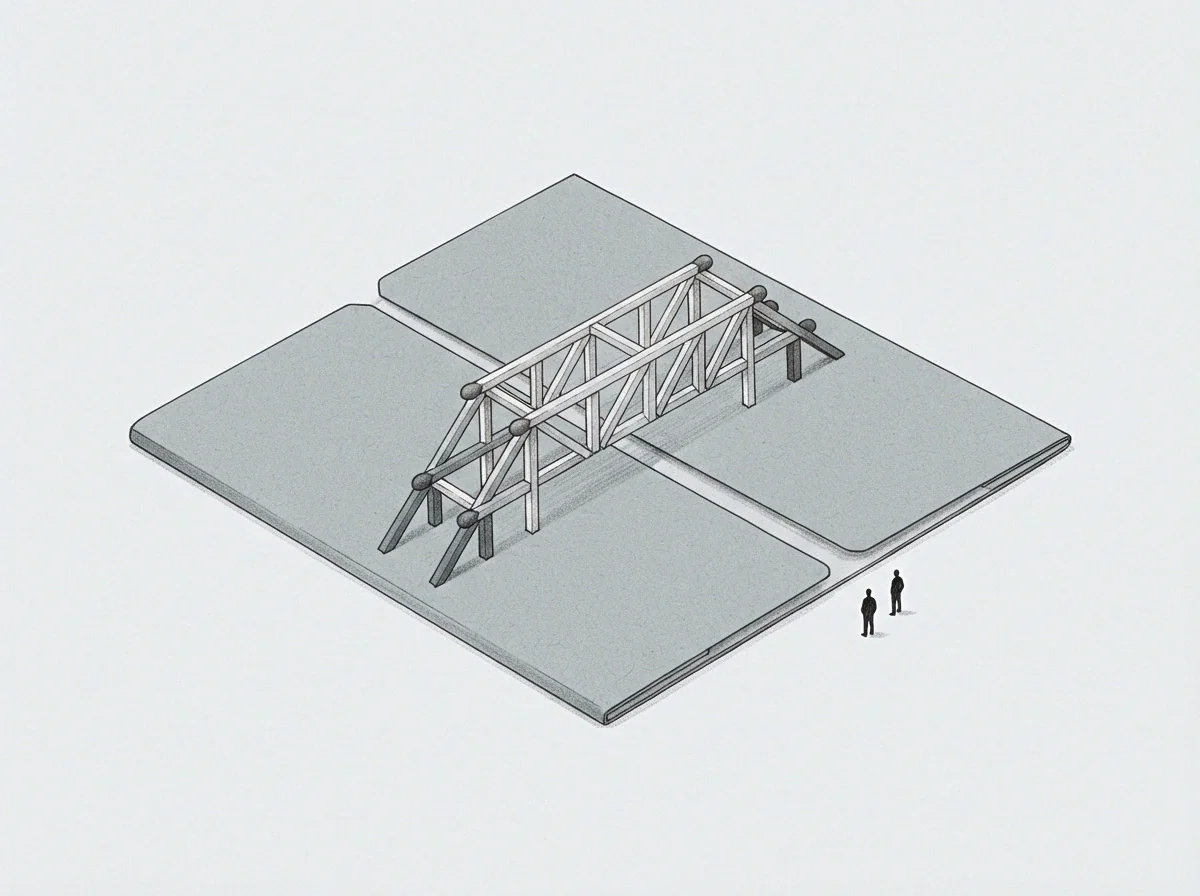
The day-to-day mechanics of an operating seat dictate the regulatory demands placed on prefrontal tissue. Different roles create different mixes of incoming signal volume, unresolved loops, and forced emotional restraint. Saturation is not spread evenly across an executive team; it tracks the sheer density of ungated threads.

Comparative Load Distribution Across Operating Roles
To evaluate how structural seat design drives prefrontal saturation, consider three typical operating roles evaluated across standardized regulatory criteria.
| Operating Role | Ungated Thread Count | Primary Load Driver | Glucocorticoid Resistance Risk |
|---|---|---|---|
| Chief Executive | 30 to 50 active loops | Unstructured external ambiguity and investor alignment | Severe risk under continuous market pressure |
| Chief Technology Officer | 15 to 25 active loops | Deep architectural focus interrupted by incident response | Moderate risk characterized by cognitive switching friction |
| Head of Operations | 40 to 60 active loops | Continuous interpersonal mediation and real-time execution | High risk driven by relentless real-time decision density |
The number of open loops sets the baseline firing rate of prefrontal monitoring networks. An ungated thread places a constant tax on working memory, tying up background resources to track state. At forty concurrent loops, prefrontal circuits run at sustained peak capacity, leaving no usable cognitive headroom.
Unstructured operational loops create persistent prefrontal activation that prevents the baseline hormone clearance necessary for receptor resensitization.
Interpersonal mediation burns substantial prefrontal resources on emotional regulation and impulse suppression. Maintaining an even exterior while evaluating strategic problems hastens metabolic fatigue. The occupant absorbs ambiguity to insulate the surrounding team from context switching, taking the physiological toll internally.
From the outside, the seat appears calm and responsive, even as available neural capacity is consumed entirely by holding that baseline.

Clamping
Reversing receptor resistance requires changing the operating environment that created it. Understanding stress physiology changes nothing at the cell surface; only a physical reduction in regulatory demand gives the endocrine and neural systems space to recalibrate. Clamping scope and gating threads are the primary ways to de-saturate prefrontal tissue.

Sequential Thread Gating Protocol
The incoming signal environment requires deliberate boundary enforcement to reduce network strain.
- Active thread counts are audited and capped at a ceiling of five concurrent operational loops.
- Remaining projects receive explicit boundaries, firm deadlines, and unambiguous exit criteria.
- Non-essential initiatives are parked with scheduled review dates to drop the background monitoring burden.
- Asynchronous channels are restricted to set processing windows to prevent random interruptions.
- Direct decision authority for non-critical operational areas is transferred to domain leads.
Gating a loop brings immediate relief to working memory. A parked project with a set return date and defined terms demands minimal prefrontal resources. The brain treats the item as resolved, powering down the background monitor.
Converting open operational loops into gated commitments restores prefrontal headroom by eliminating continuous background threat monitoring.
Lowering incoming operational signal allows systemic cortisol to dip below the saturation line. With less ligand present, intracellular FKBP5 levels subside, opening the path for functional receptors to reach the nucleus. Epigenetic marks slowly normalize as baseline receptor dynamics return.
A role run without hard thread limits will saturate whoever holds it, regardless of their personal resilience.
Recovery
Re-sensitizing prefrontal networks after prolonged saturation follows a biological schedule tied to protein synthesis and dendritic repair. Synaptic architecture takes time to regrow. Once circulating cortisol falls below the saturation threshold, brain-derived neurotrophic factor rises in medial prefrontal areas, initiating physical reconstruction.

Does prefrontal receptor resensitization require complete operational silence?
Total operational silence is neither feasible nor biologically necessary. The issue is continuous, ungated regulatory strain rather than the presence of hard work itself. Prefrontal networks recover plasticity when demands come in pulses instead of steady exposure.
Focused stretches of high-load work followed by genuine disengagement encourage spine growth and synaptogenesis.
Dendritic branches on prefrontal pyramidal neurons show measurable growth within four to eight weeks of lower load. New synapses establish themselves across working memory pathways, reasserting control over subcortical centers. Renewed inhibition of the amygdala stabilizes affective filtering, lowering baseline tension and emotional reactivity.
Full biological recovery requires synchronized structural changes across multiple regulatory systems:
- HPA Axis Recalibration Restored sensitivity across prefrontal feedback loops normalizes diurnal cortisol curves.
- Synaptic Arborization Rising neurotrophic factors spur dendritic spine proliferation across medial prefrontal networks.
- Cognitive Headroom Restoration Working memory reopens as active thread counts remain tightly constrained.
- Autonomic Balance Vagal tone strengthens as limbic hyper-reactivity cools, normalizing resting heart-rate variability markers.
Long-term stability depends on keeping firm boundaries around the seat. Clearing glucocorticoid resistance restores baseline cognitive capacity, but returning to unbounded operating conditions will trigger the same saturation cascade.
Whether prefrontal circuits retain an epigenetic memory of past saturation that lowers the threshold for future resistance remains an open question in stress biology.