

Metabolic Costs of Autonomous Regulation During Chronic Executive Isolation
Chronic executive isolation forces continuous prefrontal inhibition of somatic threat without co-regulatory relief, driving severe metabolic depletion.
Chronic executive isolation forces continuous prefrontal inhibition of somatic threat without co-regulatory relief, driving severe metabolic depletion.
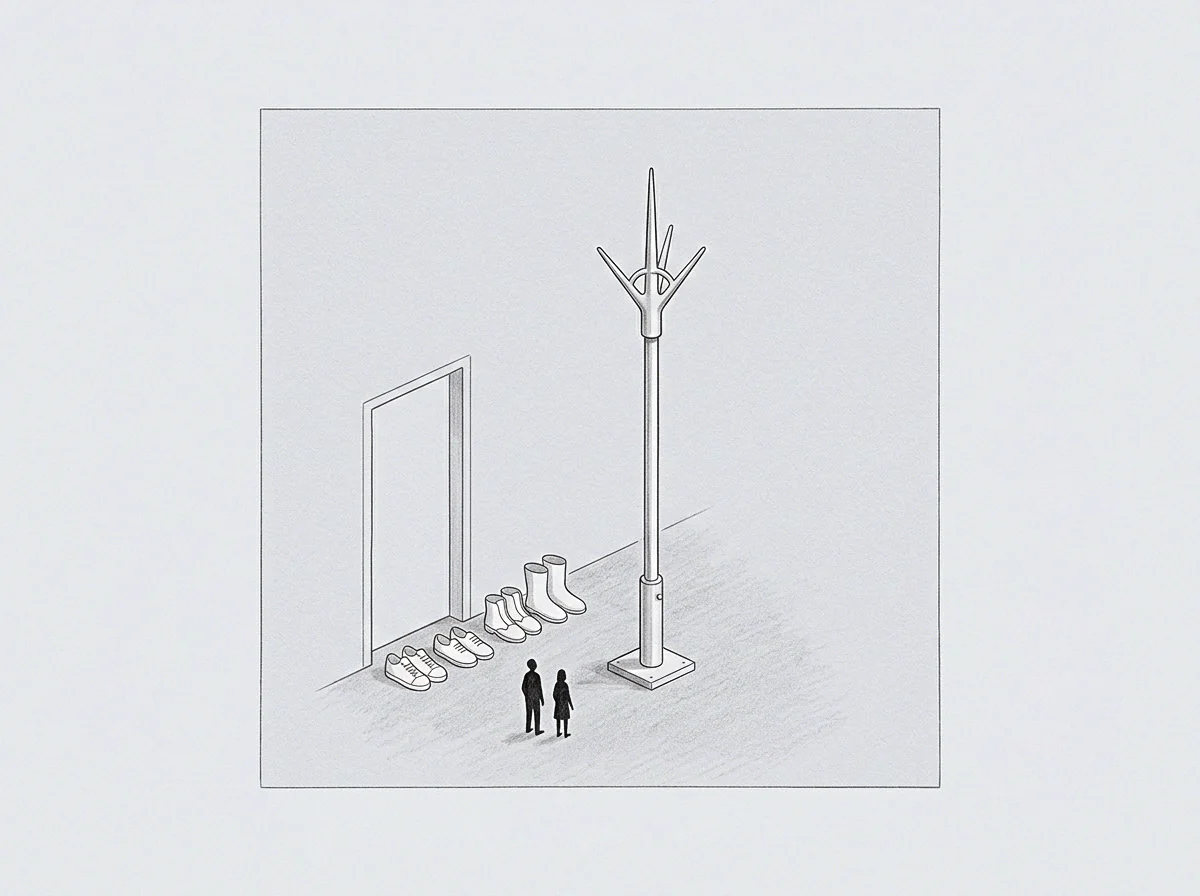
Structural co-regulation boundaries limit endocrine exhaustion in isolated governance roles by enforcing formal access gates and distributing regulatory load.

Executive stress physiology shifts toward chronic depletion when solo threat appraisal continuously exceeds the biological capacity for self-regulation.
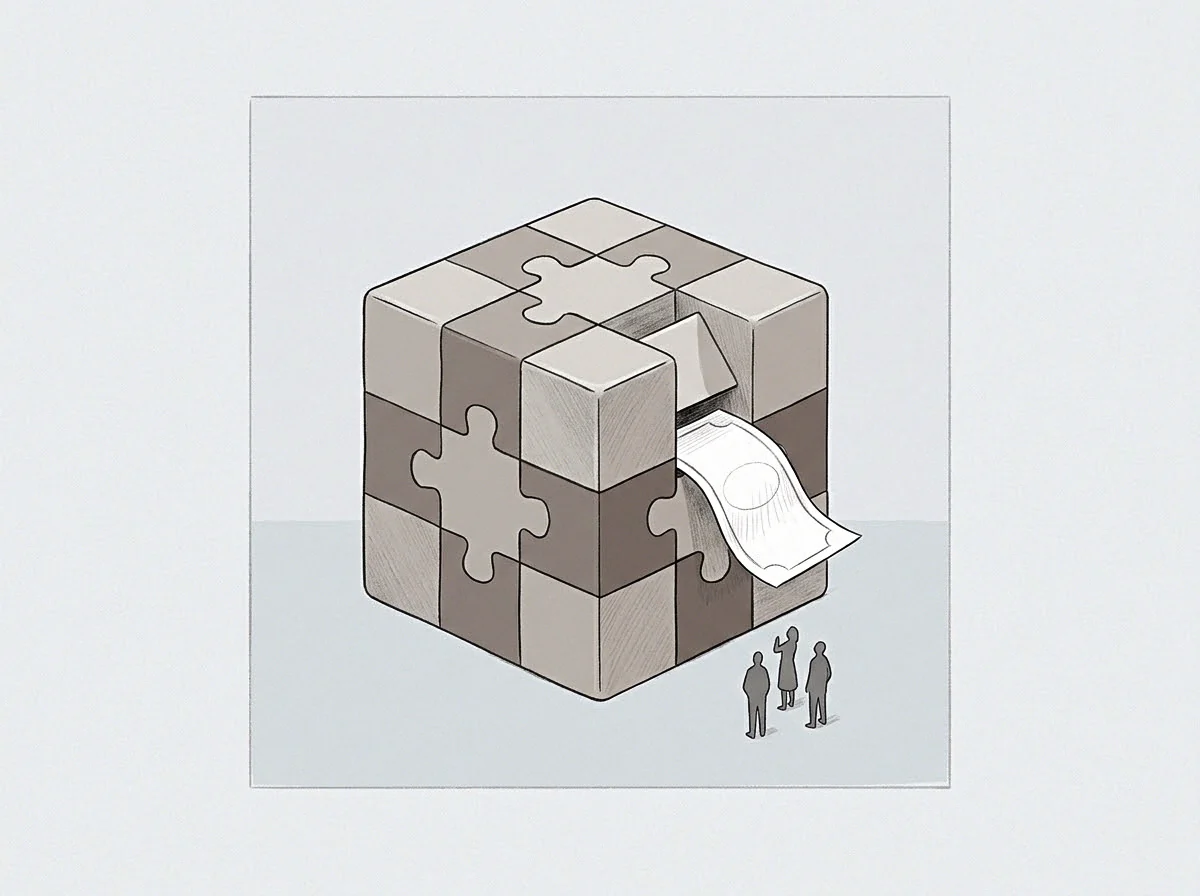
Chronic executive demand elevates allostatic load, triggering autonomic throttling that suppresses cognitive headroom to preserve baseline physiological integrity.

Autonomic strain measurement requires combining discrete endocrine assays with electrophysiological metrics to capture systemic wear before clinical breakdown.

Chronic unilateral regulation exhausts hypothalamic and autonomic systems, producing severe hypocortisolemia and vagal collapse upon partnership rupture.

Decoupling executive function from desensitized receptors shifts operational control from neuroendocrine arousal to external substrates and mechanical protocols.

Prolonged strategic isolation locks hypothalamic tone in defensive mobilization, blunting ventrovagal social engagement until neuroendocrine baselines reset.
The terms are written where they belong. Each field holds three desks, and every entry a desk writes raises the terms it uses, each term given a meaning, a mechanism and the places it appears. The record on these pages stays first person and hand made; the fields grow the nomenclature.